Letter Invitation For Guest Speaker In San Jose
Description
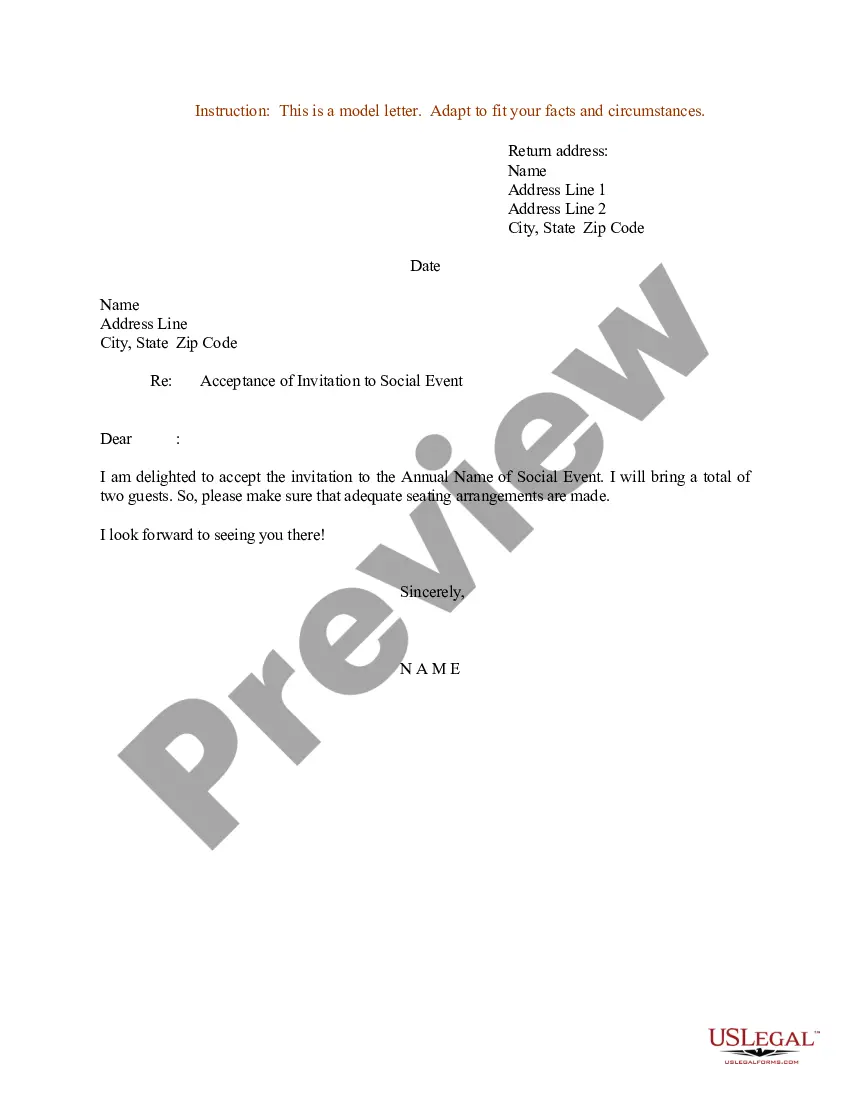
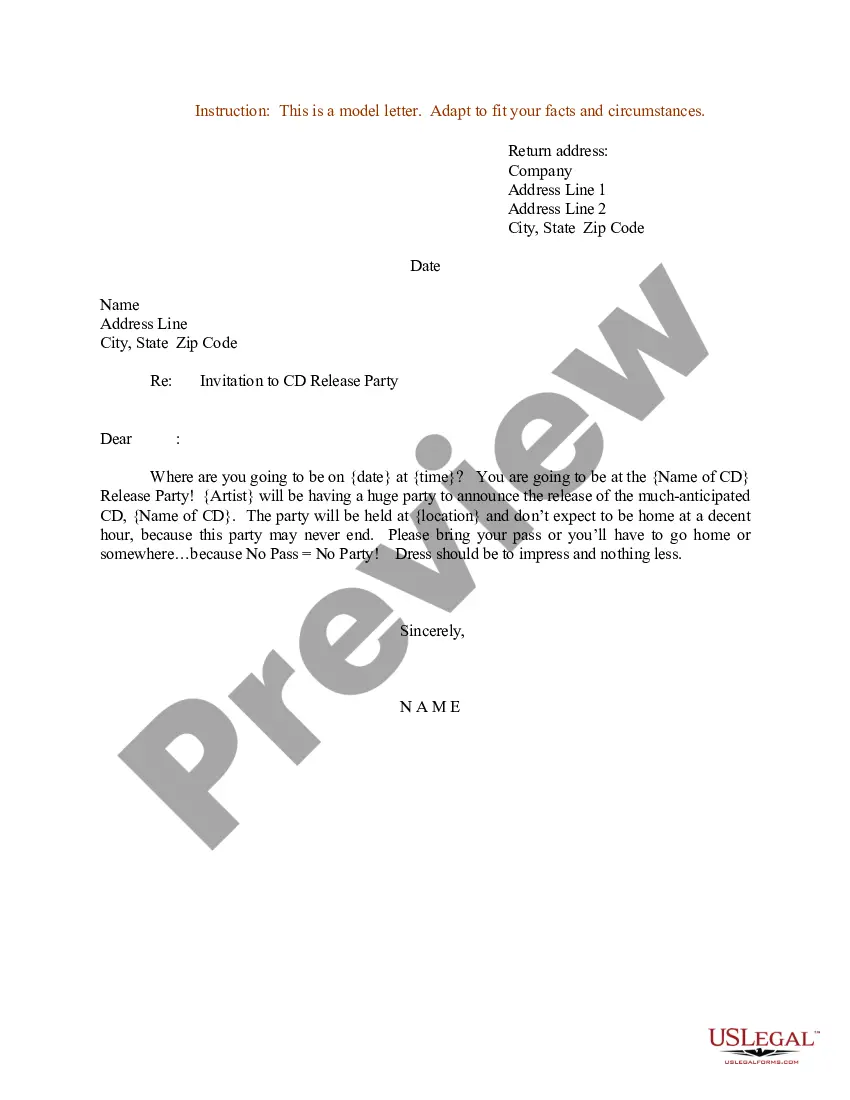
Get your form ready online
Our built-in tools help you complete, sign, share, and store your documents in one place.
Make edits, fill in missing information, and update formatting in US Legal Forms—just like you would in MS Word.
Download a copy, print it, send it by email, or mail it via USPS—whatever works best for your next step.
Sign and collect signatures with our SignNow integration. Send to multiple recipients, set reminders, and more. Go Premium to unlock E-Sign.
If this form requires notarization, complete it online through a secure video call—no need to meet a notary in person or wait for an appointment.
We protect your documents and personal data by following strict security and privacy standards.

Make edits, fill in missing information, and update formatting in US Legal Forms—just like you would in MS Word.

Download a copy, print it, send it by email, or mail it via USPS—whatever works best for your next step.

Sign and collect signatures with our SignNow integration. Send to multiple recipients, set reminders, and more. Go Premium to unlock E-Sign.

If this form requires notarization, complete it online through a secure video call—no need to meet a notary in person or wait for an appointment.

We protect your documents and personal data by following strict security and privacy standards.
Looking for another form?




Form popularity
FAQ
Formal invitation Components Name of host. Invitational (requests the pleasure of your company, cordially invites you to) Event type/name/purpose (e.g., luncheon, dinner, reception, lecture) Date. Hour. Place. Reply instructions (e.g., reply card or phone number) Disabled instructions (e.g., fax or email)
7 Ways to Write Guest Speaker Invitation Emails: Begin with a Polite Greeting. Introduce your Organization. Explain the Purpose of the Event. Highlight the Speaker's Expertise. Offer Logistical Information. Be Courteous and Respectful. Include Contact Information.
Core Components of a Speaker Invitation: The name, date(s), and venue of the event. The topic, theme or focus of the event. Reasons why they would be an ideal speaker for your event. Why it would benefit them. How they can contact you.
Make your written request concise and clear. Specify the date first (it may be impossible, whatever comes next). Then describe the audience, purpose, topic, and what a tremendous difference you hope that speech will make in the world. Then the financial arrangements.
Welcome the speaker to the stage by saying: - I welcome: speaker's name. - To speak on: speech title. - Speaker's Name - look at the speaker with smile - or gently point with hand gesture - an indication to the speaker to come forward. Lead the Applause.
Without further ado, ladies and gentlemen, let's welcome Guest's name on stage. Please grace us with your insightful words and enlighten us with your wisdom. Give a round of applause and encourage the audience to do the same.
Your discussion on topic will be a great addition to our event. We believe your voice would be a critical addition to the XYZ stage. Please let us know by date whether or not you would be interested in speaking. Thank you in advance for your consideration, and we very much look forward to hearing from you.
Know your niche, keep your profile updated and current, network, create a list of your ideal speaking engagements, craft and submit that proposal, (hopefully) get that invite, and deliver! If you hold up your part of the bargain, you'll have more opportunities coming your way soon.
Highlight the speaker's credentials and accomplishments to establish their credibility in the eyes of the audience. Share their relevant experience, expertise, and any notable achievements that are relevant to the topic of their presentation.
How to write an invitation letter? Sender's information. Begin the letter with your name (or your organization's name), address, and contact information. Date. Write the date below the sender's information. Recipient's information. Include the recipient's name and address directly below the date. Salutation. Body. Closing.

