Notice For Meeting In Suffolk
Description


Get your form ready online
Our built-in tools help you complete, sign, share, and store your documents in one place.
Make edits, fill in missing information, and update formatting in US Legal Forms—just like you would in MS Word.
Download a copy, print it, send it by email, or mail it via USPS—whatever works best for your next step.
Sign and collect signatures with our SignNow integration. Send to multiple recipients, set reminders, and more. Go Premium to unlock E-Sign.
If this form requires notarization, complete it online through a secure video call—no need to meet a notary in person or wait for an appointment.
We protect your documents and personal data by following strict security and privacy standards.

Make edits, fill in missing information, and update formatting in US Legal Forms—just like you would in MS Word.

Download a copy, print it, send it by email, or mail it via USPS—whatever works best for your next step.

Sign and collect signatures with our SignNow integration. Send to multiple recipients, set reminders, and more. Go Premium to unlock E-Sign.

If this form requires notarization, complete it online through a secure video call—no need to meet a notary in person or wait for an appointment.

We protect your documents and personal data by following strict security and privacy standards.
Looking for another form?








Form popularity
FAQ
The notice should: Specify the purpose of the meeting. List the agenda items clearly. Provide instructions on how to attend the meeting (including virtual attendance, if applicable).
A proper meeting notice should include: Date, Time, and Venue: Clear details on when and where the meeting will take place. Purpose of the Meeting: A brief description of the meeting's objectives. Agenda: An outline of topics to be discussed; this helps attendees prepare for the meeting.
The notice must provide directors with the date, time, and location of the meeting. Although technically, the purpose of the meeting does not have to be provided, it is generally a good idea to include an agenda or similar information so directors know what to expect and why it is important to attend.
How much notice must be given? The general rule is that at least 21 days' notice must be given, although constitutions may specify longer. More than 28 days' notice must be given for listed companies regardless of what the company constitution says (s 249HA).
A meeting notice should include the following key details: Name and contact information of the meeting chair. Name and role of the sender of the meeting notice. Names and roles of all the invitees. Type of meeting — regular, annual, or special. Date, time and location of the meeting (the notice should also be dated)
Identify the Parties: Clearly state the names and addresses of all involved parties. State the Purpose: Clearly explain the reason for the notice at the beginning. Provide Details: Include necessary details such as dates, deadlines, changes, or requirements.
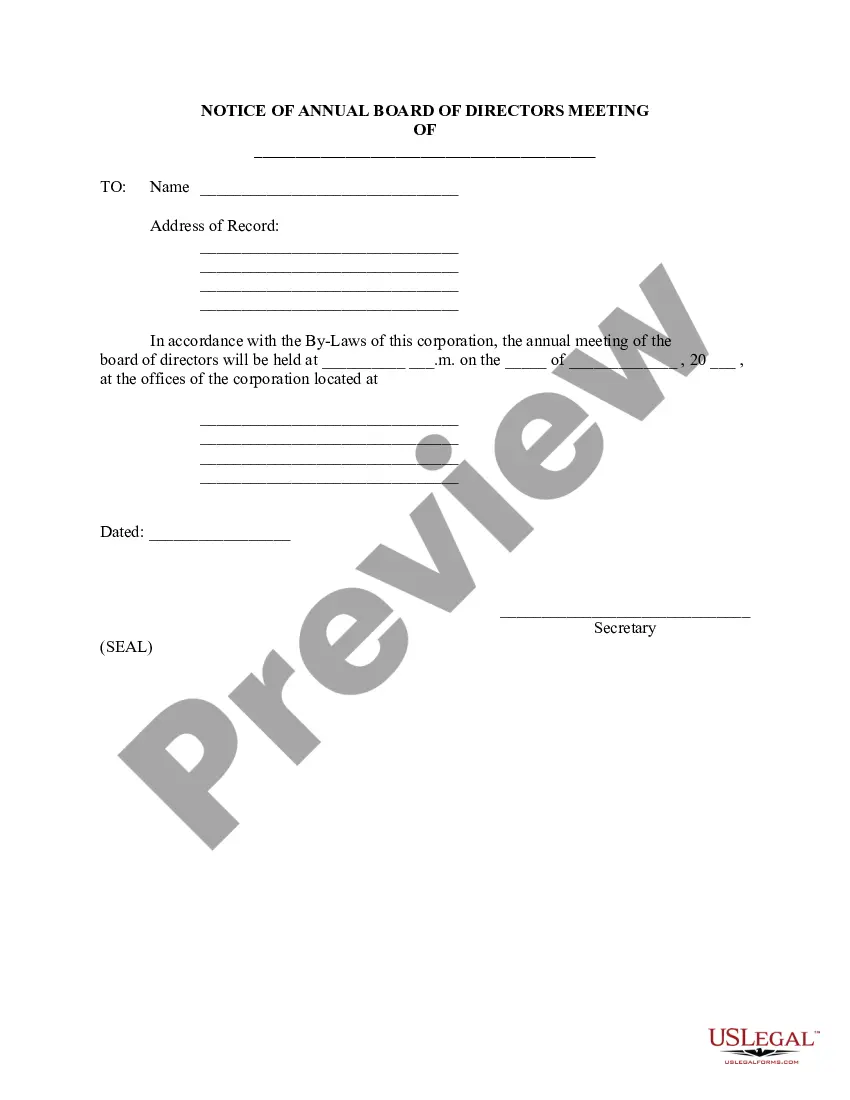
Notice of Board Meeting Notice is hereby given that a meeting of the Board of Directors of the (Company Name) will be held at (Time) on (Day of the Week), the (Date in words) at (Board Meeting Address), to interalia consider the following business as under:-.
Your notice must follow state and company guidelines, but it should have your company name , the date and time of the meeting, the location of the meeting, an agenda , and notes . For more information about how to prepare a notice of meeting, read this article.
How to Host a Council Meeting Call the Meeting to Order. Every government meeting should begin with the chairperson or the designated authority calling the meeting to order. Call Roll. Approve Agenda and Meeting Minutes. Review and Document Council Reports. Review Old and New Business. Adjourn the Meeting.
Many public comment portions of city council meetings are open to talk about any issue you're having in the city. Think about issues you or members of your community have experienced that you can address at the meeting. You can comment on things happening currently or future legislation that's being discussed.

