Special Meeting
Description
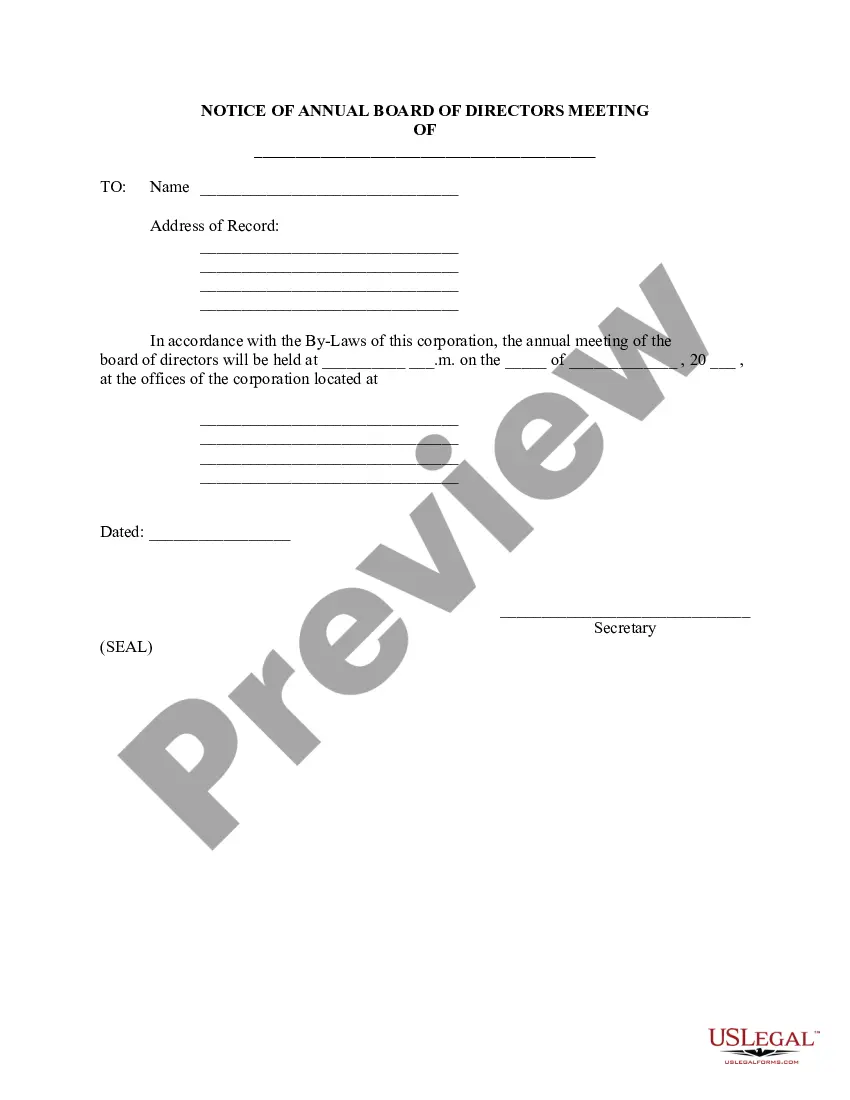


Get your form ready online
Our built-in tools help you complete, sign, share, and store your documents in one place.
Make edits, fill in missing information, and update formatting in US Legal Forms—just like you would in MS Word.
Download a copy, print it, send it by email, or mail it via USPS—whatever works best for your next step.
Sign and collect signatures with our SignNow integration. Send to multiple recipients, set reminders, and more. Go Premium to unlock E-Sign.
If this form requires notarization, complete it online through a secure video call—no need to meet a notary in person or wait for an appointment.
We protect your documents and personal data by following strict security and privacy standards.

Make edits, fill in missing information, and update formatting in US Legal Forms—just like you would in MS Word.

Download a copy, print it, send it by email, or mail it via USPS—whatever works best for your next step.

Sign and collect signatures with our SignNow integration. Send to multiple recipients, set reminders, and more. Go Premium to unlock E-Sign.

If this form requires notarization, complete it online through a secure video call—no need to meet a notary in person or wait for an appointment.

We protect your documents and personal data by following strict security and privacy standards.
Looking for another form?




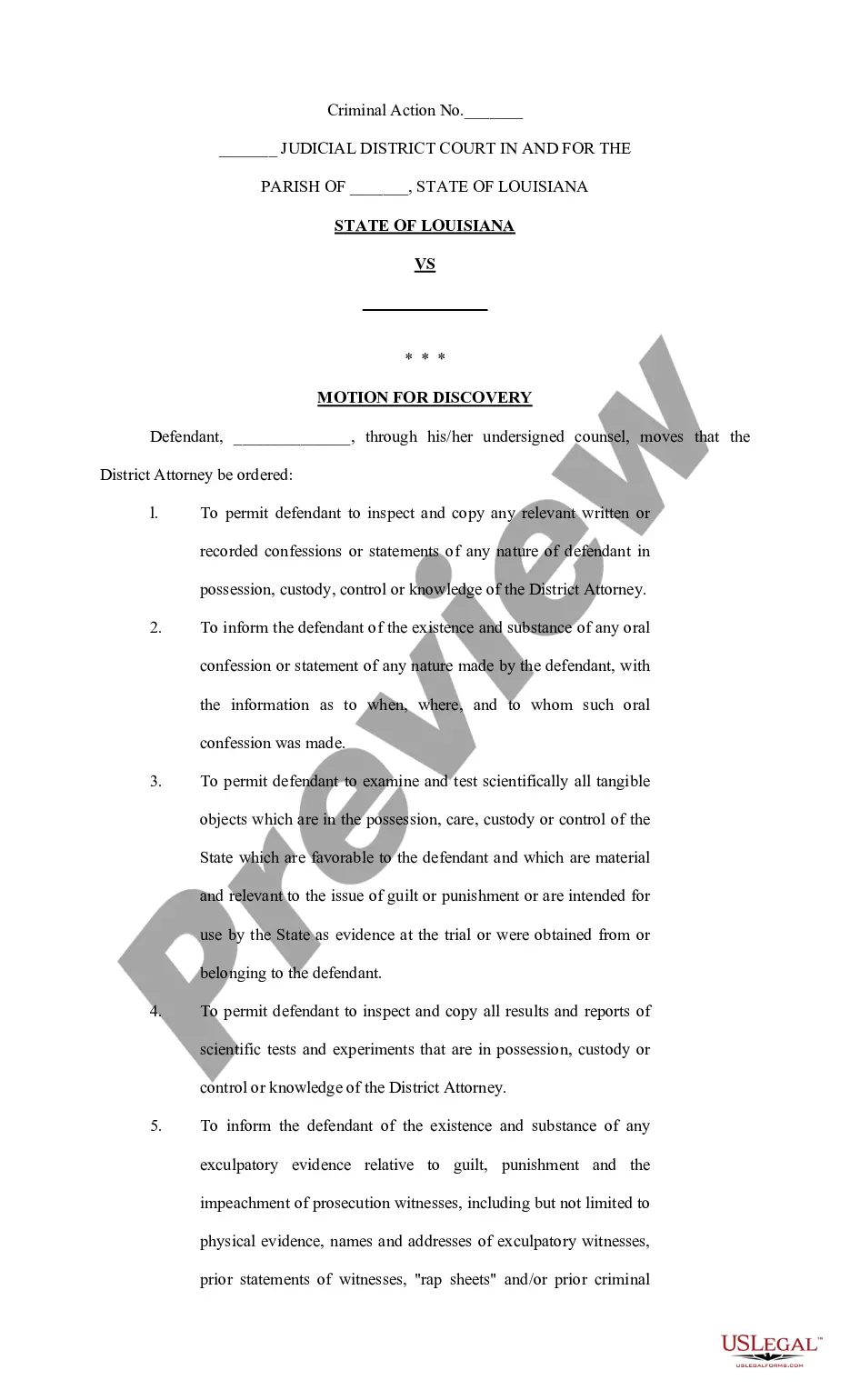



How to fill out Notice Of Special Meeting Of Board Of Directors - Corporate Resolutions?
- If you are an existing user, simply log in to access your account and download the necessary template by clicking the Download button. Ensure your subscription is active and renew if necessary.
- For first-time users, start by previewing the form description thoroughly. Confirm it meets your needs and aligns with your local jurisdiction's requirements.
- If the selected template doesn’t match your expectations, use the Search feature to find a more suitable option.
- Once you find the right document, click the Buy Now button and choose your preferred subscription plan. Creating an account is essential to access the complete library.
- Proceed with your purchase by entering your credit card information or utilizing your PayPal account.
- Finally, download the form and save it to your device. You can access it anytime through the My Forms section in your profile.
In conclusion, US Legal Forms simplifies the process of preparing legal documents for your special meeting, allowing you to focus on more critical aspects of your gathering. Whether you're a seasoned user or a newcomer, our platform offers the support you need.
Get started today and make sure your special meeting is legally sound!
Form popularity
FAQ
When writing minutes of a special meeting, start by noting the meeting date, time, and location alongside the attendees present. Document the main discussions, decisions made, and resolutions passed during the special meeting clearly and concisely. Ensure that you follow any specific format adopted by your organization, as this consistency helps in future references. Resources on platforms like US Legal Forms can guide you in writing professional and effective minutes.
An example of a special meeting could be a gathering called to address urgent issues that arise between regular meetings, such as a vote on a significant merger or acquisition. Another instance might be a meeting focused on an unexpected financial crisis that demands immediate action from the board. These meetings allow organizations to respond swiftly to critical situations, ensuring that they remain proactive and effective.
Writing a notice of an extraordinary general meeting is similar to writing a notice for a regular meeting, but it requires highlighting the exceptional nature of the gathering. Clearly state the purpose of the meeting, including any specific resolutions that need to be addressed. Ensure that all members receive the notice well in advance to facilitate adequate preparation. You can find useful templates on US Legal Forms to streamline this process.
Robert's Rules of Order outlines procedures for conducting special meetings, emphasizing the importance of proper notification and the need for a specific agenda. According to these rules, a special meeting can only cover the topics included in the notice. This structure helps maintain order and ensures that participants address all vital matters effectively during the special meeting. Familiarizing yourself with these rules can lead to more productive meetings.
A good notice for a special meeting should provide clear and comprehensive information. Start by stating the type of meeting, the date and time, and where it will take place. Make sure to include the agenda and any important resolutions that may be voted on. Utilizing resources like US Legal Forms can help you create a well-structured notice that meets legal standards.
To write a short notice for a special meeting, include essential details such as the date, time, location, and purpose of the meeting. Keep your language clear and direct to ensure all attendees understand the urgency and importance of the special meeting. You might want to state that this notice fulfills the requirement for notifying participants, allowing them to prepare adequately. Consider using templates available on platforms like US Legal Forms for a professional touch.
Yes, homeowners can call a special meeting, often outlined in community association rules. Typically, a specific number of homeowners must support this request. This process ensures that the community's interests are represented and addressed.
Under the Model Act, directors or a specified percentage of shareholders have the right to call a special meeting. This framework ensures that significant decisions can be addressed promptly. Familiarizing yourself with these rights empowers effective governance.
The requirements for a special shareholder meeting often depend on state laws and company bylaws. Typically, a certain percentage of shareholders must initiate the meeting. Understanding these requirements is crucial for proper planning and execution.
Writing a notice for a special meeting requires clarity and detail. Include the meeting's date, time, location, and agenda. Additionally, share this notice with all required participants to ensure transparency and participation.
