Special Session For In Riverside
Description



Get your form ready online
Our built-in tools help you complete, sign, share, and store your documents in one place.
Make edits, fill in missing information, and update formatting in US Legal Forms—just like you would in MS Word.
Download a copy, print it, send it by email, or mail it via USPS—whatever works best for your next step.
Sign and collect signatures with our SignNow integration. Send to multiple recipients, set reminders, and more. Go Premium to unlock E-Sign.
If this form requires notarization, complete it online through a secure video call—no need to meet a notary in person or wait for an appointment.
We protect your documents and personal data by following strict security and privacy standards.

Make edits, fill in missing information, and update formatting in US Legal Forms—just like you would in MS Word.

Download a copy, print it, send it by email, or mail it via USPS—whatever works best for your next step.

Sign and collect signatures with our SignNow integration. Send to multiple recipients, set reminders, and more. Go Premium to unlock E-Sign.

If this form requires notarization, complete it online through a secure video call—no need to meet a notary in person or wait for an appointment.

We protect your documents and personal data by following strict security and privacy standards.
Looking for another form?


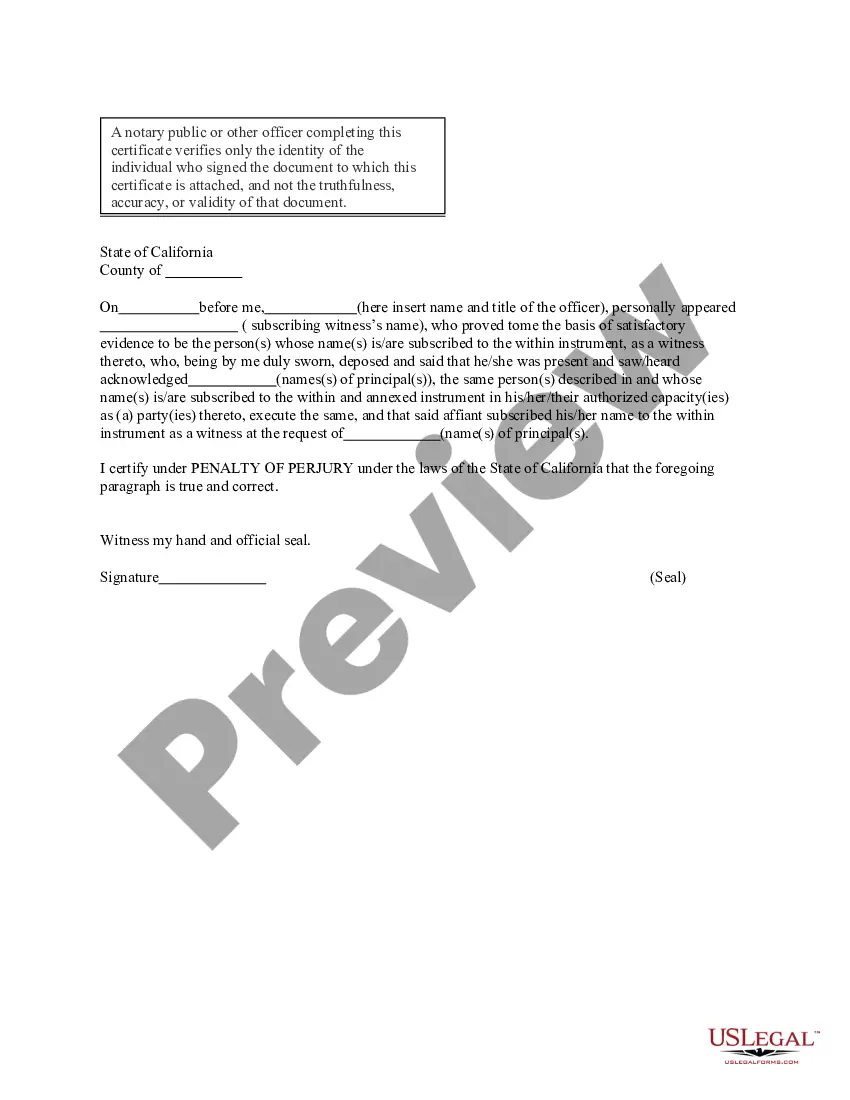

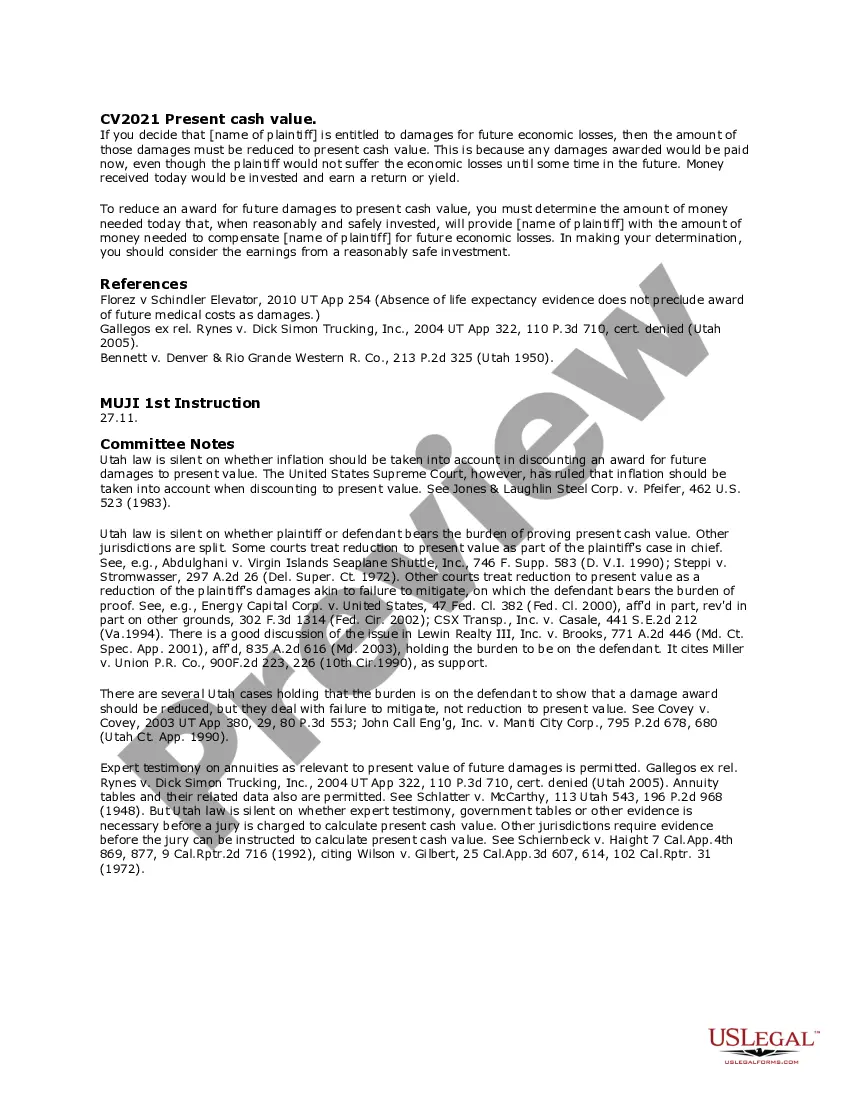
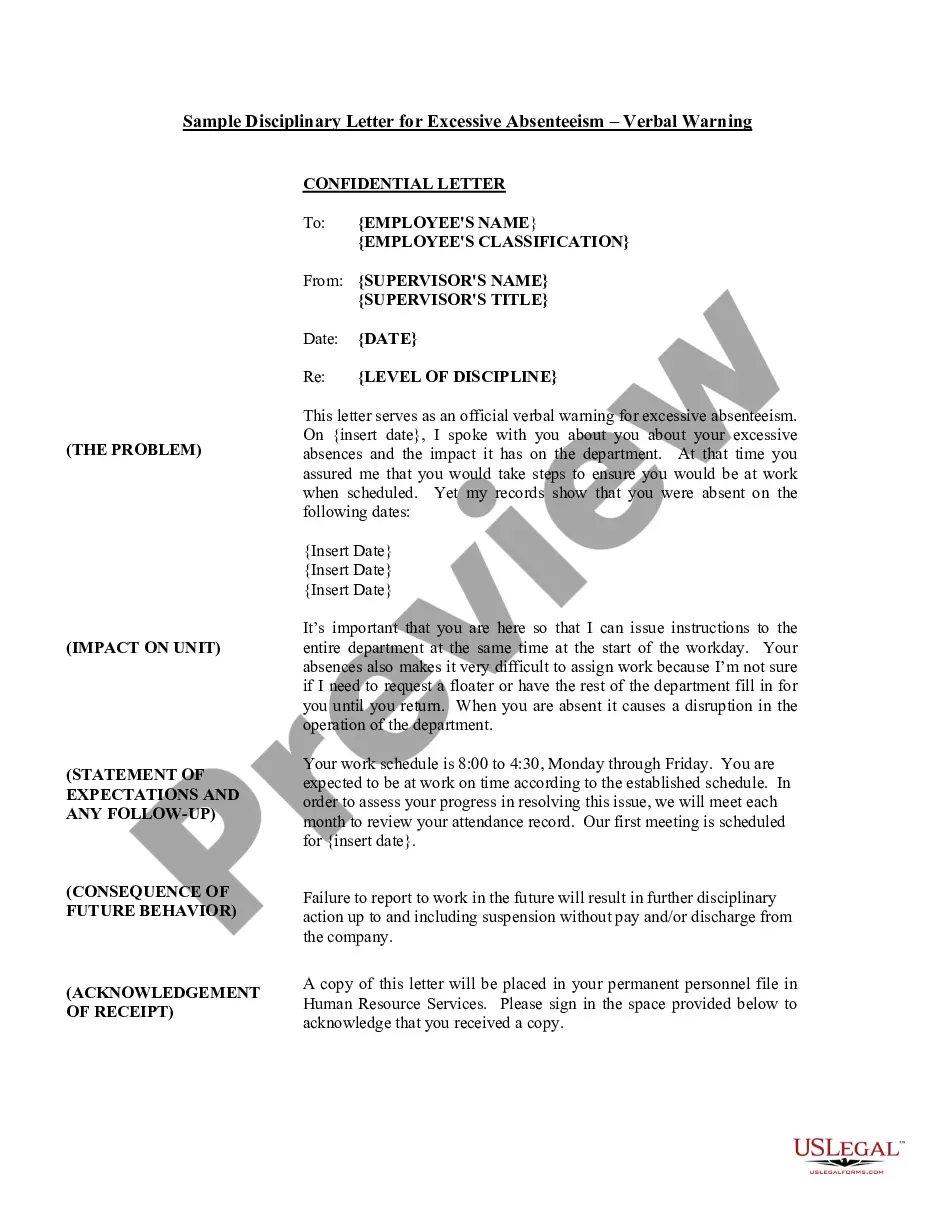
Form popularity
FAQ
"The General Assembly shall meet in regular annual sessions and in such special sessions as occasion may require. Special sessions shall be convoked by the Secretary-General at the request of the Security Council or of a majority of the Members of the United Nations."
In a legislature, a special session (also extraordinary session) is a period when the body convenes outside of the normal legislative session.
In summary, the Executive Branch, led by the President, has the authority to call Congress into a special session. This allows the President to bring urgent matters or specific legislative issues to the attention of Congress for immediate action.
The President has the power, under Article II, Section 3 of the Constitution, to call a special session of the Congress during the current adjournment, in which the Congress now stands adjourned until January 2, 1948, unless in the meantime the President pro tempore of the Senate, the Speaker, and the majority leaders ...
House speaker and Senate president pro tempore may call a special session upon receiving a joint written request of at least 60 percent of the members of each chamber. The special session could consider only the subjects listed in the request petition.
The President has the power, under Article II, Section 3 of the Constitution, to call a special session of the Congress during the current adjournment, in which the Congress now stands adjourned until January 2, 1948, unless in the meantime the President pro tempore of the Senate, the Speaker, and the majority leaders ...
Common reasons for a governor to call a special session include responding to economic downturns or other fiscal problems; federal legislation; disasters; and war. Some special sessions addressed more than one of these issues.
House speaker and Senate president pro tempore may call a special session upon receiving a joint written request of at least 60 percent of the members of each chamber.
A “special” session is one convened pursuant to a proclamation issued by the Governor. Article IV, Section 3(b) of the state Constitution specifies, in part: “on extraordinary occasions the Governor by proclamation may cause the Legislature to assemble in special session.
