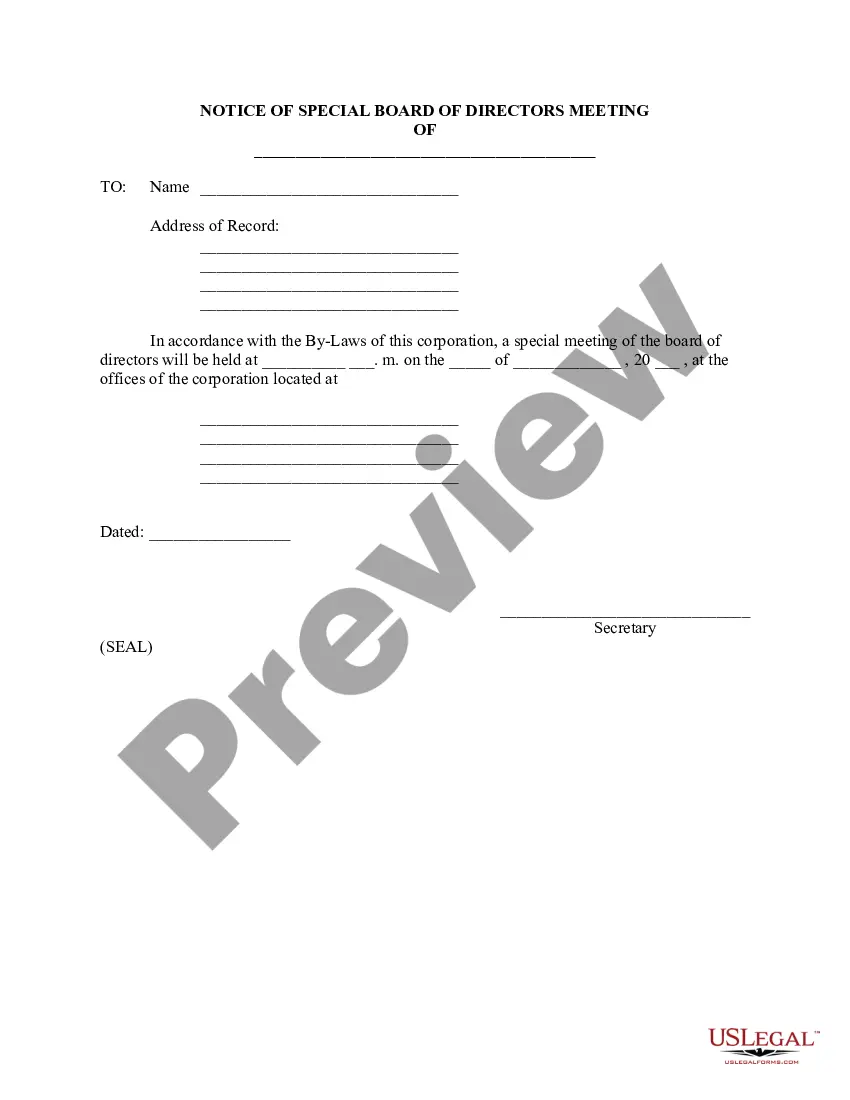
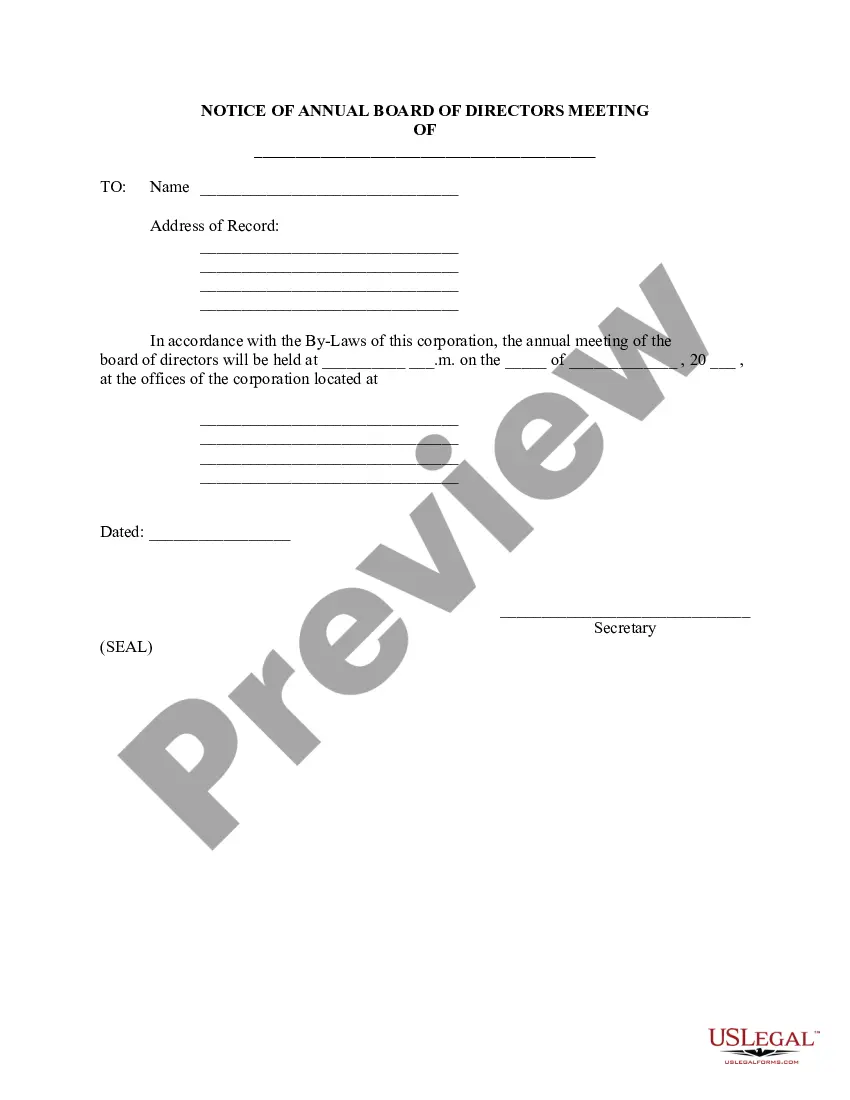
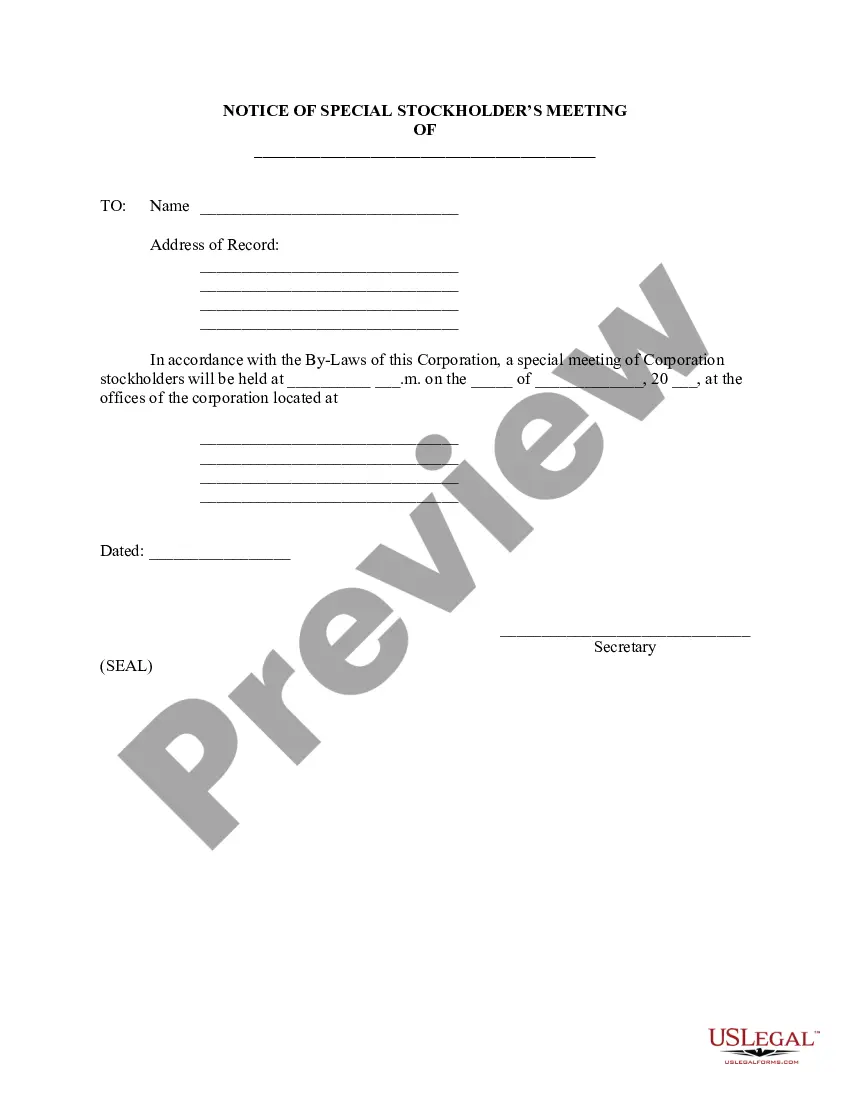
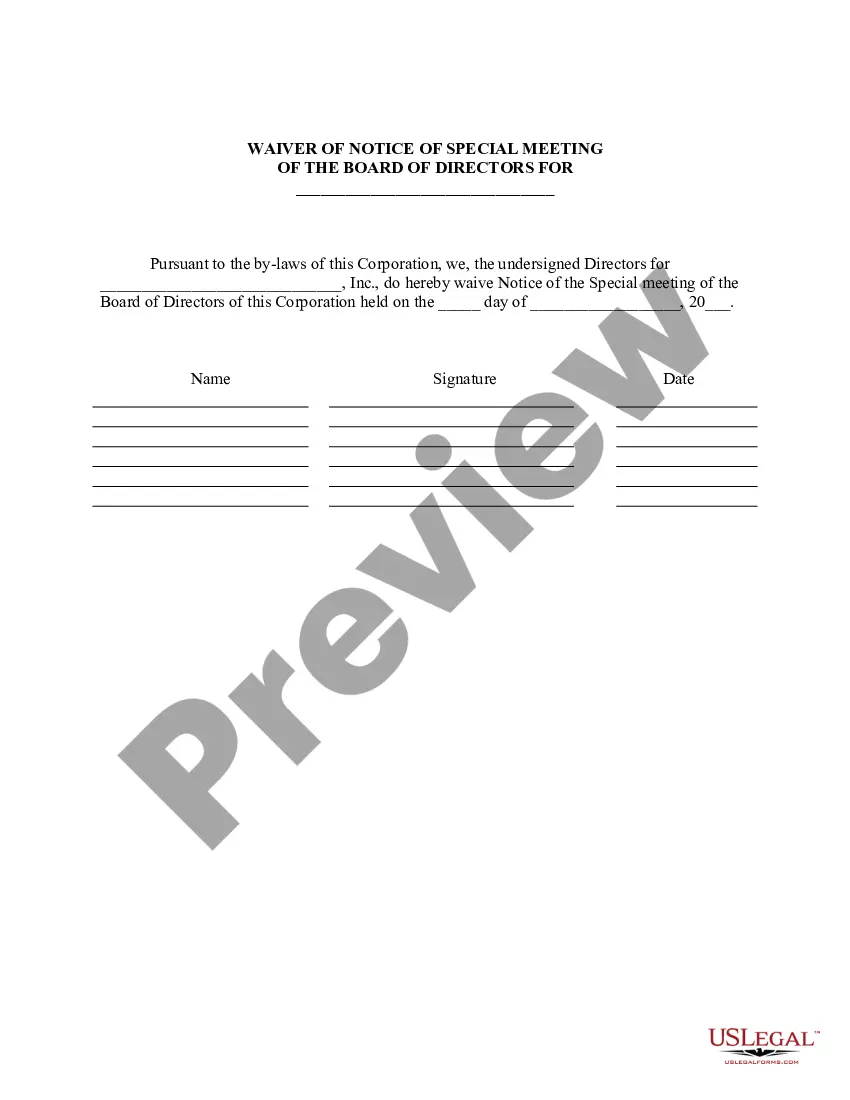
Meeting Notice For Employees In California
Description
Get your form ready online
Our built-in tools help you complete, sign, share, and store your documents in one place.
Make edits, fill in missing information, and update formatting in US Legal Forms—just like you would in MS Word.
Download a copy, print it, send it by email, or mail it via USPS—whatever works best for your next step.
Sign and collect signatures with our SignNow integration. Send to multiple recipients, set reminders, and more. Go Premium to unlock E-Sign.
If this form requires notarization, complete it online through a secure video call—no need to meet a notary in person or wait for an appointment.
We protect your documents and personal data by following strict security and privacy standards.

Make edits, fill in missing information, and update formatting in US Legal Forms—just like you would in MS Word.

Download a copy, print it, send it by email, or mail it via USPS—whatever works best for your next step.

Sign and collect signatures with our SignNow integration. Send to multiple recipients, set reminders, and more. Go Premium to unlock E-Sign.

If this form requires notarization, complete it online through a secure video call—no need to meet a notary in person or wait for an appointment.

We protect your documents and personal data by following strict security and privacy standards.
Looking for another form?
Form popularity
FAQ
Workplace Postings PostingWho Must Post Notice to employees -- injuries caused by work All employers Notice of workers' compensation carrier and coverage All employers Whistleblower protections All employers No smoking signage All employers14 more rows
A new California law bars employers from punishing workers who refuse to attend political, religious or anti-union meetings. Above, striking Starbucks workers picket in Long Beach in 2022. Baristas alleged they were made to attend anti-union meetings.
The seven-minute rule allows employers to round employee time to the nearest quarter-hour. The seven-minute rule is a payroll rule that allows employers to round down employee time of 1-7 minutes. However, employee work time of 8-14 minutes must be rounded up and counted as a quarter-hour of work.
So, as long as you have permission to clock in early from an employer, it's fine.
About the Law: If an employee does work for more than six days in a row, the first eight hours worked on the seventh day must be compensated at 1.5x the normal hourly wage. Any time worked beyond the first eight hours must be compensated at 2x the normal hourly wage.
This allows for the “7 minute rule,” where: the first 7 minutes to the increment, 1 through 7, are rounded down, and. the final 7 minutes, or 8-15, are rounded up.
Common examples of alternative workweek schedules are the 4/10 (employees work four 10-hour days in a workweek) or the 9/80 (employees work 80 hours in nine days over two workweeks). The impetus for proposing an alternative workweek schedule may be based on business needs or on requests from employees.
California labor laws do not require a minimum notice period for schedule changes, but some cities enforce local laws mandating advance notice and penalties for non-compliance.
In California, it is a misdemeanor to record a conversation without the consent of all parties to the conversation, which can lead to fines of up to $2,500 and/or imprisonment for up to a year.