Release Letter Sample With Subject In Virginia
Description

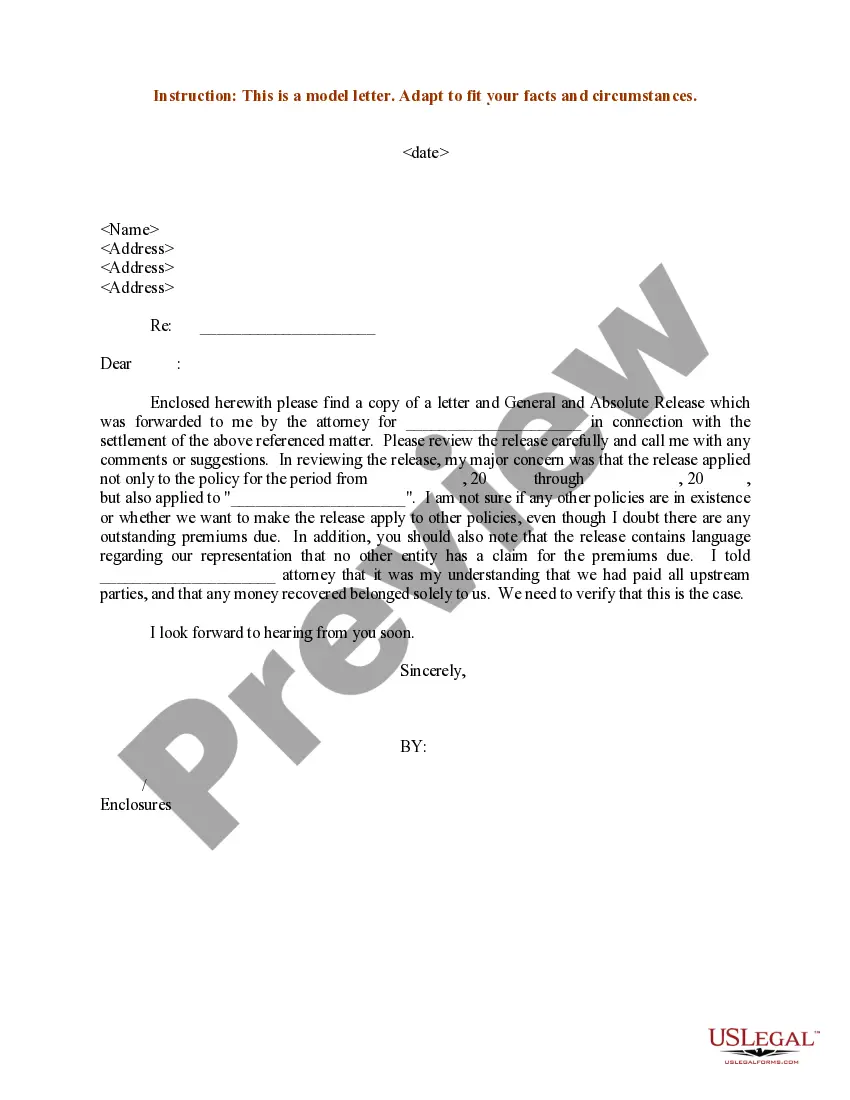
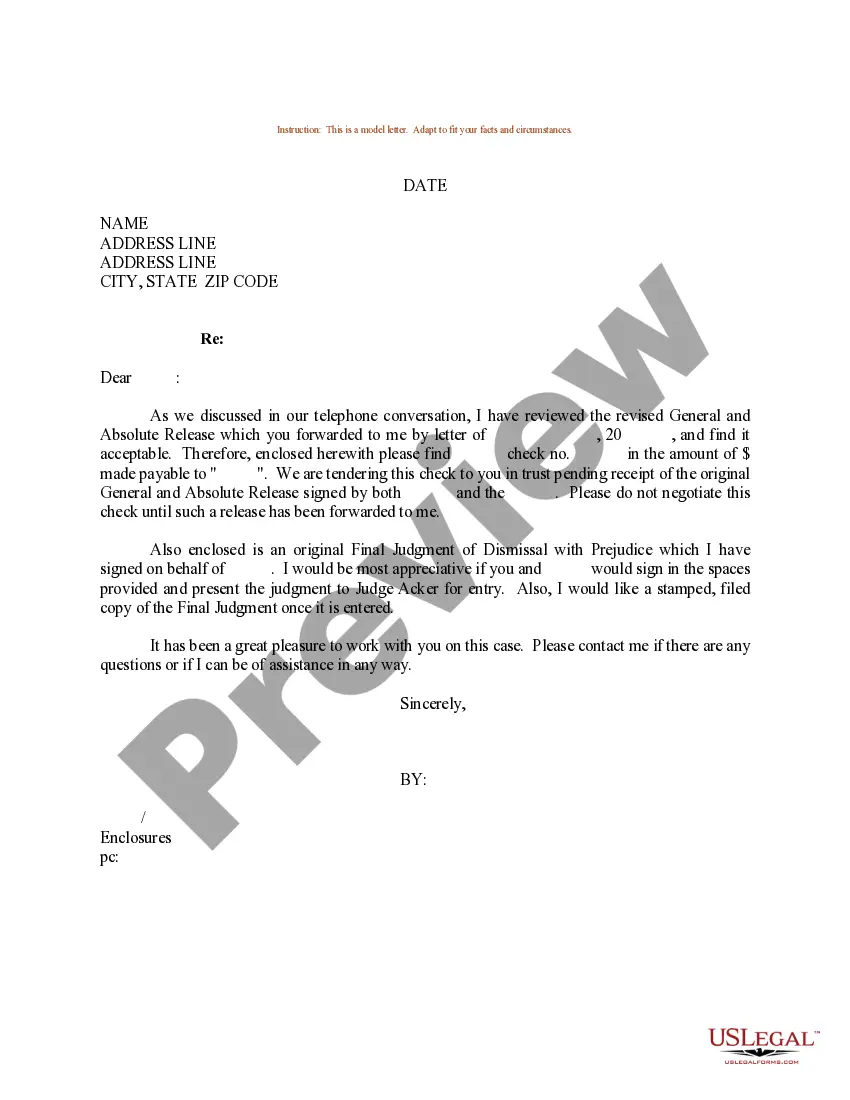
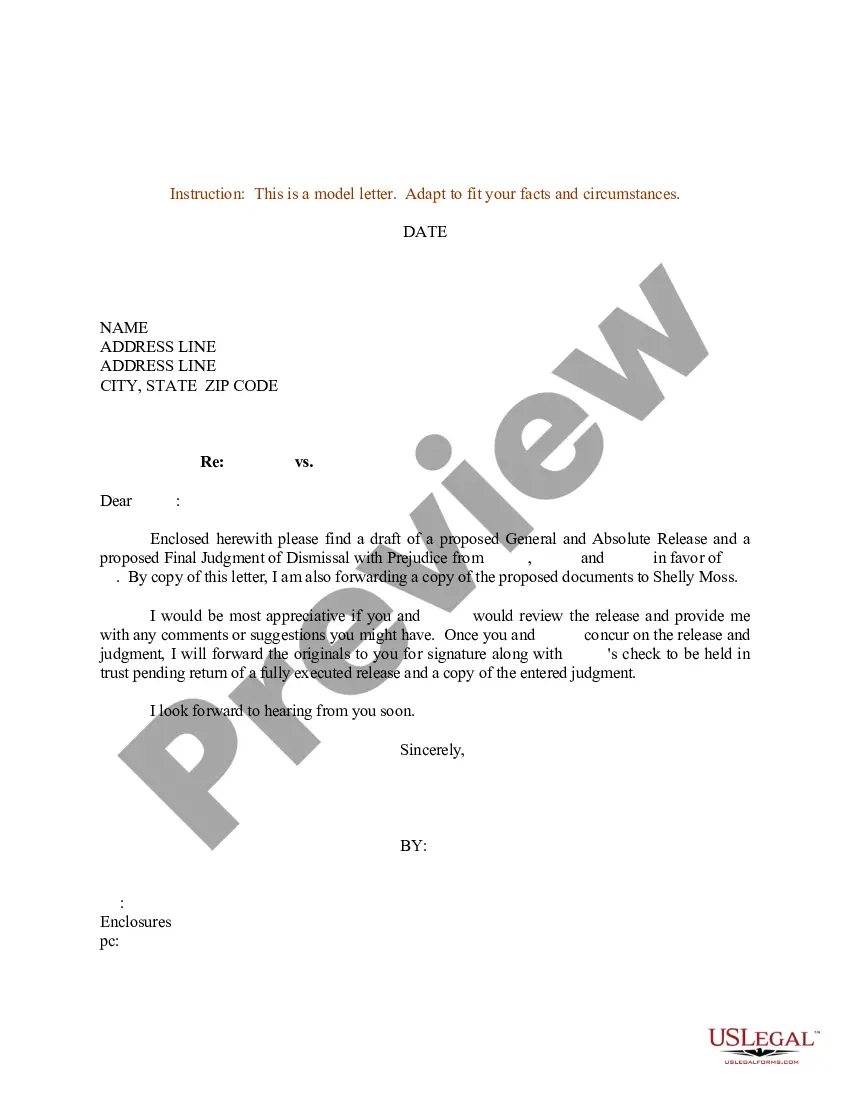
Get your form ready online
Our built-in tools help you complete, sign, share, and store your documents in one place.
Make edits, fill in missing information, and update formatting in US Legal Forms—just like you would in MS Word.
Download a copy, print it, send it by email, or mail it via USPS—whatever works best for your next step.
Sign and collect signatures with our SignNow integration. Send to multiple recipients, set reminders, and more. Go Premium to unlock E-Sign.
If this form requires notarization, complete it online through a secure video call—no need to meet a notary in person or wait for an appointment.
We protect your documents and personal data by following strict security and privacy standards.

Make edits, fill in missing information, and update formatting in US Legal Forms—just like you would in MS Word.

Download a copy, print it, send it by email, or mail it via USPS—whatever works best for your next step.

Sign and collect signatures with our SignNow integration. Send to multiple recipients, set reminders, and more. Go Premium to unlock E-Sign.

If this form requires notarization, complete it online through a secure video call—no need to meet a notary in person or wait for an appointment.

We protect your documents and personal data by following strict security and privacy standards.
Looking for another form?
Form popularity
FAQ
Any person who owns or has any interest in real estate or personal property on which such lien exists may, after twenty days' notice thereof to the person entitled to such lien, apply to the circuit or corporation court of the county or corporation in whose clerk's office such encumbrance is recorded, or to the Circuit ...
You can cancel your deed of trust by getting a deed of surrender in place. This is a legal document which can be used to waive a previous deed or contract between multiple parties. You can't cancel a deed of trust without the consent of all parties named within the deed.
Processing a Release of Deed of Trust Execution: The lender or authorized agent signs the release, and it is notarized as required. Recording: The release is submitted to the county recorder's office for official recording, making it part of the public record.
The Code of Virginia contains several statutes of limitations dealing with the enforcement of a deed of trust. If a deed of trust contains a maturity date, it may be enforced for a period of ten years after the stated maturity date.
Once you have made all your payments and your arrangement has been completed, you will be discharged from the trust deed. At this stage, the debts included will be written off and the companies are no longer able to chase you for payments.
The suit or proceeding must be pending before a competent court of jurisdiction. A right to immovable property is directly or specifically involved in the suit. The suit or proceeding must not be collusive. The property in dispute must be transferred or otherwise dealt with by any party to suit.
A memorandum of lis pendens admitted to record in an action to enforce a zoning ordinance shall expire after 180 days.
One tool often utilized is the filing of a lis pendens, a Latin term meaning "suit pending." In Virginia, the lis pendens memorandum serves as a notice to prospective buyers, lenders, or interested parties that a property is subject to a claim involved in litigation.
Recording with the Circuit Court Clerk: Once drafted, the lis pendens memorandum must be recorded with the Circuit Court Clerk in the jurisdiction where the property is located. Recording ensures that the memorandum becomes part of the public record and is accessible to anyone conducting due diligence on the property.
Filing requirements vary by state, but generally, there are two steps. First, a lawsuit must be filed with the county clerk, and the suit must be pending. Second, the lis pendens must be recorded in the county land records so that it can be attached to the property's title.

