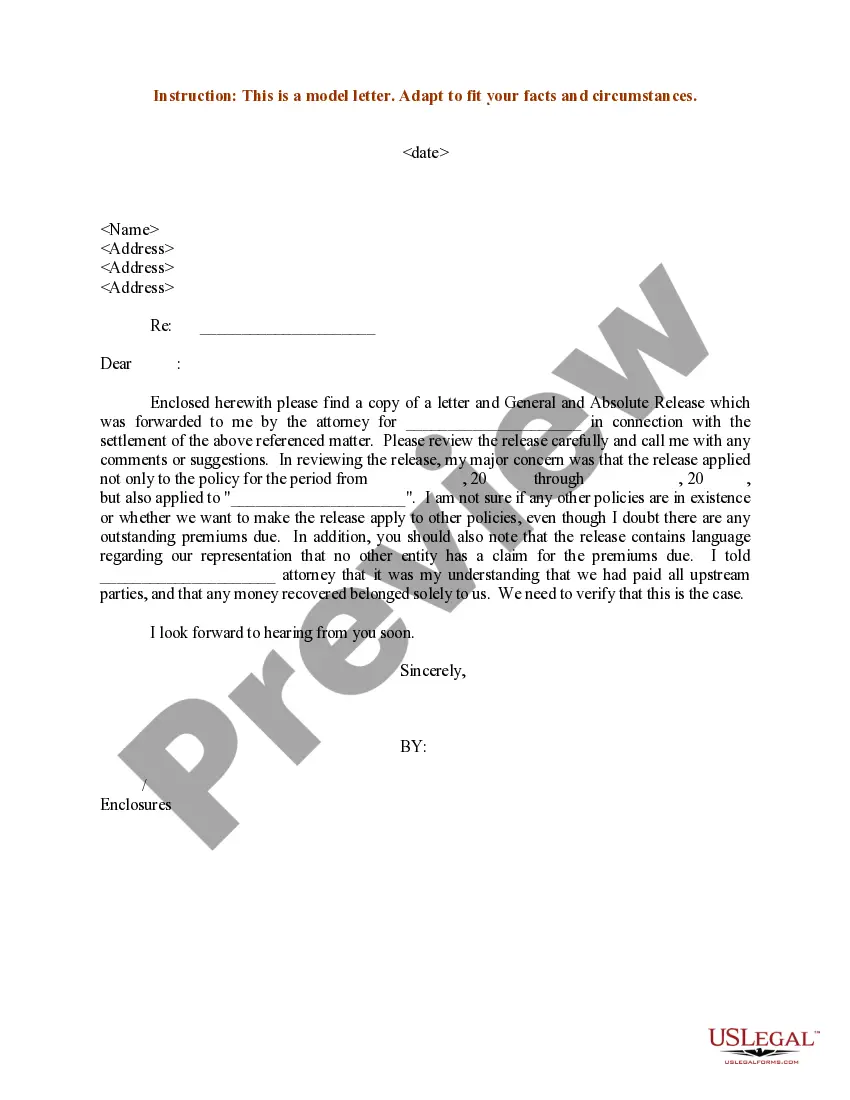
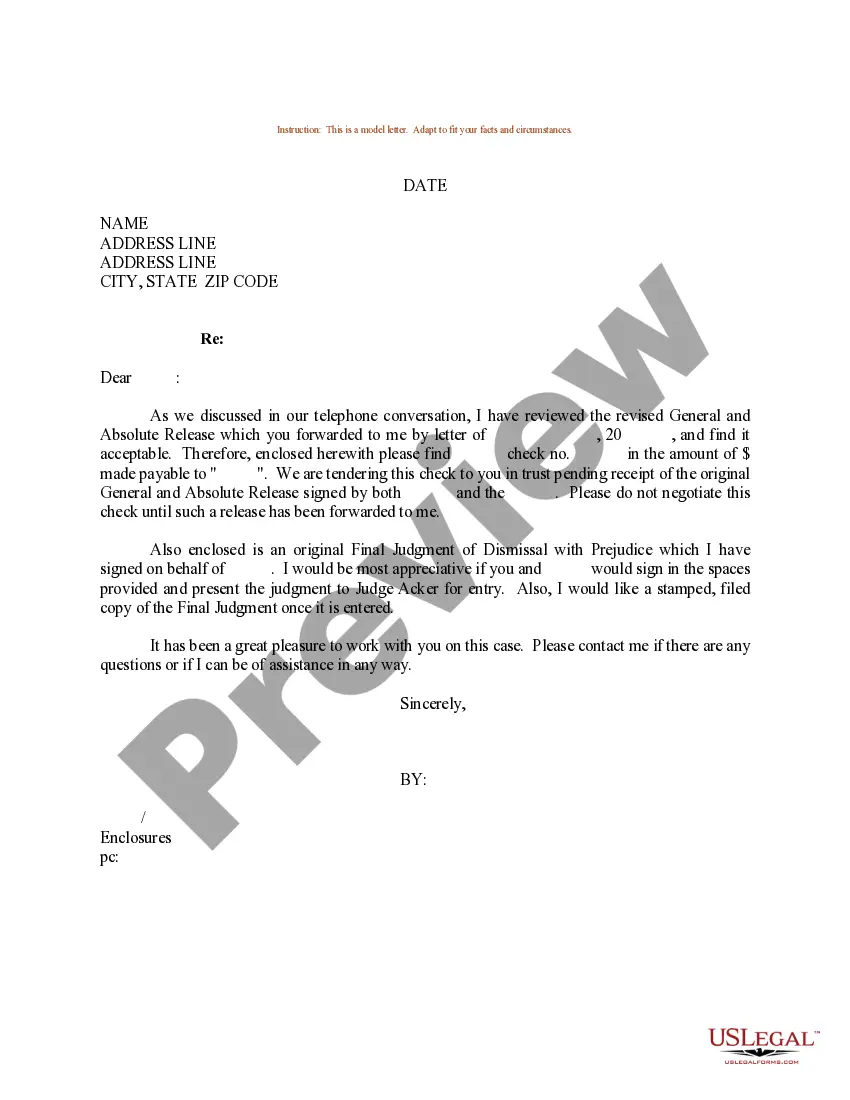
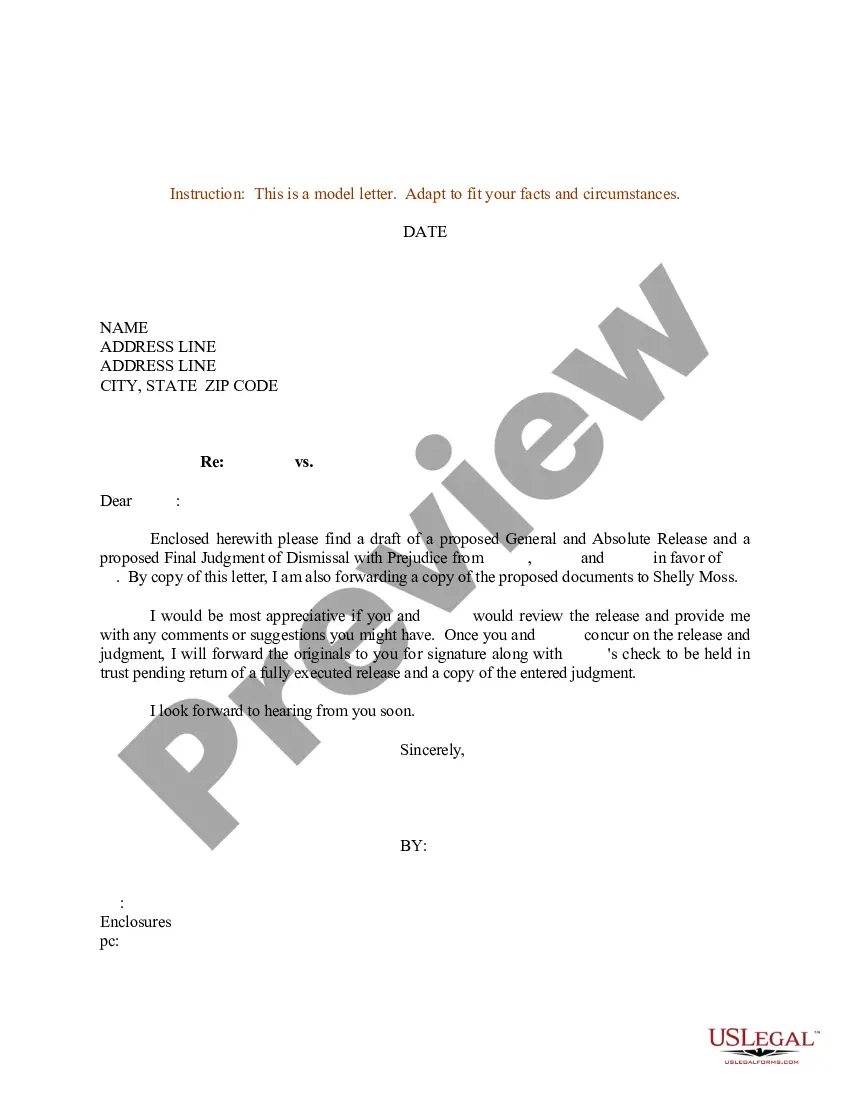
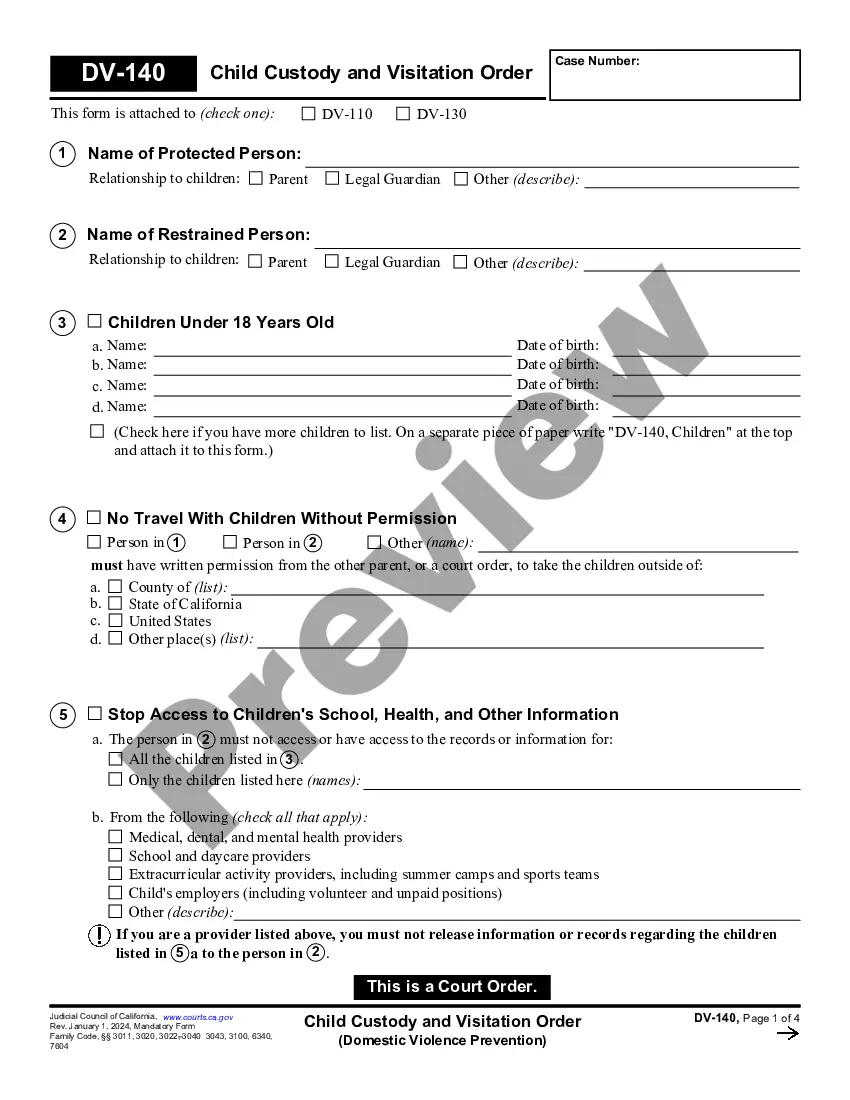
Release Letter Sample With Greetings In San Diego
Description

Get your form ready online
Our built-in tools help you complete, sign, share, and store your documents in one place.
Make edits, fill in missing information, and update formatting in US Legal Forms—just like you would in MS Word.
Download a copy, print it, send it by email, or mail it via USPS—whatever works best for your next step.
Sign and collect signatures with our SignNow integration. Send to multiple recipients, set reminders, and more. Go Premium to unlock E-Sign.
If this form requires notarization, complete it online through a secure video call—no need to meet a notary in person or wait for an appointment.
We protect your documents and personal data by following strict security and privacy standards.

Make edits, fill in missing information, and update formatting in US Legal Forms—just like you would in MS Word.

Download a copy, print it, send it by email, or mail it via USPS—whatever works best for your next step.

Sign and collect signatures with our SignNow integration. Send to multiple recipients, set reminders, and more. Go Premium to unlock E-Sign.

If this form requires notarization, complete it online through a secure video call—no need to meet a notary in person or wait for an appointment.

We protect your documents and personal data by following strict security and privacy standards.
Looking for another form?







Form popularity
FAQ
You can address the recipient by starting with "Dear" followed by a personal title, such as "Mr." or "Ms." If you have the full name of the recipient of your business letter, you can enhance the formal nature of the letter by starting with "Dear" followed by a personal salutation, such as "Dear Ms.
“Dear Name, …” Use this salutation when you're addressing someone or sending business documents such as a cover letter to show your respect, professionalism, and politeness. In this case, you can use “Dear” followed by a person's title (Mr., Ms.) and their last name: “Dear Mr.
The most formal salutation is Dear, title, then the last name. If you're unsure of the person's pronouns, it's a good idea to use Dear First and last name or Dear First name. When you don't know the recipient's name, you can use Hello or Greetings.
The Salutation The salutation (or greeting) in a business letter is always formal. It often begins with “Dear {Person's name}.” Once again, be sure to include the person's title if you know it (such as Ms., Mrs., Mr., or Dr). If you're unsure about the person's title or gender then just use their first name.
When it comes to greetings and commas, there is one general rule that you should follow: place the comma after the greeting but before a person's name. Regardless of what your greeting is, this rule will usually guide you to success.
To formally greet someone in writing, some common options include: ``Dear (Name),'' ``Greetings (Name),'' ``To (Name),'' ``Honourable (Name),'' The choice depends on the level of formality. ``Dear (Name)'' is a standard formal greeting. ``Greetings (Name)'' is slightly more formal.
The standard format is the same: the word “Dear” followed by the person's name, as in “Dear Mr. Lestrade,” using title capitalization. However, informal letters provide more freedom when it comes to what you say in your greeting, and it's not uncommon to see casual greetings like, “Hi Name,” or “Hello Name.”
5 strong greetings (salutations) Dear full name, Greeting the recipient by their full name is best when you haven't previously interacted with them. Dear title and last name, ... Hi first name, ... Dear team, department, or job title, ... Hello,
5 Steps to Prepare a Release Letter Step 1: Format Your Letter. Set up the format of the letter in the standard business format. Step 2: Information About the Release. Step 3: Maintaining the Tone. Step 4: Make it Short and Crisp. Step 5: Logo of the Company and the Name.
Formal Letters always start with Dear ... ( Sir or Madam , Mr Smith ) . It is the accepted form of respect and conventional greeting . Hi is quite OK if you're writing to a friend . How are doing or anything is OK to a friend . Obviously a spoken informal greeting can take any form you like .

