Release With Prejudice For Employees In Pima
Description

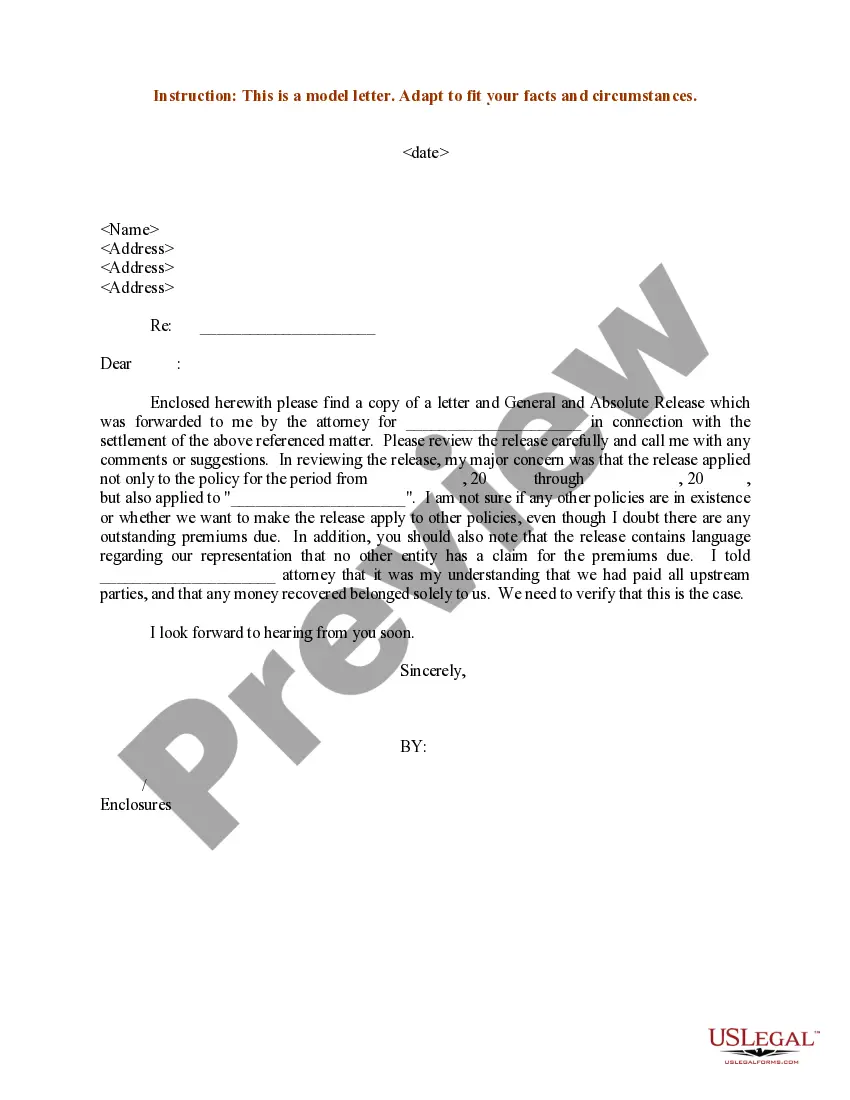
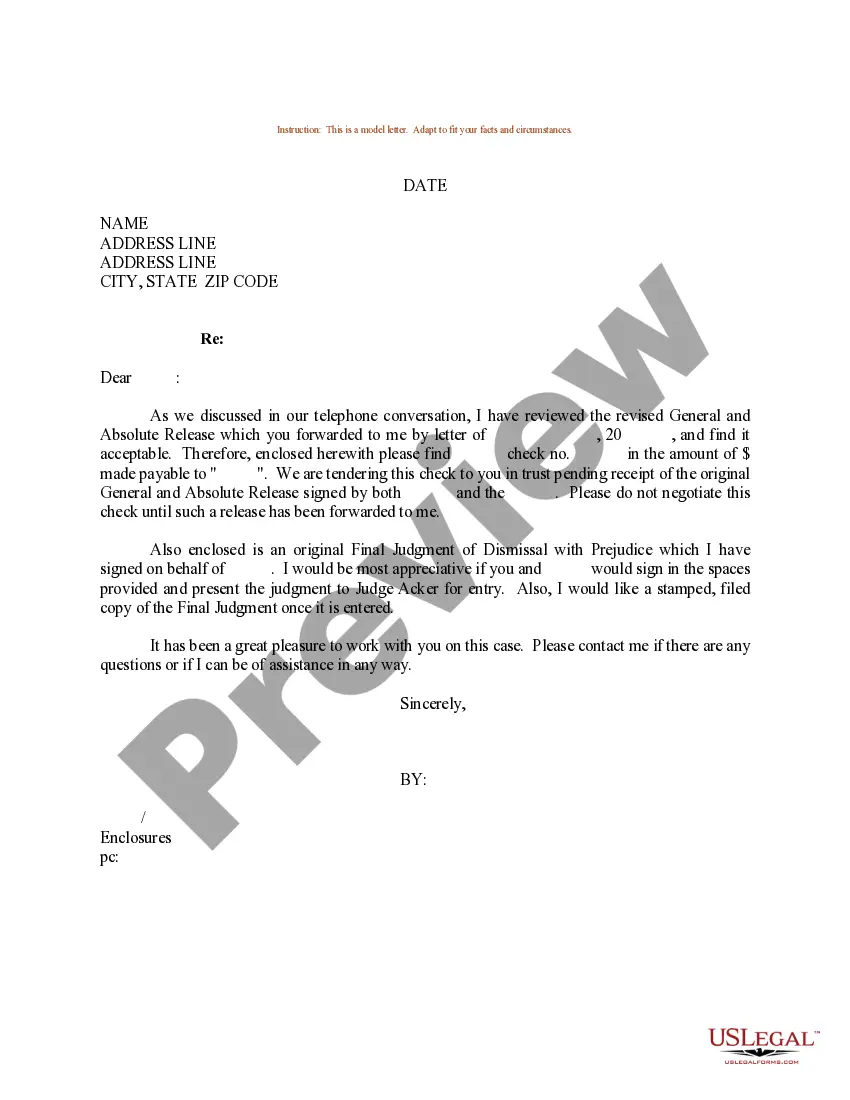
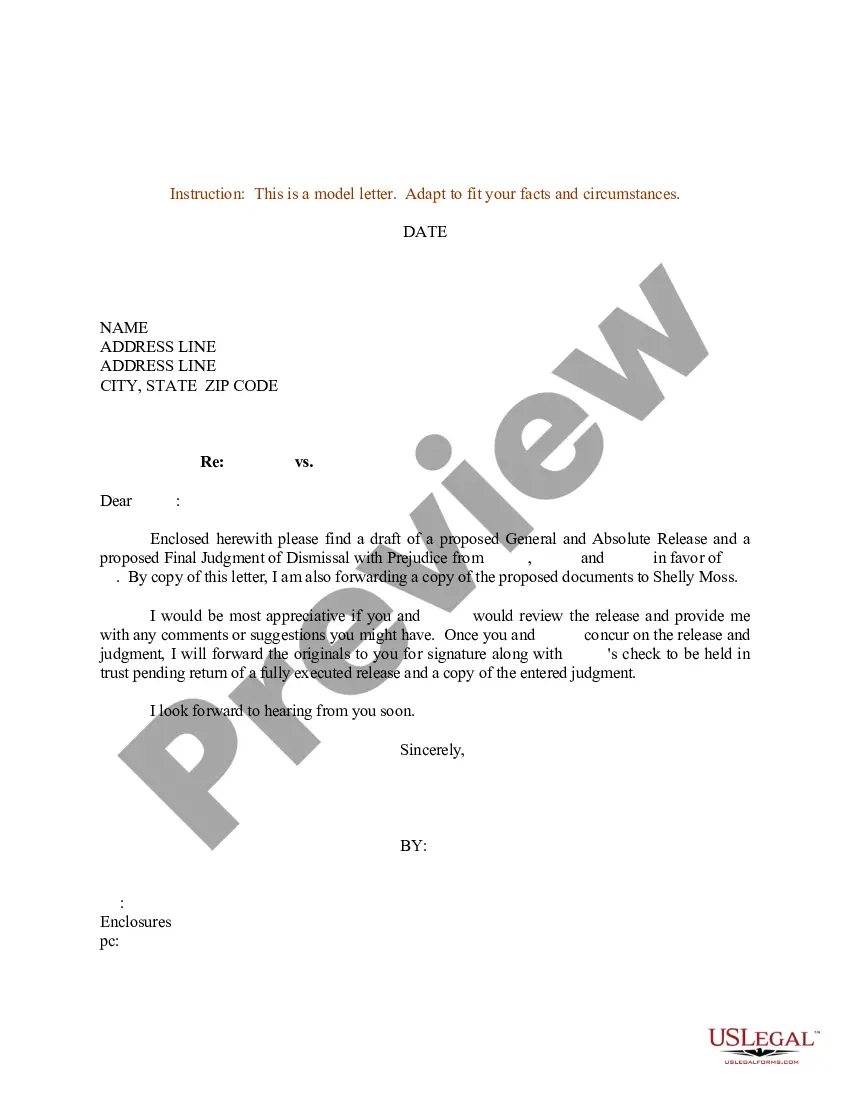
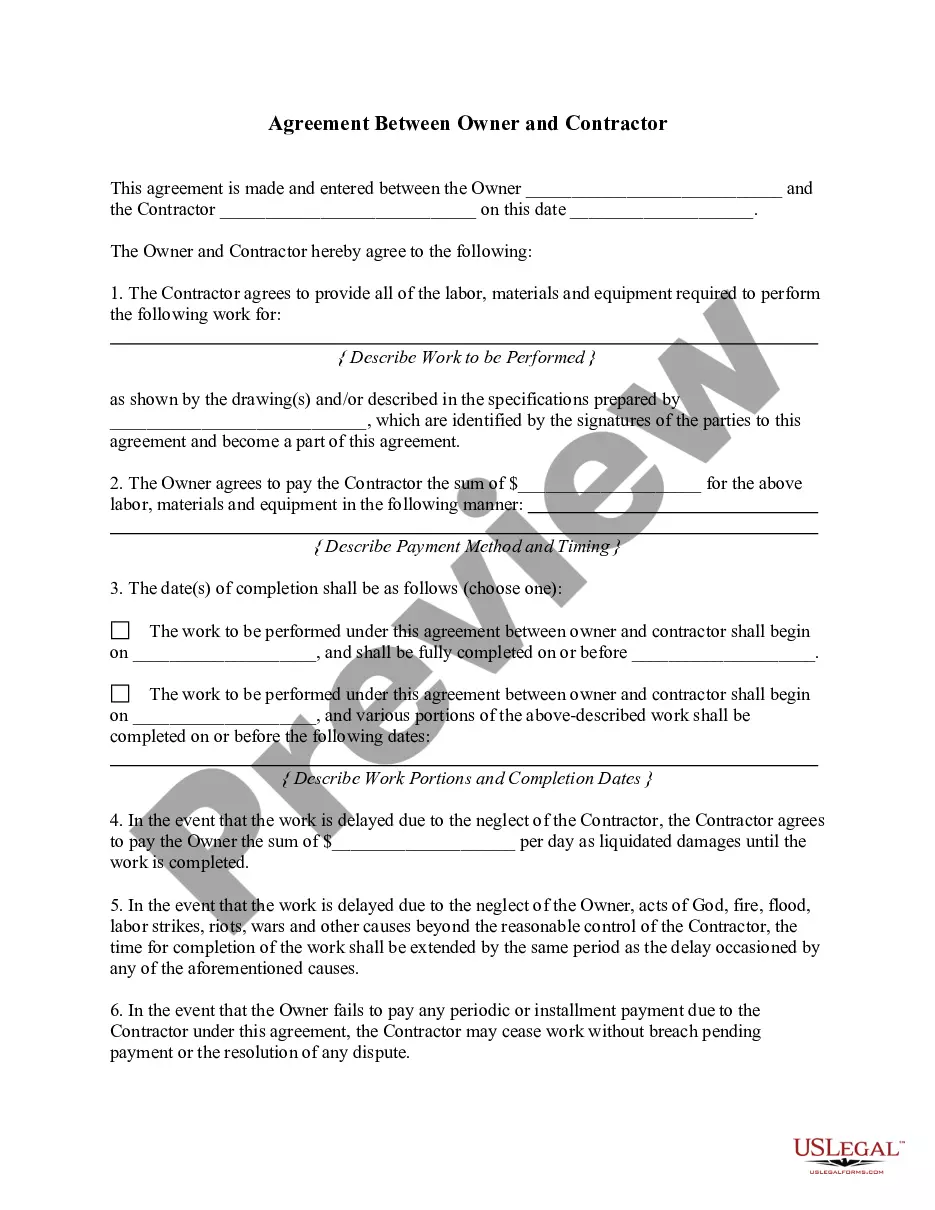
Get your form ready online
Our built-in tools help you complete, sign, share, and store your documents in one place.
Make edits, fill in missing information, and update formatting in US Legal Forms—just like you would in MS Word.
Download a copy, print it, send it by email, or mail it via USPS—whatever works best for your next step.
Sign and collect signatures with our SignNow integration. Send to multiple recipients, set reminders, and more. Go Premium to unlock E-Sign.
If this form requires notarization, complete it online through a secure video call—no need to meet a notary in person or wait for an appointment.
We protect your documents and personal data by following strict security and privacy standards.

Make edits, fill in missing information, and update formatting in US Legal Forms—just like you would in MS Word.

Download a copy, print it, send it by email, or mail it via USPS—whatever works best for your next step.

Sign and collect signatures with our SignNow integration. Send to multiple recipients, set reminders, and more. Go Premium to unlock E-Sign.

If this form requires notarization, complete it online through a secure video call—no need to meet a notary in person or wait for an appointment.

We protect your documents and personal data by following strict security and privacy standards.
Looking for another form?









Form popularity
FAQ
Here are a few reasons not to file a grievance… You should never file a grievance to get back at your boss or try to punish them. Grievances are not tools you use to try and convince your boss to change their ways. Grievances are not ways of harassing a manager by covering him/her with paperwork.
Workplace grievances generally fall into a few key categories: Work conditions. When employees aren't provided with a safe, healthy environment to do their job, they may file a grievance about work conditions. Compensation. Personnel policy. Harassment.
The Three Parts of a Written Grievance State the Grievance Issue Simply. The correct way to write a grievance. State What Part of the Contract, Law, Past Practice etc., Was Violated. State What Remedy the Union is Seeking.
The top three reasons for employee grievances are bullying or harassment (67%), relationships with managers (54%) and relationships with colleagues (49%).
As seen above the list of grievances are numerous, but four central topics stand above the rest: taxes, violations of the rights of the accused, forcibly quartering British soldiers in the homes of the colonists, and taking undue powers onto himself.
Three Types of Grievances Individual grievance. One person grieves that a management action has violated their rights under the collective agreement. Group grievance. A group grievance complains that management action has hurt a group of individuals in the same way. Policy or Union grievance.
What if you are dissatisfied with some other aspect of your employment or working conditions? As an employee, you have the right to file a grievance for relief. To do so, you should discuss your concern with your employee relations specialist in your servicing human resource office.
Employers of five or more are subject to the FEHA's prohibition against employment discrimination. Harassment is prohibited in all workplaces, even those with only one employee or independent contractor on staff. “Employer” does not include the federal government or a non-profit religious association or corporation.
The Arizona Civil Rights Act (ACRA) provides protections similar to those provided under federal law. The ACRA covers employers with 15 or more employees and prohibits employment discrimination based on protected characteristics including: Race. Color.
“Constructive discharge” occurs when an employer makes working conditions so difficult, unpleasant, or outrageous that an employee is forced to quit. Arizona law prohibits employers from constructively discharging employees. A.R.S. § 23-1502.

