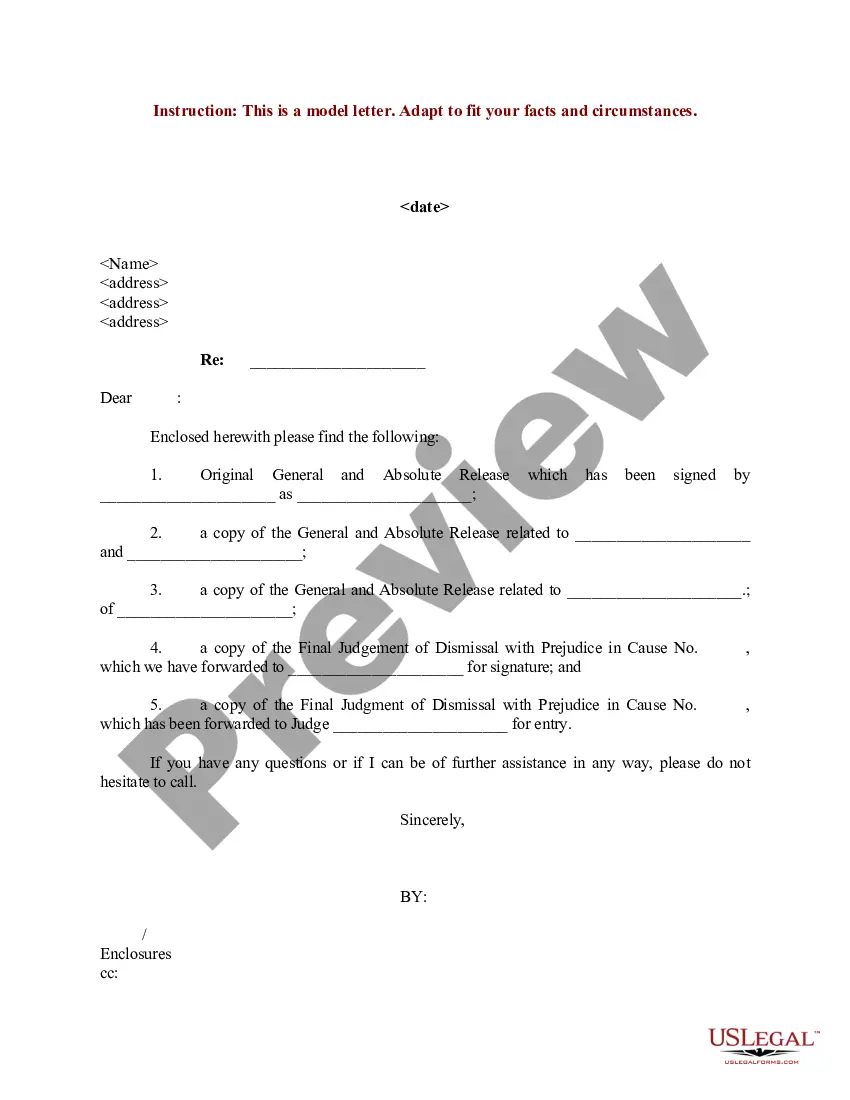
Release With Prejudice Without A Lawyer In Philadelphia
Description

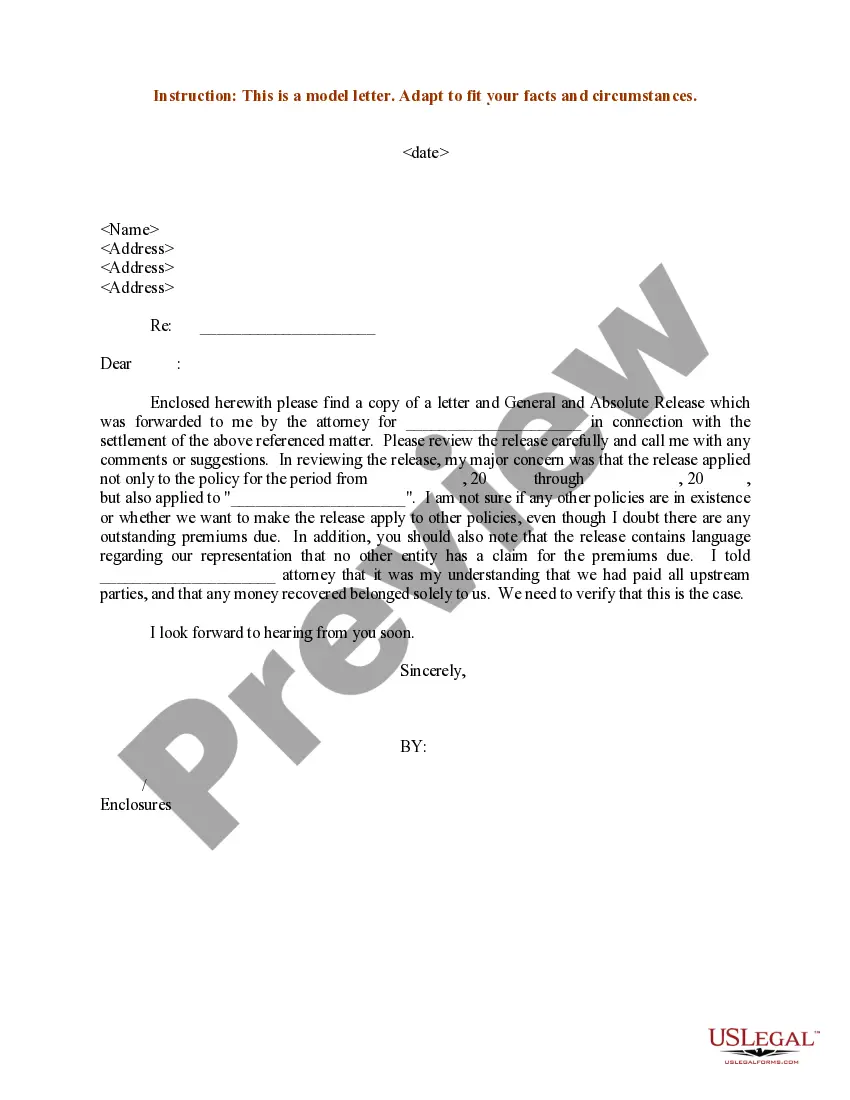
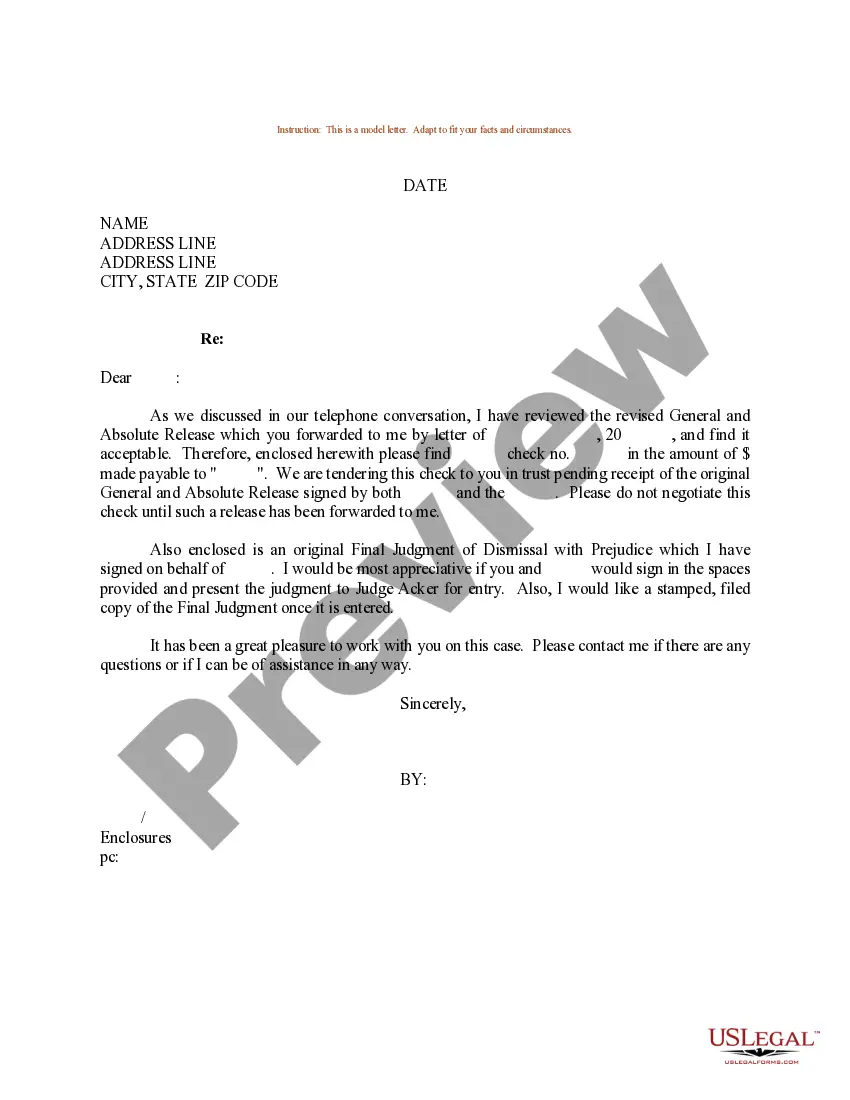
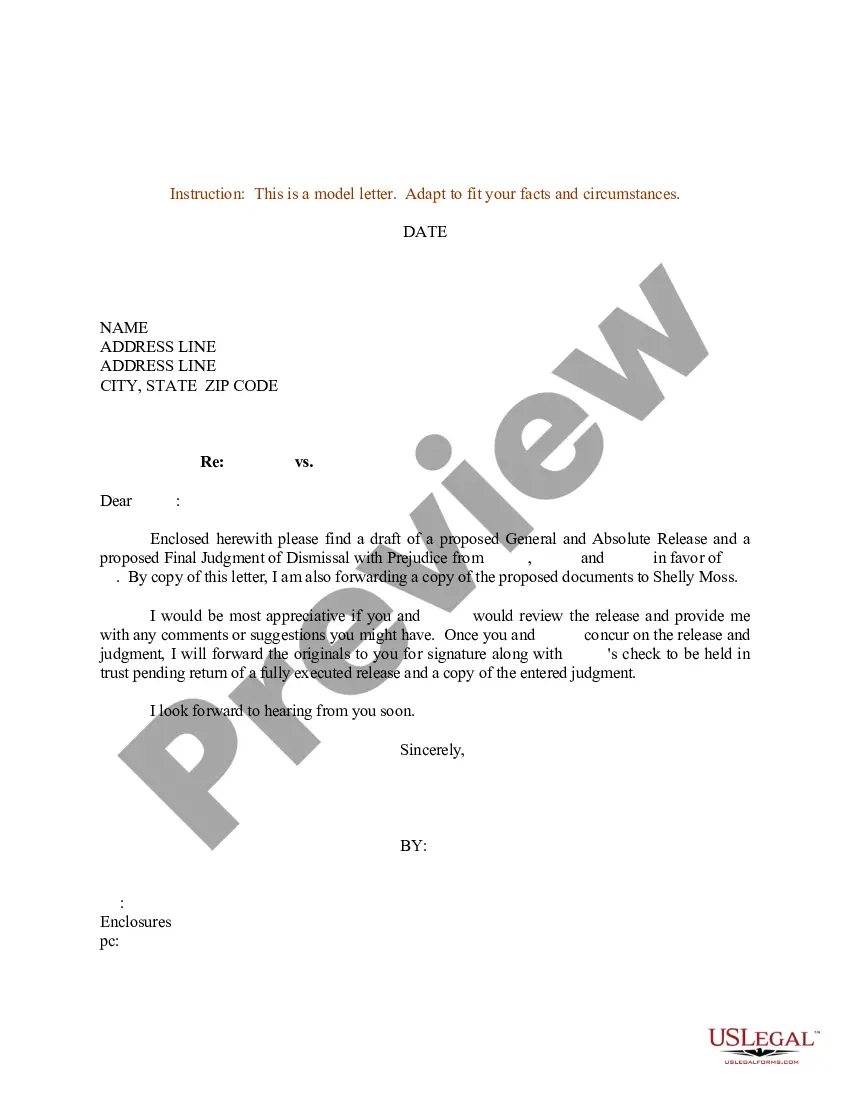
Get your form ready online
Our built-in tools help you complete, sign, share, and store your documents in one place.
Make edits, fill in missing information, and update formatting in US Legal Forms—just like you would in MS Word.
Download a copy, print it, send it by email, or mail it via USPS—whatever works best for your next step.
Sign and collect signatures with our SignNow integration. Send to multiple recipients, set reminders, and more. Go Premium to unlock E-Sign.
If this form requires notarization, complete it online through a secure video call—no need to meet a notary in person or wait for an appointment.
We protect your documents and personal data by following strict security and privacy standards.

Make edits, fill in missing information, and update formatting in US Legal Forms—just like you would in MS Word.

Download a copy, print it, send it by email, or mail it via USPS—whatever works best for your next step.

Sign and collect signatures with our SignNow integration. Send to multiple recipients, set reminders, and more. Go Premium to unlock E-Sign.

If this form requires notarization, complete it online through a secure video call—no need to meet a notary in person or wait for an appointment.

We protect your documents and personal data by following strict security and privacy standards.
Looking for another form?







Form popularity
FAQ
District Courts may dismiss with prejudice where the plaintiff acted irresponsibly or in bad faith, or where rehearing the claim would burden the court system.
California employs a "no-drop" policy for domestic violence cases, meaning the prosecution can continue even if the victim expresses a desire to drop charges. This policy underscores the state's commitment to addressing and mitigating domestic violence comprehensively.
Criminal Case: If it's a criminal matter, it's crucial to have legal representation. In many jurisdictions, if you cannot afford an attorney, the court will appoint a public defender for you. Civil Case: For civil matters, while legal representation is highly recommended, it's not always mandatory.
You are a defendant in a criminal case – As an extension of the Fifth Amendment, any criminal defendant cannot be forced to testify in a courtroom. You should definitely consult with an experienced federal criminal defense lawyer for San Francisco, CA.
If a person fails to appear before a court, a warrant may be issued for their arrest. This warrant may be executed by law enforcement officers who will then bring the person before the court. Additionally, the court may impose penalties for failing to appear, such as fines or even jail time.
If you're being forced to go to trial without representation, this could be a violation of your Sixth Amendment right to an attorney. You should raise this issue with the court immediately. If you are unable to afford an attorney, the court should appoint one for you.
Whereas a case that is dismissed “with prejudice” is dismissed permanently, a case that is dismissed “without prejudice” is only dismissed temporarily. This temporary dismissal means that the plaintiff is allowed to re-file charges, alter the claim, or bring the case to another court.
Dismissal without prejudice is a legal term indicating that charges have been dismissed but can be refiled at some point. Charges may be dismissed without prejudice at the prosecutor's request, or they may be dismissed at the judge's discretion.
Dismissal without prejudice means that the judge dismissed the plaintiff's or prosecutor's case without damaging their right to have their matter heard in court later. A prosecutor may ask to withdraw the case against a person to have more time to make a case stronger, find more evidence or question other witnesses.
A case dismissed with prejudice is over and done with, once and for all, and can't be brought back to court. A case dismissed without prejudice means the opposite. It's not dismissed forever. The person whose case it is can try again.