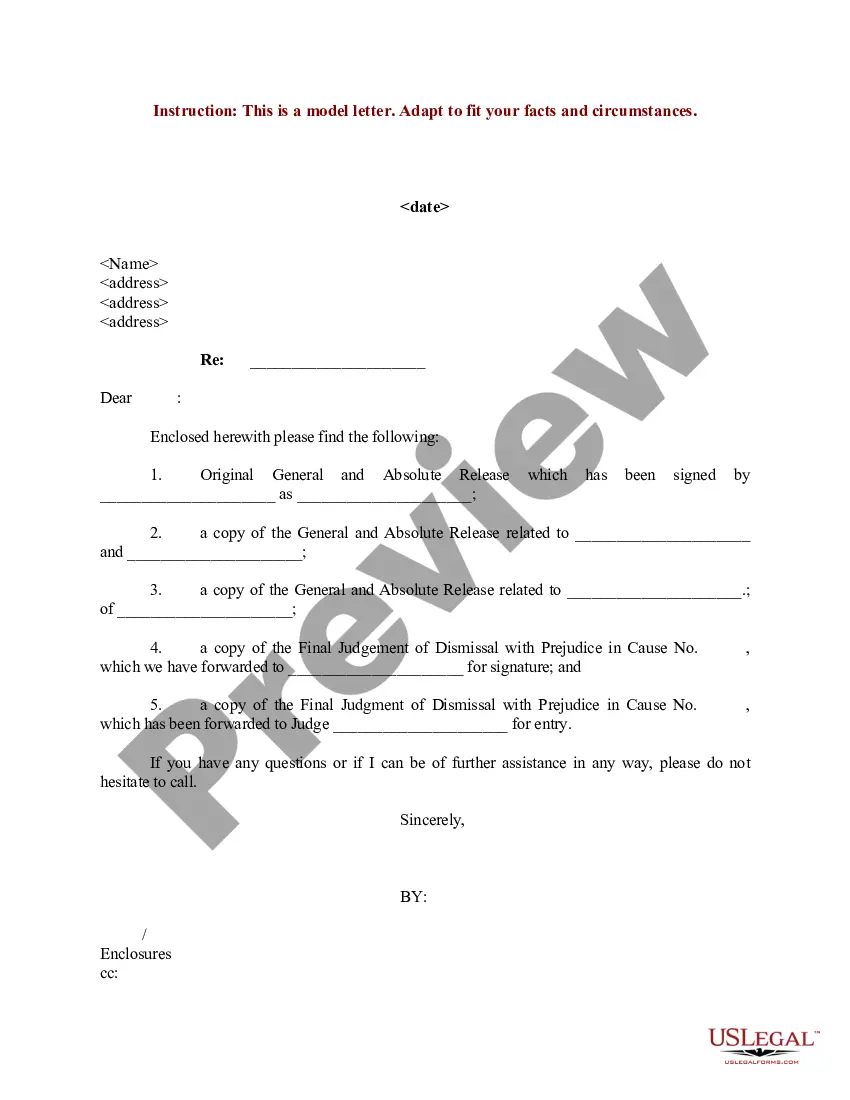
Release With Prejudice For Employees In Michigan
Description

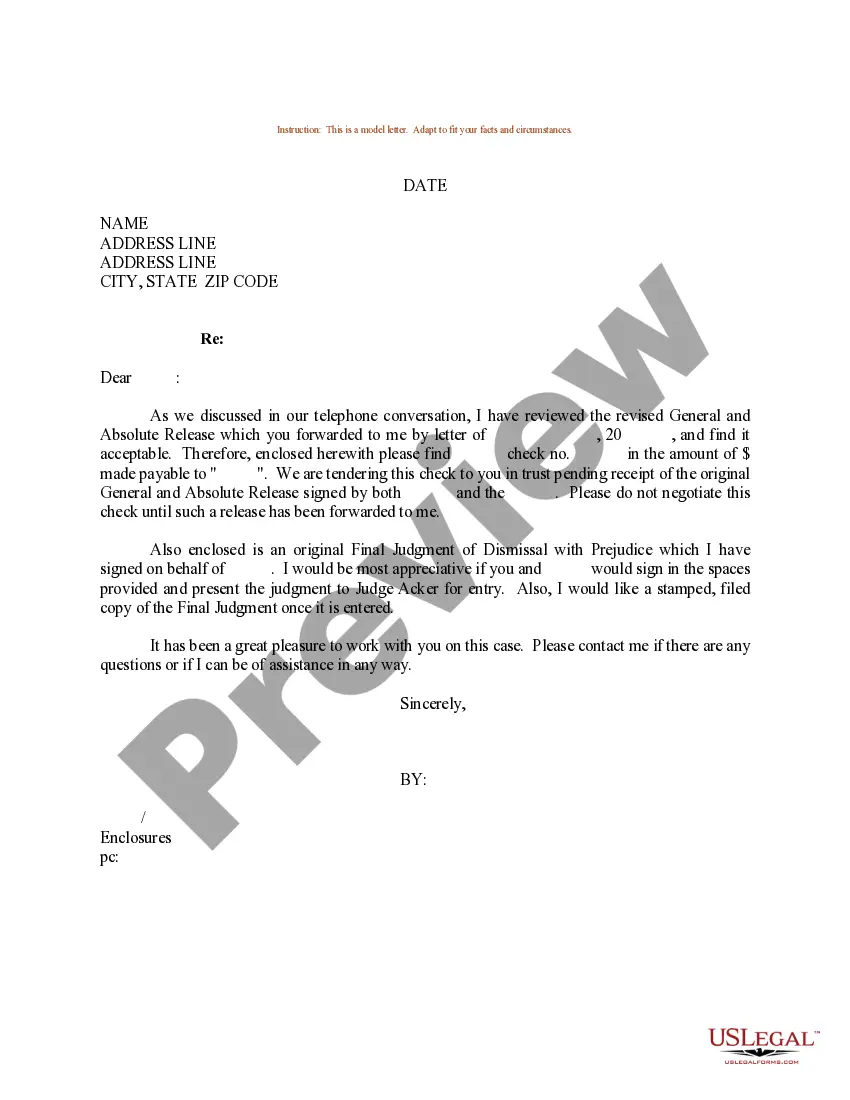
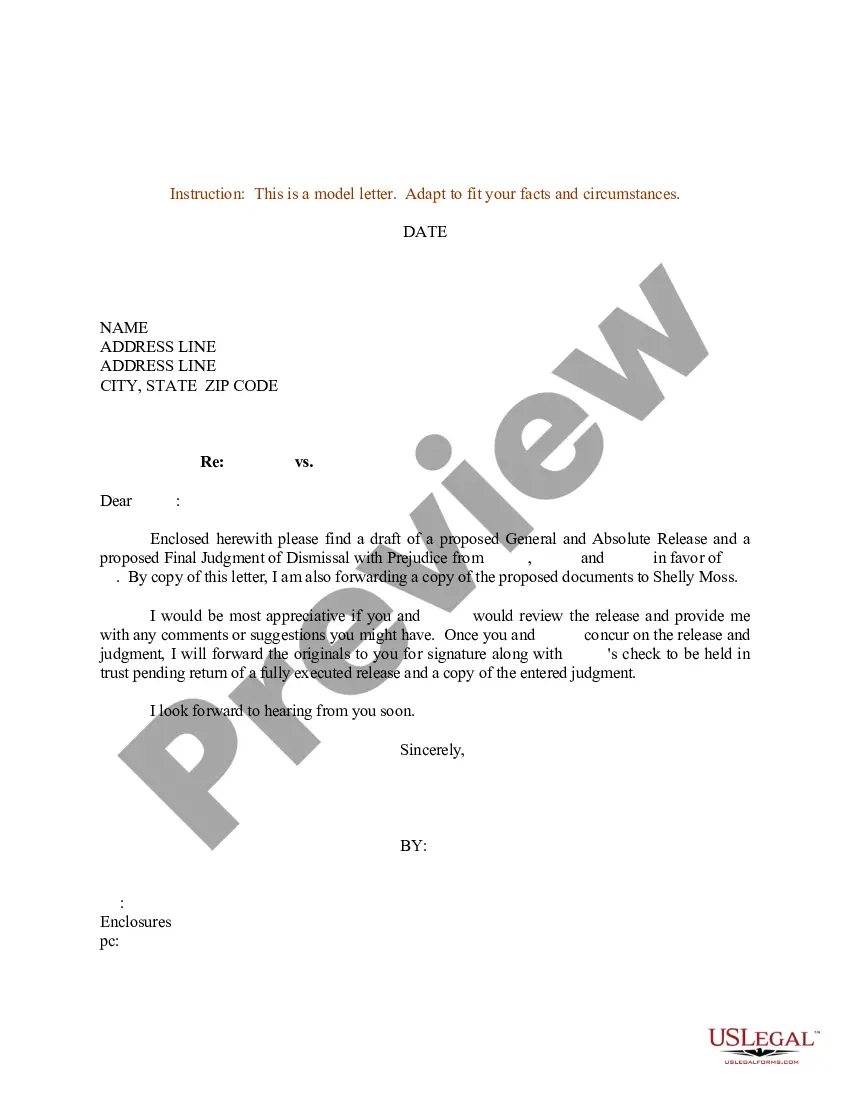
Get your form ready online
Our built-in tools help you complete, sign, share, and store your documents in one place.
Make edits, fill in missing information, and update formatting in US Legal Forms—just like you would in MS Word.
Download a copy, print it, send it by email, or mail it via USPS—whatever works best for your next step.
Sign and collect signatures with our SignNow integration. Send to multiple recipients, set reminders, and more. Go Premium to unlock E-Sign.
If this form requires notarization, complete it online through a secure video call—no need to meet a notary in person or wait for an appointment.
We protect your documents and personal data by following strict security and privacy standards.

Make edits, fill in missing information, and update formatting in US Legal Forms—just like you would in MS Word.

Download a copy, print it, send it by email, or mail it via USPS—whatever works best for your next step.

Sign and collect signatures with our SignNow integration. Send to multiple recipients, set reminders, and more. Go Premium to unlock E-Sign.

If this form requires notarization, complete it online through a secure video call—no need to meet a notary in person or wait for an appointment.

We protect your documents and personal data by following strict security and privacy standards.
Looking for another form?

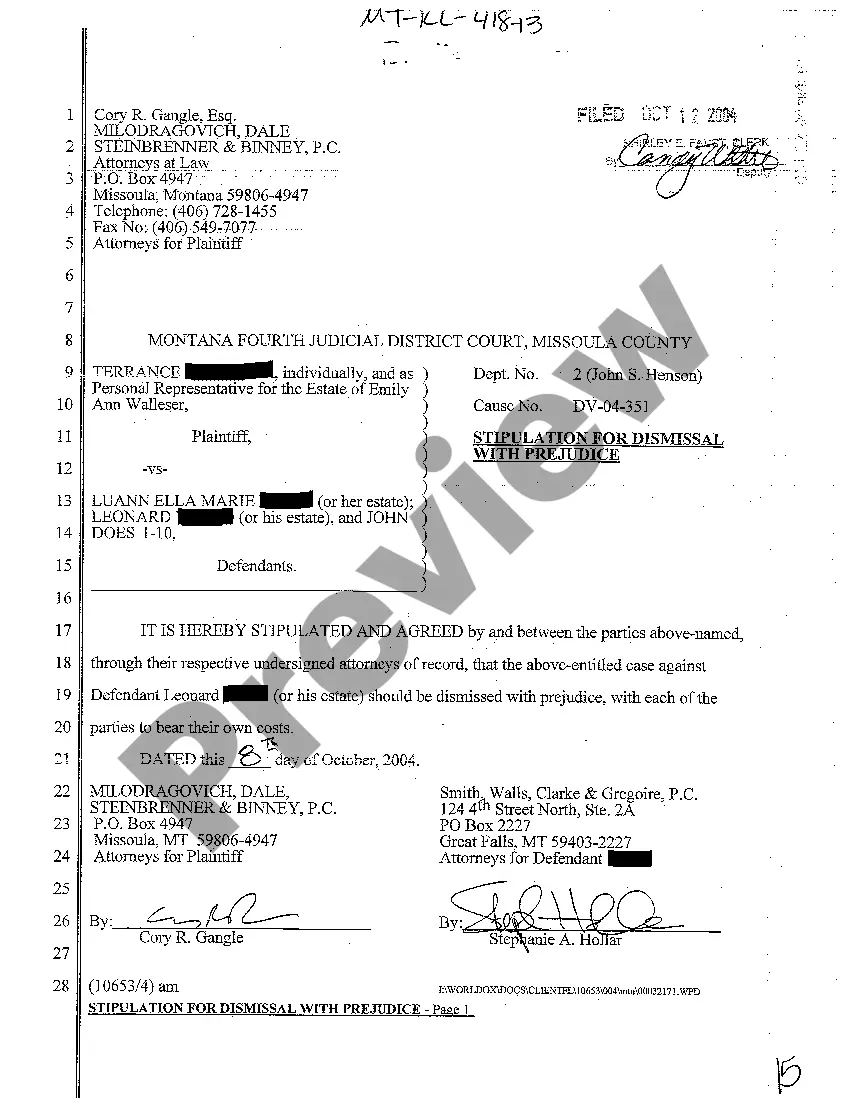
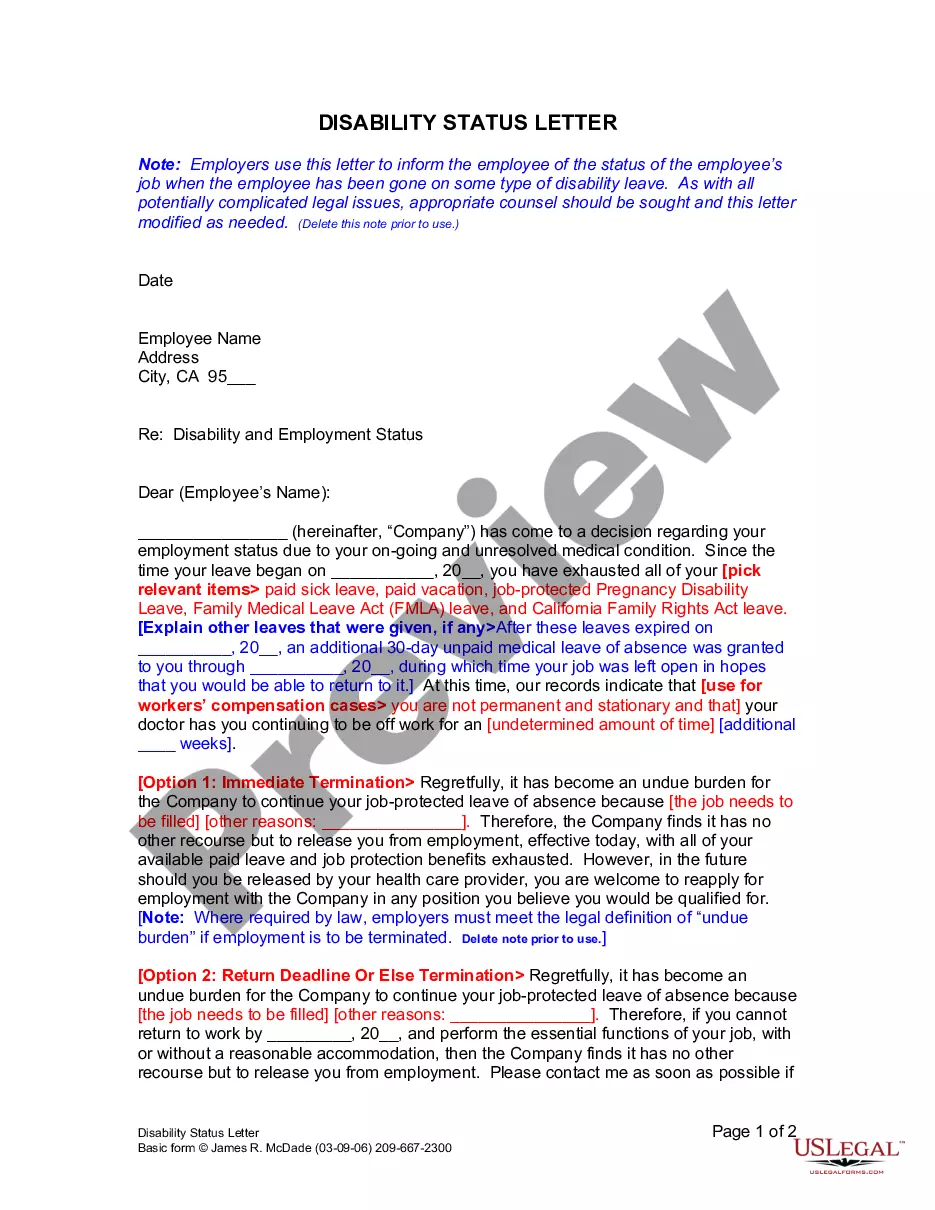



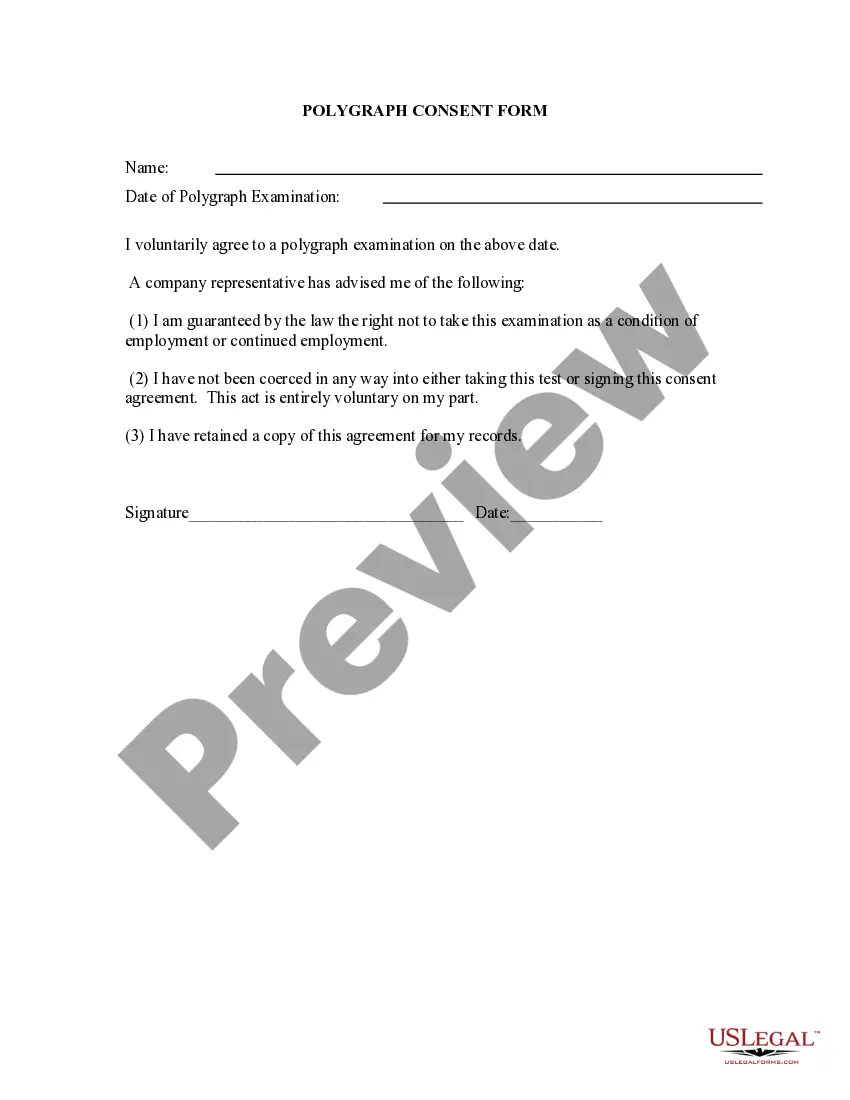

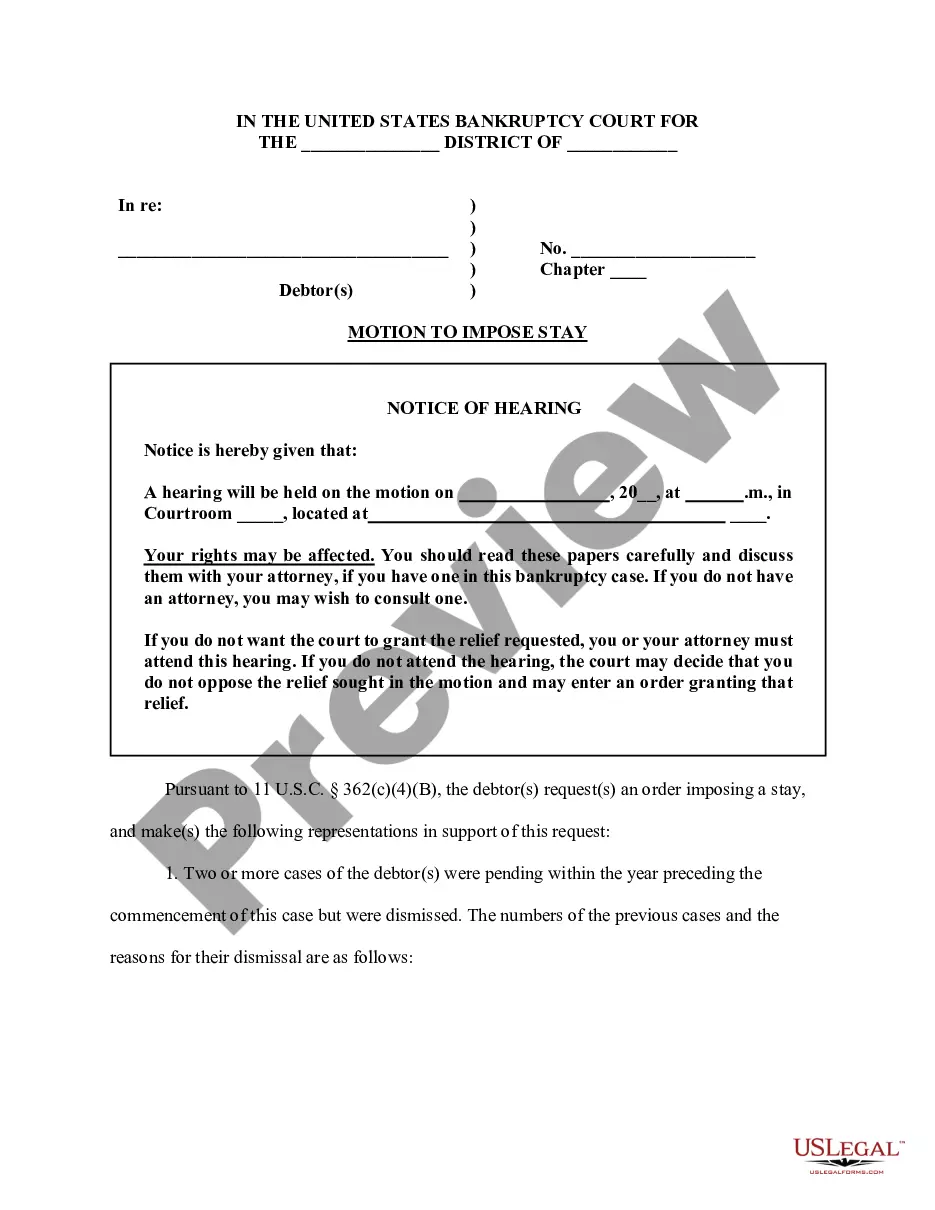
Form popularity
FAQ
The elements generally applicable to all intentional discrimination claims are: 1.) the employee or applicant is a member of the protected class; 2.) the employee or applicant suffered an adverse action; and 3.) the adverse action was because of the employee or applicant's protected status.
File a discrimination lawsuit You can sue an employer for discrimination. If the lawsuit is based on a federal law, you must file a complaint with the EEOC first. After you file a report with the EEOC, learn how to get legal aid or find a lawyer.
Report discrimination to your local government Report discrimination to a local Fair Employment Practices Agency (FEPA). If the discrimination breaks both a state and federal law, the FEPA will also send your complaint to the EEOC. Use the EEOC's directory of field offices to find the FEPA near you.
Michigan has laws that provide greater protections to employees than federal law, including broader antidiscrimination protections and disability accommodation rights and a higher minimum wage, but generally follows federal law with respect to topics such as leaves of absence and occupational safety.
5 Steps in Reporting and Proving a Hostile Work Environment Document and gather evidence. Use the company's internal complaint process. Reach out to witnesses and other victims. Seek legal advice. Arm yourself with knowledge of the laws that apply.
For instance, if an employer fires an employee for refusing to engage in an illegal activity or for fulfilling a legal obligation, such as reporting workplace safety violations or participating in a lawful investigation, it can constitute wrongful termination.
Harassment that is based on a characteristic protected by the law is prohibited by federal and Michigan statutes. To be successful on a hostile work environment claim, an employee must prove: 1.) the employee belonged to a protected class; 2.) the employee was subjected to unwelcomed harassment; 3.)
In Michigan, though you can sue your employer for emotional distress, claims for stress and anxiety are difficult to prove and the end result may not be what you expect. Nobody really knows what an employee is thinking or feeling. There is no test showing whether someone cannot work due to emotional distress.
To have a boss that yells or makes employees cry is not an uncommon phenomenon in the United States, and the law does not prevent it–except when the motivation is discriminatory. A hostile work environment, in the legal sense, is a workplace made hostile because of a person's gender, race, and/or disability.
Below are ten types of discrimination. Age discrimination. Disability. Gender/sexual orientation. Gender identity/gender expression. Genetic information. Military status/military obligations. National origin. Religion.