Release With Prejudice With Meaning In Bronx
Description

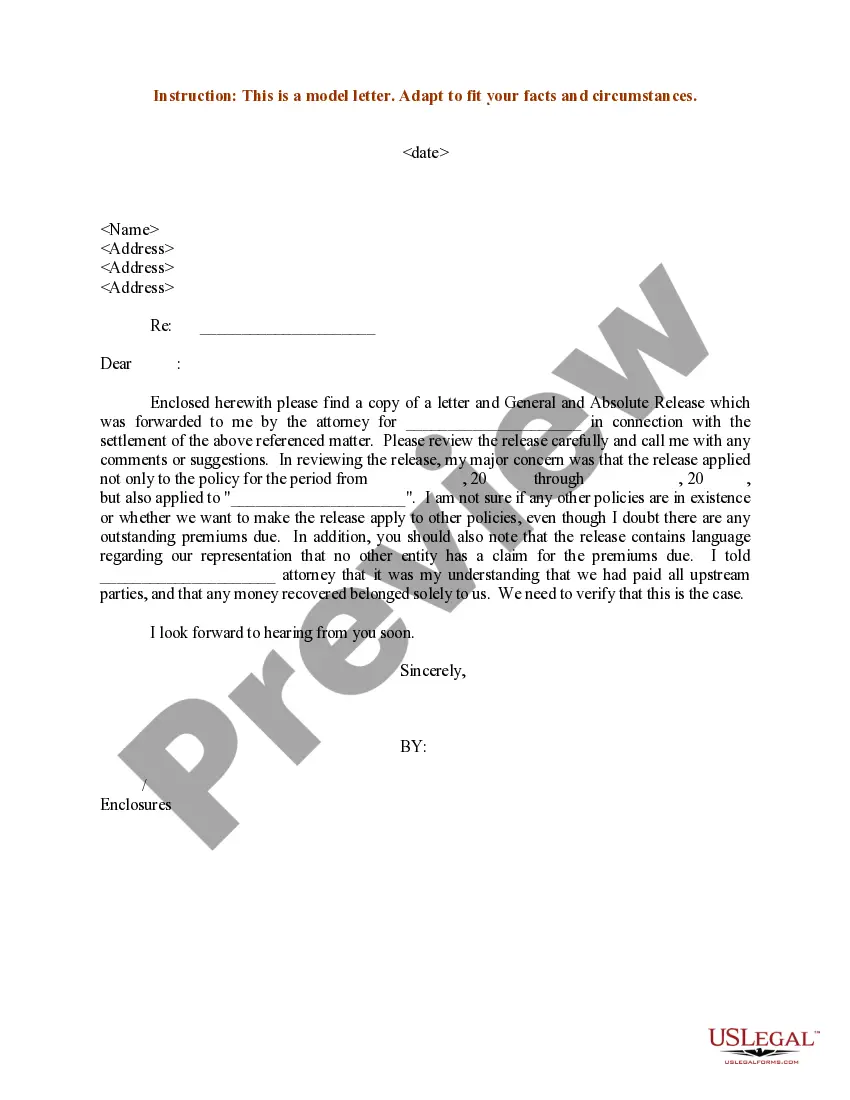
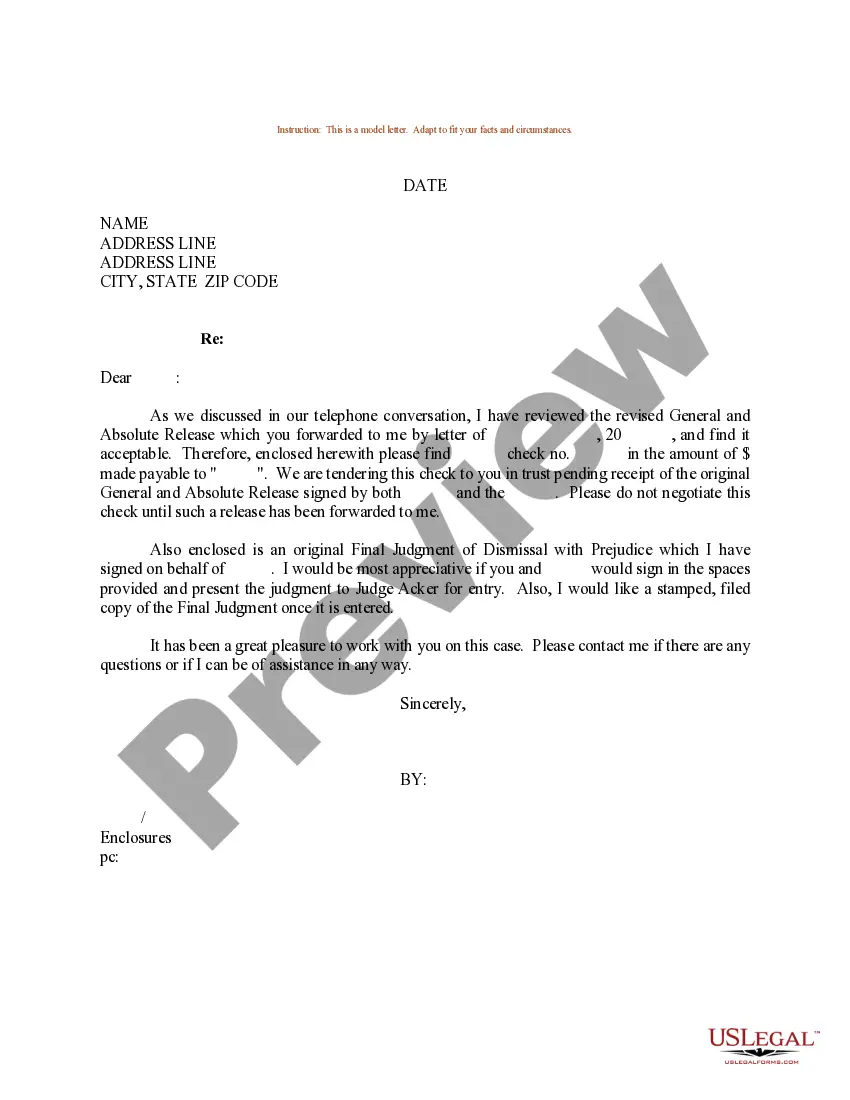
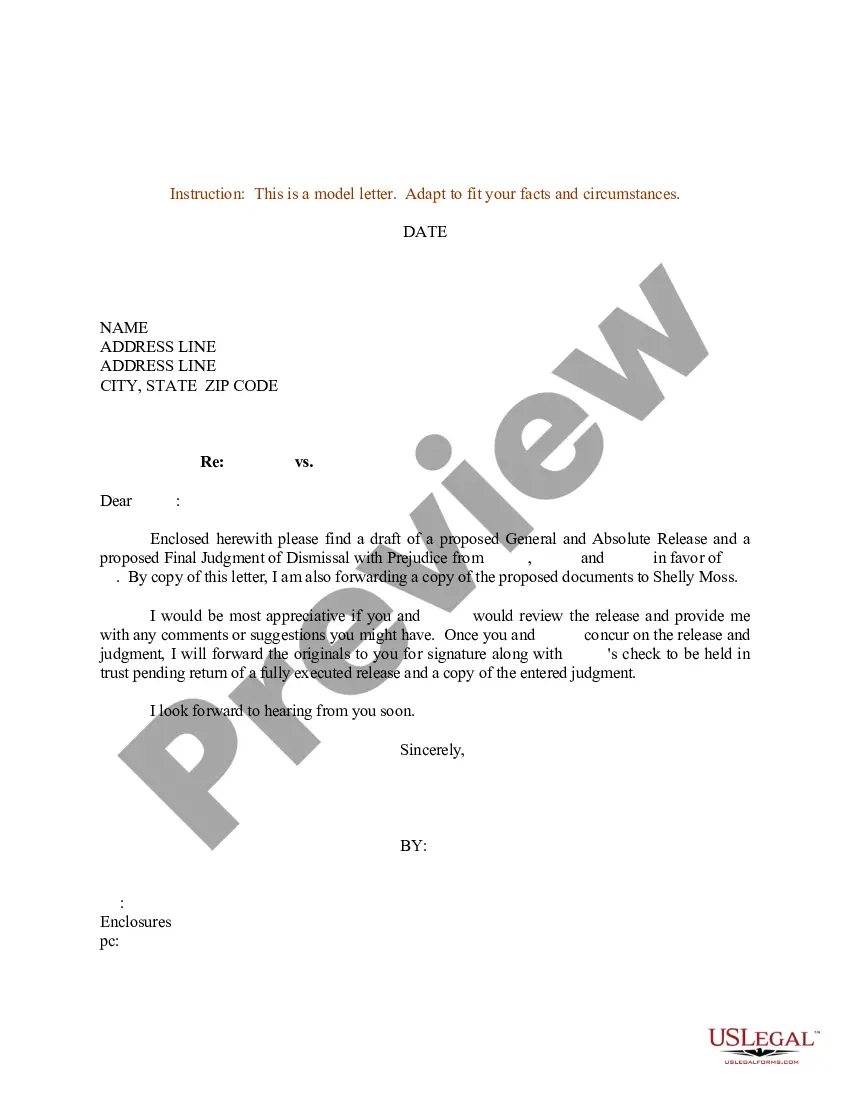
Get your form ready online
Our built-in tools help you complete, sign, share, and store your documents in one place.
Make edits, fill in missing information, and update formatting in US Legal Forms—just like you would in MS Word.
Download a copy, print it, send it by email, or mail it via USPS—whatever works best for your next step.
Sign and collect signatures with our SignNow integration. Send to multiple recipients, set reminders, and more. Go Premium to unlock E-Sign.
If this form requires notarization, complete it online through a secure video call—no need to meet a notary in person or wait for an appointment.
We protect your documents and personal data by following strict security and privacy standards.

Make edits, fill in missing information, and update formatting in US Legal Forms—just like you would in MS Word.

Download a copy, print it, send it by email, or mail it via USPS—whatever works best for your next step.

Sign and collect signatures with our SignNow integration. Send to multiple recipients, set reminders, and more. Go Premium to unlock E-Sign.

If this form requires notarization, complete it online through a secure video call—no need to meet a notary in person or wait for an appointment.

We protect your documents and personal data by following strict security and privacy standards.
Looking for another form?







Form popularity
FAQ
Drafting the Motion Check if the court has blank motion forms. Create your caption. Title your motion. Draft the introductory paragraph to the body of the motion. Request relief. Lay out the applicable facts. Make your legal argument. Insert a signature block.
Write a short and clear introduction. Draft a factually accurate narrative. Know the standard that must be met and craft an explanation of the standard. Use the most persuasive components of the relevant law. Apply the law to the facts in a convincing and credible manner. Conclusion.
Other motions to dismiss ask for dismissal with prejudice. This means that the case can't be started again. For example, if the case is legally time barred by the statute of limitations or the plaintiff or petitioner does not have the right to start the case.
If you see a potential for a motion to dismiss, this is an opportunity to inform the client how much legal expertise is necessary for such a filing. In other words, they will be facing a daunting challenge trying to represent themselves and will likely need an attorney more than ever.
MOTIONS TO DISMISS IN CIVIL CASES ARE COMMON In these civil litigation cases, motions to dismiss are likely based on “failure to state a claim.” A motion to dismiss is filed in response to a complaint filed by the Plaintiff requesting that the court grant them some form of relief usually damages.
For example, before disgraced comedian Bill Cosby's retrial, his defense team filed a motion to dismiss, arguing that the sexual assault alleged in the criminal complaint had happened outside of the statute of limitations.
Writing a Persuasive Motion to Dismiss Be Clear and Concise: Use straightforward language and be diligent with proofreading. Stay Focused on the Legal Issues: Avoid unnecessary details and stick to the relevant legal arguments. Support Every Claim: Use statutes, case law, and rules of procedure to back up your points.
How to Fill Out an Order to Show Cause Write the county name. Write the Article for your case type. Write the name(s) of the petitioner(s). Write the name(s) of the respondent(s). Write the docket number, if it exists. Write your name. Write the date you signed the affidavit. Write the month you signed the affidavit.
Common grounds for a motion to dismiss in New York include: – Lack of subject matter jurisdiction: The court does not have the authority to hear the case. – Lack of personal jurisdiction: The court does not have power over the defendant.
Common grounds for a motion to dismiss in New York include: – Lack of subject matter jurisdiction: The court does not have the authority to hear the case. – Lack of personal jurisdiction: The court does not have power over the defendant.

