Authorize Disclosure
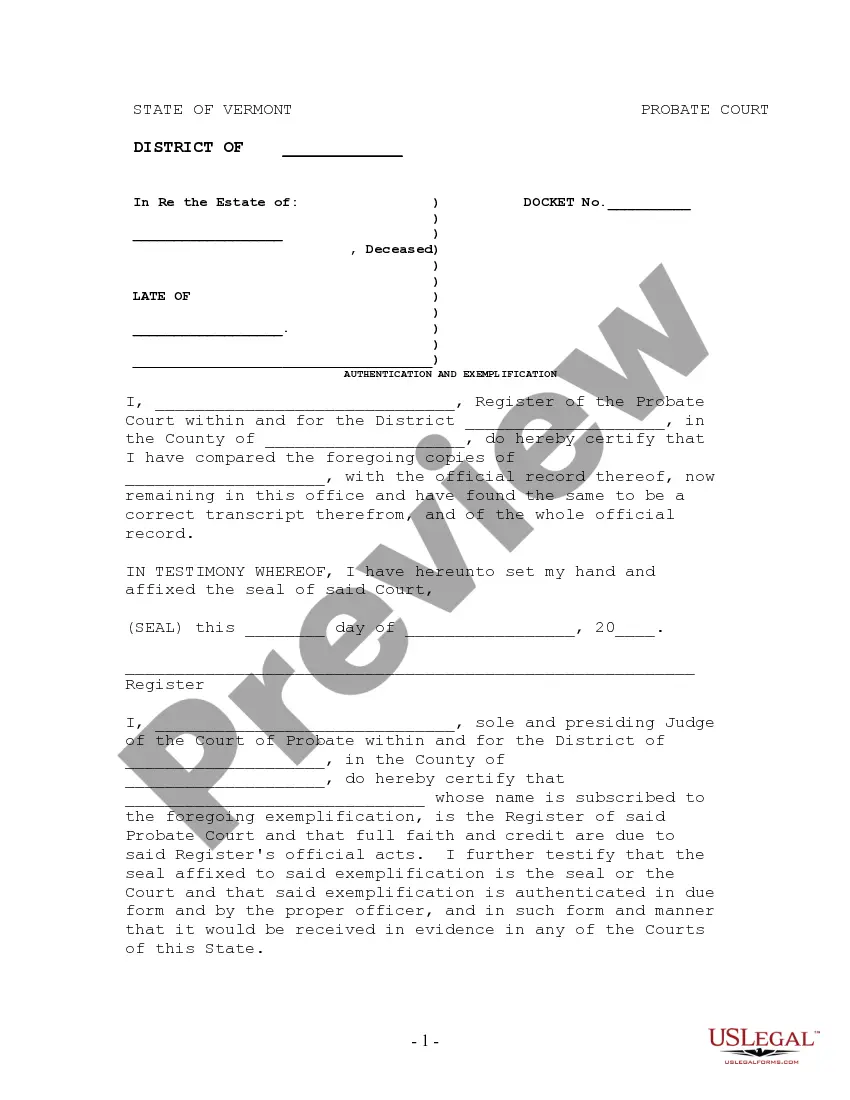
Description
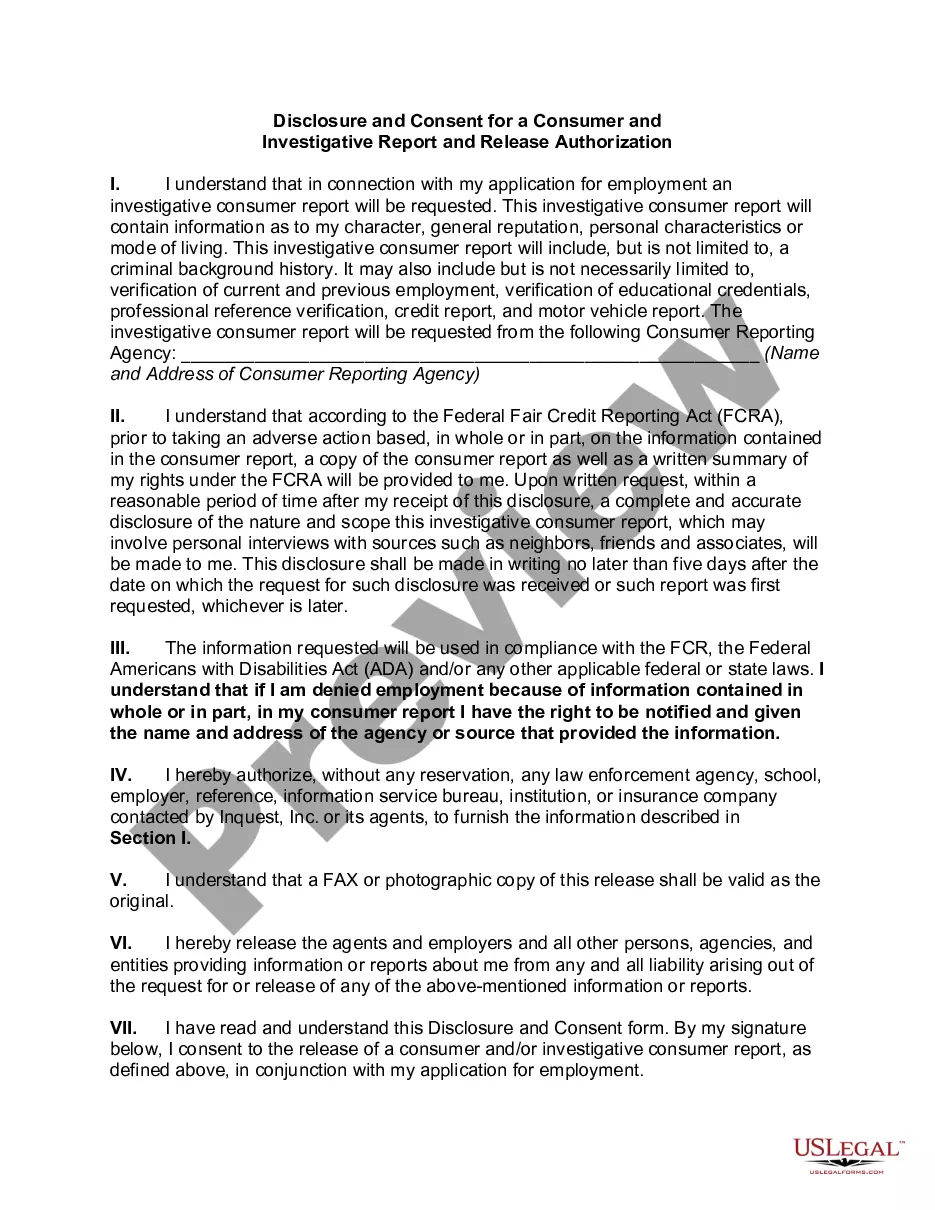
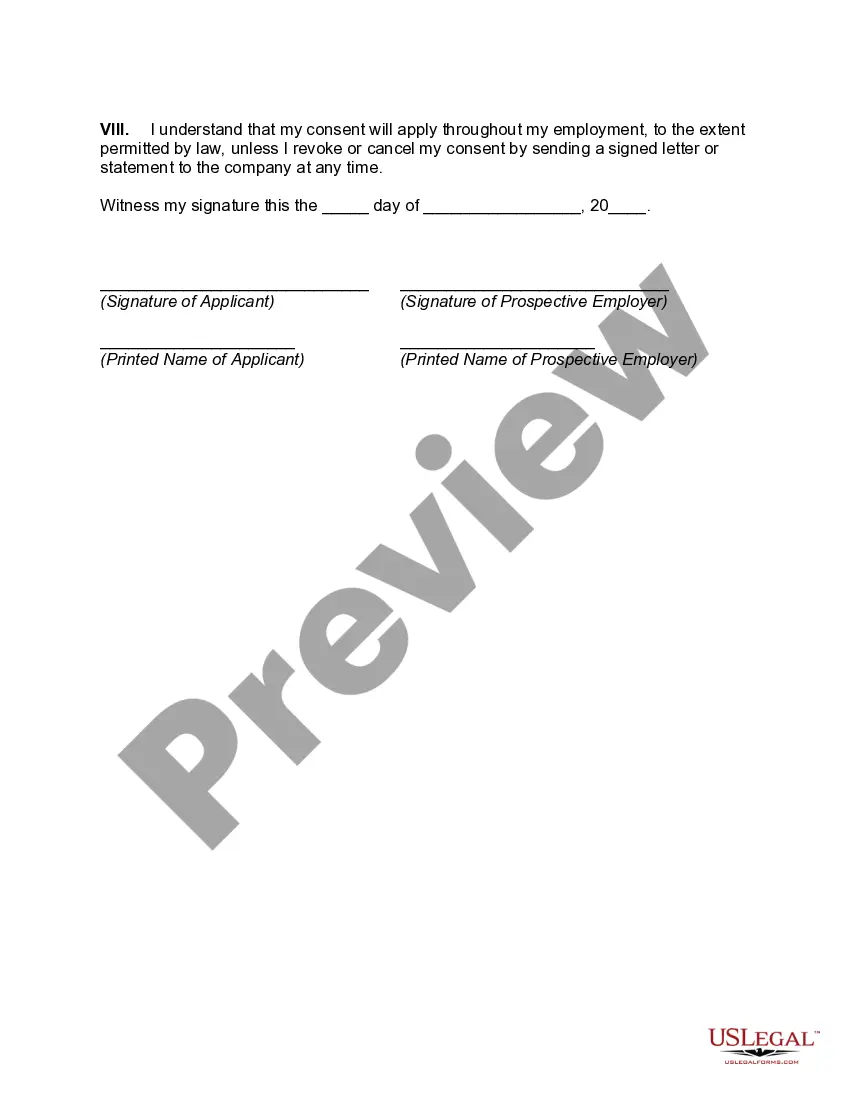
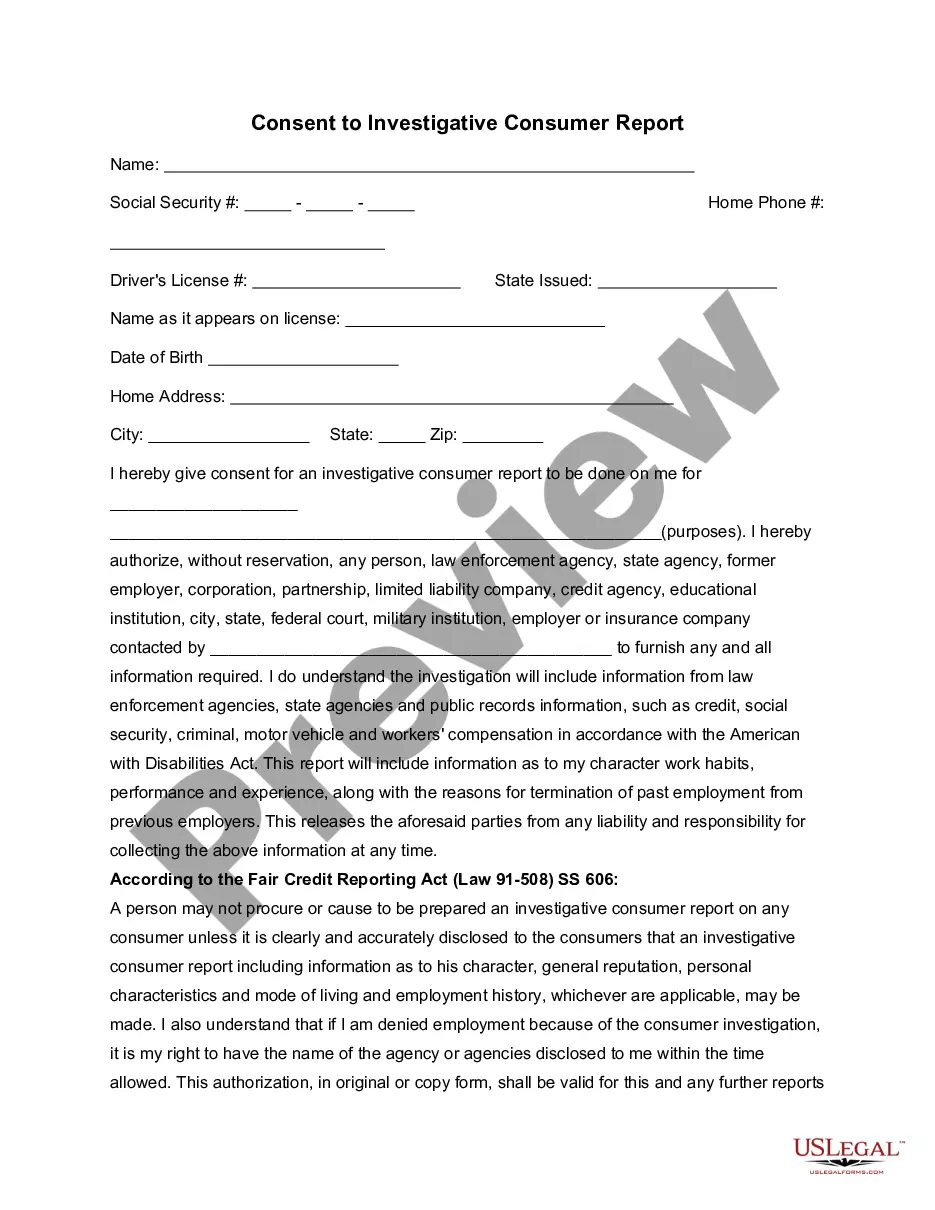
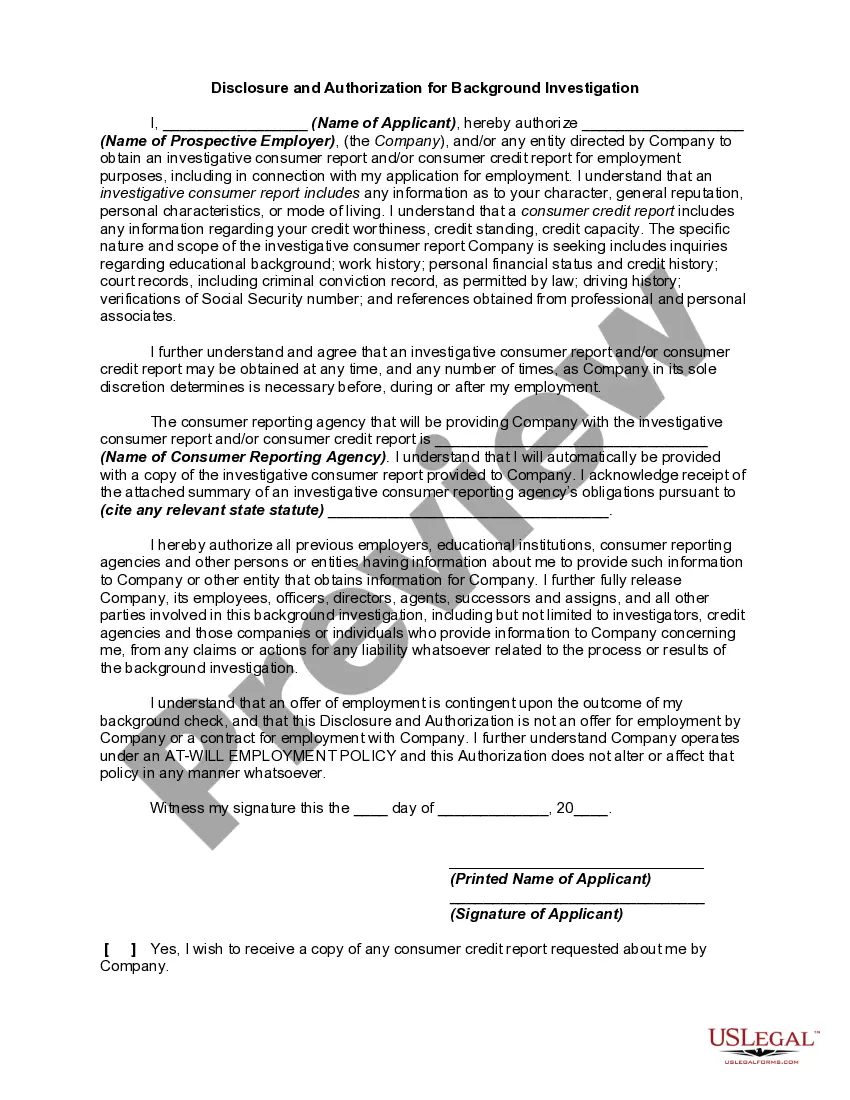
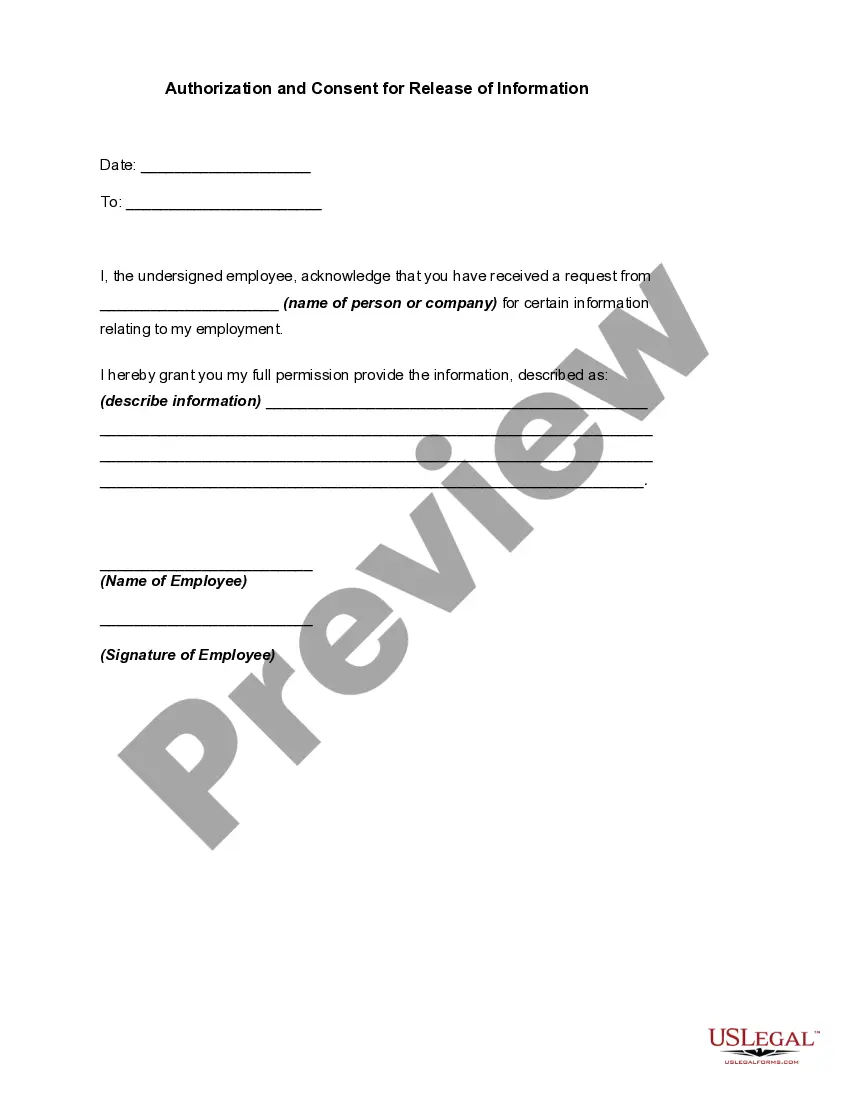
Get your form ready online
Our built-in tools help you complete, sign, share, and store your documents in one place.
Make edits, fill in missing information, and update formatting in US Legal Forms—just like you would in MS Word.
Download a copy, print it, send it by email, or mail it via USPS—whatever works best for your next step.
Sign and collect signatures with our SignNow integration. Send to multiple recipients, set reminders, and more. Go Premium to unlock E-Sign.
If this form requires notarization, complete it online through a secure video call—no need to meet a notary in person or wait for an appointment.
We protect your documents and personal data by following strict security and privacy standards.

Make edits, fill in missing information, and update formatting in US Legal Forms—just like you would in MS Word.

Download a copy, print it, send it by email, or mail it via USPS—whatever works best for your next step.

Sign and collect signatures with our SignNow integration. Send to multiple recipients, set reminders, and more. Go Premium to unlock E-Sign.

If this form requires notarization, complete it online through a secure video call—no need to meet a notary in person or wait for an appointment.

We protect your documents and personal data by following strict security and privacy standards.
Looking for another form?



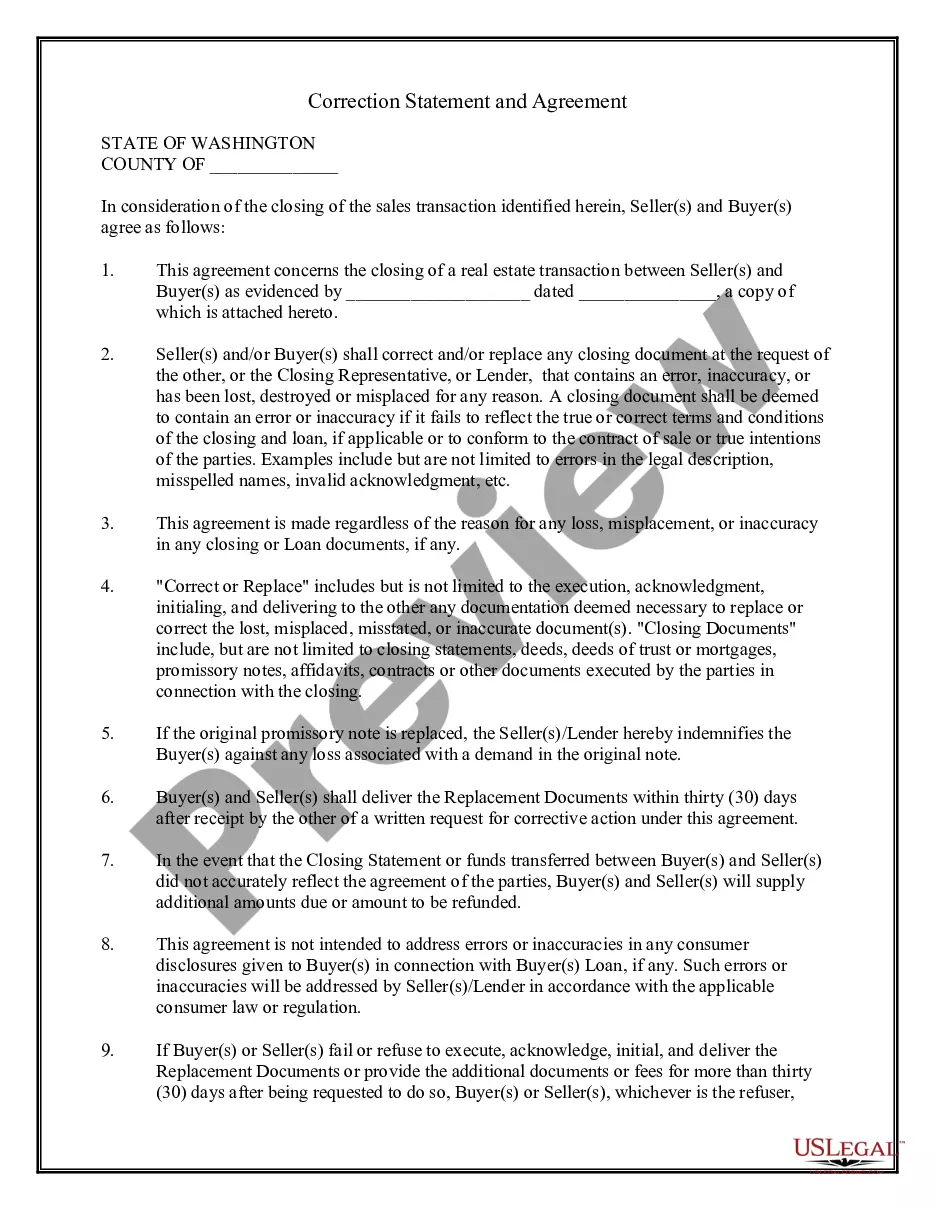



How to fill out Disclosure And Consent For A Consumer Investigative Report And Release Authorization?
- If you are a returning user, log into your account to access and download your necessary form template. Ensure your subscription is active, and renew it if needed.
- If this is your first time, start by browsing the Preview mode to find the right form that meets your requirements and aligns with local jurisdiction rules.
- In case of inconsistencies or additional needs, utilize the Search tab to explore and select the correct form.
- Once you've identified the right document, proceed to click the Buy Now button and select your preferred subscription plan. Creating an account is necessary to unlock the full library.
- Complete your purchase by entering your credit card details or using your PayPal account for seamless transaction.
- Download your completed form to your device. You can also access it anytime from the My Forms section in your profile.
By following these straightforward steps, you can efficiently authorize disclosure and prepare your legal documents without hassle.
Don't miss out on the advantages of using US Legal Forms—start your journey to secure legal documentation today!
Form popularity
FAQ
To allow someone else to discuss your tax return with the IRS, you need to submit Form 2848, Power of Attorney and Declaration of Representative. This form authorizes your chosen representative to act on your behalf in tax matters. Ensure that you provide complete details about your representative and the scope of the authorization. U.S. Legal Forms provides easy access to this form and guides you through proper submission.
Authorization of disclosure means that you formalize your consent for information to be shared with specified parties. This process is crucial for maintaining privacy and ensuring that any shared information is done legally and ethically. An authorization should clearly detail the extent of what is being shared and the purpose behind it. Leverage resources from U.S. Legal Forms to craft effective authorization documents.
Allowing disclosure involves giving someone the right to access or share your information. This permission should also be documented clearly to ensure everyone understands the scope of what is allowed. By being proactive in allowing disclosure, you can better manage your information in health care and tax matters. Utilize U.S. Legal Forms to prepare the necessary documentation here.
To authorize disclosure means granting permission for someone to share your personal information with others. This action typically requires a signed document that outlines what can be shared and with whom. By taking this step, you can control who has access to your information and for what reasons. Our user-friendly platform at U.S. Legal Forms makes this process straightforward and secure.
An authorized disclosure is the sharing of information approved by the individual to whom the information pertains. This typically involves consent forms that grant permission for health providers or other entities to share your data for defined purposes. Understanding what constitutes authorized disclosure is critical, especially for protecting your private information. U.S. Legal Forms can help clarify these concepts through accessible legal documents.
Consent to disclosure refers to your agreement to allow specific information to be shared with designated parties. This consent must be informed, meaning you understand what information is being disclosed and its potential risks. It is essential to properly document this consent to avoid any legal issues. You can easily manage consent forms using our U.S. Legal Forms resources.
To authorize disclosure of Protected Health Information (PHI), you must provide a written consent. This document should specify what information will be shared, who can access it, and the purpose of the disclosure. Additionally, it should include your signature and the date to validate the authorization. Our platform, U.S. Legal Forms, offers templates to help ensure that your authorization complies with legal standards.
Three types of disclosures that do not typically require patient authorization include disclosures for treatment, public health activities, and legal requirements. These types aim to protect the health and safety of individuals and the community. However, it's essential to understand these exceptions to ensure compliance with legal standards while managing patient information.
The three types of disclosure are financial disclosure, personal disclosure, and legal disclosure. Each type serves a different purpose and requires careful consideration before one decides to authorize disclosure. Knowing the distinctions can help navigate complex situations, especially in legal contexts.
The three standards of disclosure include the informed consent standard, the minimum necessary standard, and the written authorization standard. Understanding these standards is crucial for anyone looking to authorize disclosure accurately and maintain confidentiality. Adhering to these standards protects both individuals and organizations from potential legal issues.