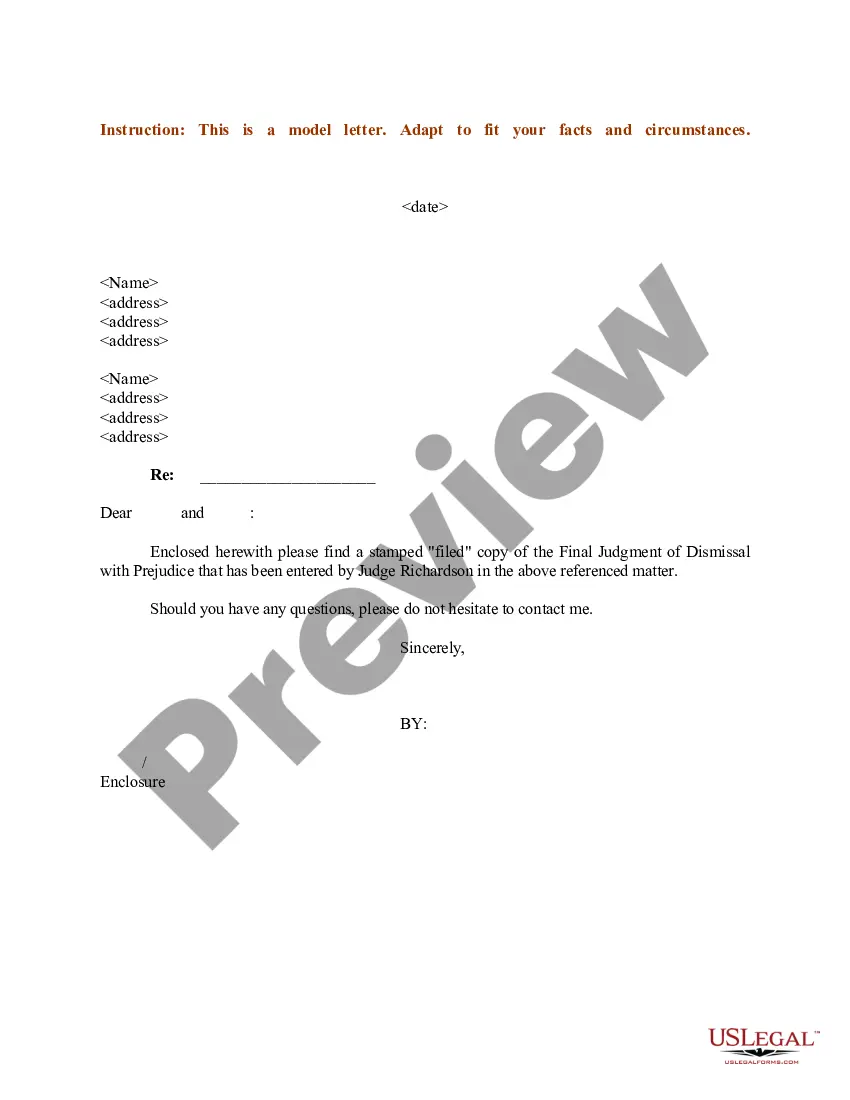
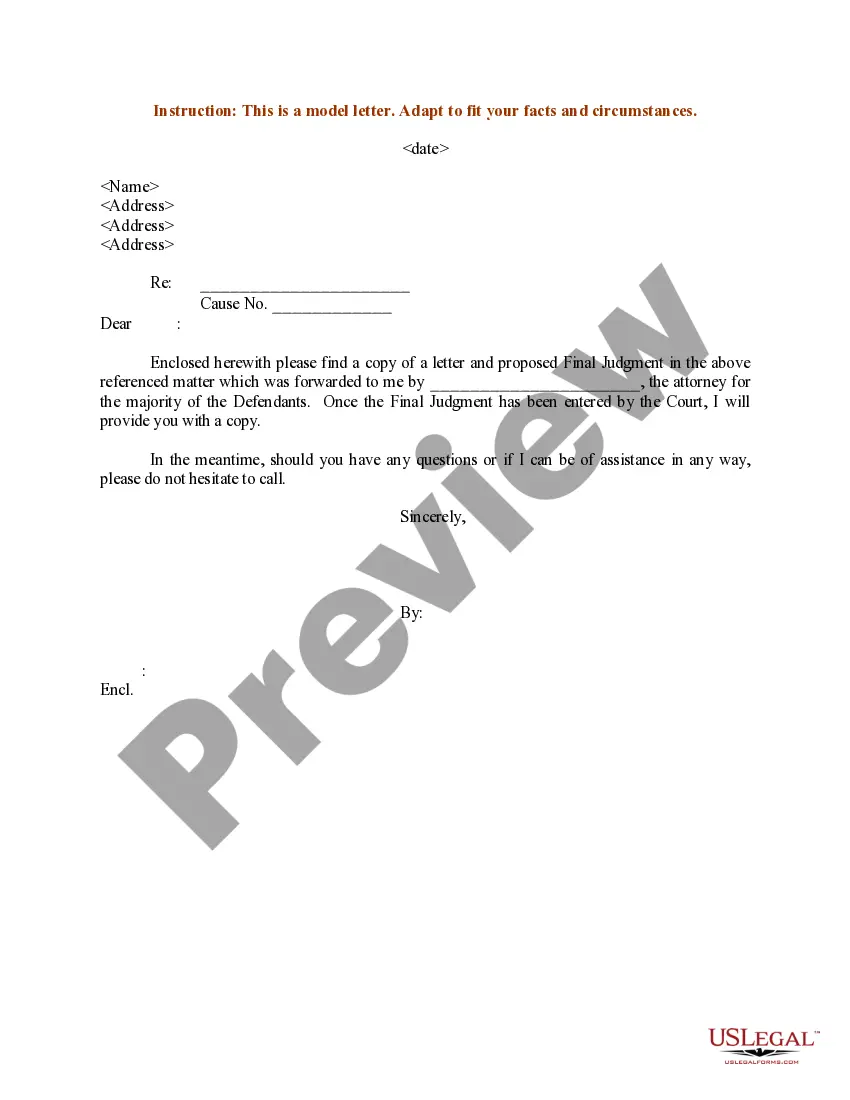
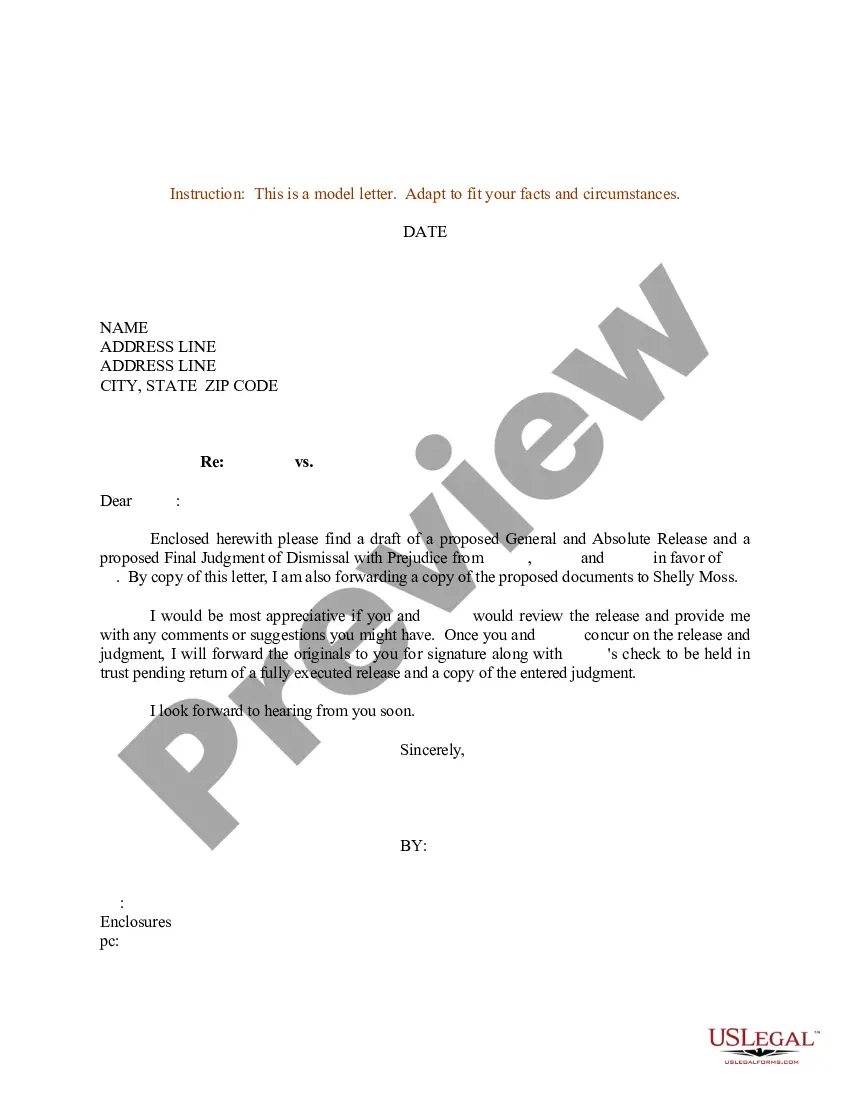
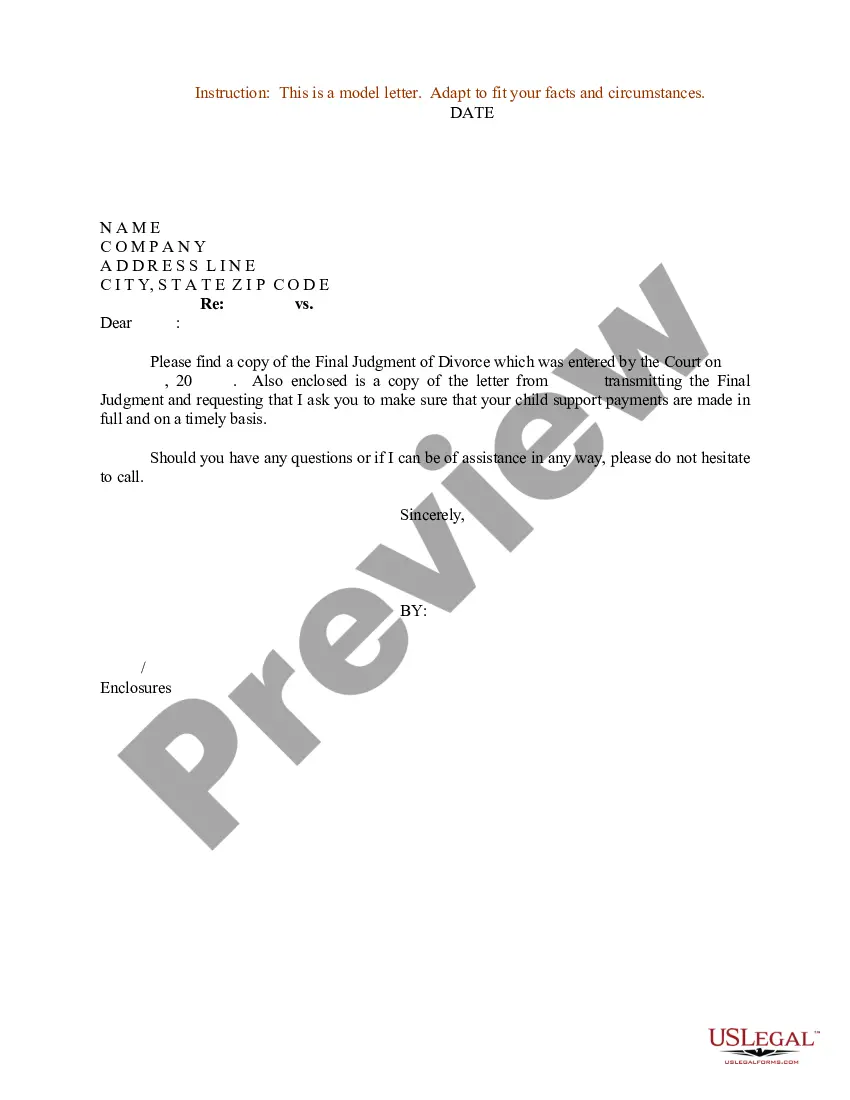
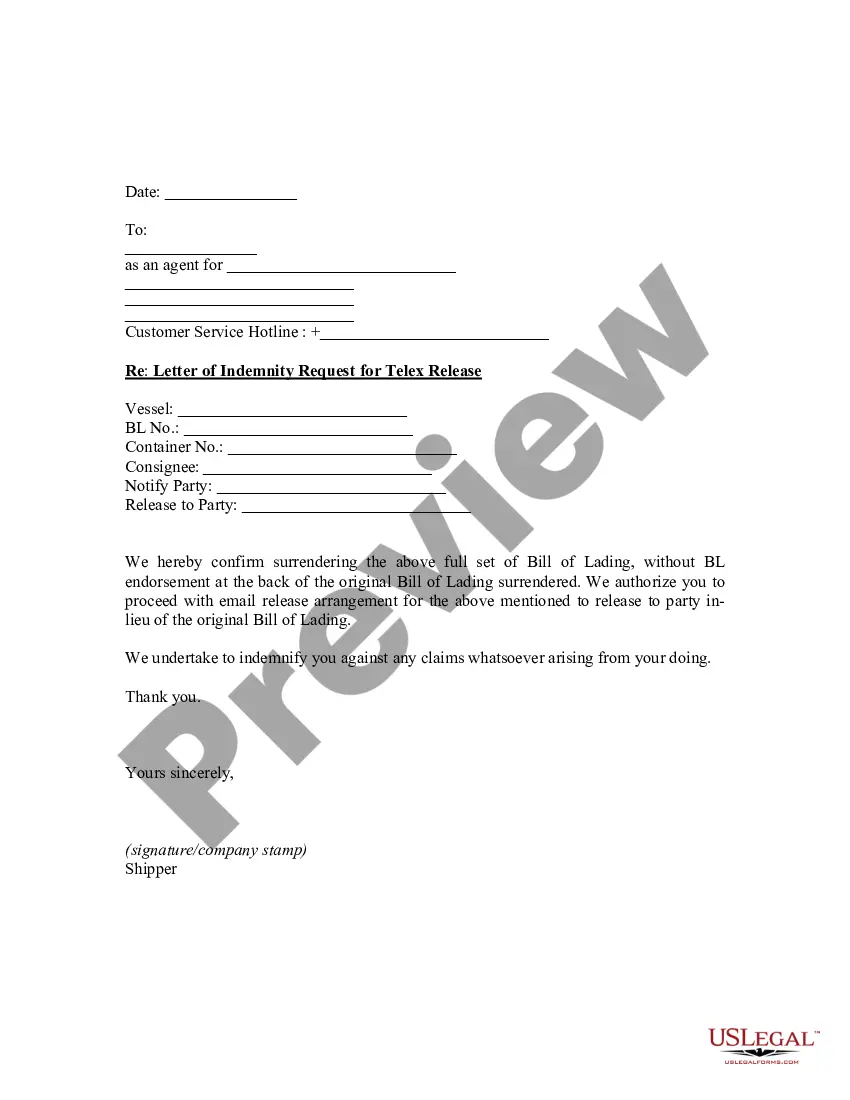
Sample Without Prejudice Letter In Nevada
Description

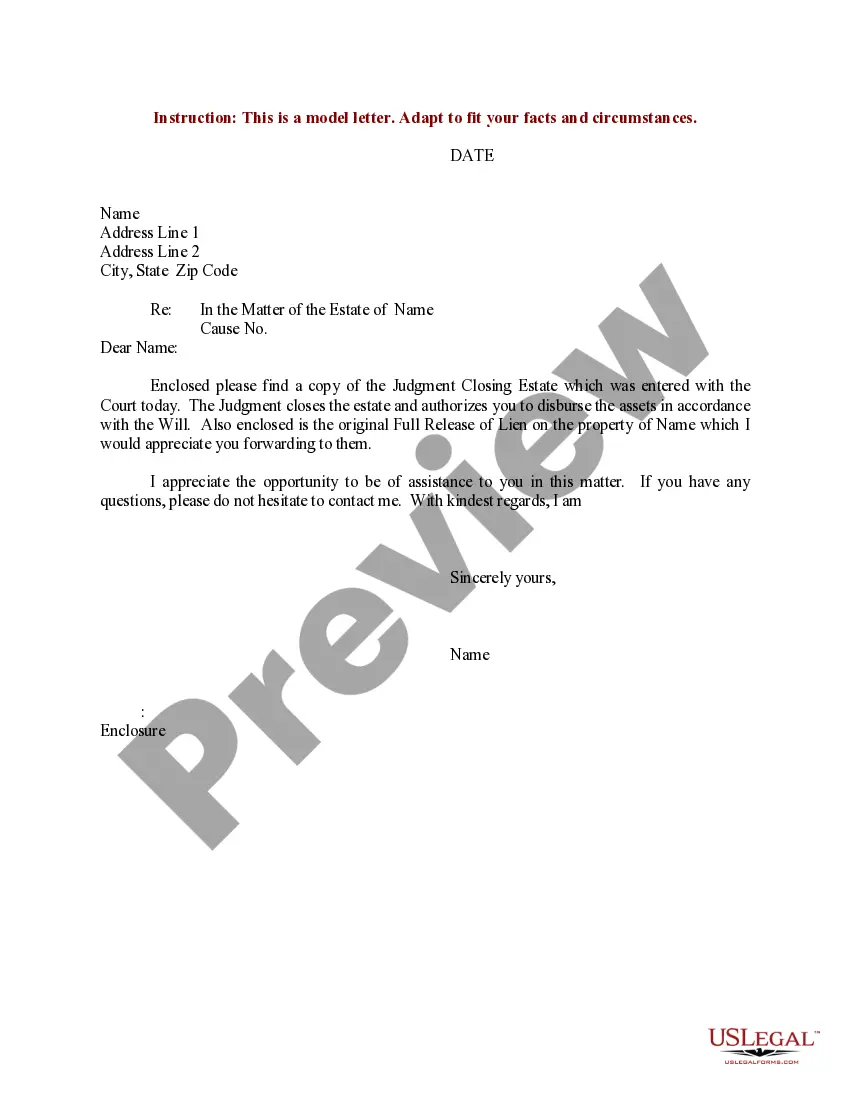
Get your form ready online
Our built-in tools help you complete, sign, share, and store your documents in one place.
Make edits, fill in missing information, and update formatting in US Legal Forms—just like you would in MS Word.
Download a copy, print it, send it by email, or mail it via USPS—whatever works best for your next step.
Sign and collect signatures with our SignNow integration. Send to multiple recipients, set reminders, and more. Go Premium to unlock E-Sign.
If this form requires notarization, complete it online through a secure video call—no need to meet a notary in person or wait for an appointment.
We protect your documents and personal data by following strict security and privacy standards.

Make edits, fill in missing information, and update formatting in US Legal Forms—just like you would in MS Word.

Download a copy, print it, send it by email, or mail it via USPS—whatever works best for your next step.

Sign and collect signatures with our SignNow integration. Send to multiple recipients, set reminders, and more. Go Premium to unlock E-Sign.

If this form requires notarization, complete it online through a secure video call—no need to meet a notary in person or wait for an appointment.

We protect your documents and personal data by following strict security and privacy standards.
Looking for another form?




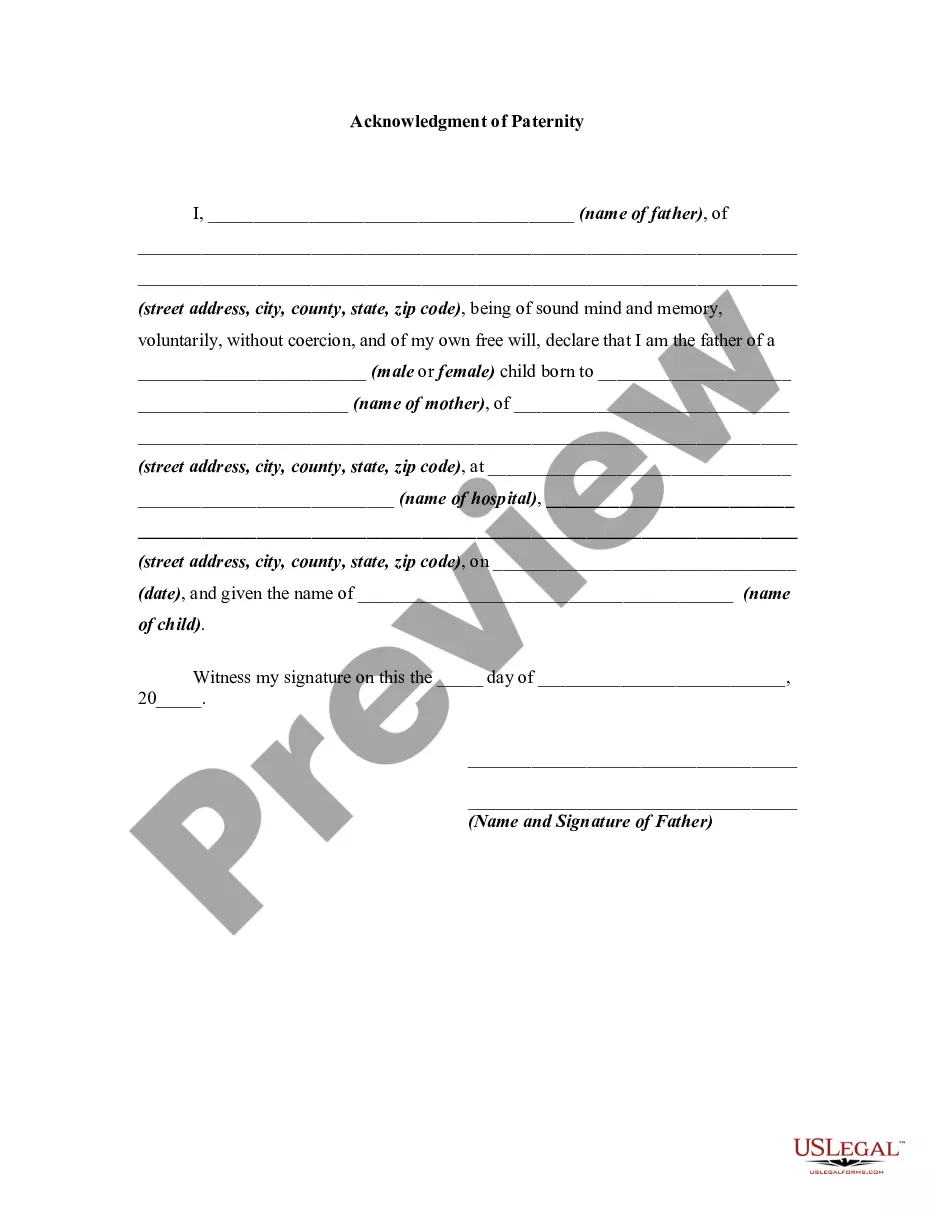
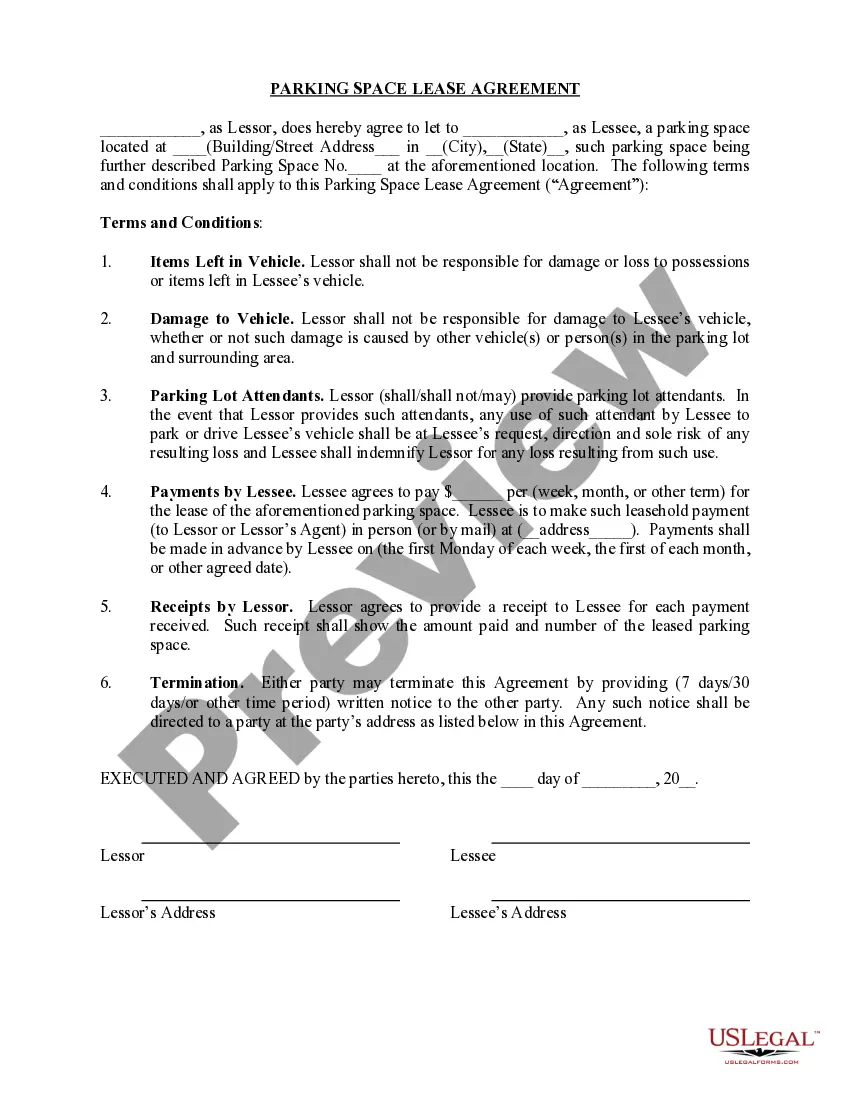
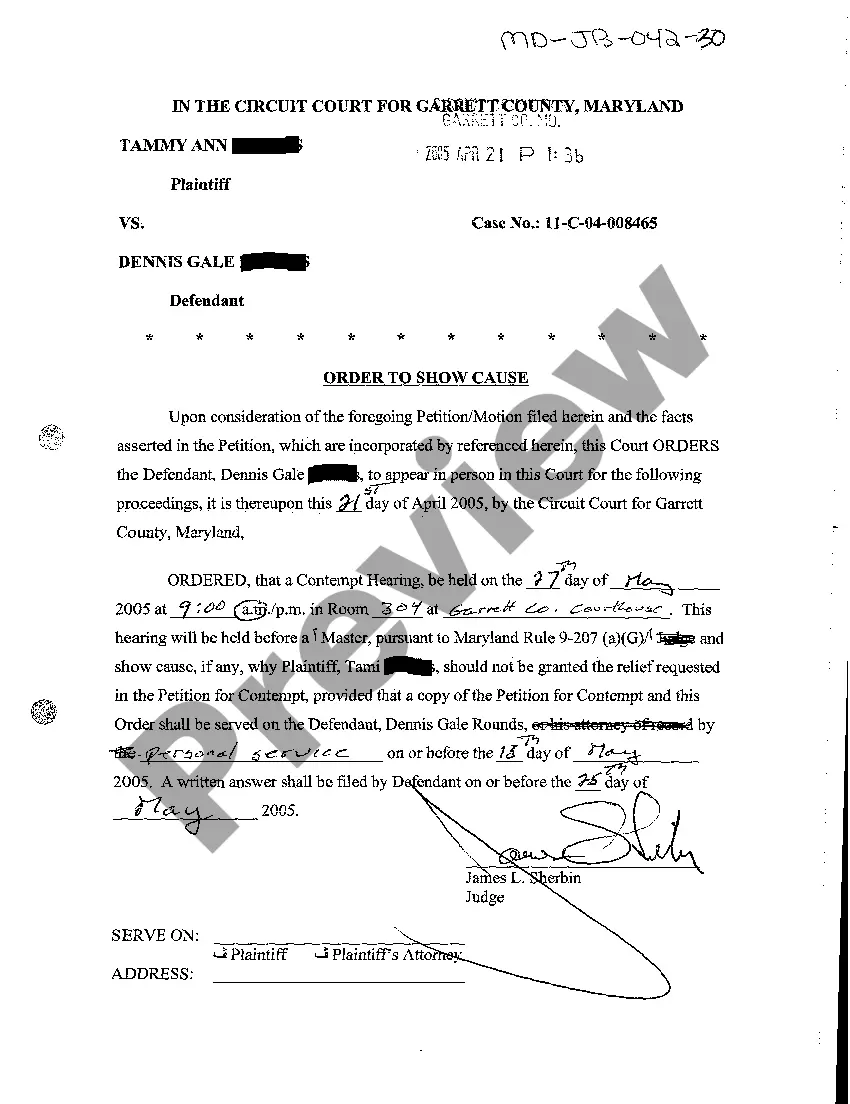
Form popularity
FAQ
Rule 56 - Summary Judgment (a)Motion for Summary Judgment or Partial Summary Judgment. A party may move for summary judgment, identifying each claim or defense-or the part of each claim or defense-on which summary judgment is sought.
The court may, for good cause, issue an order to protect a party or person from annoyance, embarrassment, oppression, or undue burden or expense, including one or more of the following: (A) forbidding the disclosure or discovery; (B) specifying terms, including time and place or the allocation of expenses, for the ...
Rule 27 - Depositions to Perpetuate Testimony (a)Before an Action Is Filed (1)Petition. A person who wants to perpetuate testimony- including his or her own-about any matter cognizable in any court within the United States may file a verified petition in district court.
Rule 11 - Signing Pleadings, Motions, and Other Papers; Representations to the Court; Sanctions (a) Signature. Every pleading, written motion, and other paper must be signed by at least one attorney of record in the attorney's name-or by a party personally if the party is unrepresented.
A Rule 26(f) conference is intended to help lay a strong foundation for a productive discovery plan.
If you write to somebody with whom you are in dispute and you label your communication “without prejudice” this generally means that this letter will not have to be produced to a court if your dispute ends up in a Trial and the Judge will never know that it has been written.
FRCP 26(f)(2) requires the parties to do five things at the meet and confer: (a) consider the nature and basis of their claims and defenses; (b) consider the possibilities for promptly settling or resolving the case; (c) make or arrange for the disclosures required by FRCP 26(a)(1); (d) discuss any issues about ...
(A) In General. A party must disclose to the other parties the identity of any witness it may use at trial to present expert testimony. (B) Witnesses Who Must Provide a Written Report. Unless otherwise stipulated or. ordered by the court, this disclosure must be accompanied by a written report if the.
The 'without prejudice' label can be attached to any form of communication – letters, emails, phone calls, and meetings – whether online or otherwise. All that is required is that one or both parties state that the communication is 'without prejudice' before the communication occurs.
Where do I put the words "without prejudice" on a document or email? There are no rules about this but generally, at the top of any document or in the subject line etc - so that it is instantly clear to the reader.