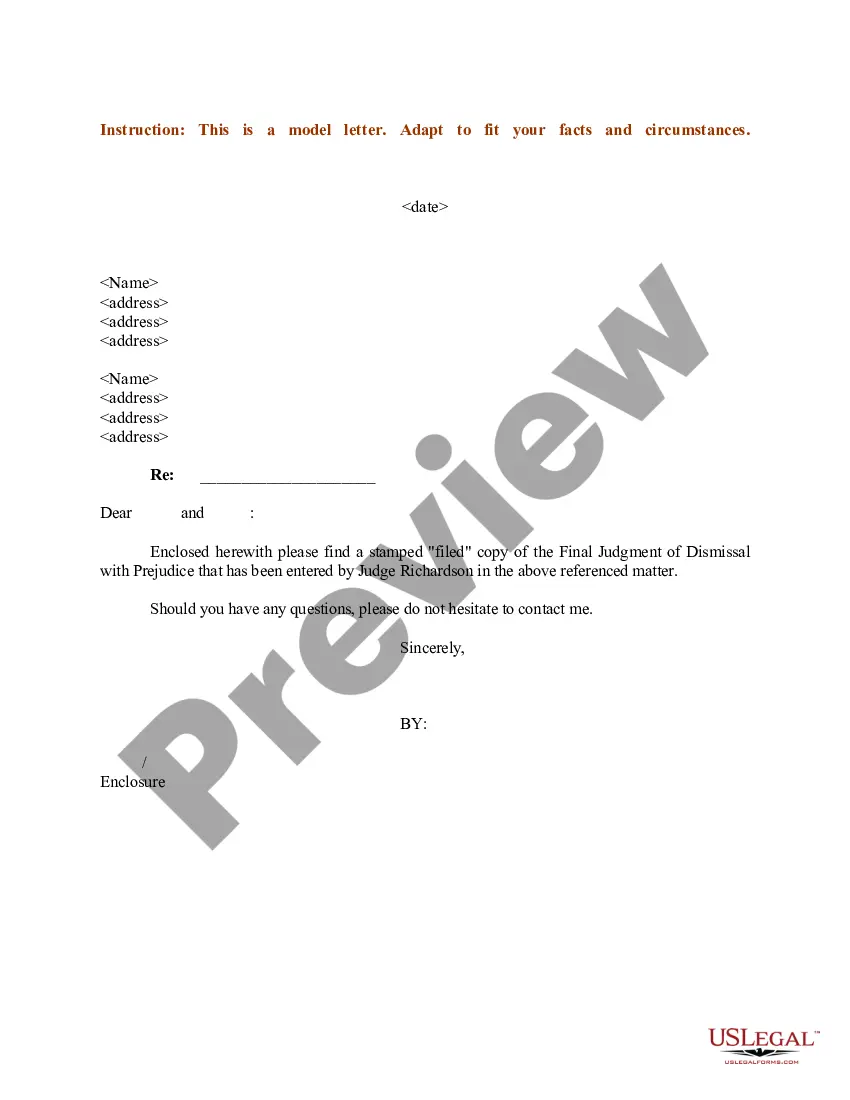
Template Without Prejudice Letter Uk In Bronx
Description

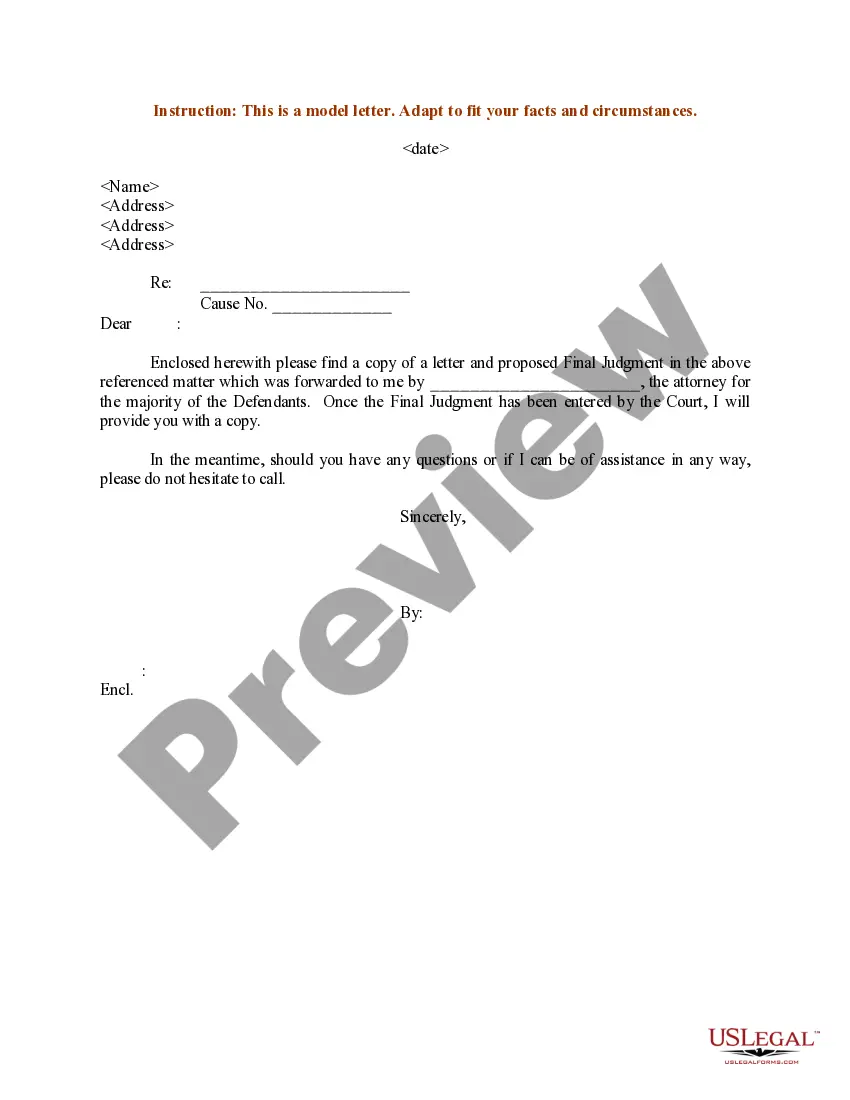
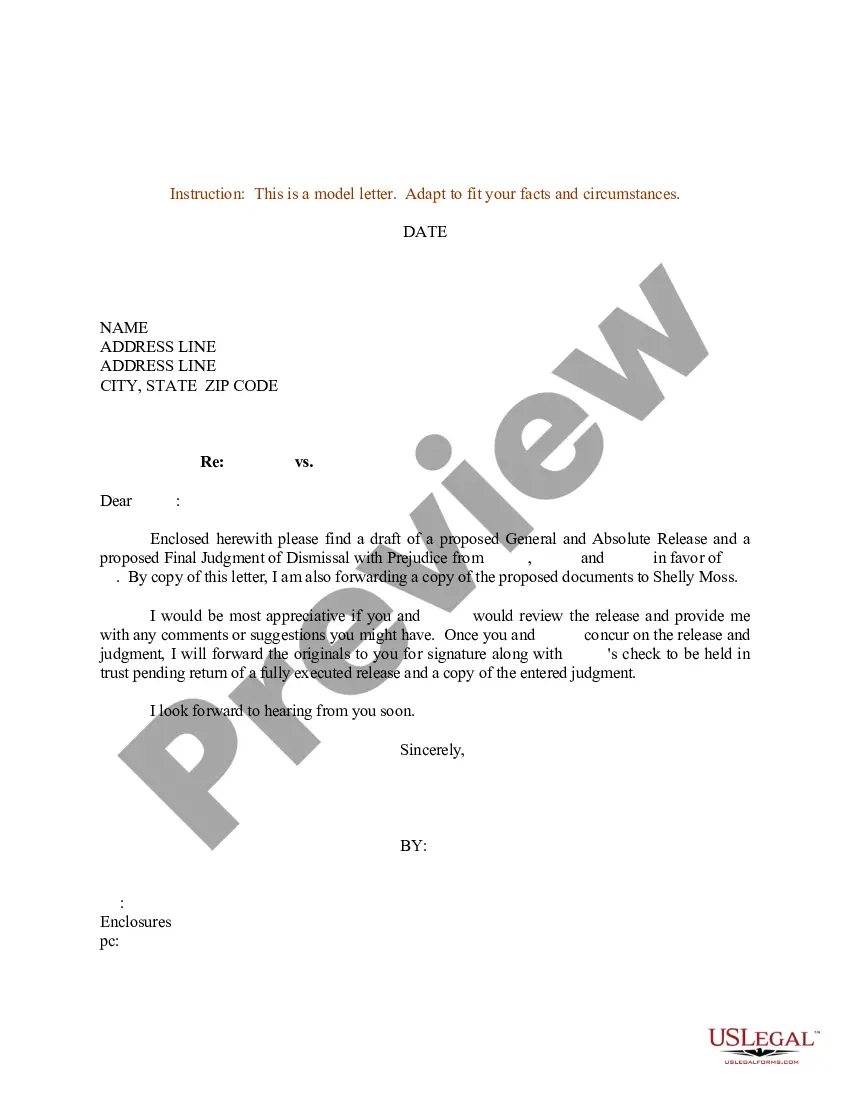
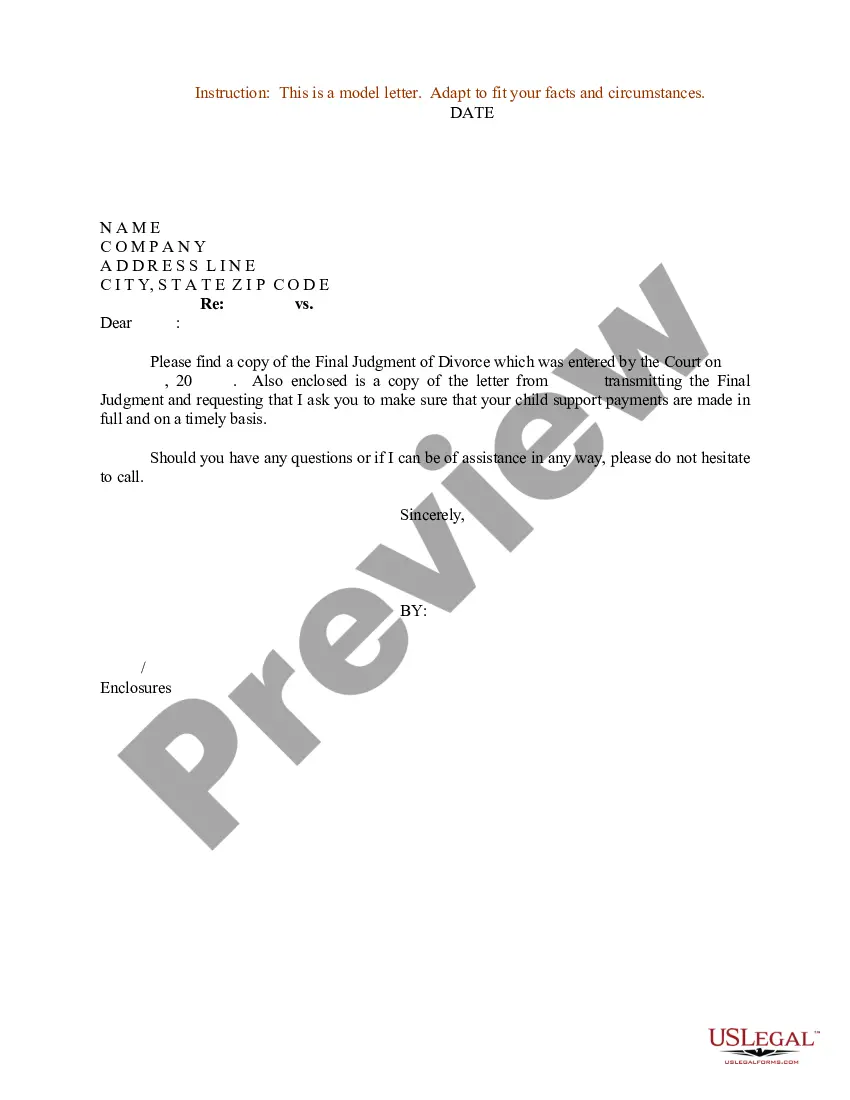
Get your form ready online
Our built-in tools help you complete, sign, share, and store your documents in one place.
Make edits, fill in missing information, and update formatting in US Legal Forms—just like you would in MS Word.
Download a copy, print it, send it by email, or mail it via USPS—whatever works best for your next step.
Sign and collect signatures with our SignNow integration. Send to multiple recipients, set reminders, and more. Go Premium to unlock E-Sign.
If this form requires notarization, complete it online through a secure video call—no need to meet a notary in person or wait for an appointment.
We protect your documents and personal data by following strict security and privacy standards.

Make edits, fill in missing information, and update formatting in US Legal Forms—just like you would in MS Word.

Download a copy, print it, send it by email, or mail it via USPS—whatever works best for your next step.

Sign and collect signatures with our SignNow integration. Send to multiple recipients, set reminders, and more. Go Premium to unlock E-Sign.

If this form requires notarization, complete it online through a secure video call—no need to meet a notary in person or wait for an appointment.

We protect your documents and personal data by following strict security and privacy standards.
Looking for another form?








Form popularity
FAQ
For example, an employer might admit in a without prejudice communication that it had failed to carry out certain procedures which might otherwise render a dismissal unfair, but the employee would normally not be able to show that admission to an Employment Tribunal to try and prove their claim.
In order for settlement discussions and agreements to be protected under the 'without prejudice' principle, there must be: an 'existing dispute' between the parties and a genuine attempt to settle that dispute, and • no 'unambiguous impropriety' in the conduct of the parties during the settlement discussions.
The 'without prejudice' label can be attached to any form of communication – letters, emails, phone calls, and meetings – whether online or otherwise. All that is required is that one or both parties state that the communication is 'without prejudice' before the communication occurs.
Letter of No Prejudice (LONP) LONPs are intended to allow time-sensitive critical-path project activities to occur using local funds in advance of federal grant funds being available for reimbursement. As such, LONPs expire after a specific period of time, generally limited to five years.
Because the parties involved in a legal dispute know that without prejudice offers can't be used as evidence of guilt in court, they feel safe in making dispute settlement offers. If this protection was removed, then no one would make any offers.
The basic meaning of 'without prejudice' is that statements made in the settlement of an existing dispute cannot be relied upon as evidence against the interests of the relevant party if negotiations fail and the parties then have to formally engage in a dispute resolution procedure.
This is effectively shorthand for saying: 'whilst I am trying to reach a settlement with you, I'm not admitting any part of the case or conceding or waiving any arguments or rights - so, my offers to achieve a commercial deal are without prejudice to my primary position that I'm right and you're wrong'.
Whereas a case that is dismissed “with prejudice” is dismissed permanently, a case that is dismissed “without prejudice” is only dismissed temporarily. This temporary dismissal means that the plaintiff is allowed to re-file charges, alter the claim, or bring the case to another court.
The without prejudice (WP) rule will generally prevent statements made in a genuine attempt to settle an existing dispute, whether made in writing or orally, from being put before the court as evidence of admissions against the interests of the party which made them.