Sample Letter Removal Church Members For Inactive In Wayne
Description

Get your form ready online
Our built-in tools help you complete, sign, share, and store your documents in one place.
Make edits, fill in missing information, and update formatting in US Legal Forms—just like you would in MS Word.
Download a copy, print it, send it by email, or mail it via USPS—whatever works best for your next step.
Sign and collect signatures with our SignNow integration. Send to multiple recipients, set reminders, and more. Go Premium to unlock E-Sign.
If this form requires notarization, complete it online through a secure video call—no need to meet a notary in person or wait for an appointment.
We protect your documents and personal data by following strict security and privacy standards.

Make edits, fill in missing information, and update formatting in US Legal Forms—just like you would in MS Word.

Download a copy, print it, send it by email, or mail it via USPS—whatever works best for your next step.

Sign and collect signatures with our SignNow integration. Send to multiple recipients, set reminders, and more. Go Premium to unlock E-Sign.

If this form requires notarization, complete it online through a secure video call—no need to meet a notary in person or wait for an appointment.

We protect your documents and personal data by following strict security and privacy standards.
Looking for another form?








Form popularity
FAQ
``Thank you for reading my letter. I am no longer willing to attend church events, listen to religious instruction or submit to religious authority. I am no longer a Christian and will no longer contribute to this church. Please respect my wishes and vote me out.
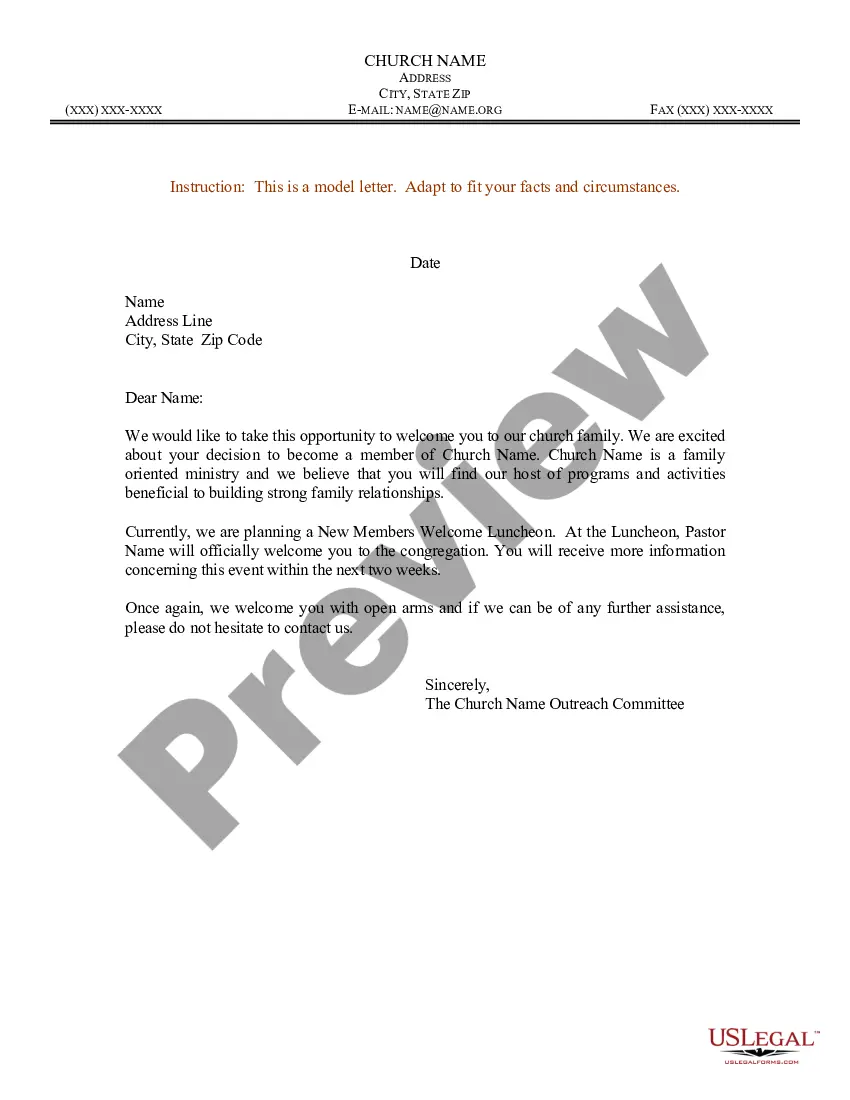
We look forward to discussing your present relationship with Jesus Christ and your involvement here in the church family at {Church Name}. It is our hope that you will renew your active participation in the fellowship, worship, and ministry of this congregation in the near future.
Ex, "out of", and communio or communicatio, "communion"; literally meaning "exclusion from communion") is a form of censure. In the formal sense of the term, excommunication includes being barred not only from the sacraments but also from the fellowship of Christian baptism.
Excommunication is an institutional act of religious censure used to deprive, suspend, or limit membership in a religious community or to restrict certain rights within it, in particular those of being in communion with other members of the congregation, and of receiving the sacraments.
Unfortunately, it is not an uncommon occurrence for pastors to have to ask a member of the church to leave. As a matter of fact, it is not uncommon for us to receive questions from pastors pertaining to the removal of church members.
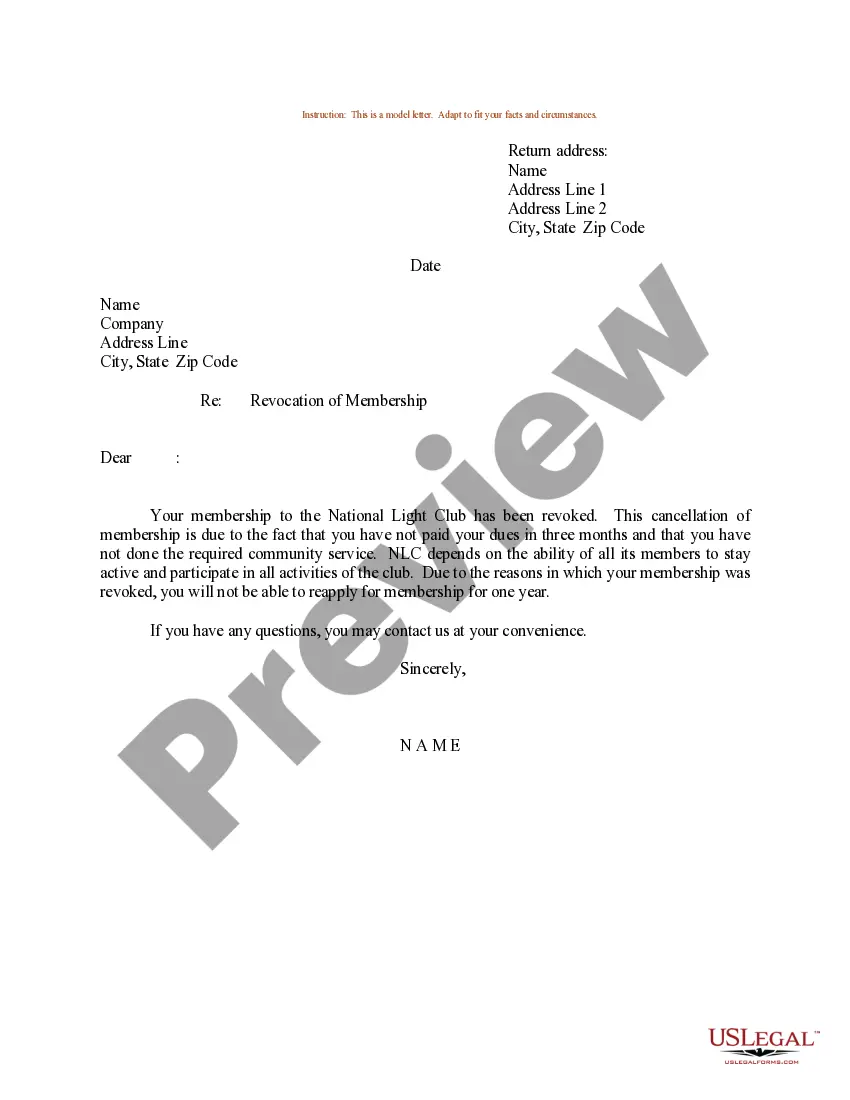
Dear RECIPIENT NAME, I regret to inform you that I am ending my membership at Church named NAME as of today. I have given this decision careful consideration. And as you may have already known, a conflict of views between NAME 1 and mine makes my practice of my faith here difficult.
Caring for People Inside the Church. Inactive members are those members of the congregation who have voluntarily stopped attending worship services.
A petition to remove a board member should include: A greeting to the board and reason for writing your letter. A list of the reasons with evidence as to why you think they should be removed. The form of action you are asking to be taken. A conclusion and statement of the identities of the petitioners. Signature spaces.
