Removal Request Letter For Approval In Washington
Description

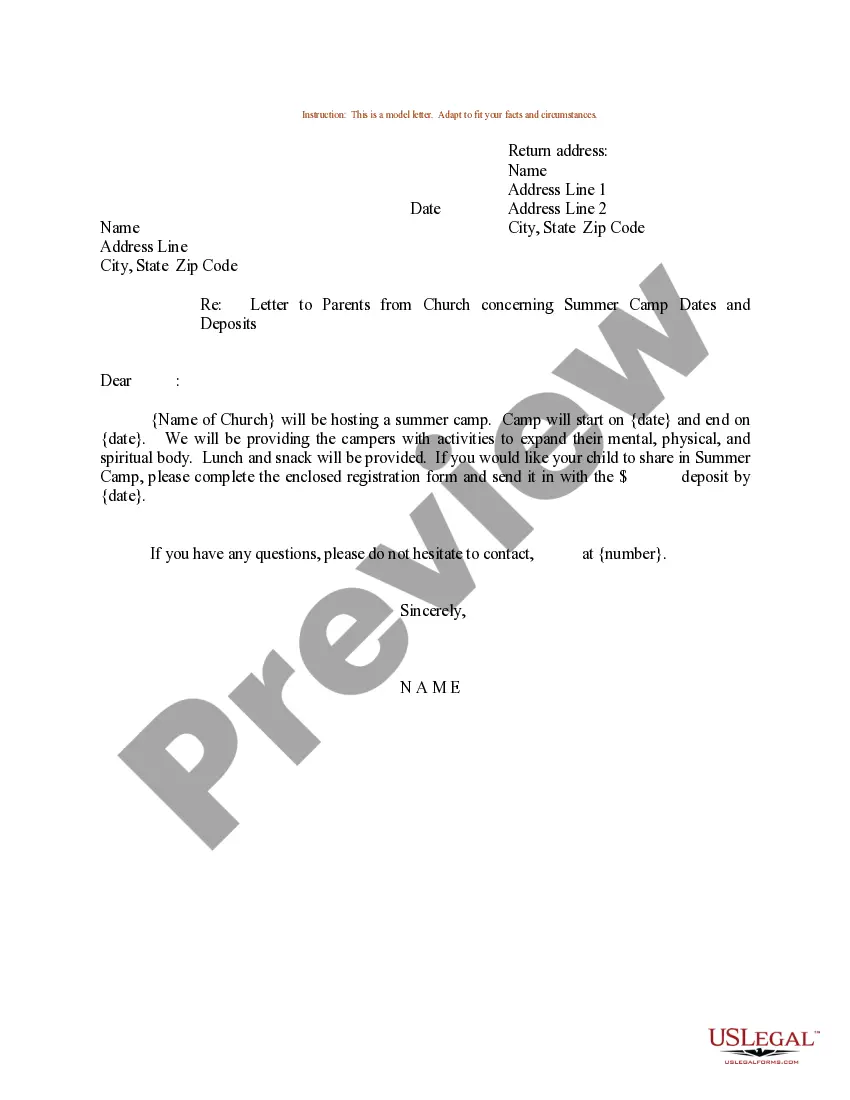
Get your form ready online
Our built-in tools help you complete, sign, share, and store your documents in one place.
Make edits, fill in missing information, and update formatting in US Legal Forms—just like you would in MS Word.
Download a copy, print it, send it by email, or mail it via USPS—whatever works best for your next step.
Sign and collect signatures with our SignNow integration. Send to multiple recipients, set reminders, and more. Go Premium to unlock E-Sign.
If this form requires notarization, complete it online through a secure video call—no need to meet a notary in person or wait for an appointment.
We protect your documents and personal data by following strict security and privacy standards.

Make edits, fill in missing information, and update formatting in US Legal Forms—just like you would in MS Word.

Download a copy, print it, send it by email, or mail it via USPS—whatever works best for your next step.

Sign and collect signatures with our SignNow integration. Send to multiple recipients, set reminders, and more. Go Premium to unlock E-Sign.

If this form requires notarization, complete it online through a secure video call—no need to meet a notary in person or wait for an appointment.

We protect your documents and personal data by following strict security and privacy standards.
Looking for another form?







Form popularity
FAQ
Do letters of testamentary expire? One question we get is “do the letters of testamentary expire?” Technically, no, they don't expire. It's not as if your executorship has ended and you need to renew it. Rather, letters are a certificate proving you are still the executor.
The most common reason you will need to open a probate is when a bank or other financial institution tells you that the only way you can gain access to your loved one's funds is by providing them a document called "Letters Testamentary." The only way you can get this document is by beginning a probate and getting ...
Generally, anyone over the age of 18 who is entitled to a share of the estate can apply to the Probate Office of the Supreme Court to administer and distribute the property. This is called applying for letters of administration and gives the person authority to deal with the estate.
Application for letters of administration, or, application for an adjudication of intestacy and heirship without the issuance of letters of administration shall be made by petition in writing, signed and verified by the applicant or his or her attorney, and filed with the court, which petition shall set forth the facts ...
If you need to obtain a Letter of Administration you will need to file an application with your county court. While this may be an emotionally difficult time, the legal process ahead will be much easier to navigate if you know what to expect.
Application for letters of administration, or, application for an adjudication of intestacy and heirship without the issuance of letters of administration shall be made by petition in writing, signed and verified by the applicant or his or her attorney, and filed with the court, which petition shall set forth the facts ...
As part of the probate process, letters testamentary are issued by your state's probate court. To obtain the document, you need a copy of the will and the death certificate, which are then filed with the probate court along with whatever letters testamentary forms the court requires as part of your application.
The Clerk's Office keeps track of all deposited Wills, anyone can come in and ask clerk staff to search the system and see if a Will has been filed. However, any other person, such as family member, spouse, attorney or Guardian, would need to get a court order to withdraw or view the original Will.
Writing the Notice of Removal Compose the Notice of Removal, including the name of the plaintiff, defendant, court, and case number. Include the reasons for removal in the Notice. Sign and date the Notice of Removal. Make a copy of the Notice of Removal.
Dear landlord or property manager's name, This letter shall serve as my written notice to vacate on DD/MM/YYYY. I request to vacate and terminate the lease which was signed and agreed upon on start of lease date. I will be moving out of the property at current full address, at the latest, by DD/MM/YYYY.