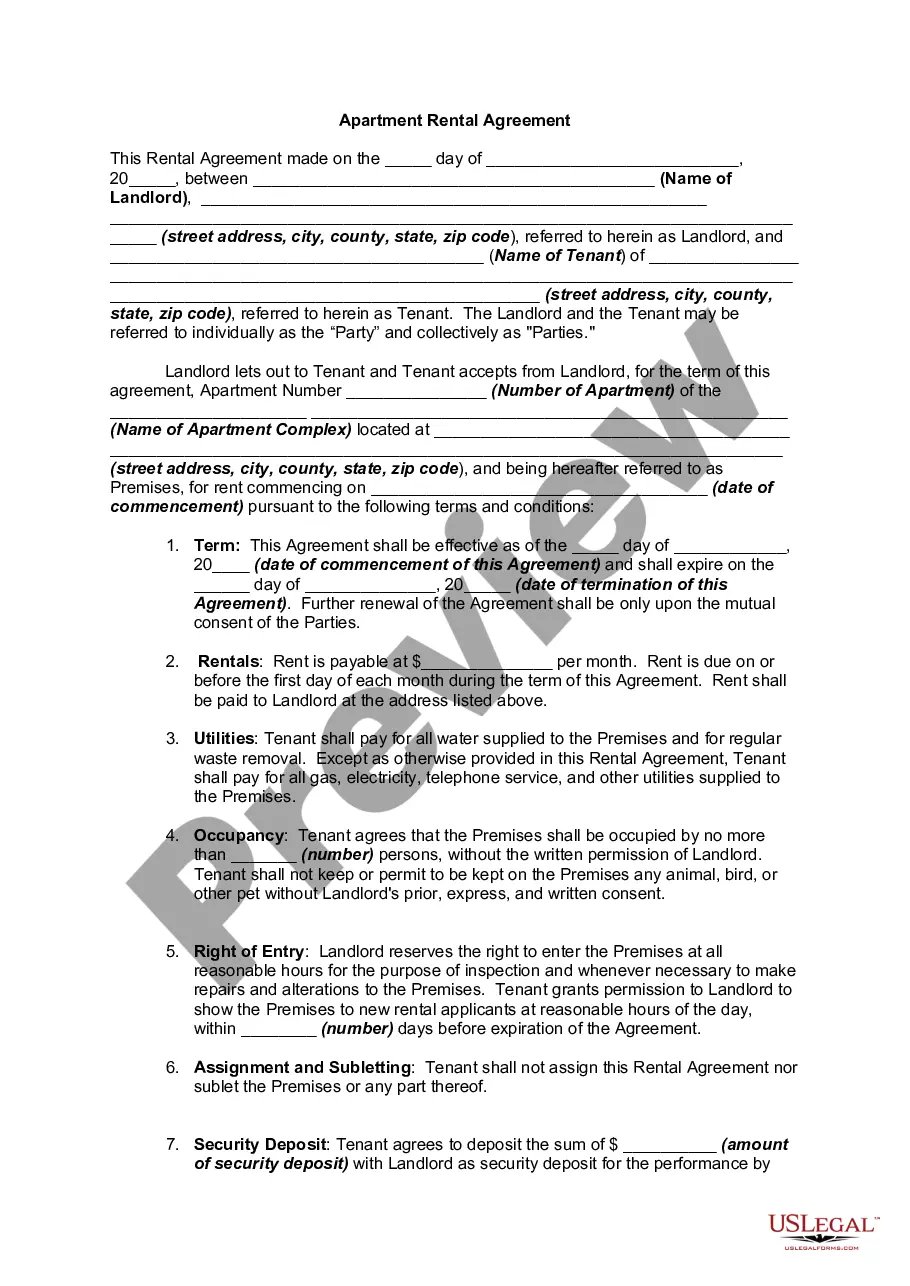
Removal Request Letter For Leave In San Jose
Description

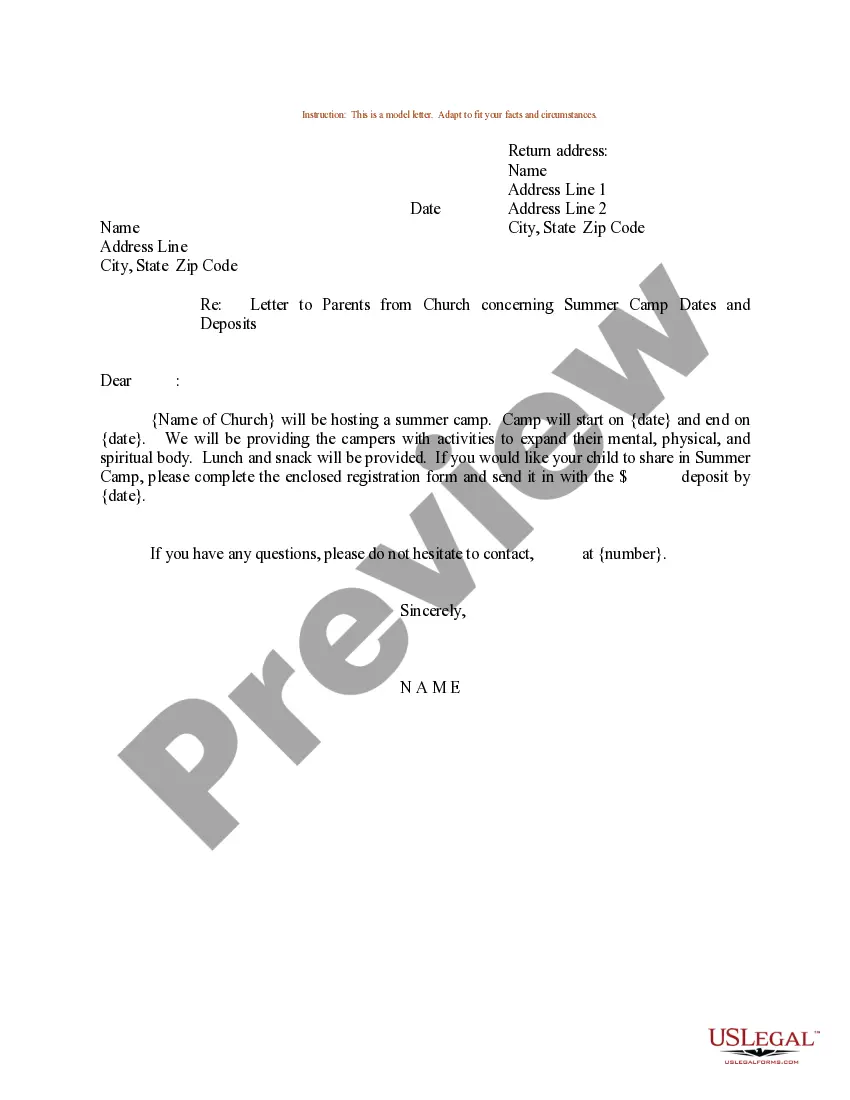
Get your form ready online
Our built-in tools help you complete, sign, share, and store your documents in one place.
Make edits, fill in missing information, and update formatting in US Legal Forms—just like you would in MS Word.
Download a copy, print it, send it by email, or mail it via USPS—whatever works best for your next step.
Sign and collect signatures with our SignNow integration. Send to multiple recipients, set reminders, and more. Go Premium to unlock E-Sign.
If this form requires notarization, complete it online through a secure video call—no need to meet a notary in person or wait for an appointment.
We protect your documents and personal data by following strict security and privacy standards.

Make edits, fill in missing information, and update formatting in US Legal Forms—just like you would in MS Word.

Download a copy, print it, send it by email, or mail it via USPS—whatever works best for your next step.

Sign and collect signatures with our SignNow integration. Send to multiple recipients, set reminders, and more. Go Premium to unlock E-Sign.

If this form requires notarization, complete it online through a secure video call—no need to meet a notary in person or wait for an appointment.

We protect your documents and personal data by following strict security and privacy standards.
Looking for another form?








Form popularity
FAQ
How to write a 30-day resignation letter Begin by addressing your letter. State the purpose of your letter. Include your date of resignation. Explain your reason for leaving. Include a statement of gratitude. Discuss next steps. Offer to help during your transition. Close your letter.
Information to include in your 30-day notice letter. Landlord contact information. Tenant contact information. Property address. Current date (when the 30 days begins) Signature.
The eviction process for landlords Give notice. You have to give your tenant a written Notice before you start an eviction court case. Start a court case. Ask for trial date or default judgment. Go to trial. After the judge decides.
Template: 30 Day Notice to Vacate Dear your landlord or property manager's name, I am writing to inform you I will be vacating my rental unit on date you intend to vacate. This letter meets the 30-day notice requirement outlined in my lease agreement.
How to Properly Write a Notice to Vacate Letter Date of the notice. Tenant's name and rental address. A request asking the tenant to vacate the rental by a specific date, typically at least 30 days out. The reason for termination if there is cause.
3-day Notice to Quit (Move out because of serious lease violation) A landlord gives their tenant a 3-day Notice to Quit (move out) if they think the tenant is responsible for serious problems at the rental home like: Causing or allowing a nuisance on the property (like a dangerous dog)
California's Tenant Protection Act The only lawful way to evict a tenant is to file lawsuit and wait for the court to order the Sheriff or Marshal to carry out the eviction. Landlords cannot change the locks, shut off power, or remove personal property in order to force a tenant out of their home.
A landlord gives their tenant a 3-day Notice to Quit (move out) if they think the tenant is responsible for serious problems at the rental home like: Causing or allowing a nuisance on the property (like a dangerous dog) Doing something illegal (like sell drugs) at the home.
Here are the general steps involved: Serve an eviction notice: Begin by serving your family member with a written notice to vacate the property. File an eviction lawsuit: If your family member does not comply with the notice, you'll need to file an eviction lawsuit, also known as an unlawful detainer action.