Removal Request Letter For Approval In Queens
Description

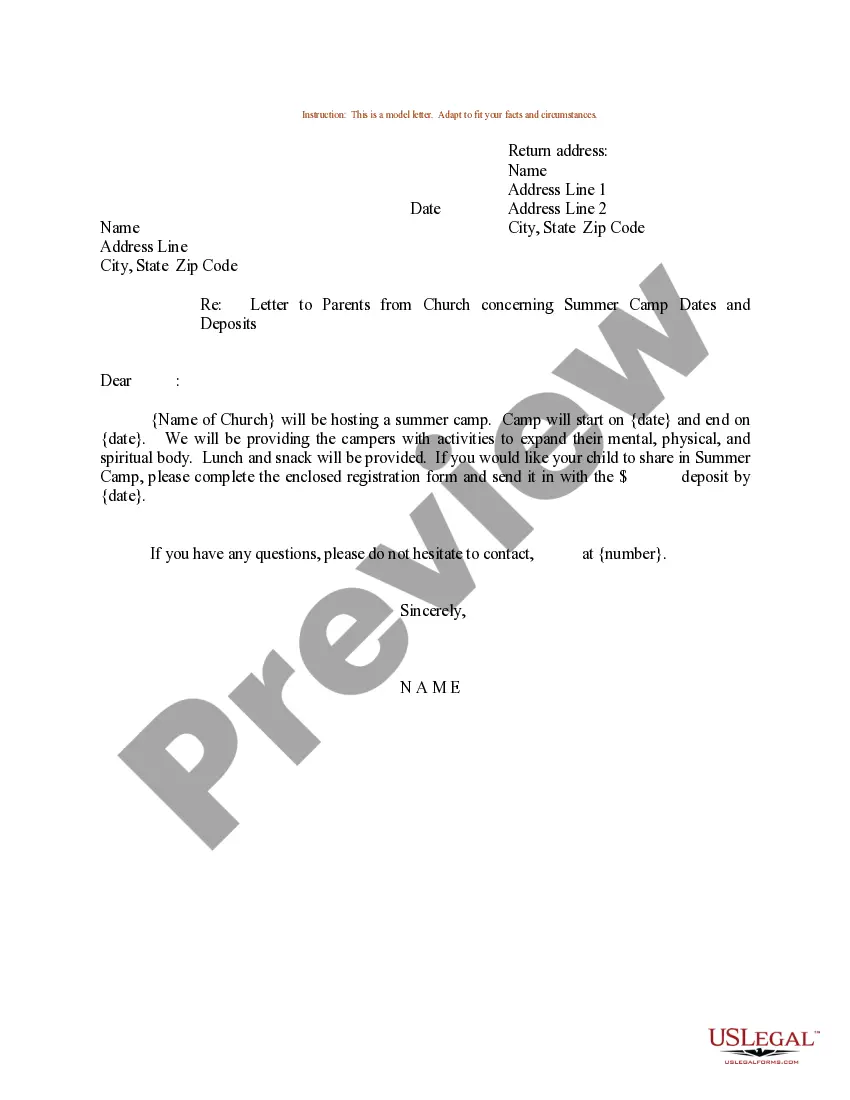
Get your form ready online
Our built-in tools help you complete, sign, share, and store your documents in one place.
Make edits, fill in missing information, and update formatting in US Legal Forms—just like you would in MS Word.
Download a copy, print it, send it by email, or mail it via USPS—whatever works best for your next step.
Sign and collect signatures with our SignNow integration. Send to multiple recipients, set reminders, and more. Go Premium to unlock E-Sign.
If this form requires notarization, complete it online through a secure video call—no need to meet a notary in person or wait for an appointment.
We protect your documents and personal data by following strict security and privacy standards.

Make edits, fill in missing information, and update formatting in US Legal Forms—just like you would in MS Word.

Download a copy, print it, send it by email, or mail it via USPS—whatever works best for your next step.

Sign and collect signatures with our SignNow integration. Send to multiple recipients, set reminders, and more. Go Premium to unlock E-Sign.

If this form requires notarization, complete it online through a secure video call—no need to meet a notary in person or wait for an appointment.

We protect your documents and personal data by following strict security and privacy standards.
Looking for another form?




Form popularity
FAQ
Class B: "hazardous" conditions Entrance door to apartment should be self-closing. Roaches and/or mice. Bedbug infestation. No smoke detector and/or carbon monoxide detector in apartment. Entrance door lock/knob is defective.
In New York City, selling a home with violations is not illegal, but it can present challenges. Violations can range from minor code infractions to more serious issues like safety hazards, and they often deter potential buyers.
Less severe than Class A misdemeanors, Class B misdemeanors include crimes such as: Adultery. Prostitution. Criminal possession of marijuana. Harassment in the first degree.
This class includes hotels, lodging houses, rooming houses, boarding houses, boarding schools, furnished room houses, lodgings, club houses, and college and school dormitories.” Please note that Department of Finance (“DOF”) Tax Classifications shows a building's tax status, which may not be the same as the legal use ...
Class C violations are classified as “immediately hazardous” violations. They include inadequate heat in the winter months, the presence of rodents, peeling lead paint in homes with small children, no hot water, mold, and mildew. Property owners must correct these issues within 24 hours of receiving the NOV.
To get a No Objection letter, you first must contact your home country's relevant government department or your home country's embassy in Washington D.C. Your home country may choose to grant you permission not to undergo the two-year home country presence requirement – it might also decline your request.
To request a Letter of No Objection, go to the DOB Borough Office where your property is located.
A TCO is the easiest to obtain, and the whole process takes about 6 months, or more, to complete. All you need are temporary approvals from the NYC DOB on the following essential items: Temporary Construction Sign Off.