Removal Request Letter With Numerous Questions In Pennsylvania
Description

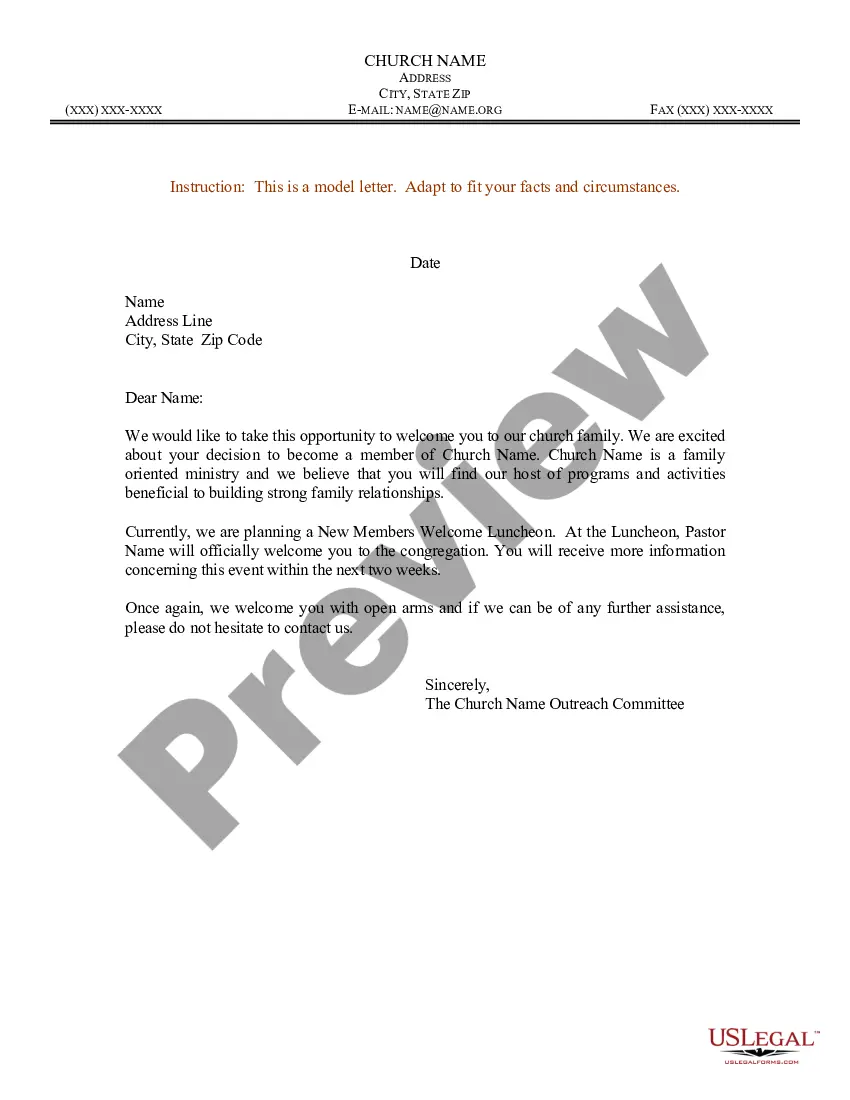
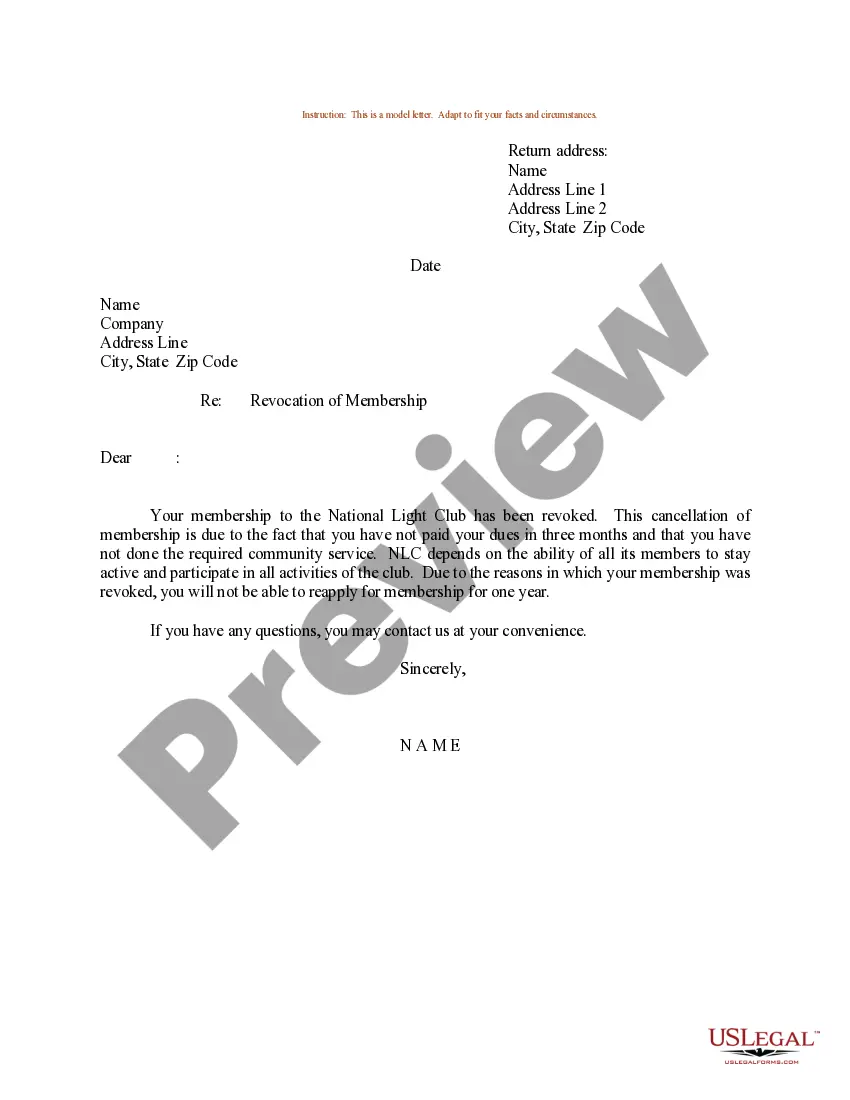
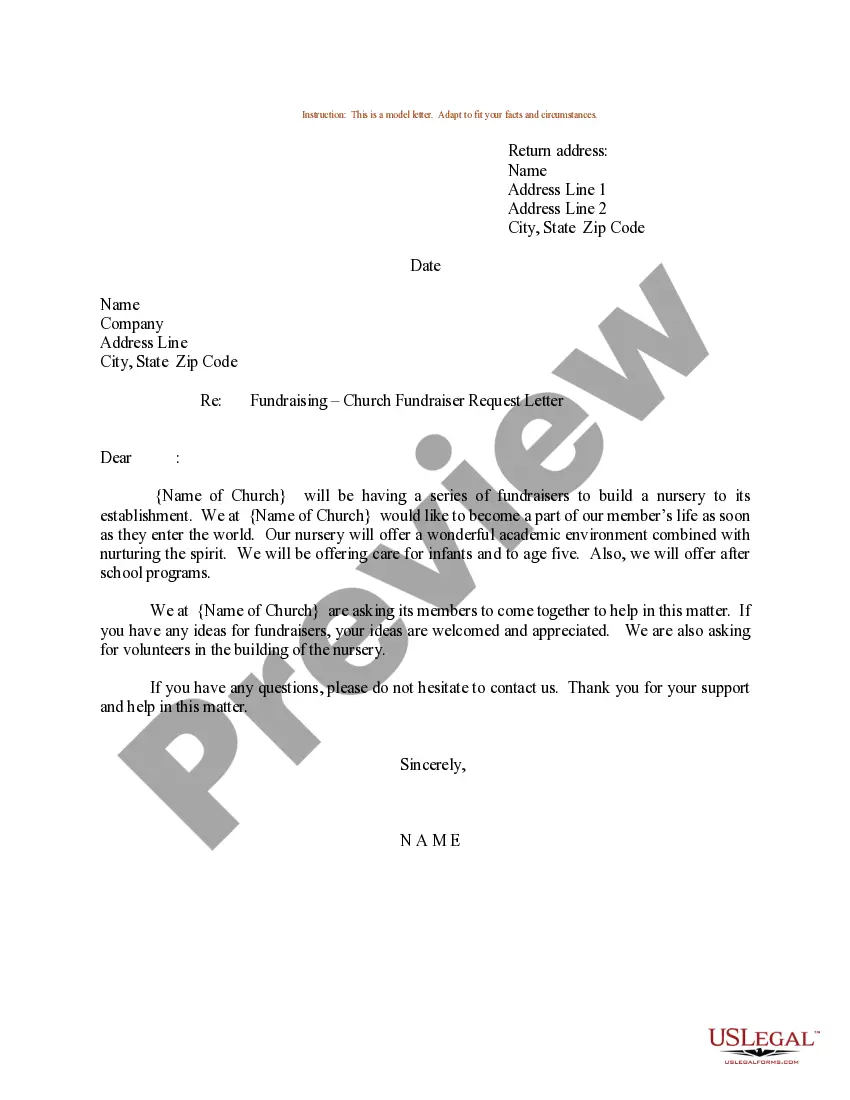
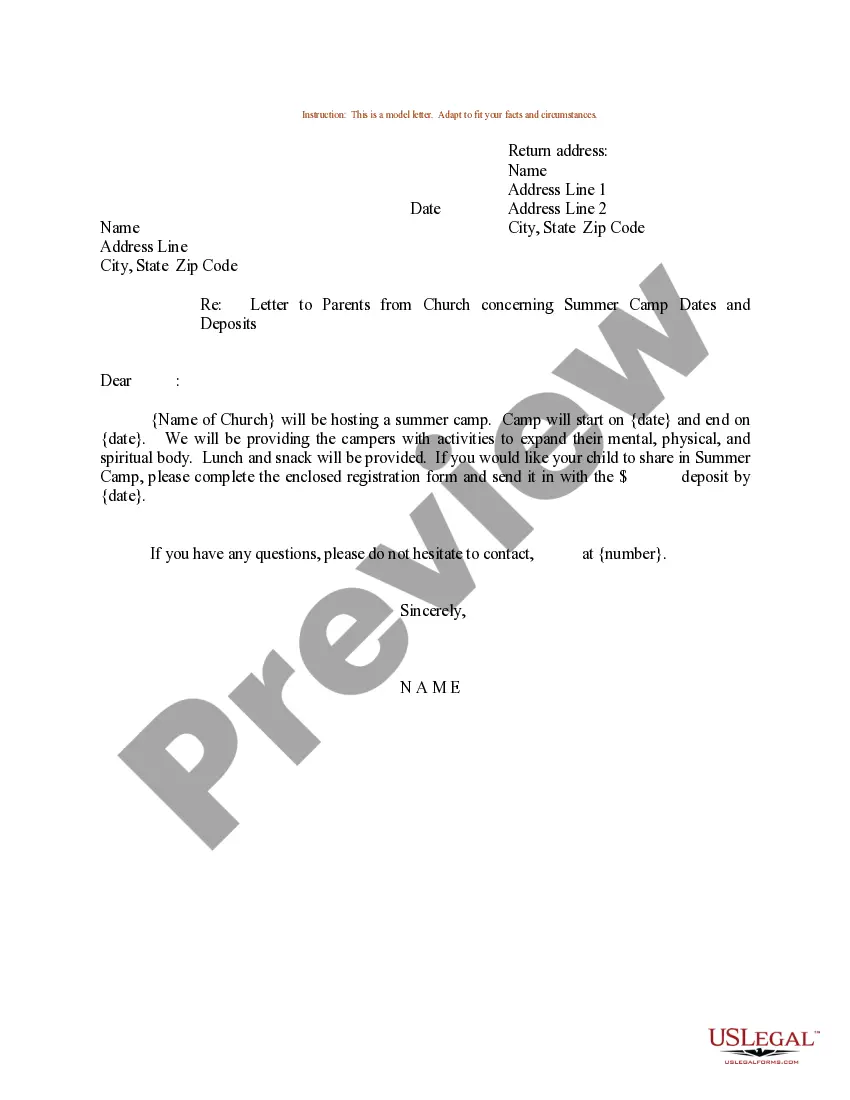
Get your form ready online
Our built-in tools help you complete, sign, share, and store your documents in one place.
Make edits, fill in missing information, and update formatting in US Legal Forms—just like you would in MS Word.
Download a copy, print it, send it by email, or mail it via USPS—whatever works best for your next step.
Sign and collect signatures with our SignNow integration. Send to multiple recipients, set reminders, and more. Go Premium to unlock E-Sign.
If this form requires notarization, complete it online through a secure video call—no need to meet a notary in person or wait for an appointment.
We protect your documents and personal data by following strict security and privacy standards.

Make edits, fill in missing information, and update formatting in US Legal Forms—just like you would in MS Word.

Download a copy, print it, send it by email, or mail it via USPS—whatever works best for your next step.

Sign and collect signatures with our SignNow integration. Send to multiple recipients, set reminders, and more. Go Premium to unlock E-Sign.

If this form requires notarization, complete it online through a secure video call—no need to meet a notary in person or wait for an appointment.

We protect your documents and personal data by following strict security and privacy standards.
Looking for another form?




Form popularity
FAQ
Pennsylvania's Right to Know Law (RTKL) gives people access to the public records of government agencies. Read the Department of the Auditor General's RTKL policy.
Under the Right-To-Know Law, all records are presumed to be public records unless disclosure is barred by: (1) state or federal law or regulation; (2) judicial order; (3), privilege, e.g., attorney-client or doctor-patient; or (4) one of the exceptions in Section 708 of the Right-to-Know Law.
You may be advised to file a complaint with the Pennsylvania Human Relations Commission (PHRC). We cannot forward your complaint to the PHRC. You must personally contact that agency and file the appropriate paperwork within 180 days of the alleged act of harm.
A FOIA request can be made for any agency record. You can also specify the format in which you wish to receive the records (for example, printed or electronic form). The FOIA does not require agencies to create new records or to conduct research, analyze data, or answer questions when responding to requests.
Section 708. Exceptions for public records. (1) The burden of proving that a record of a Commonwealth agency or local agency is exempt from public access shall be on the Commonwealth agency or local agency receiving a request by a preponderance of the evidence.
The FOI/PA generally provides that any person has a right of access to federal agency records, except to the extent that such records (or potions thereof) are protected from disclosure by one of nine exemptions or by one of three special law enforcement record exclusions.
Information/data that is NOT covered by the Freedom of Information Act (FOIA) includes: Non-agency records and personal records. Public requests for access to physical artifacts or scientific samples (e.g. core samples, sediment, rocks, fossils, specimen samples, blood samples).
Generally provides that any person has the right to request access to federal agency records or information except to the extent the records are protected from disclosure by any of nine exemptions contained in the law or by one of three special law enforcement record exclusions.
Pennsylvania's new Right-to-Know Law contains exceptions for 30 categories of records. Most do not apply to financial records or aggregated data, such as spreadsheets and databases.
A summary of the exceptions follows: 1. LOSS OF FUNDS/PERSONAL SECURITY: Records that, if disclosed, would result in the loss of federal or state funds. Also, records whose release would be reasonably likely to result in substantial and demonstrable risk of physical harm to a person or to his or her personal security.

