Removal Request Letter For Bank Statement In Pennsylvania
Description

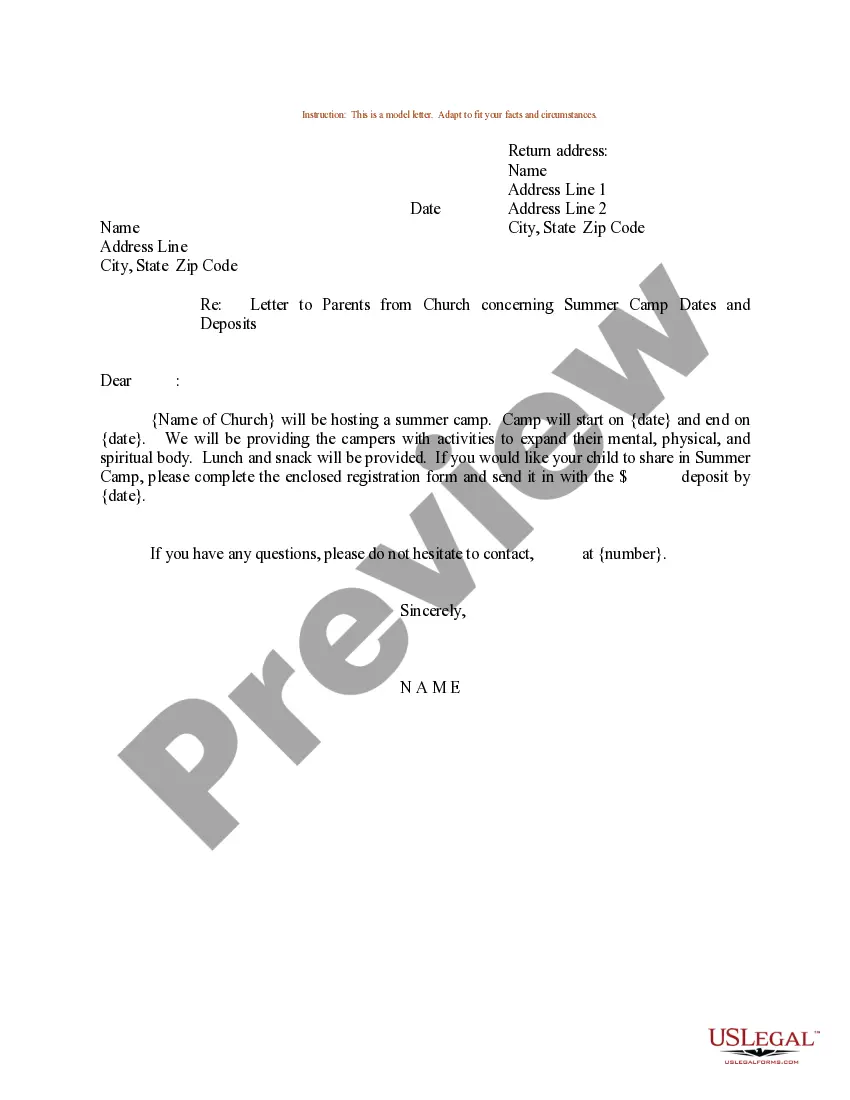
Get your form ready online
Our built-in tools help you complete, sign, share, and store your documents in one place.
Make edits, fill in missing information, and update formatting in US Legal Forms—just like you would in MS Word.
Download a copy, print it, send it by email, or mail it via USPS—whatever works best for your next step.
Sign and collect signatures with our SignNow integration. Send to multiple recipients, set reminders, and more. Go Premium to unlock E-Sign.
If this form requires notarization, complete it online through a secure video call—no need to meet a notary in person or wait for an appointment.
We protect your documents and personal data by following strict security and privacy standards.

Make edits, fill in missing information, and update formatting in US Legal Forms—just like you would in MS Word.

Download a copy, print it, send it by email, or mail it via USPS—whatever works best for your next step.

Sign and collect signatures with our SignNow integration. Send to multiple recipients, set reminders, and more. Go Premium to unlock E-Sign.

If this form requires notarization, complete it online through a secure video call—no need to meet a notary in person or wait for an appointment.

We protect your documents and personal data by following strict security and privacy standards.
Looking for another form?

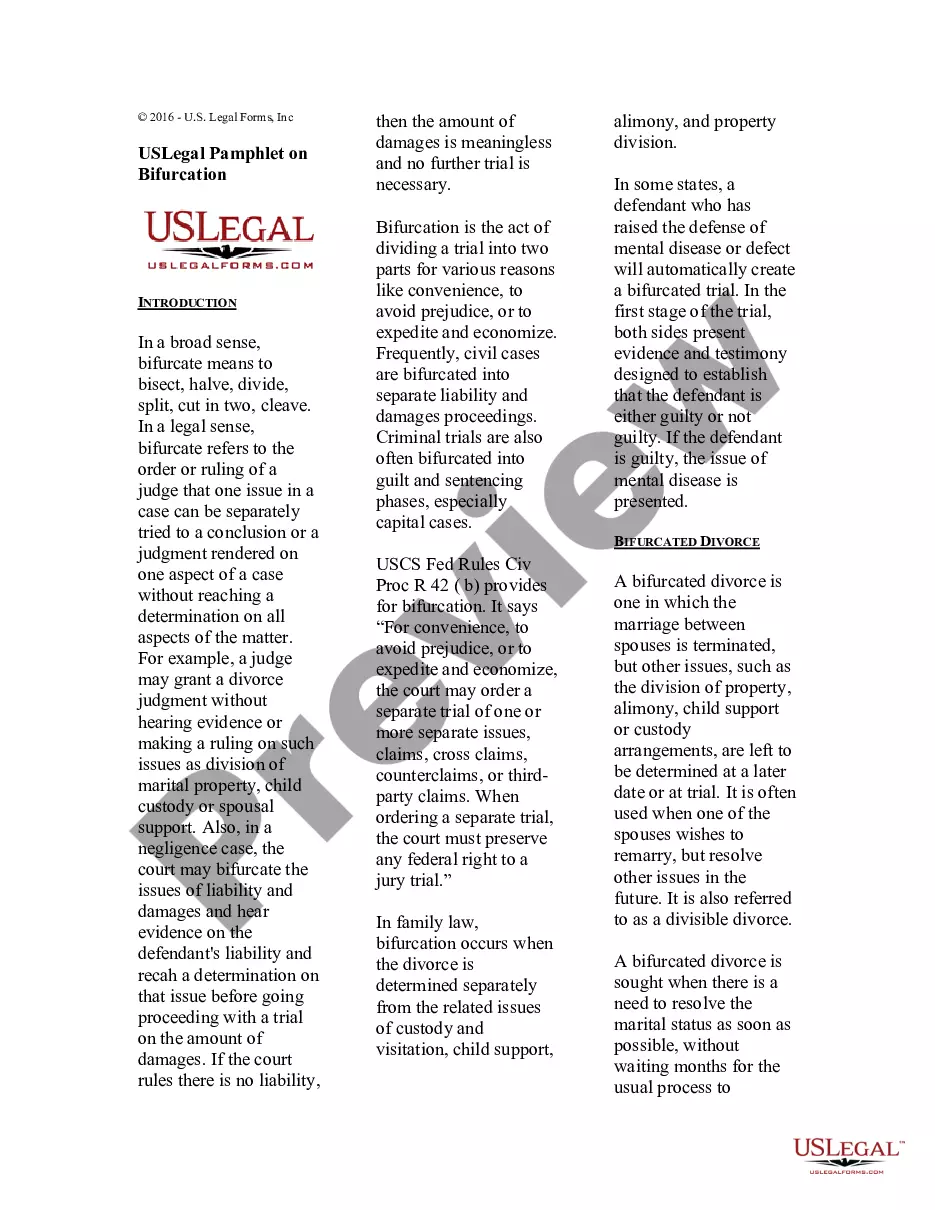




Form popularity
FAQ
A Rule 8 Hearing is generally the second court appearance in Felony and Gross Misdemeanor cases. Some counties will not hold a Rule 8 Hearing unless you specifically request one. But if held, the hearing is meant to advise you of your rights for a second time.
How Does Pennsylvania Small Claims Court Work? A small claims case starts by filing a claim with the Pennsylvania Magisterial District Court. You'll serve a copy of the claim and court date on the "defendant," the person or company you're suing. At the trial, you'll present evidence supporting your case.
7.1. No discovery or perpetuation of testimony is permitted except by petition for leave of Court or by agreement of the parties. (a) A petition shall set forth the nature of the discovery sought, the reasons why the discovery is necessary and the time period within which discovery is to be completed.
(c) A hard copy of the legal paper shall be signed and, as required, verified prior to the electronic filing of the legal paper, and the filing party shall retain such hard copy as required by Pa. O.C.
The Orphans' Court has jurisdiction over estates, which often involve giving control over another person's property. The Orphans' Court may receive filings in a decedent's estate, an incapacitated person's estate or a minor's estate. A decedent's estate may have distribution or inheritance issues to settle.
RULE 2.5 – Notice of Account Filing Orphans' Court Rule 2.5, notice of an account filing shall also be made by the Clerk of the Orphans' Court giving notice by advertisement of the date, time, and place of each monthly submission of accounts to the Court.
Rule 8.2 - Motions for Reconsideration (a) By motion, a party may request the court to reconsider any order that is final under Pa. R.A.P. 341(b) or 342, or interlocutory orders subject to immediate appeal under Pa.
Conclusion: Going to small claims court may be worth it for $500, but it will determine how you weigh your costs versus benefits. At a minimum, it is worth it to send a demand letter.
--A fictitious name registration under this chapter may be cancelled, or a party to such a registration may withdraw therefrom, by filing in the department an application for cancellation of fictitious name registration or an application for withdrawal from fictitious name registration, as the case may be, which shall ...
A small claims case starts by filing a claim with the Pennsylvania Magisterial District Court. You'll serve a copy of the claim and court date on the "defendant," the person or company you're suing. At the trial, you'll present evidence supporting your case.