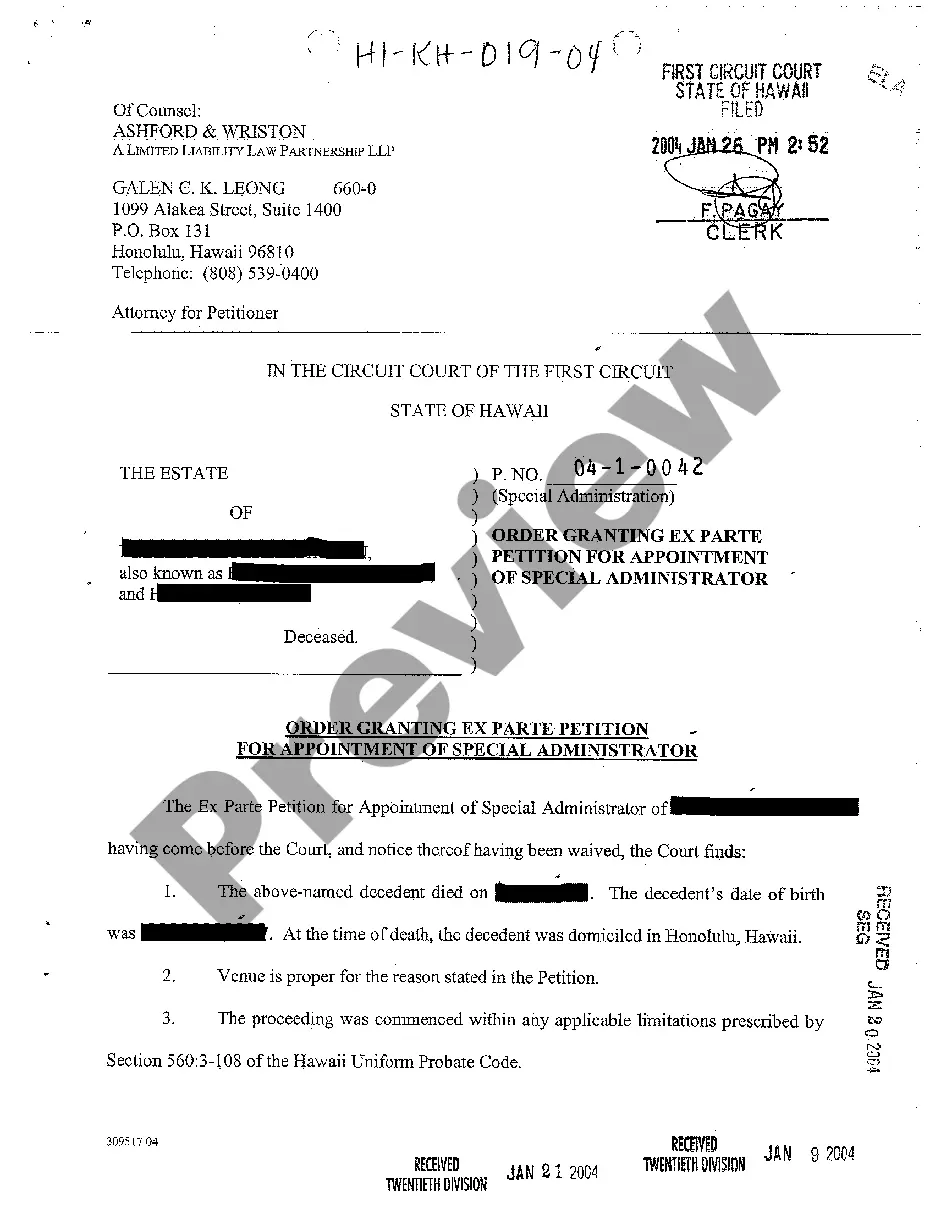
Removal Request Letter Format In Ohio
Description

Get your form ready online
Our built-in tools help you complete, sign, share, and store your documents in one place.
Make edits, fill in missing information, and update formatting in US Legal Forms—just like you would in MS Word.
Download a copy, print it, send it by email, or mail it via USPS—whatever works best for your next step.
Sign and collect signatures with our SignNow integration. Send to multiple recipients, set reminders, and more. Go Premium to unlock E-Sign.
If this form requires notarization, complete it online through a secure video call—no need to meet a notary in person or wait for an appointment.
We protect your documents and personal data by following strict security and privacy standards.

Make edits, fill in missing information, and update formatting in US Legal Forms—just like you would in MS Word.

Download a copy, print it, send it by email, or mail it via USPS—whatever works best for your next step.

Sign and collect signatures with our SignNow integration. Send to multiple recipients, set reminders, and more. Go Premium to unlock E-Sign.

If this form requires notarization, complete it online through a secure video call—no need to meet a notary in person or wait for an appointment.

We protect your documents and personal data by following strict security and privacy standards.
Looking for another form?









Form popularity
FAQ
A party or an attorney may seek a judge's removal from a case by filing an affidavit of disqualification with the the Supreme Court of Ohio Office of the Clerk. The filing requirements and relevant procedures are set forth in R.C. 2701.03 and S. Ct.
A party or an attorney may seek a judge's removal from a case by filing an affidavit of disqualification with the the Supreme Court of Ohio Office of the Clerk. The filing requirements and relevant procedures are set forth in R.C. 2701.03 and S. Ct.
When must the documents be filed? The documents required to file a jurisdictional appeal or an appeal of right are due no later than 45 days after the entry of the judgment being appealed.
Judges may not hear cases in which they have either personal knowledge of the disputed facts, a personal bias concerning a party to the case, earlier involvement in the case as a lawyer, or a financial interest in any party or subject matter of the case.
Except for motions made during a hearing or during trial, motions are required to be in writing. They must also be filed in court and served on the opposing party's attorney (or the party if not represented by counsel). If the motion is contested, the opposing attorneys will also file papers opposing the motion.
IRS Penalty Abatement Request Letter State the type of penalty you want removed. Include an explanation of the events and specific facts and circumstances of your situation, and explain how these events were outside of your control. Attach documents that will prove your case.
(1) The judge has personal knowledge of disputed evidentiary facts. (2) The judge served as lawyer for a party in the past two years. (3) The judge has actual bias in favor of or against any party and the judge has substantial doubt as to his or her capacity to be impartial.
The court of appeals may review the factual findings made by the trial court or agency, but generally may overturn a decision on factual grounds only if the findings were “clearly erroneous.”