Letter To Church Members In Miami-Dade
Description

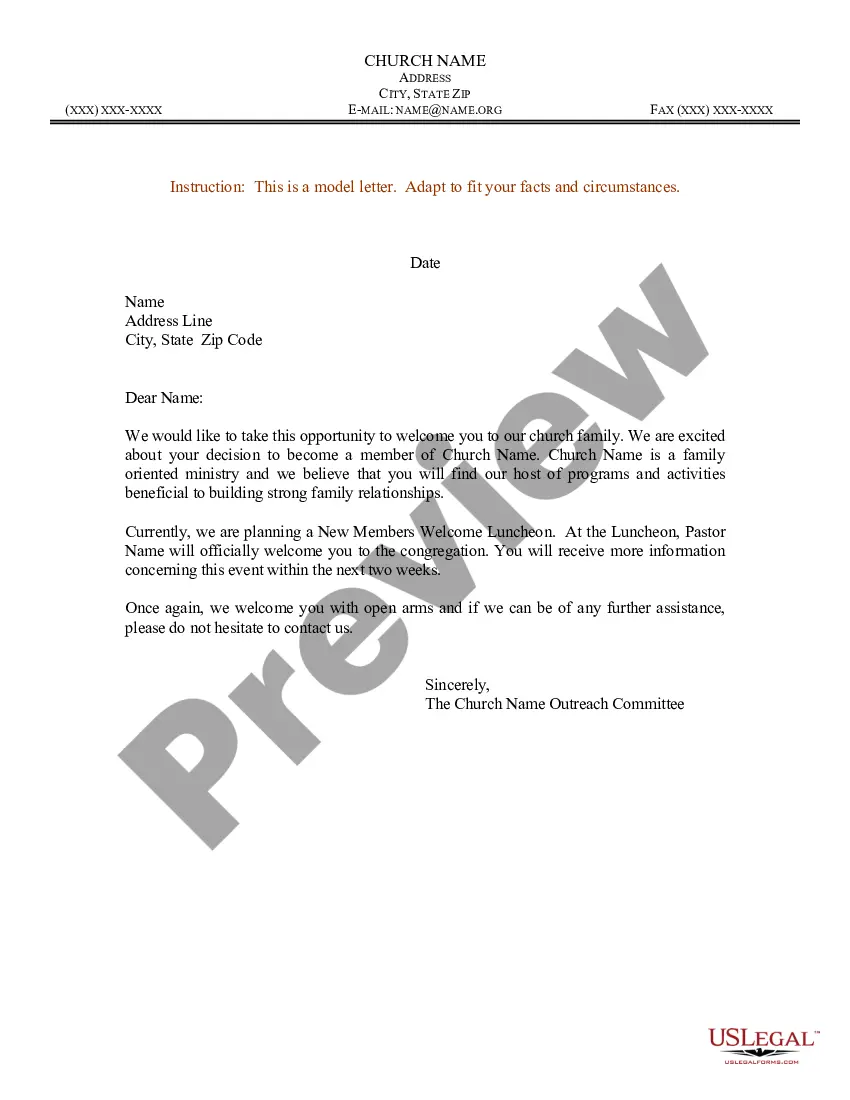
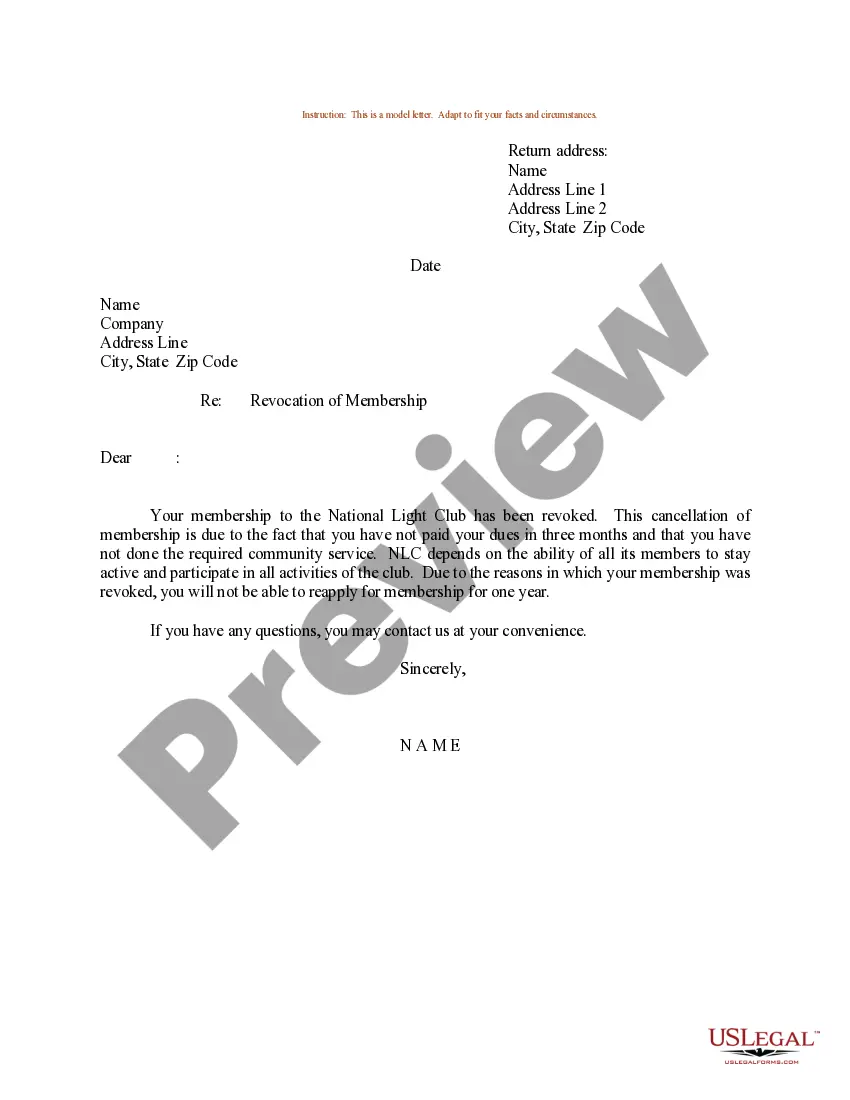
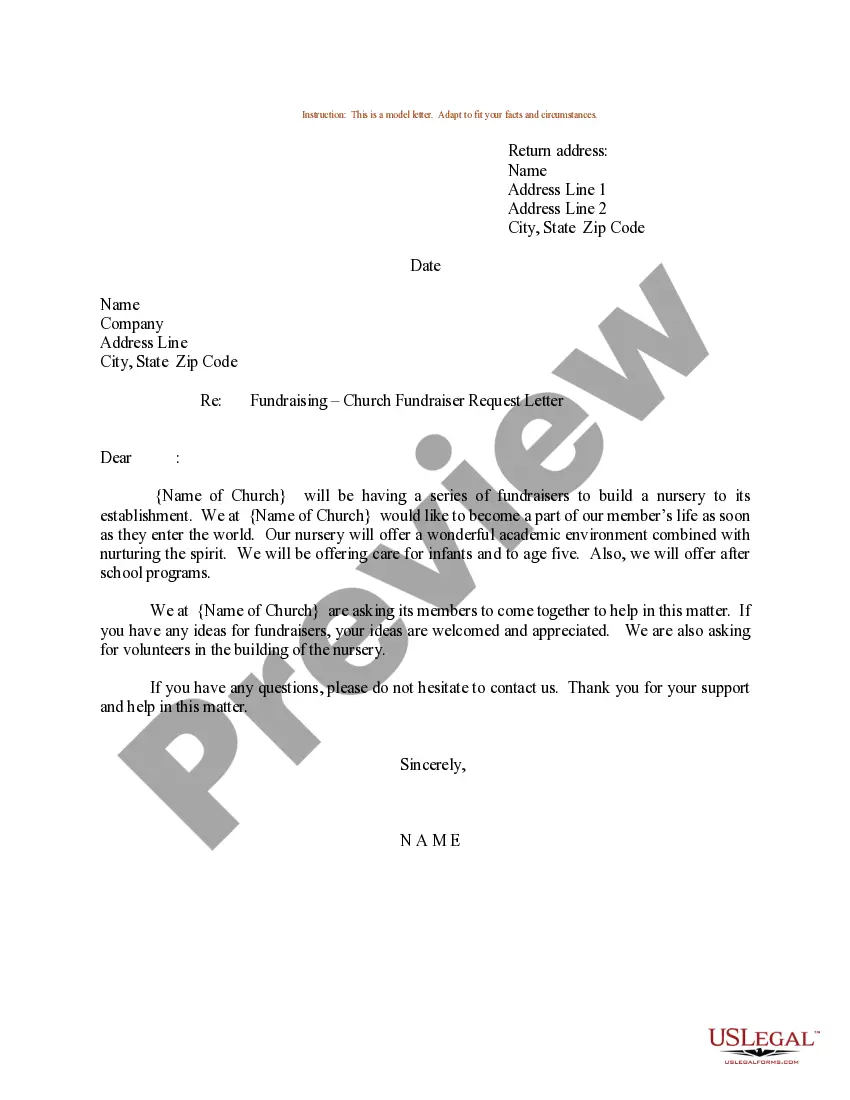
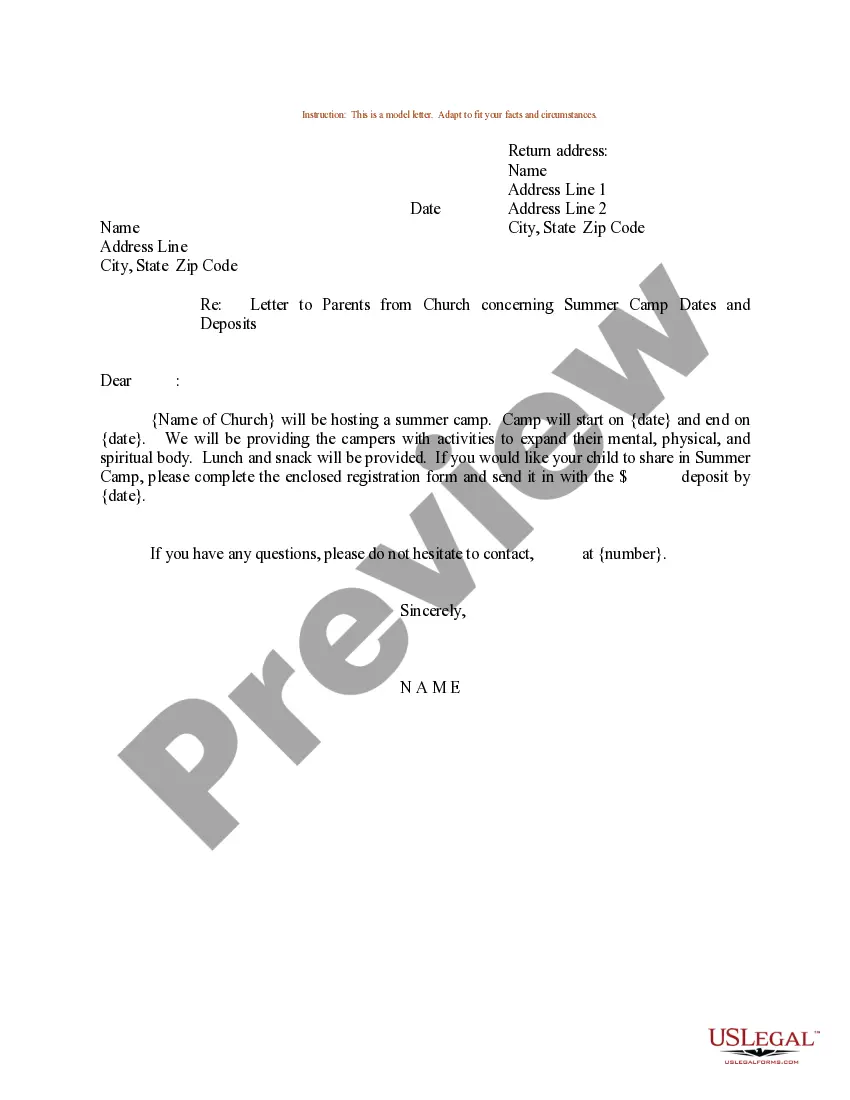
Get your form ready online
Our built-in tools help you complete, sign, share, and store your documents in one place.
Make edits, fill in missing information, and update formatting in US Legal Forms—just like you would in MS Word.
Download a copy, print it, send it by email, or mail it via USPS—whatever works best for your next step.
Sign and collect signatures with our SignNow integration. Send to multiple recipients, set reminders, and more. Go Premium to unlock E-Sign.
If this form requires notarization, complete it online through a secure video call—no need to meet a notary in person or wait for an appointment.
We protect your documents and personal data by following strict security and privacy standards.

Make edits, fill in missing information, and update formatting in US Legal Forms—just like you would in MS Word.

Download a copy, print it, send it by email, or mail it via USPS—whatever works best for your next step.

Sign and collect signatures with our SignNow integration. Send to multiple recipients, set reminders, and more. Go Premium to unlock E-Sign.

If this form requires notarization, complete it online through a secure video call—no need to meet a notary in person or wait for an appointment.

We protect your documents and personal data by following strict security and privacy standards.
Looking for another form?


Form popularity
FAQ
How to write a supporting letter Identify your purpose. Before writing your letter of support, it is important to understand the specific purpose it will accomplish. Know your audience. Brainstorm ideas. Organize your evidence. Write a rough draft. Proofread and revise. Submit your supporting letter.
Using Proper Salutations and Closings Begin your letter with a formal greeting such as “Dear Church Members”. End your letter with a blessing or prayer, such as “May God Bless You” or “In Christ's Love”.
Keep it Short and Personal. Always address members with their first names and keep everything simple. Make an excellent first impression by making your church attendees and members feel important and valued. As much as possible, please encourage them to participate or ask questions.
Writing Your Letter Use a proper greeting. Introduce yourself. State the favor you're asking. Keep it simple. Tell your recipient why the favor is important. Offer to provide assistance to the recipient. Close the letter politely. Proofread your letter before sending it.
Begin your letter with a formal greeting such as “Dear Church Members”. End your letter with a blessing or prayer, such as “May God Bless You” or “In Christ's Love”.
Start with a clear statement of purpose. Explain upfront that you are writing to ask for the pastor's assistance with a particular matter. Provide relevant background information. Give the pastor some context about your situation and why you are in need of help. Clearly describe what kind of help you are seeking.
Examples of Effective Church Visitor Letters Dear Visitor's Name, We are delighted that you chose to worship with us at Church Name on Date. Your presence was greatly appreciated, and we hope that you felt welcomed and inspired during your time with us.
Start with a clear statement of purpose. Explain upfront that you are writing to ask for the pastor's assistance with a particular matter. Provide relevant background information. Give the pastor some context about your situation and why you are in need of help. Clearly describe what kind of help you are seeking.
We thank the grace of God that you have chosen to join our community at name of your church. We hope that your time with us offers you the chance to explore and deepen your faith and enrich the love you have for the Lord. We look forward to greeting you properly at our service on date at time.
Welcome, welcome, welcome to our church family and visitors today! We're so excited to worship together and share the love of Jesus today. If we haven't met before, I'm name, the position at the church.
