Membership Withdrawal Letter Without Name In California
Description

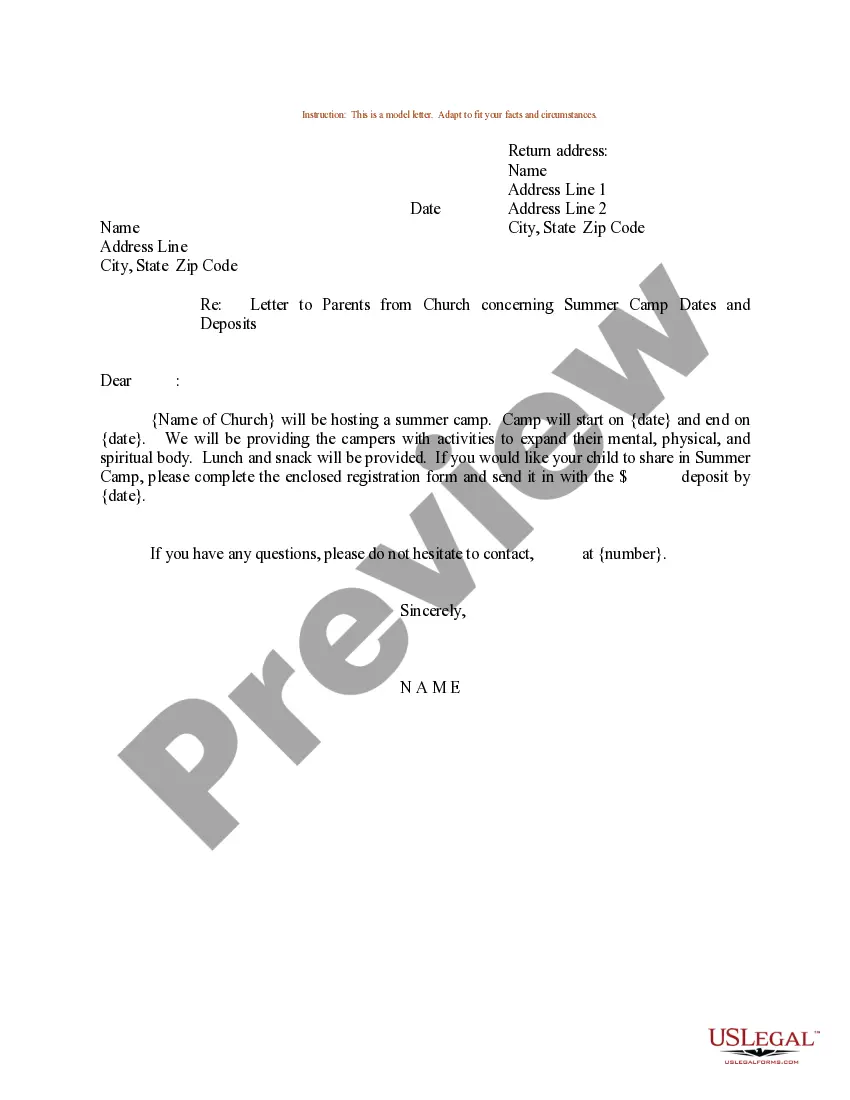
Get your form ready online
Our built-in tools help you complete, sign, share, and store your documents in one place.
Make edits, fill in missing information, and update formatting in US Legal Forms—just like you would in MS Word.
Download a copy, print it, send it by email, or mail it via USPS—whatever works best for your next step.
Sign and collect signatures with our SignNow integration. Send to multiple recipients, set reminders, and more. Go Premium to unlock E-Sign.
If this form requires notarization, complete it online through a secure video call—no need to meet a notary in person or wait for an appointment.
We protect your documents and personal data by following strict security and privacy standards.

Make edits, fill in missing information, and update formatting in US Legal Forms—just like you would in MS Word.

Download a copy, print it, send it by email, or mail it via USPS—whatever works best for your next step.

Sign and collect signatures with our SignNow integration. Send to multiple recipients, set reminders, and more. Go Premium to unlock E-Sign.

If this form requires notarization, complete it online through a secure video call—no need to meet a notary in person or wait for an appointment.

We protect your documents and personal data by following strict security and privacy standards.
Looking for another form?









Form popularity
FAQ
Many states have laws in place that require businesses who stop operating to cancel their name registration or DBA. It's not advisable to use an abandoned name as the original business may have trademarked its name with other states or at the federal level.
Because dissolved companies don't have a legal existence, you can reuse the name for your own company. The dissolved company and the new company will be separate legal entities, with none of the previous transactions transferred from the dissolved company to the new one.
One naming law that some find restrictive is California's ban on diacritics such as in José, a common Spanish name. The Office of Vital Records in California requires that names contain only the 26 alphabetical characters of the English language, plus hyphens and apostrophes.
And so the good news is the California Secretary of State's Office will accept a filing to form a new corporation even if it has the exact same name as a corporation that was previously dissolved.
If only one member is in your California LLC, that person can withdraw from an LLC for any reason by giving written notice to the California Secretary of State.
Explanation: When a member voluntarily withdraws from an LLC (Limited Liability Company), it is called a dissociation. Dissociation entails the member ceasing to be a part of the company and relinquishing their rights and responsibilities related to the LLC.
The statute contains a specific section, RSA 304-C:103, governing member withdrawals; “withdrawal” is the legal term for the act of voluntarily removing oneself from an LLC. Under RSA 304-C:103, a member of an LLC generally may withdraw from the LLC at any time by giving 30 days' written notice to the other members.
A resigning member will receive no compensation upon withdrawal. The member's interests will transfer to someone else. The member can sell their interests in the company (typically giving remaining members first right of refusal before offering them to someone outside of the LLC).