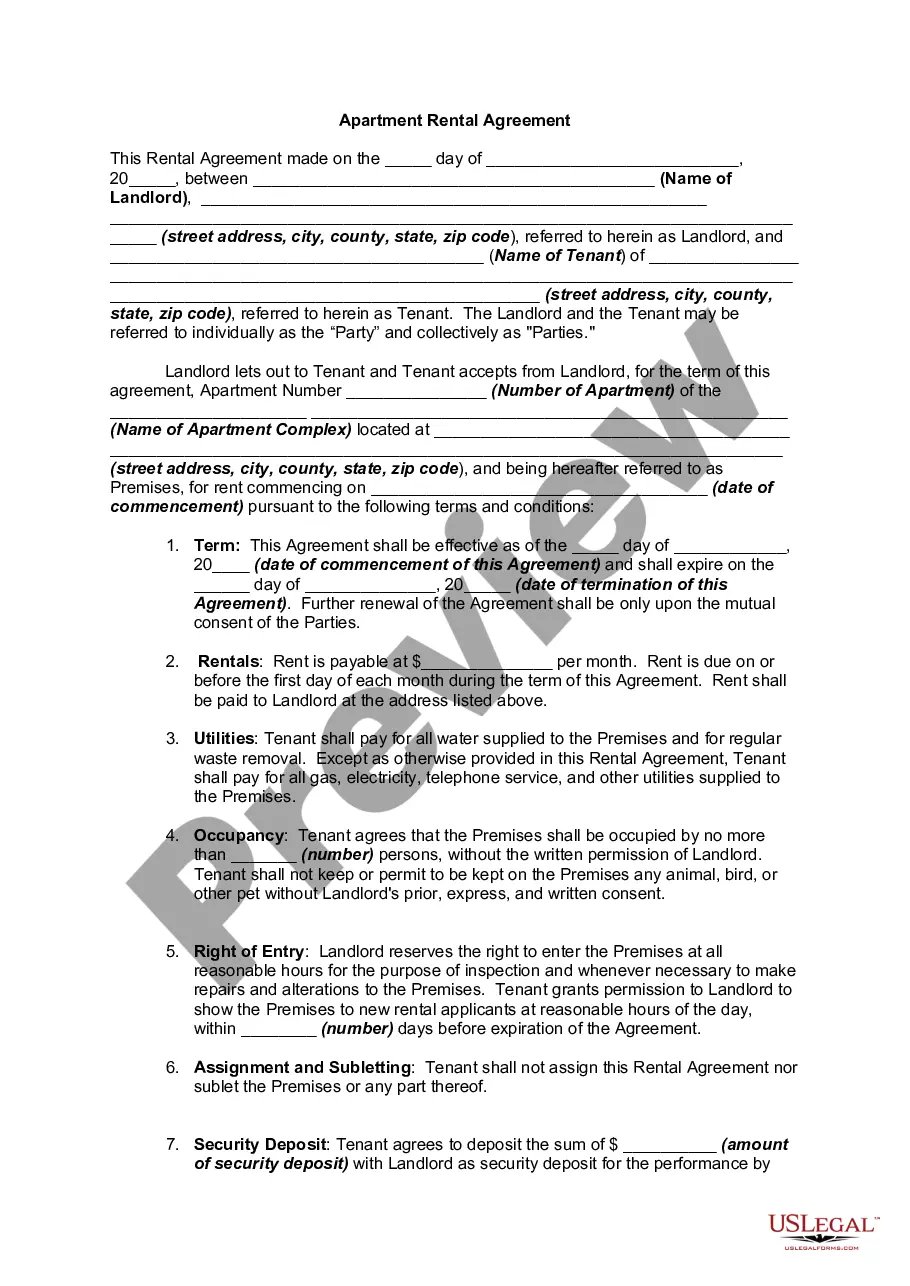
Removal Request Letter With Tax Id Number In Alameda
Description

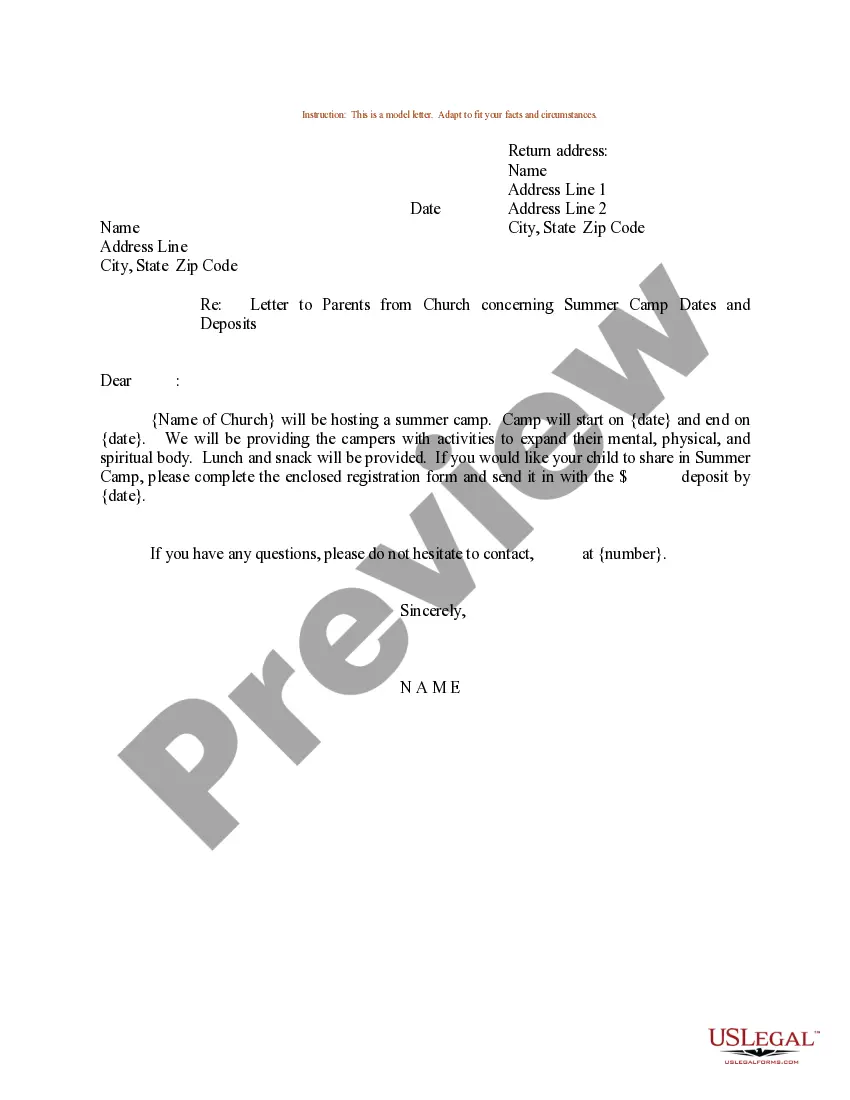
Get your form ready online
Our built-in tools help you complete, sign, share, and store your documents in one place.
Make edits, fill in missing information, and update formatting in US Legal Forms—just like you would in MS Word.
Download a copy, print it, send it by email, or mail it via USPS—whatever works best for your next step.
Sign and collect signatures with our SignNow integration. Send to multiple recipients, set reminders, and more. Go Premium to unlock E-Sign.
If this form requires notarization, complete it online through a secure video call—no need to meet a notary in person or wait for an appointment.
We protect your documents and personal data by following strict security and privacy standards.

Make edits, fill in missing information, and update formatting in US Legal Forms—just like you would in MS Word.

Download a copy, print it, send it by email, or mail it via USPS—whatever works best for your next step.

Sign and collect signatures with our SignNow integration. Send to multiple recipients, set reminders, and more. Go Premium to unlock E-Sign.

If this form requires notarization, complete it online through a secure video call—no need to meet a notary in person or wait for an appointment.

We protect your documents and personal data by following strict security and privacy standards.
Looking for another form?








Form popularity
FAQ
You can use the IRS's Interactive Tax Assistant tool to help determine if you should file an application to receive an Individual Taxpayer Identification Number (ITIN). To obtain an ITIN, you must complete IRS Form W-7, IRS Application for Individual Taxpayer Identification Number.
To deactivate your EIN, send us a letter with: Your entity's EIN, legal name and address. EIN assignment notice, if available. Your reason for deactivating your EIN.
How do I Cancel My EIN? The IRS cannot cancel your EIN. Once an EIN has been assigned to your LLC, it becomes a permanent Federal taxpayer identification number. Even if you have never used your EIN to file Federal tax returns, your specific EIN is never reused or reassigned to another business entity.
If they have a copy of the notice that the IRS issued with the EIN assignment, they should include that with the letter. They should write to the IRS at: Internal Revenue Service, Cincinnati, Ohio 45999.
Call the IRS. The best number to call is (+1) 800-829-4933. When you hear the various menu options, select option 1 for English or 2 for Spanish, then option 1 for EIN inquiries, and then option 3. You can call during IRS Business hours: a.m. - p.m. Eastern Standard Time (GMT-5).
Your EIN is a unique identifier for your business - it does not expire and, once a number has been assigned to a business, it is never issued again.
An EIN is the most used TIN by companies who employ individuals. However, you do not need to have employees to utilize an EIN. An EIN is not linked or associated with your SSN. As such, it provides additional personal privacy protection by using a different number than your SSN for reporting purposes.
Identity thieves target business tax IDs because they open doors to various types of fraud. A cybersecurity expert puts it plainly: "Your EIN deserves the same level of protection as your personal Social Security Number."
Can a Business Be Audited After It Closes? The IRS can audit your business after it closes. Audits must begin within three years of the return's filing date or its due date, whichever is later. Maintain meticulous records even after closing your business to comply with potential audits.
Regardless of whether or not an EIN was ever used, the number is PERMANENT. The IRS cannot cancel EIN numbers; however, the business account associated with the EIN may be closed. If the EIN is needed in the future, it will still belong to the business entity even after the account is closed.