Church Membership Request Letter With Numerous Questions In Alameda
Description

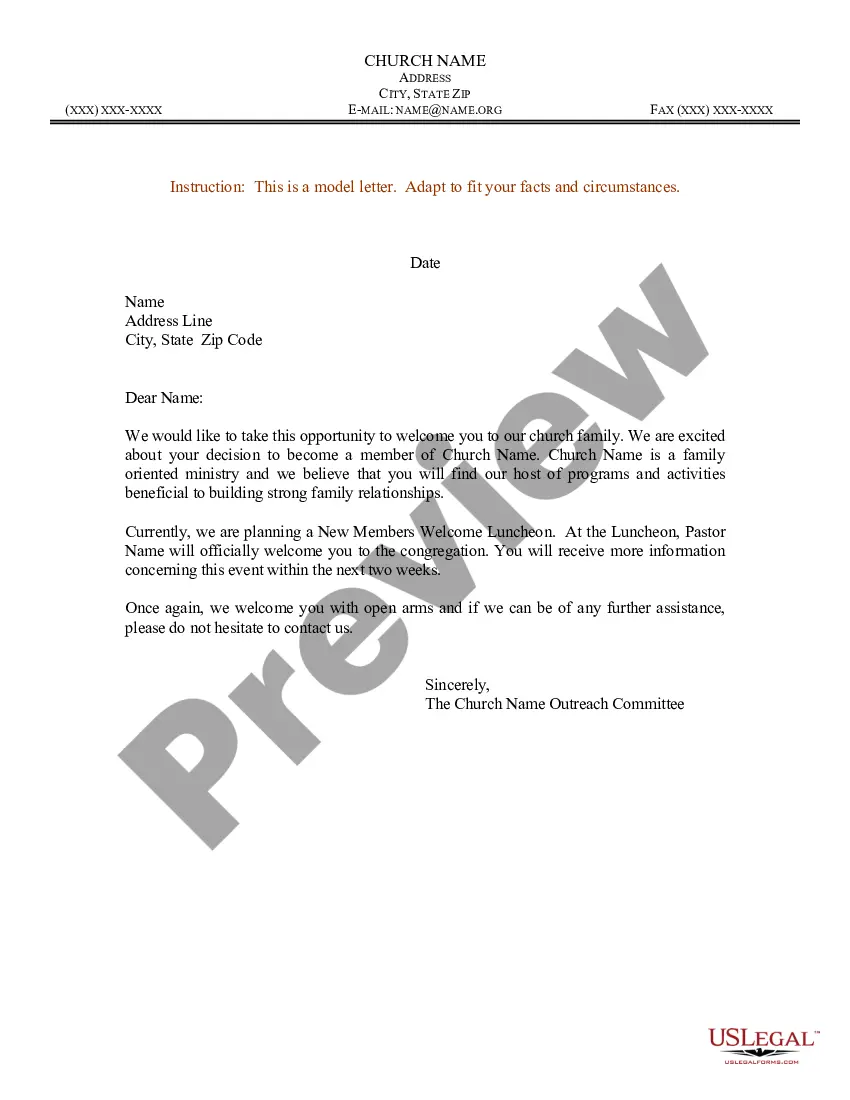
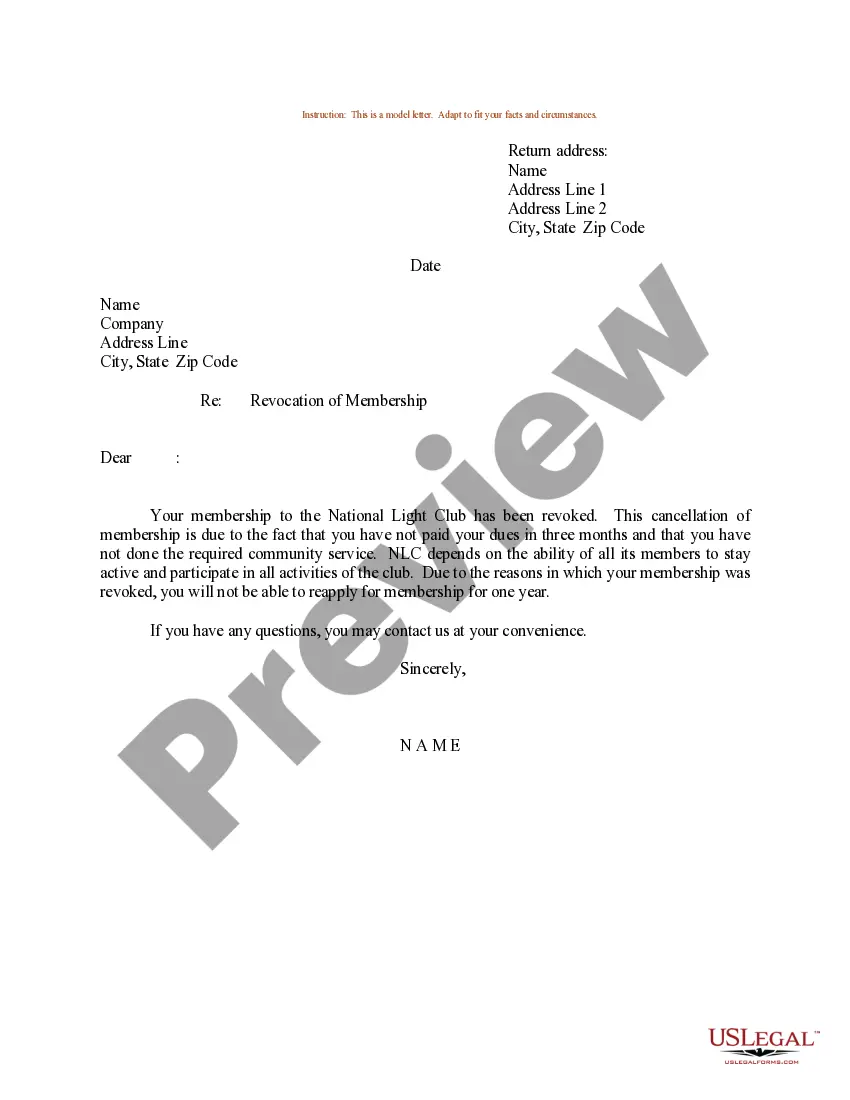
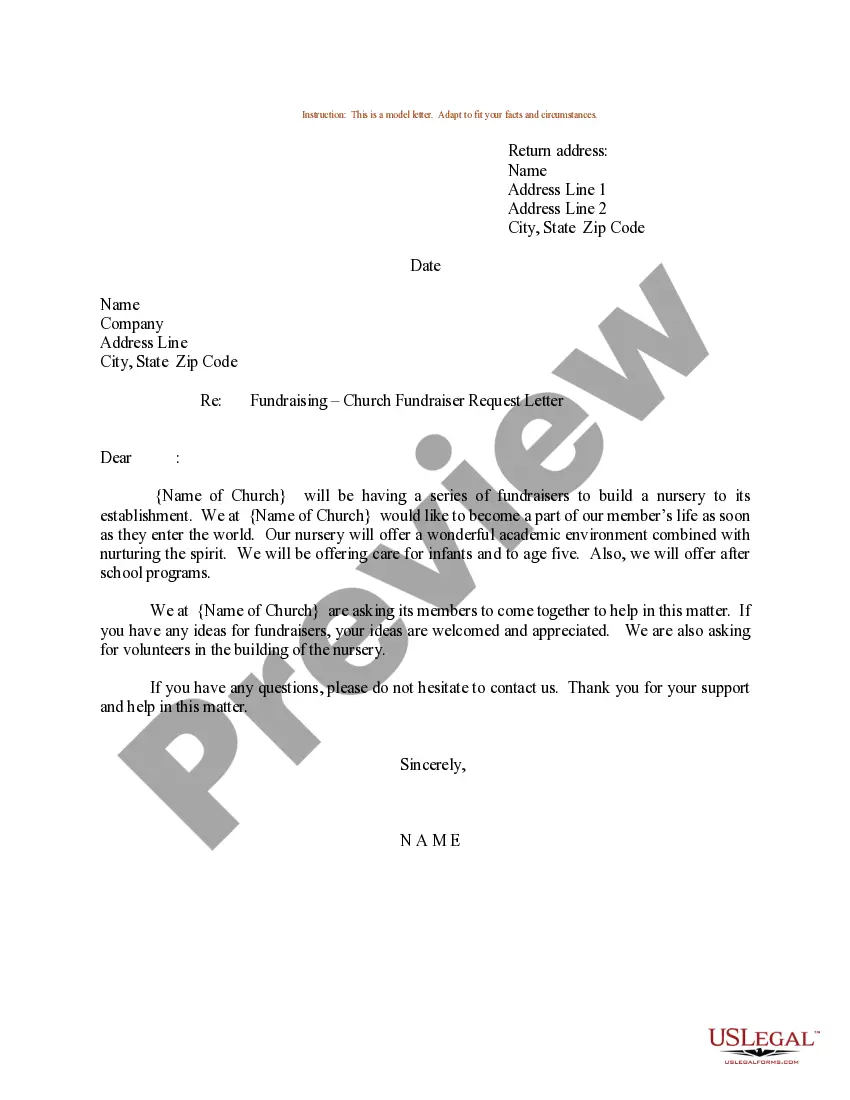
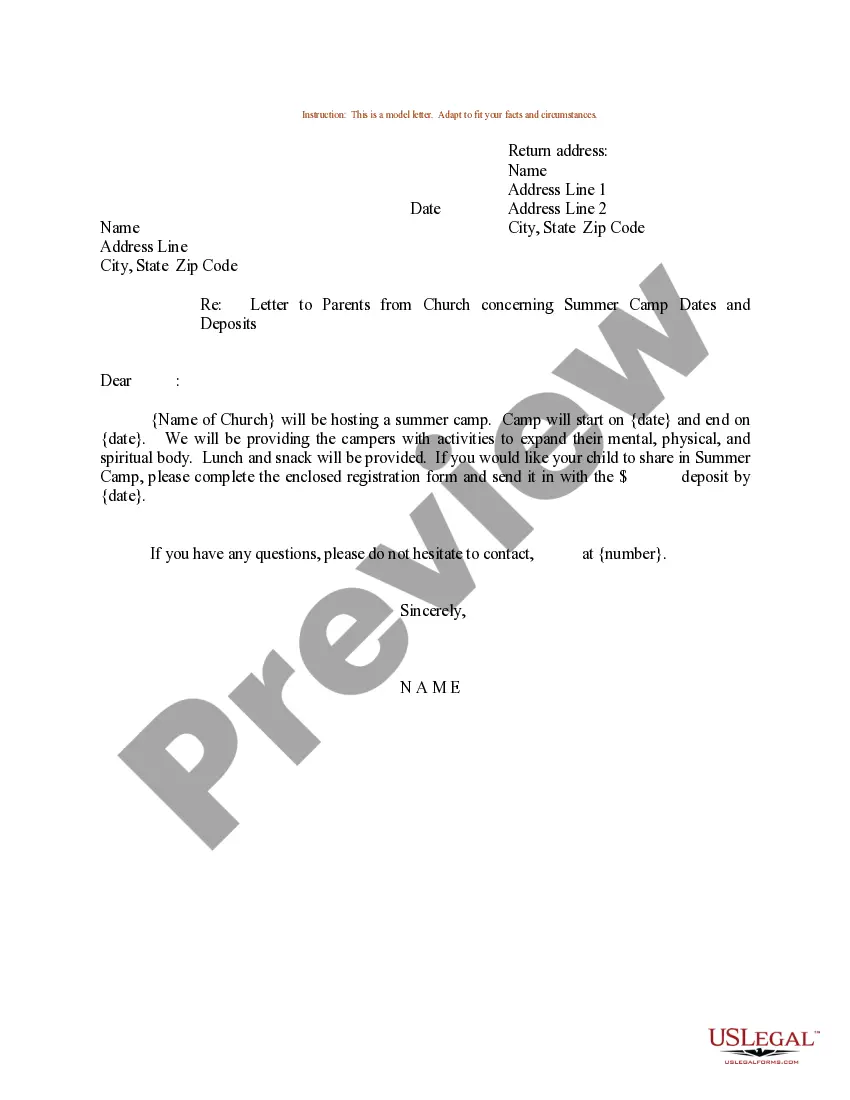
Get your form ready online
Our built-in tools help you complete, sign, share, and store your documents in one place.
Make edits, fill in missing information, and update formatting in US Legal Forms—just like you would in MS Word.
Download a copy, print it, send it by email, or mail it via USPS—whatever works best for your next step.
Sign and collect signatures with our SignNow integration. Send to multiple recipients, set reminders, and more. Go Premium to unlock E-Sign.
If this form requires notarization, complete it online through a secure video call—no need to meet a notary in person or wait for an appointment.
We protect your documents and personal data by following strict security and privacy standards.

Make edits, fill in missing information, and update formatting in US Legal Forms—just like you would in MS Word.

Download a copy, print it, send it by email, or mail it via USPS—whatever works best for your next step.

Sign and collect signatures with our SignNow integration. Send to multiple recipients, set reminders, and more. Go Premium to unlock E-Sign.

If this form requires notarization, complete it online through a secure video call—no need to meet a notary in person or wait for an appointment.

We protect your documents and personal data by following strict security and privacy standards.
Looking for another form?








Form popularity
FAQ
Churches have a variety of grounds for refusing membership. For example, membership is denied if a person's ideas or behaviors are fundamentally incompatible with the church's fundamental principles. Churches refuse membership to someone if their past behavior conflicts with the principles they uphold as a community.
Churches have a variety of grounds for refusing membership. For example, membership is denied if a person's ideas or behaviors are fundamentally incompatible with the church's fundamental principles. Churches refuse membership to someone if their past behavior conflicts with the principles they uphold as a community.
How to Draft a Letter of Transfer of Church Membership Step 1: Start with an Appropriate Heading. Step 2: Provide Sender Details. Step 3: Add Church Details. Step 4: State the Reason in the Letter Body. Step 5: Provide Valuable Feedback. Step 6: End with Signature Details.
A: Churches are private property owners, so they can restrict access to their property. Case law supports the notion that churches are not required to allow anyone to enter or remain on their property simply because their ministries are open to the public.
In the formal sense of the term, excommunication includes being barred not only from the sacraments but also from the fellowship of Christian baptism.
5 Unusual Questions I'd Ask if Looking for a Church Do I like the preaching? Do I like the music? Do my kids like the kids programs? What's the feel or vibe of the church? How is this church similar to churches I've enjoyed in the past? How is this church different from churches I've disliked in the past?
Excommunication is an institutional act of religious censure used to deprive, suspend, or limit membership in a religious community or to restrict certain rights within it, in particular those of being in communion with other members of the congregation, and of receiving the sacraments.
A thank you note to a church member who has volunteered their time should specifically mention their volunteer work. Recognizing church member efforts is essential. The letter should thank them for their energy and mention the results they produced.
Start with a clear statement of purpose. Explain upfront that you are writing to ask for the pastor's assistance with a particular matter. Provide relevant background information. Give the pastor some context about your situation and why you are in need of help. Clearly describe what kind of help you are seeking.
Addressing your church members by name will make them feel like part of your church's family. You can further make your members feel seen by including details specific to your recipient, such as referencing past volunteer work.

