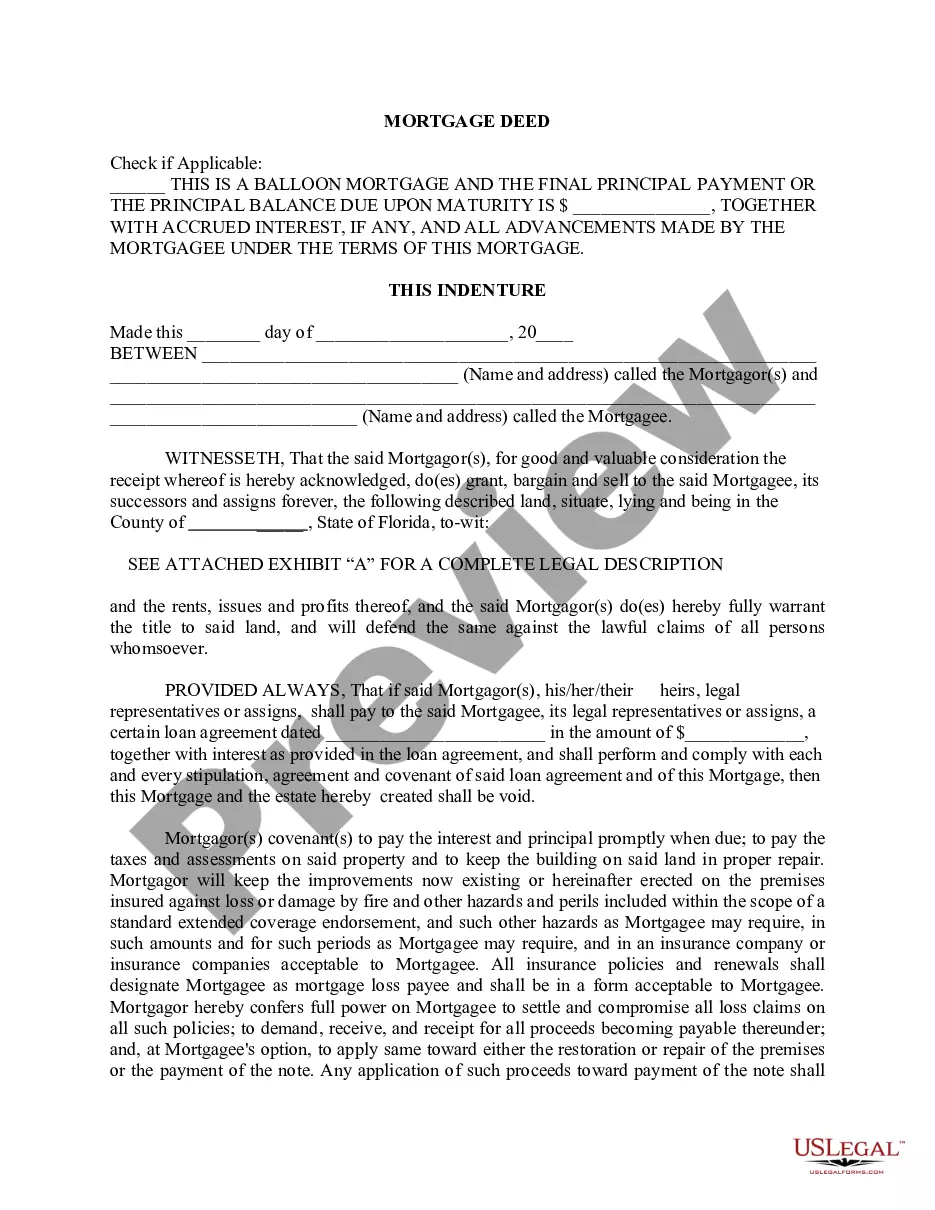
Sample Agreement For Distributorship In Florida
Description

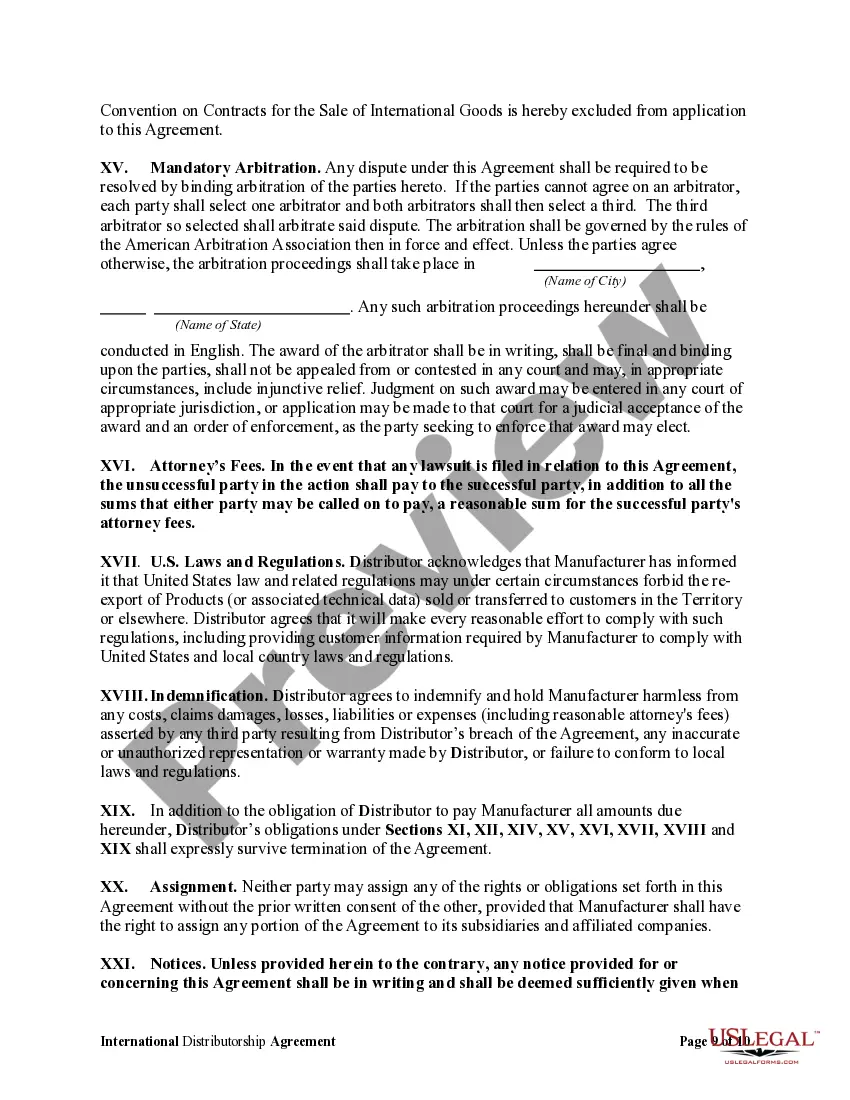
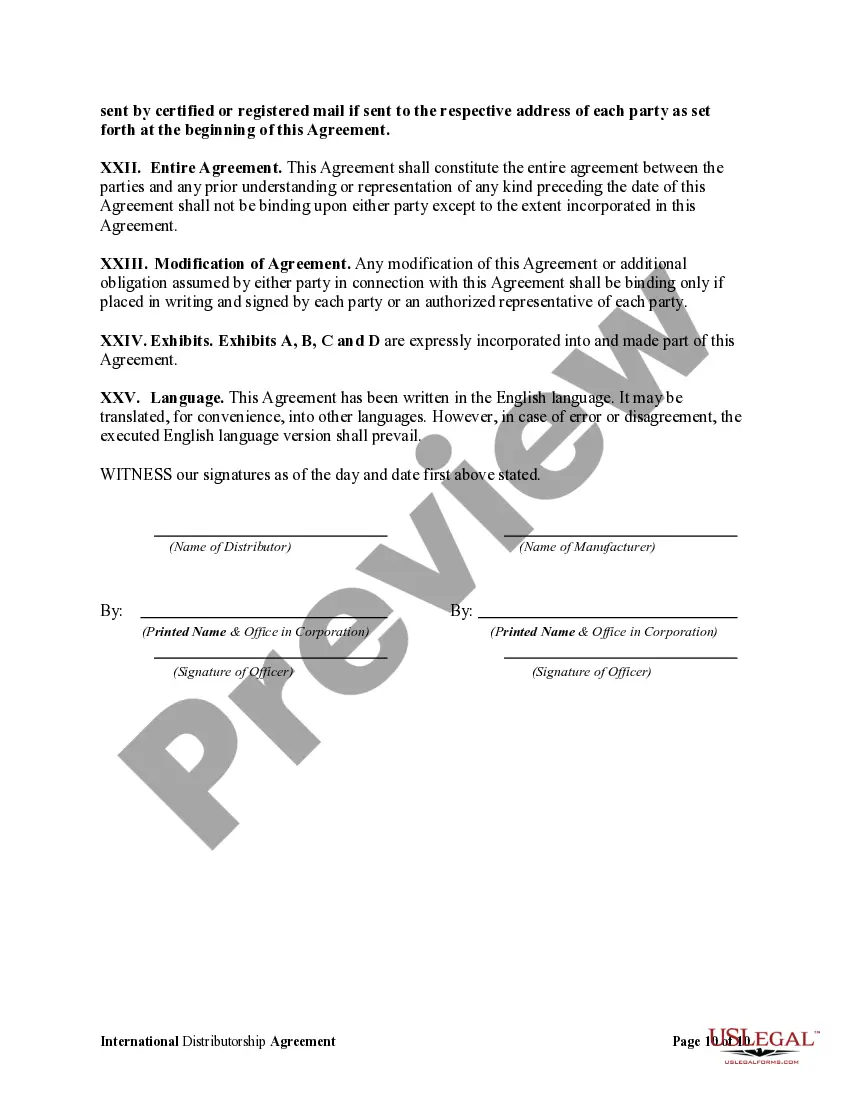
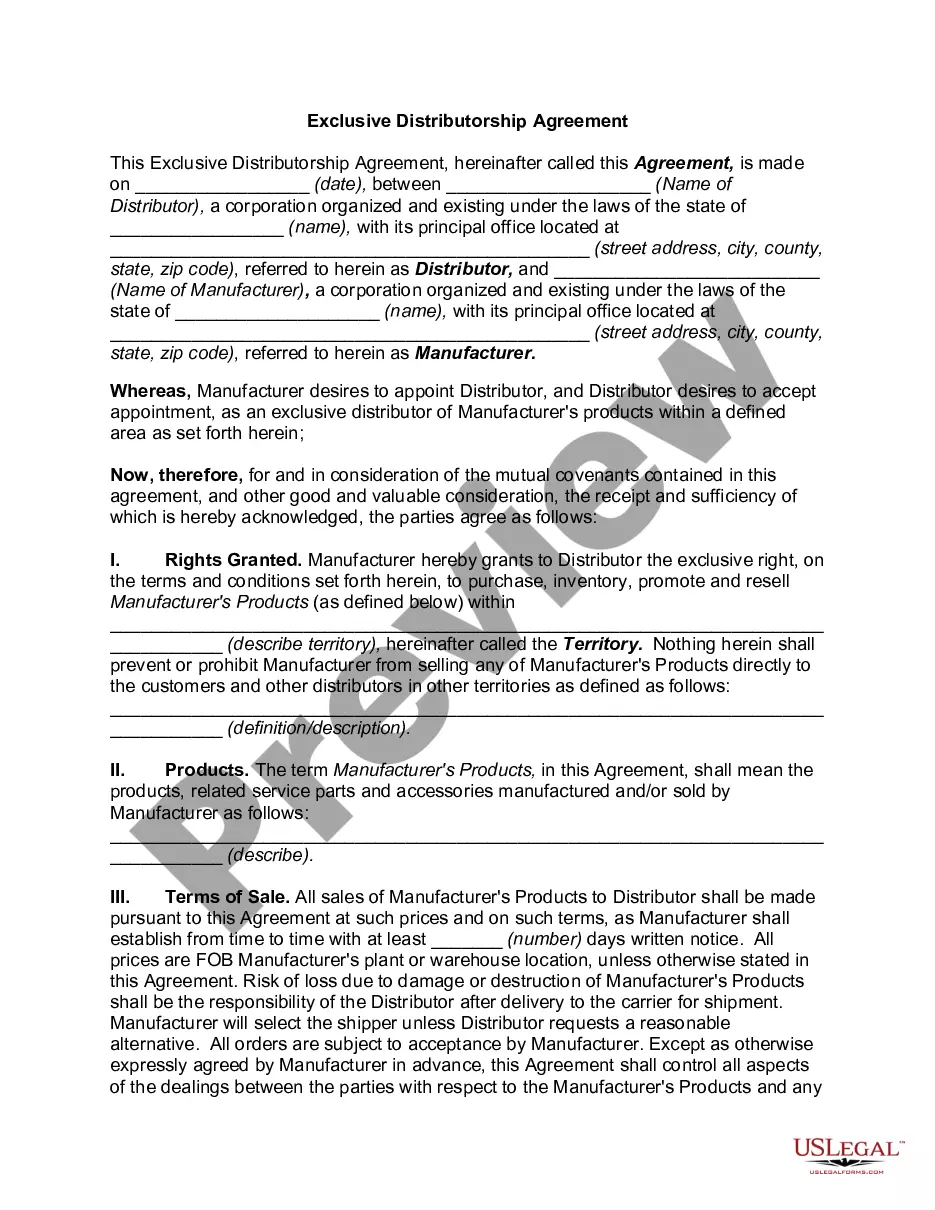
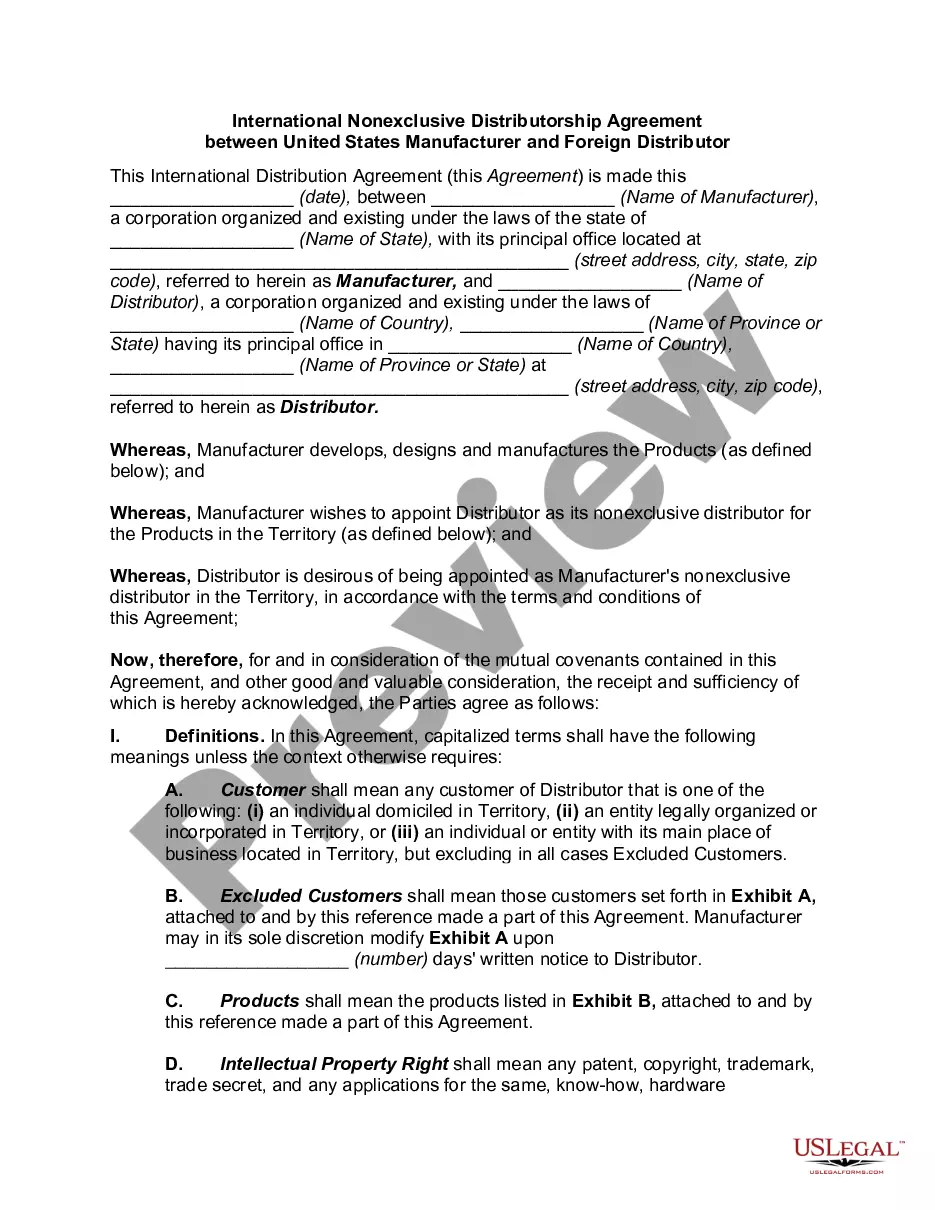
Get your form ready online
Our built-in tools help you complete, sign, share, and store your documents in one place.
Make edits, fill in missing information, and update formatting in US Legal Forms—just like you would in MS Word.
Download a copy, print it, send it by email, or mail it via USPS—whatever works best for your next step.
Sign and collect signatures with our SignNow integration. Send to multiple recipients, set reminders, and more. Go Premium to unlock E-Sign.
If this form requires notarization, complete it online through a secure video call—no need to meet a notary in person or wait for an appointment.
We protect your documents and personal data by following strict security and privacy standards.

Make edits, fill in missing information, and update formatting in US Legal Forms—just like you would in MS Word.

Download a copy, print it, send it by email, or mail it via USPS—whatever works best for your next step.

Sign and collect signatures with our SignNow integration. Send to multiple recipients, set reminders, and more. Go Premium to unlock E-Sign.

If this form requires notarization, complete it online through a secure video call—no need to meet a notary in person or wait for an appointment.

We protect your documents and personal data by following strict security and privacy standards.
Looking for another form?





Form popularity
FAQ
Differences between agency and distribution An agent is appointed to negotiate or conclude contracts on the supplier's behalf. A distributor effectively becomes the supplier and contracts are made directly between the distributor and the customer.
A distribution agreement, also known as a distributor agreement, is a contract between a supplying company with products to sell and another company that markets and sells the products. The distributor agrees to buy products from the supplier company and sell them to clients within certain geographical areas.
How to write a business contract Determine why you need a contract. Define all applicable parties. Include all essential elements of a contract. Select the appropriate governing law and jurisdiction. Write everything in plain language. Use repeatable language and formats when possible. Use tables, lists, and other tools.
An agreement is made when two parties agree to something. So, for example, a mother might make an agreement with her son not to kiss him in public because, after kindergarten, well, that's just not cool. If people's opinions are in , or match one another, then they are in agreement.
How to write an agreement letter Title your document. Provide your personal information and the date. Include the recipient's information. Address the recipient and write your introductory paragraph. Write a detailed body. Conclude your letter with a paragraph, closing remarks, and a signature. Sign your letter.
How to write a letter of agreement Title the document. Add the title at the top of the document. List your personal information. Include the date. Add the recipient's personal information. Address the recipient. Write an introduction paragraph. Write your body. Conclude the letter.
Distribution deal. A distribution deal (also known as distribution contract or distribution agreement) is a legal agreement between one party and another, to handle distribution of a product. There are various forms of distribution deals. There are exclusive and non-exclusive distribution agreements.
Non-Exclusive License: Allows the licensor to license the IP to multiple licensees. This is commonly used when the licensor wants to maximize reach and distribution. Sole License: Gives one licensee rights to the IP, but the licensor can still use the IP themselves.
Music distribution is about making music available on platforms like streaming services & stores, focusing on reaching listeners & selling music. Licensing, however, involves granting rights to use music in media like films, TV, advertisements, or video games.
Role of Parties: In a licensing agreement, both parties have a closer relationship, with the licensee relying on the licensor's IP rights. In a distribution agreement, the supplier provides the products, and the distributor acts as an intermediary between the supplier and the end customers.