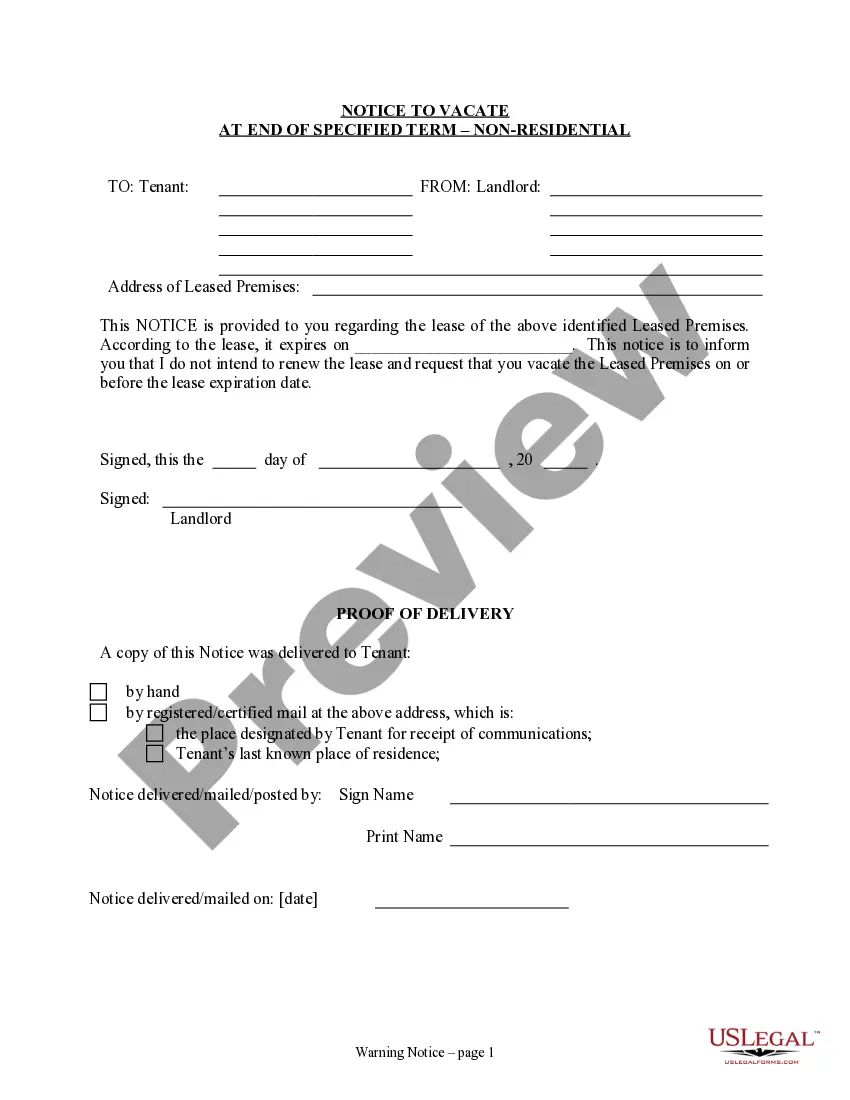
International Exclusive Distribution Agreement Format In Cook
Description

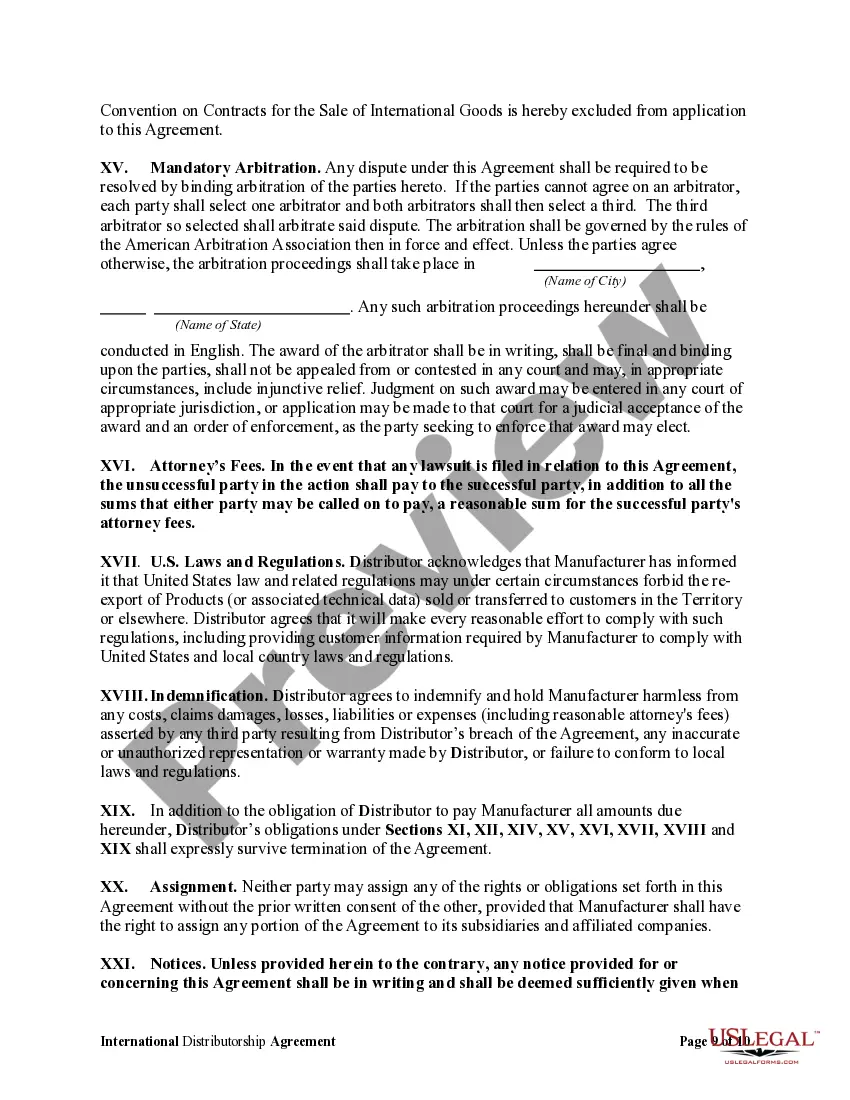
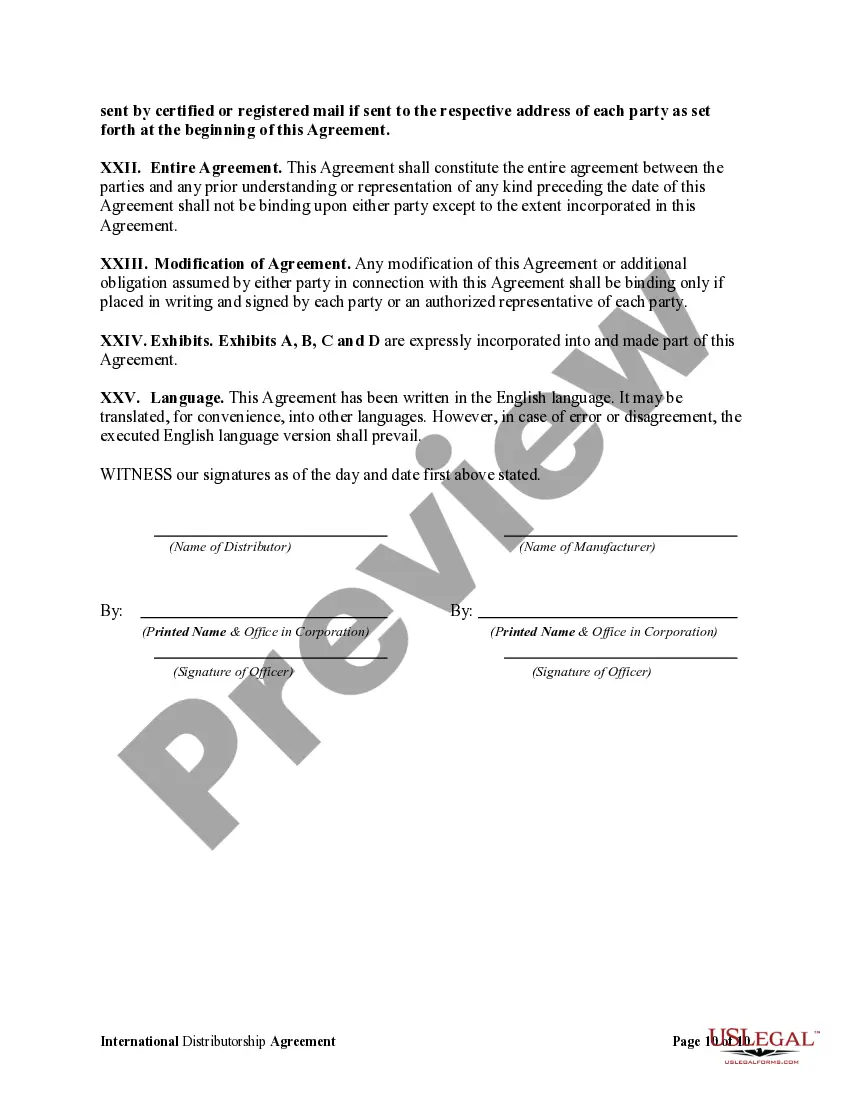
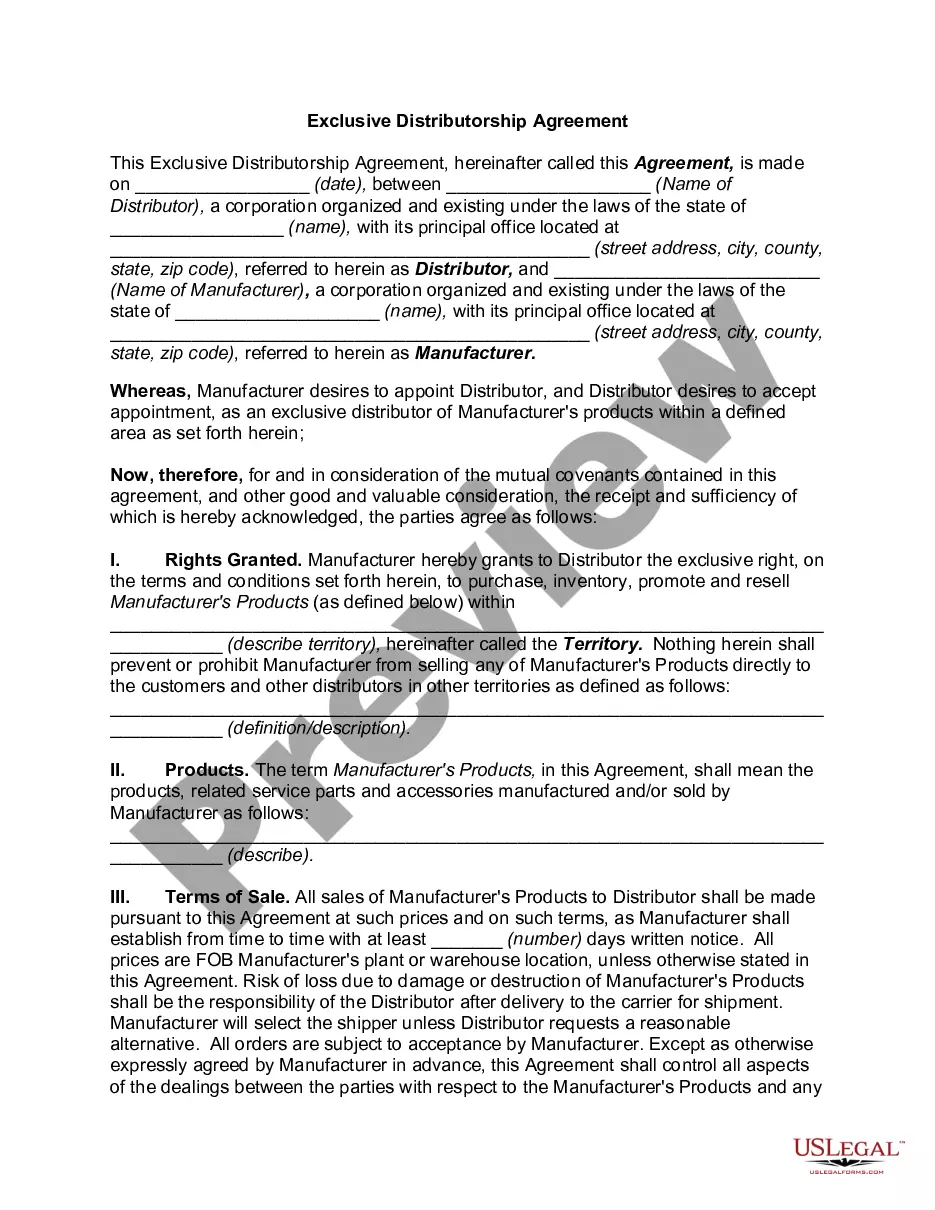
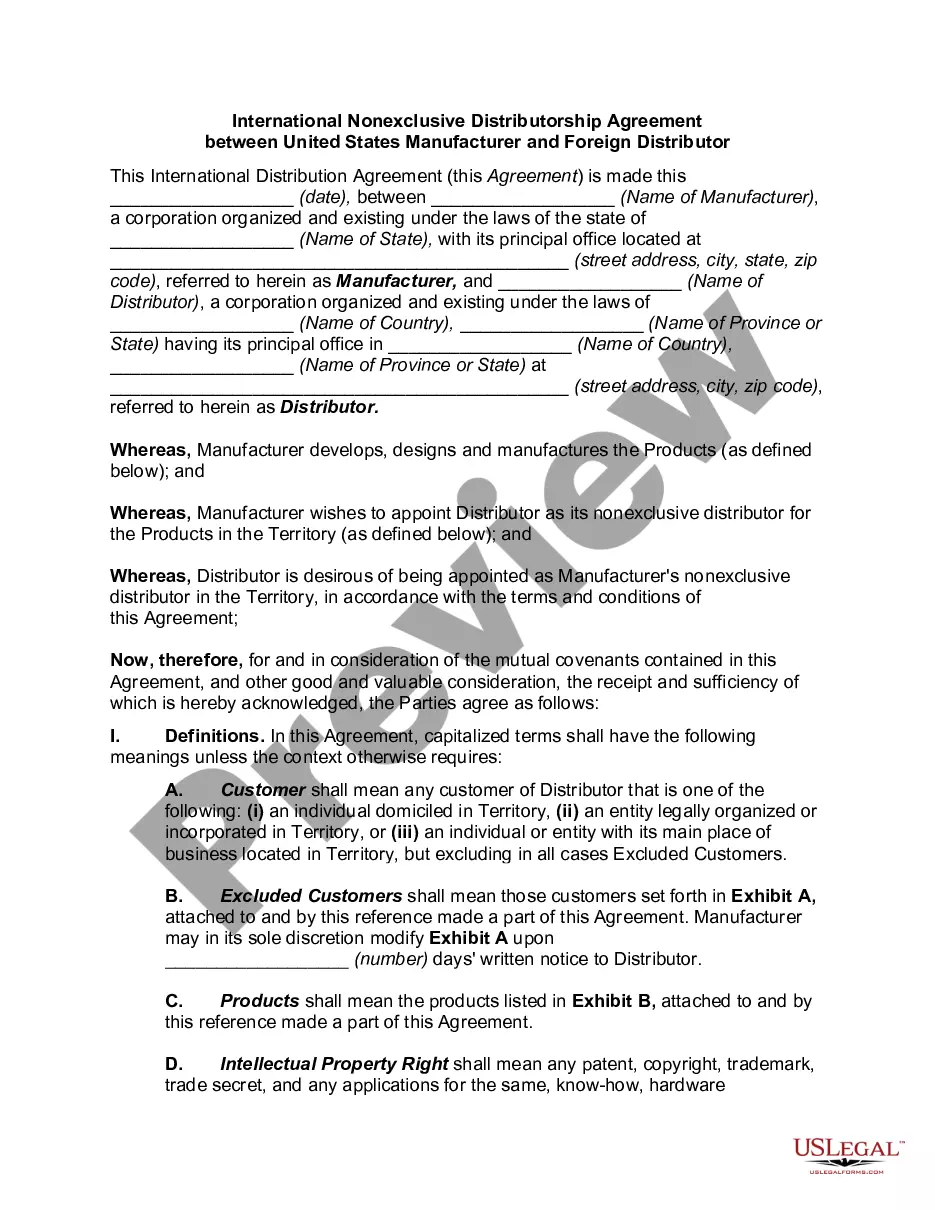
Get your form ready online
Our built-in tools help you complete, sign, share, and store your documents in one place.
Make edits, fill in missing information, and update formatting in US Legal Forms—just like you would in MS Word.
Download a copy, print it, send it by email, or mail it via USPS—whatever works best for your next step.
Sign and collect signatures with our SignNow integration. Send to multiple recipients, set reminders, and more. Go Premium to unlock E-Sign.
If this form requires notarization, complete it online through a secure video call—no need to meet a notary in person or wait for an appointment.
We protect your documents and personal data by following strict security and privacy standards.

Make edits, fill in missing information, and update formatting in US Legal Forms—just like you would in MS Word.

Download a copy, print it, send it by email, or mail it via USPS—whatever works best for your next step.

Sign and collect signatures with our SignNow integration. Send to multiple recipients, set reminders, and more. Go Premium to unlock E-Sign.

If this form requires notarization, complete it online through a secure video call—no need to meet a notary in person or wait for an appointment.

We protect your documents and personal data by following strict security and privacy standards.
Looking for another form?


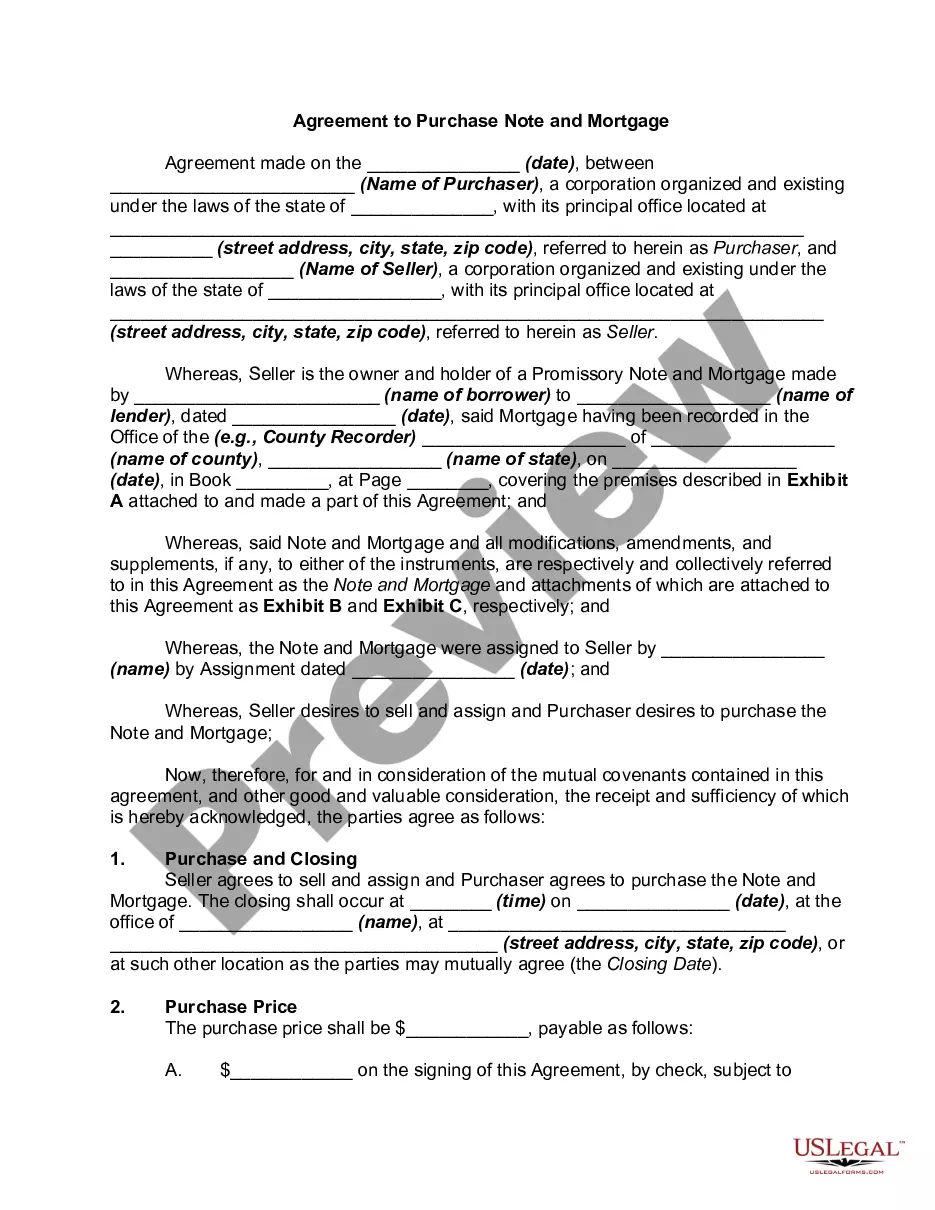

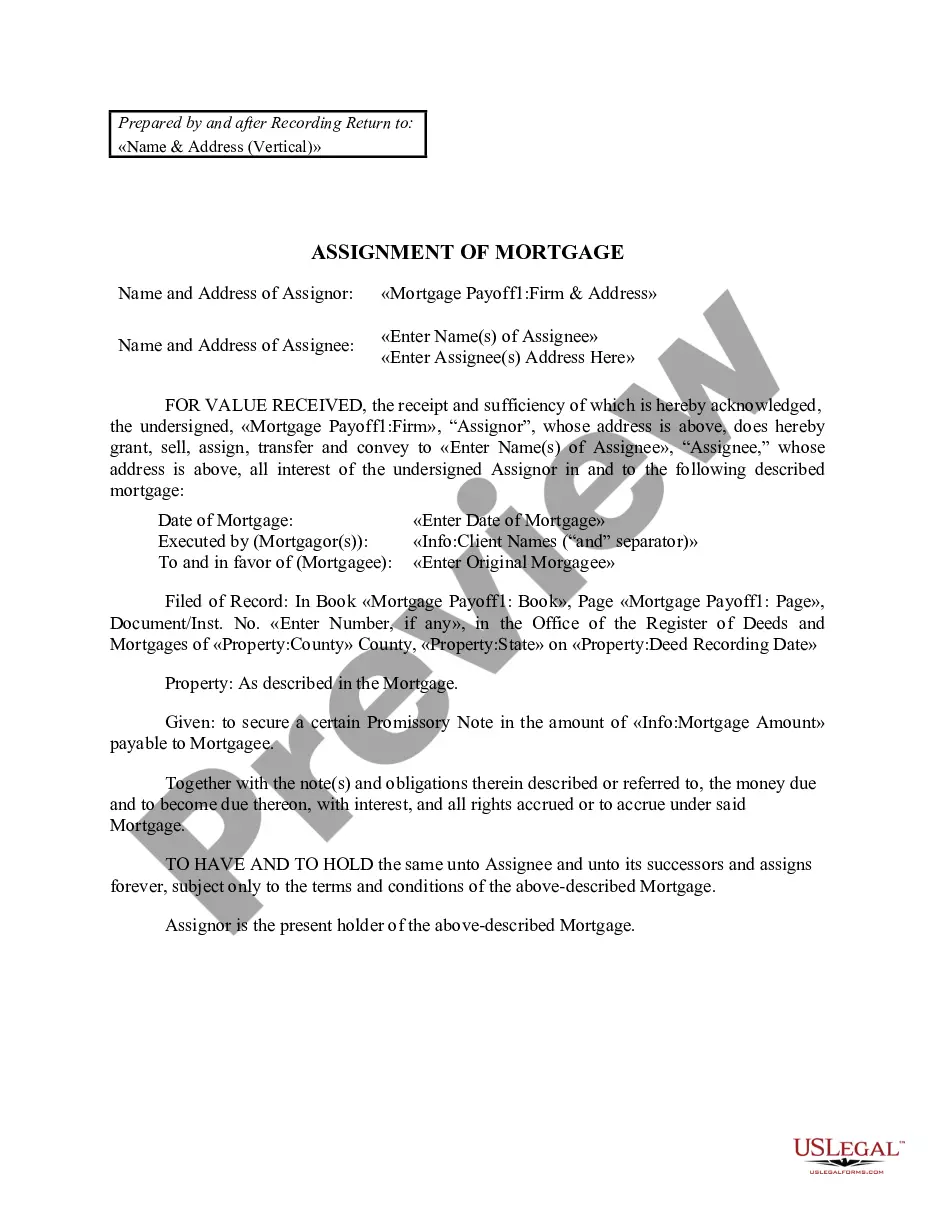

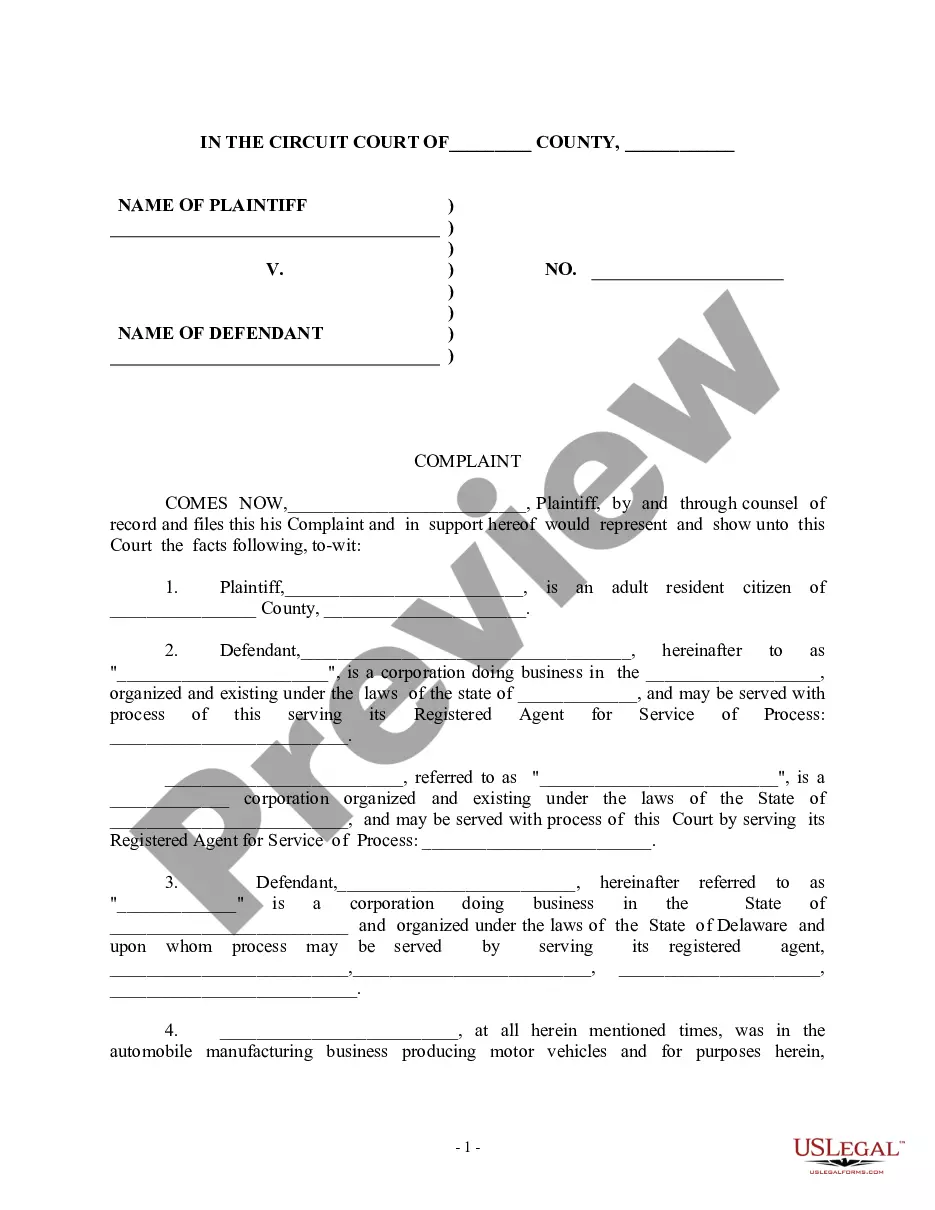


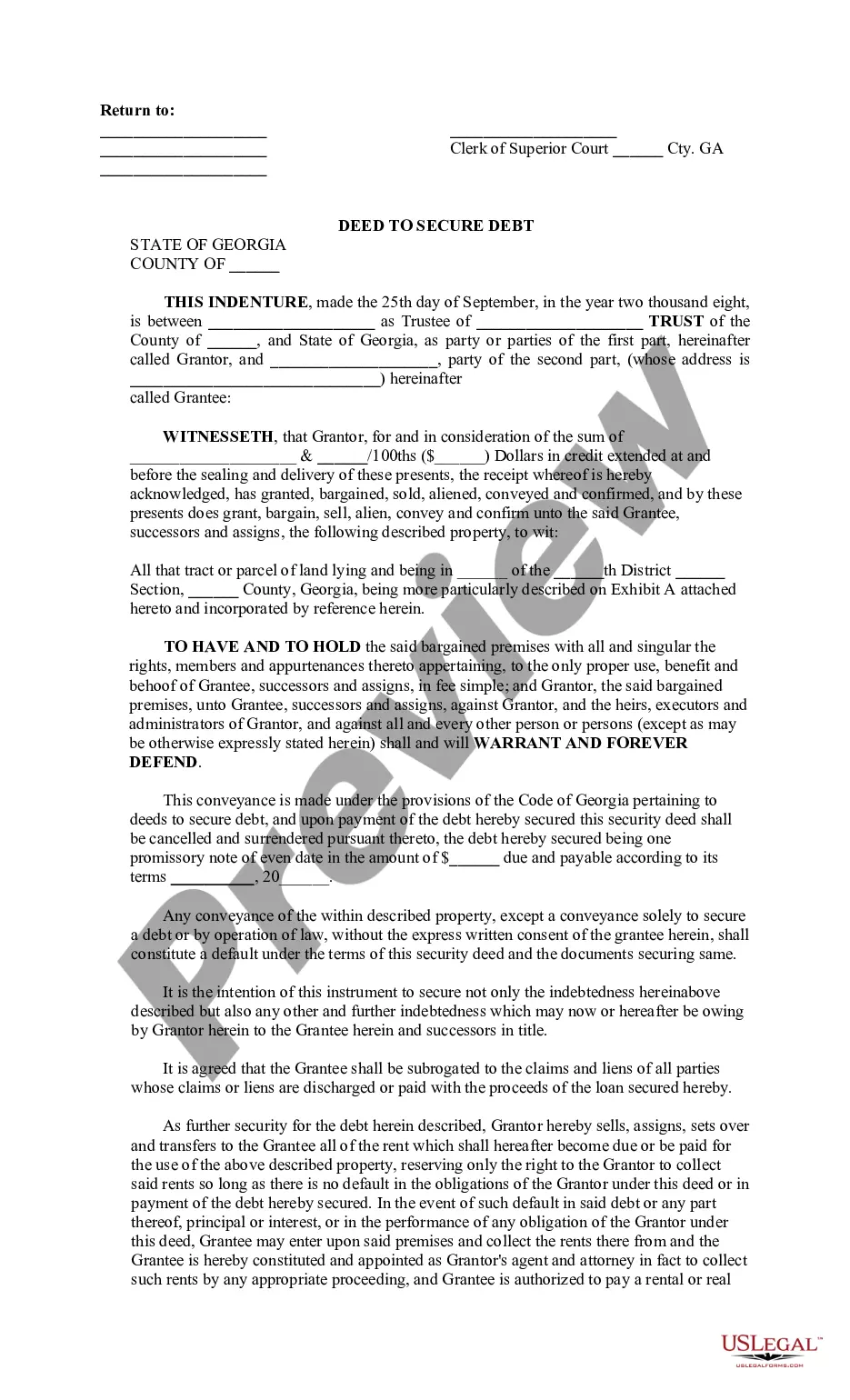
Form popularity
FAQ
These are the ten steps to be followed when valuing a distribution business. Analyze Financial Statements. Review Client and Supplier Contracts. Evaluate Market Position. Consider Asset Value. Assess Growth Potential. Review Industry Comparables. Calculate Earnings Multiples. Analyze Operational Efficiency.
Negotiating a Distributorship Agreement: Five Critical Steps to Success Execute a master agreement. Define the relevant goods subject to the agreement. Address all relevant intellectual property issues. Make sure renewal options and termination clauses allow the parties to adjust to changing market conditions.
10 Tips for Successful Contract Negotiation Start with a draft. Break it down into smaller pieces. Keep your initial terms simple. Know your “why.” ... Prioritize your key objectives. Ask questions and understand your counterparty's motives. Come prepared with research.
Limited Control. You're essentially putting all your eggs in one basket. If the relationship sours or the distributor doesn't perform to your expectation, it can be a setback that costs you months of sales. This is the main risk of working exclusively with one partner in a market.
An international distribution agreement is a legal contract between two parties that authorizes one party to sell or distribute the other's products. This type of arrangement usually benefits both businesses because it makes the process more efficient and can help each company increase its customer base.
The Company represents and warrants that no other person or entity has any rights to sell and promote the Company's products or services, including those products or services listed in Attachment A (the “Products”) hereto, within the Exclusive Territory in derogation of the rights granted to the Exclusive Distributor ...
Examples of companies that use exclusive distribution include Apple for its high-priced and luxury products, as well as companies like Lamborghini, BMW, Rolex, and Mercedes. These companies appoint only a few distributors to cover a specific region, maintaining exclusivity in their distribution agreements.
Examples of companies that use exclusive distribution include Apple for its high-priced and luxury products, as well as companies like Lamborghini, BMW, Rolex, and Mercedes. These companies appoint only a few distributors to cover a specific region, maintaining exclusivity in their distribution agreements.
A Standard Clause providing a distributor with the exclusive right to resell products purchased from a manufacturer, producer, or other supplier within a specified geographic territory during the term of the underlying distribution agreement.
(a) During the Term, the Supplier will supply all Milk exclusively to Riverina Fresh and subject to the terms of this Agreement Riverina Fresh will buy all of the Milk from the Supplier.