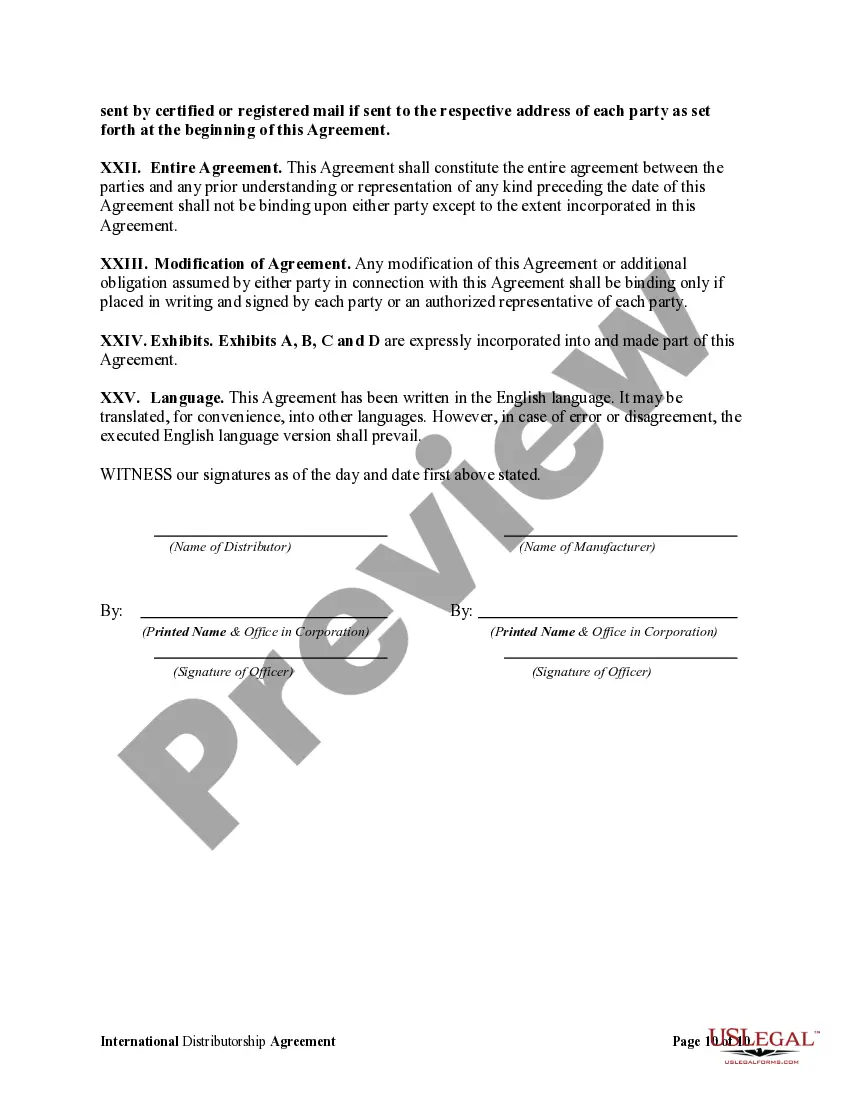
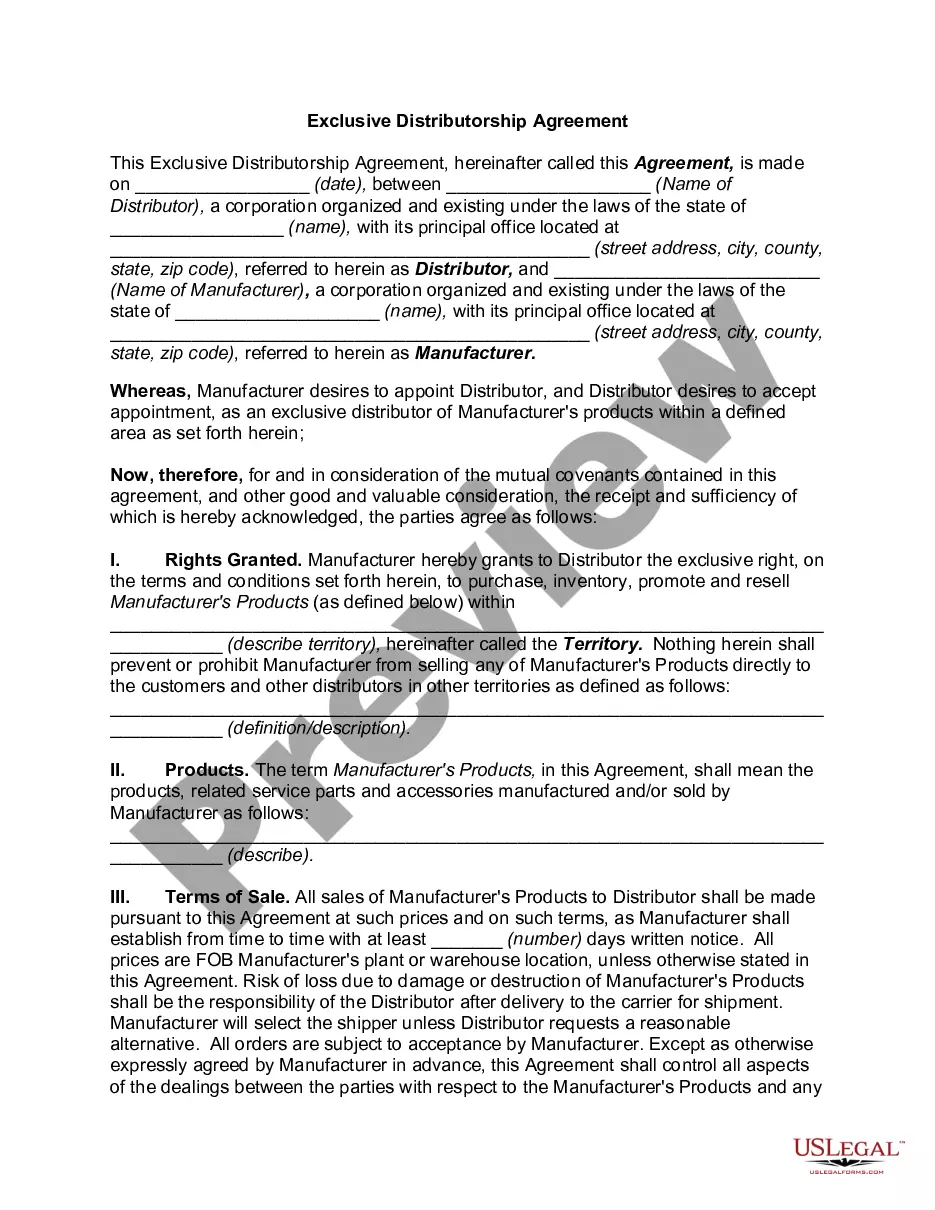
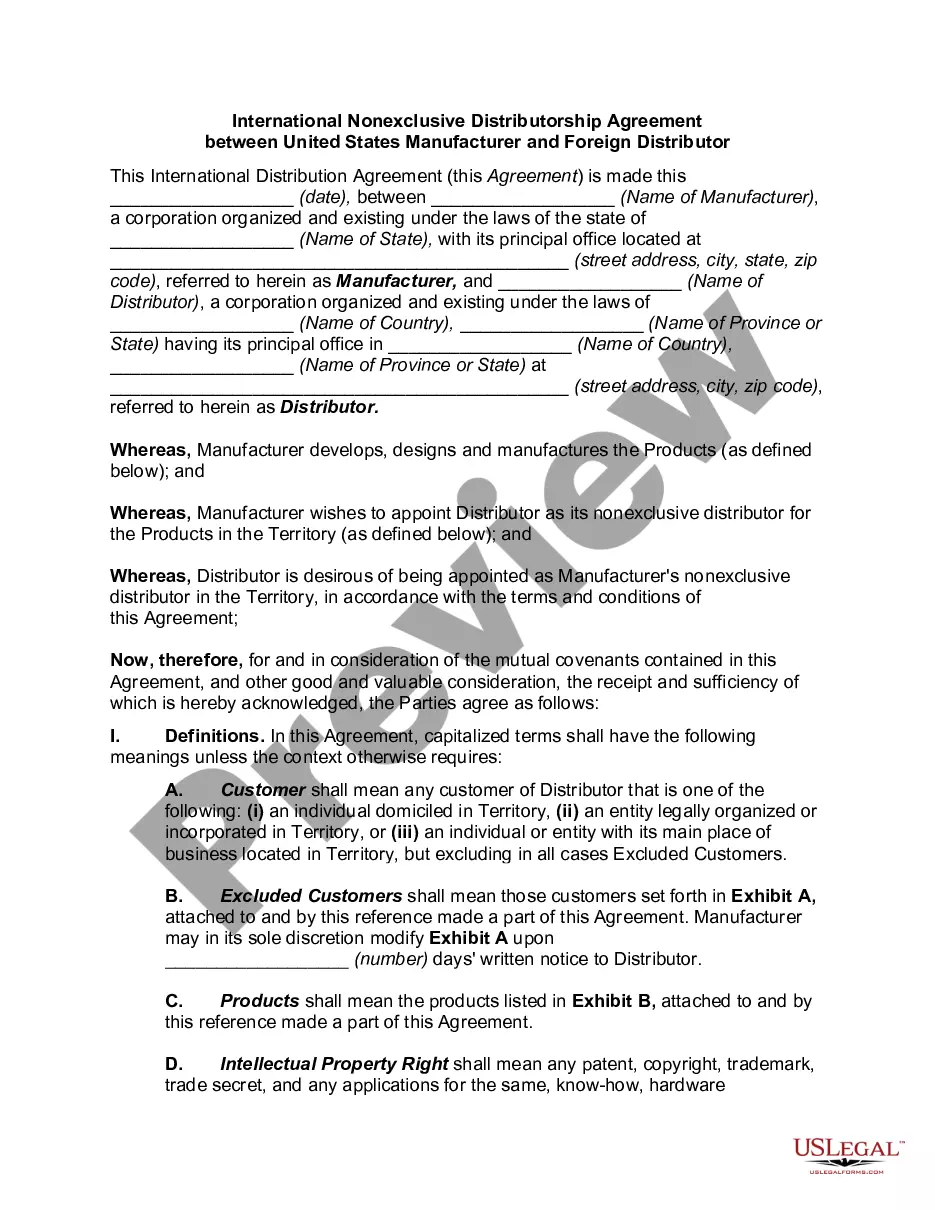
Distributorship Agreement Distributor Format India In Arizona
Description

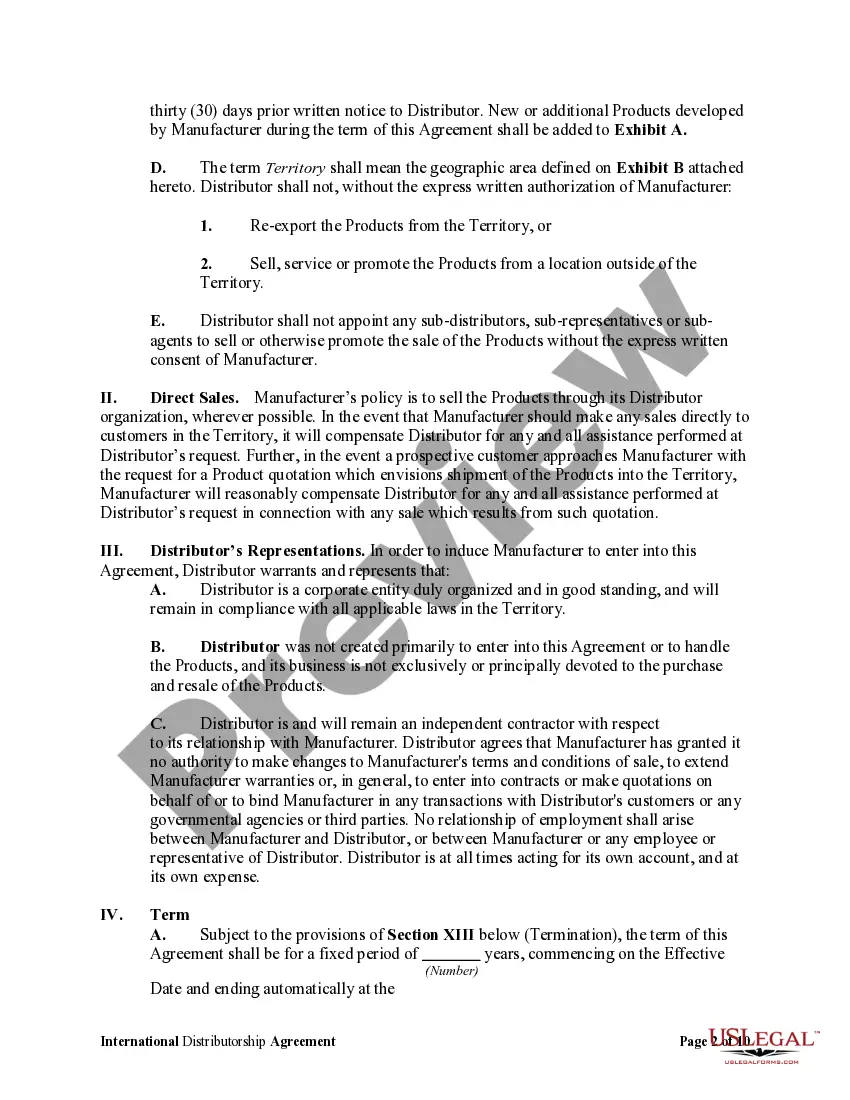
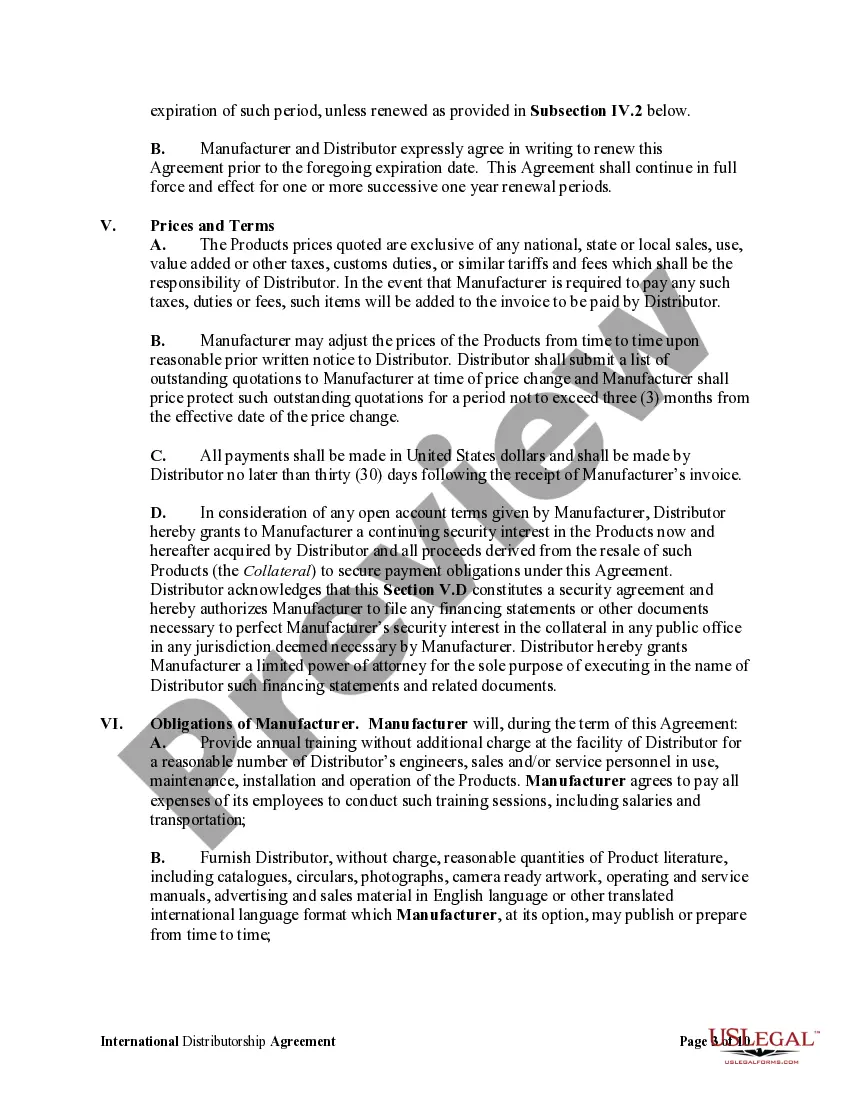
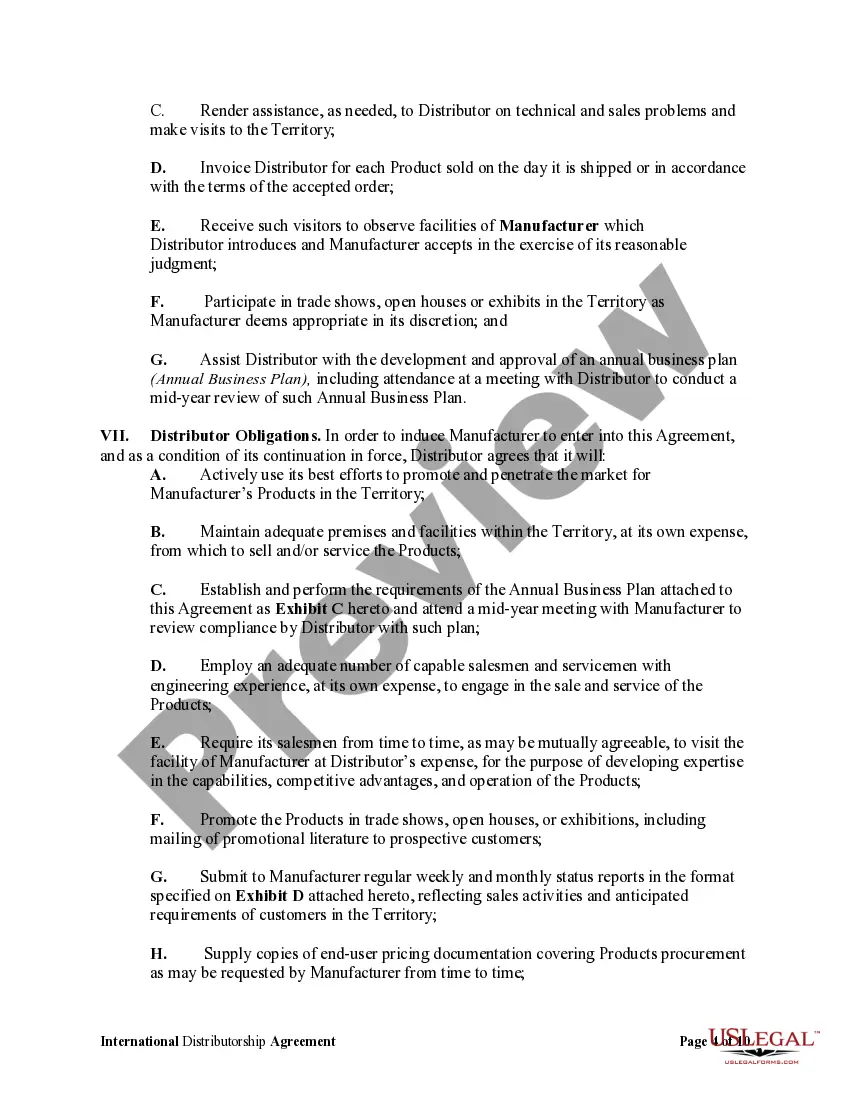
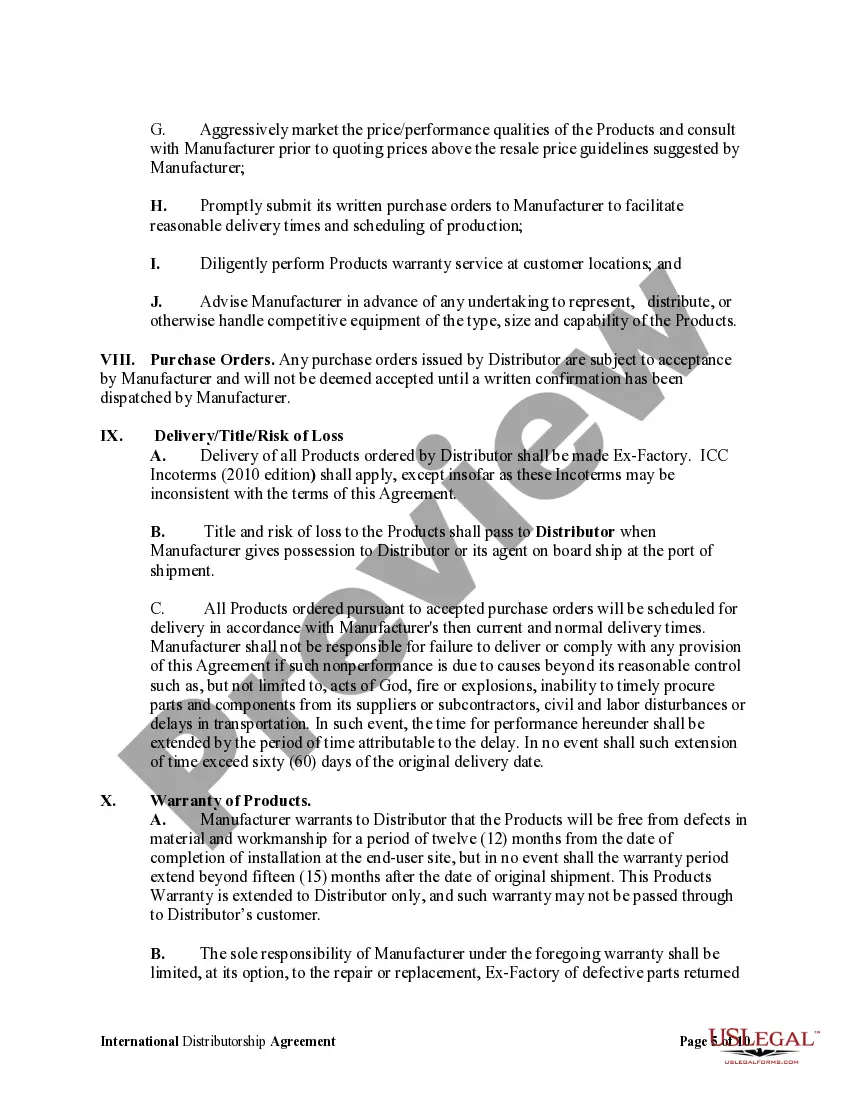
Get your form ready online
Our built-in tools help you complete, sign, share, and store your documents in one place.
Make edits, fill in missing information, and update formatting in US Legal Forms—just like you would in MS Word.
Download a copy, print it, send it by email, or mail it via USPS—whatever works best for your next step.
Sign and collect signatures with our SignNow integration. Send to multiple recipients, set reminders, and more. Go Premium to unlock E-Sign.
If this form requires notarization, complete it online through a secure video call—no need to meet a notary in person or wait for an appointment.
We protect your documents and personal data by following strict security and privacy standards.

Make edits, fill in missing information, and update formatting in US Legal Forms—just like you would in MS Word.

Download a copy, print it, send it by email, or mail it via USPS—whatever works best for your next step.

Sign and collect signatures with our SignNow integration. Send to multiple recipients, set reminders, and more. Go Premium to unlock E-Sign.

If this form requires notarization, complete it online through a secure video call—no need to meet a notary in person or wait for an appointment.

We protect your documents and personal data by following strict security and privacy standards.
Looking for another form?




Form popularity
FAQ
In general, standard clauses fall into three broad categories: Interpretation clauses, which specify how the contract should be interpreted; Enforcement clauses, which establish the rights and obligations of the parties; and. Execution clauses, which include information like signatures and dates of signing.
These include indemnification, force majeure, copyright, termination, warranties and disclaimers, and privacy. Without including these important clauses in your business contracts, you may find yourself facing exorbitant legal fees, legal battles that could last for years, and intellectual property theft.
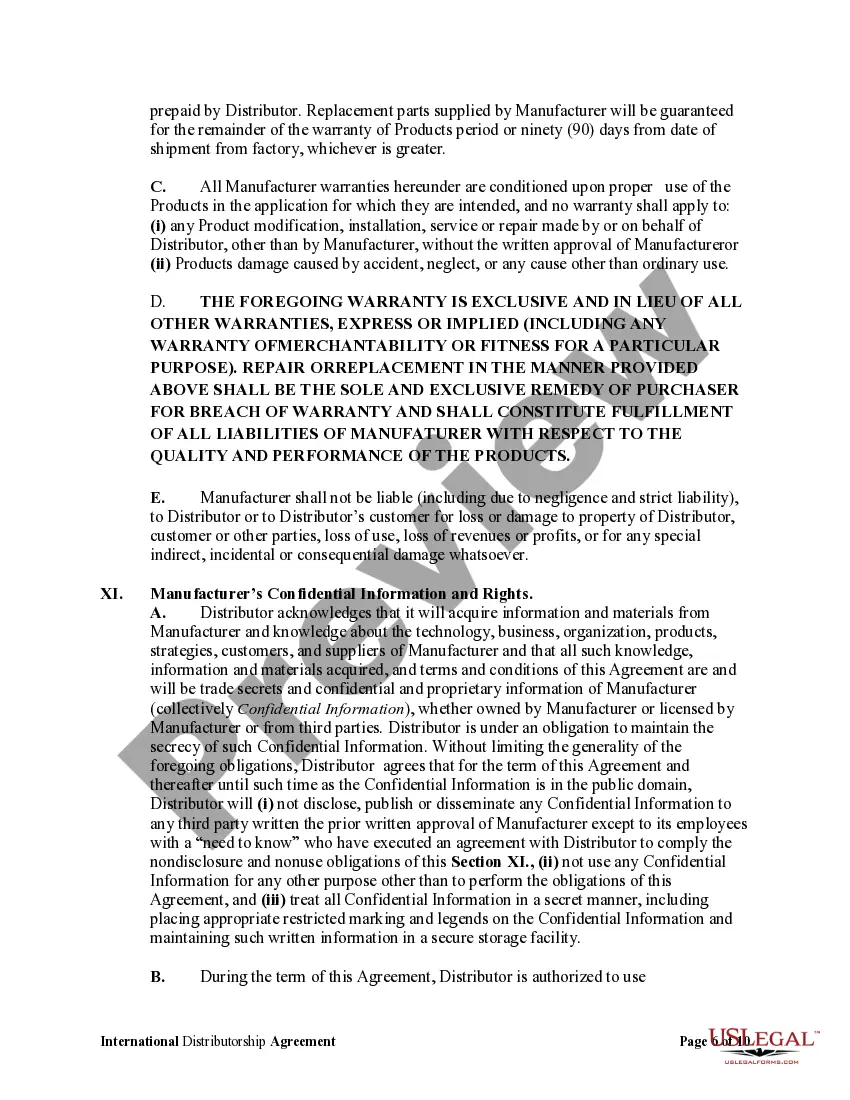
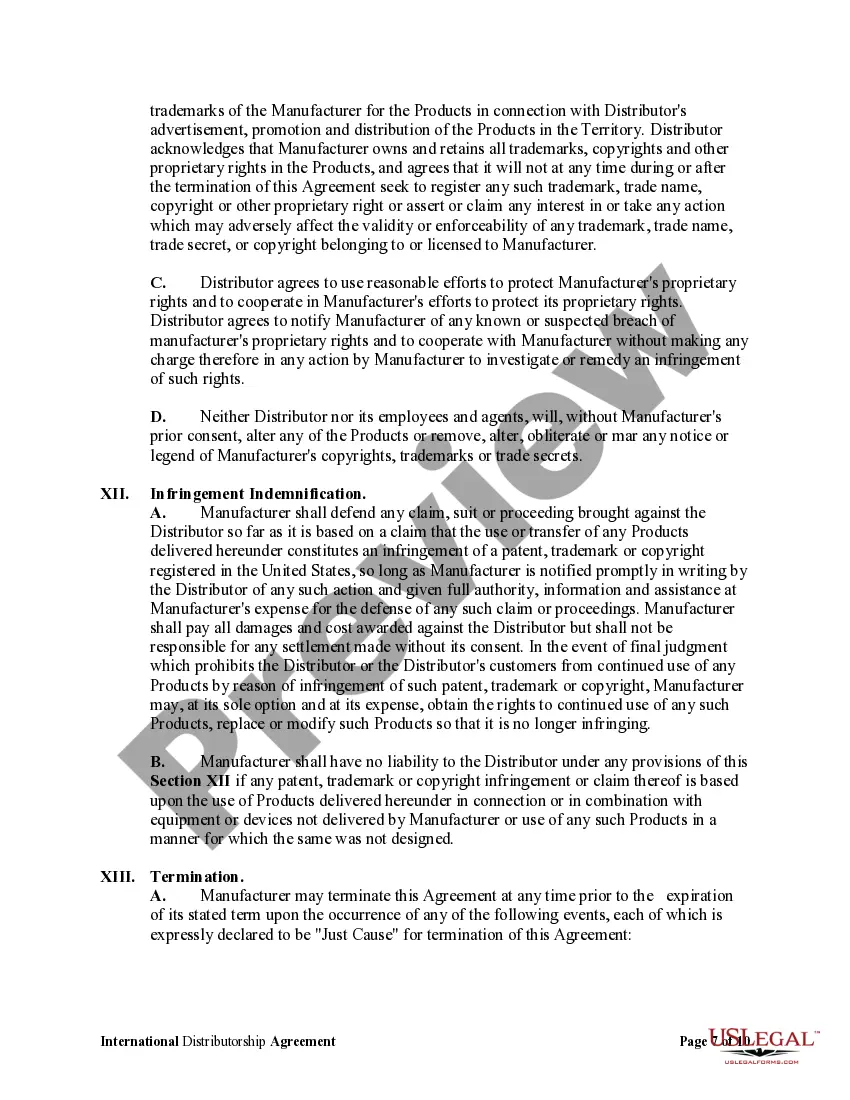
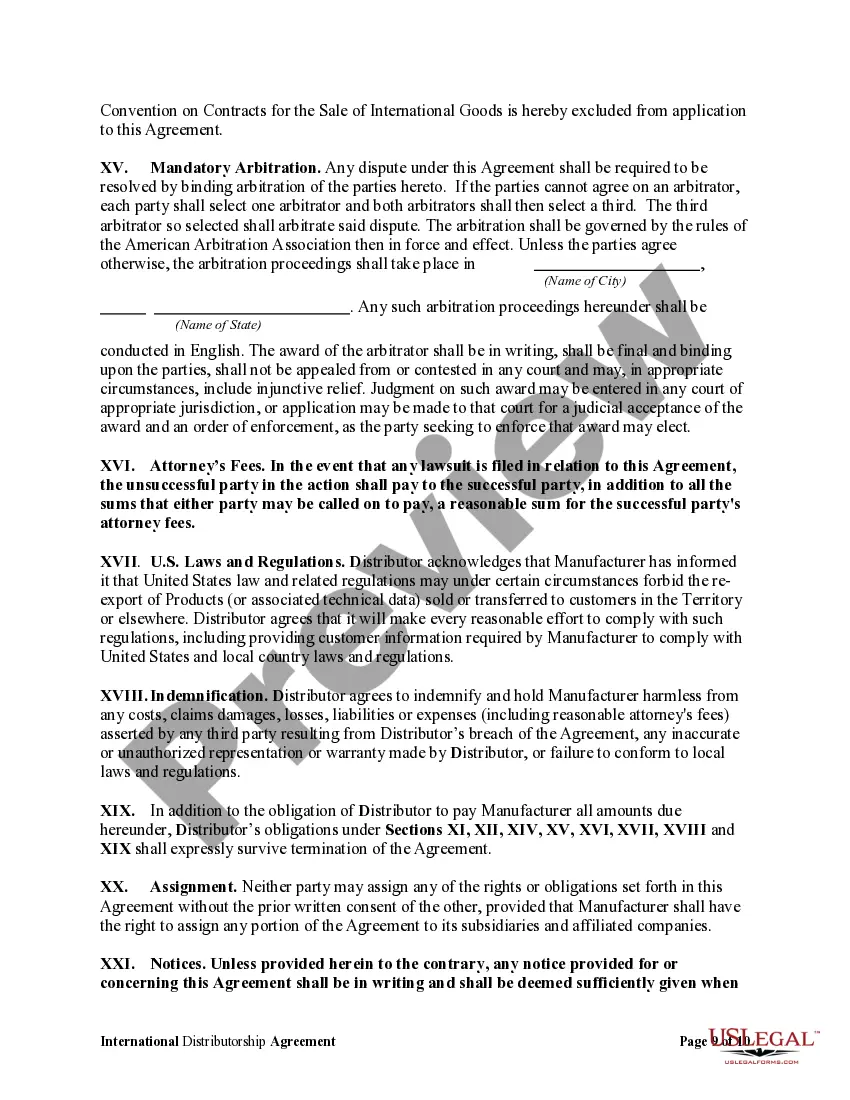
Distribution agreements often include terms about termination conditions, allowing either party to exit the contract under specified circumstances. These contracts can also address intellectual property rights, ensuring that distributors understand how to handle branding and proprietary information.
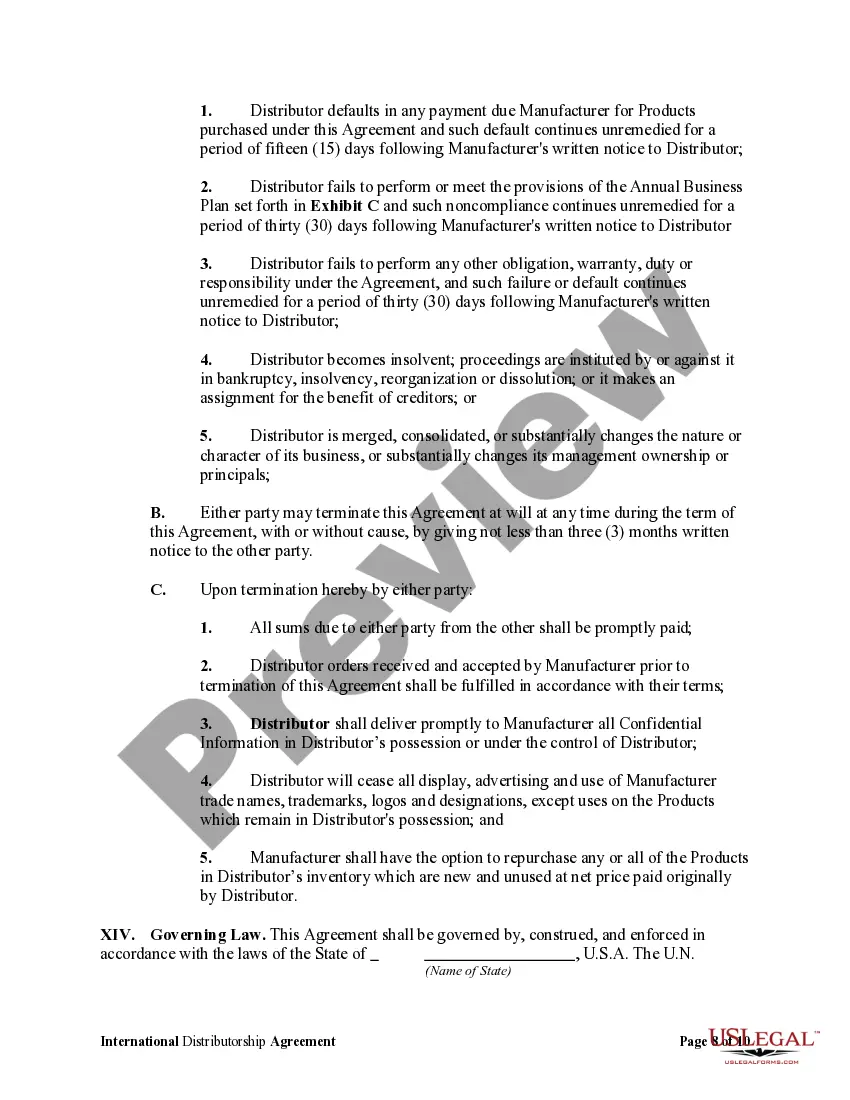
Duration, Termination, and Renewal Termination clauses are crucial in distribution agreements to address circumstances that may require the agreement to be ended prematurely. The agreement should outline the grounds for termination, such as material breach, insolvency, or failure to meet sales targets.
A distribution agreement is a contract between a manufacturer and a distributor. The manufacturer grants the distributor the right to sell its products or services in a specified territory or market.
This is a manufacturing agreement, under which the manufacturer is obligated to produce and supply products that are specified by the customer. Typically, a detailed product specification will be provided, and this may be incorporated into the agreement or supplied as and when required by the customer.
A distribution agreement, also known as a distributor agreement, is a contract between a supplying company with products to sell and another company that markets and sells the products. The distributor agrees to buy products from the supplier company and sell them to clients within certain geographical areas.
An agreement of license between a trademark owner and a manufacturer is an official document that states that the manufacturer of a product has the permission to manufacture the product by the company or the individual who has trademarked it.
A vendor contract (otherwise known as a vendor agreement) is a business contract between two parties covering the exchange of goods or services in return for compensation. Vendor contracts establish the business relationship conditions and include details on each party's obligations under the contract.