Personal Property Foreclosure Georgia In Washington
Description

Get your form ready online
Our built-in tools help you complete, sign, share, and store your documents in one place.
Make edits, fill in missing information, and update formatting in US Legal Forms—just like you would in MS Word.
Download a copy, print it, send it by email, or mail it via USPS—whatever works best for your next step.
Sign and collect signatures with our SignNow integration. Send to multiple recipients, set reminders, and more. Go Premium to unlock E-Sign.
If this form requires notarization, complete it online through a secure video call—no need to meet a notary in person or wait for an appointment.
We protect your documents and personal data by following strict security and privacy standards.

Make edits, fill in missing information, and update formatting in US Legal Forms—just like you would in MS Word.

Download a copy, print it, send it by email, or mail it via USPS—whatever works best for your next step.

Sign and collect signatures with our SignNow integration. Send to multiple recipients, set reminders, and more. Go Premium to unlock E-Sign.

If this form requires notarization, complete it online through a secure video call—no need to meet a notary in person or wait for an appointment.

We protect your documents and personal data by following strict security and privacy standards.
Looking for another form?







Form popularity
FAQ
Judicial. Georgia's judicial branch interprets our state laws and administers justice through our legal system. Our judicial system has two appellate-level courts: the Supreme Court of Georgia and the Court of Appeals of Georgia.
Georgia is a “non-judicial foreclosure” state. That means the lender can foreclose on your home without filing suit or appearing in court before a judge.
Any writ of possession issued pursuant to this article shall authorize the removal of the tenant or his or her personal property or both from the premises and permit the placement of such personal property on some portion of the landlord's property or on other property as may be designated by the landlord and as may be ...
In California, the previous owner has a time window of 60 days post-foreclosure sale to clear their belongings from the property. If this timeline elapses without the removal of their belongings, the new owner has the right to dispose of them as they see fit.
Foreclosures are usually nonjudicial in the following states: Alabama, Alaska, Arizona, Arkansas, California, Colorado, District of Columbia (sometimes), Georgia, Hawaii (judicial also common), Idaho, Maryland, Massachusetts, Michigan, Minnesota, Mississippi, Missouri, Montana, Nebraska, Nevada, New Hampshire, New ...
The mortgage holder must run a notice in the official legal organ (newspaper) for the county where the property is located. The notice is run for four (4) consecutive weeks. On the first Tuesday of the following month, the property is sold at a foreclosure sale on the steps of the county courthouse.
How does foreclosure work in Georgia? Georgia is a “non-judicial foreclosure” state. That means the lender can foreclose on your home without filing suit or appearing in court before a judge. The procedures for foreclosure are spelled out in the Official Code of Georgia, Sections 44-14-162 through 44-14-162.4.
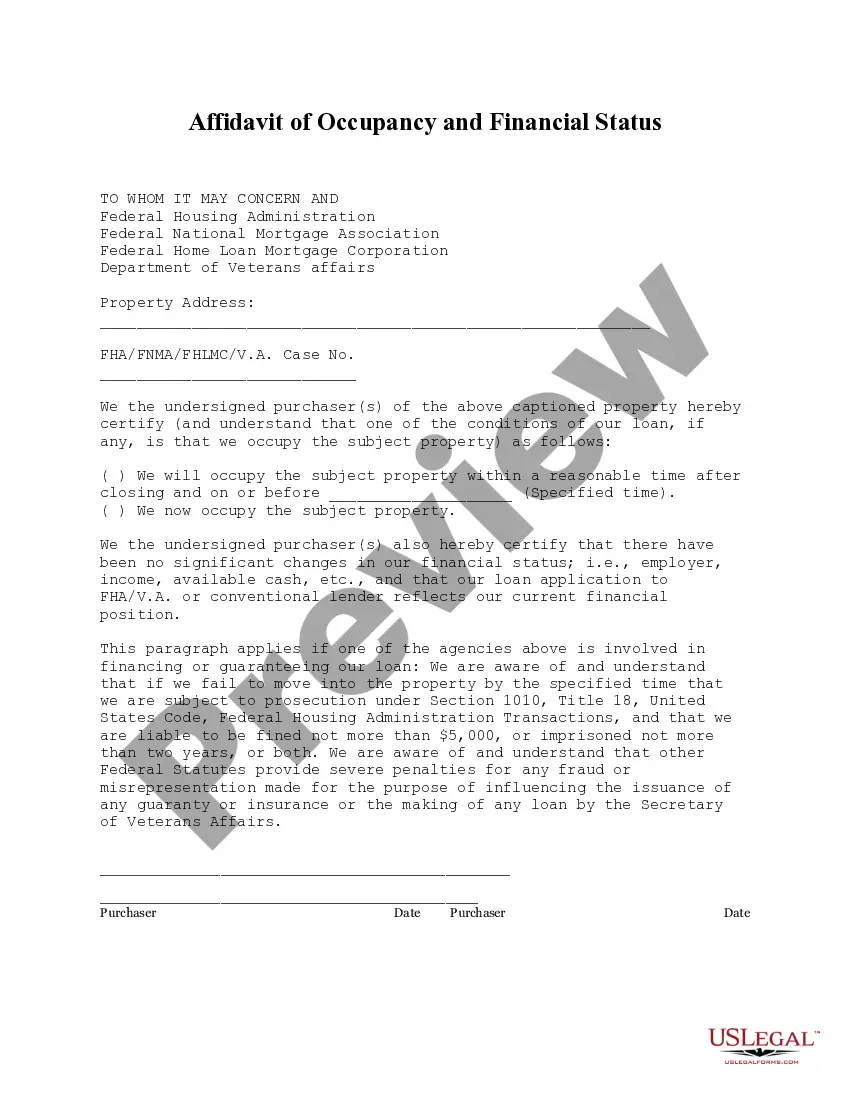
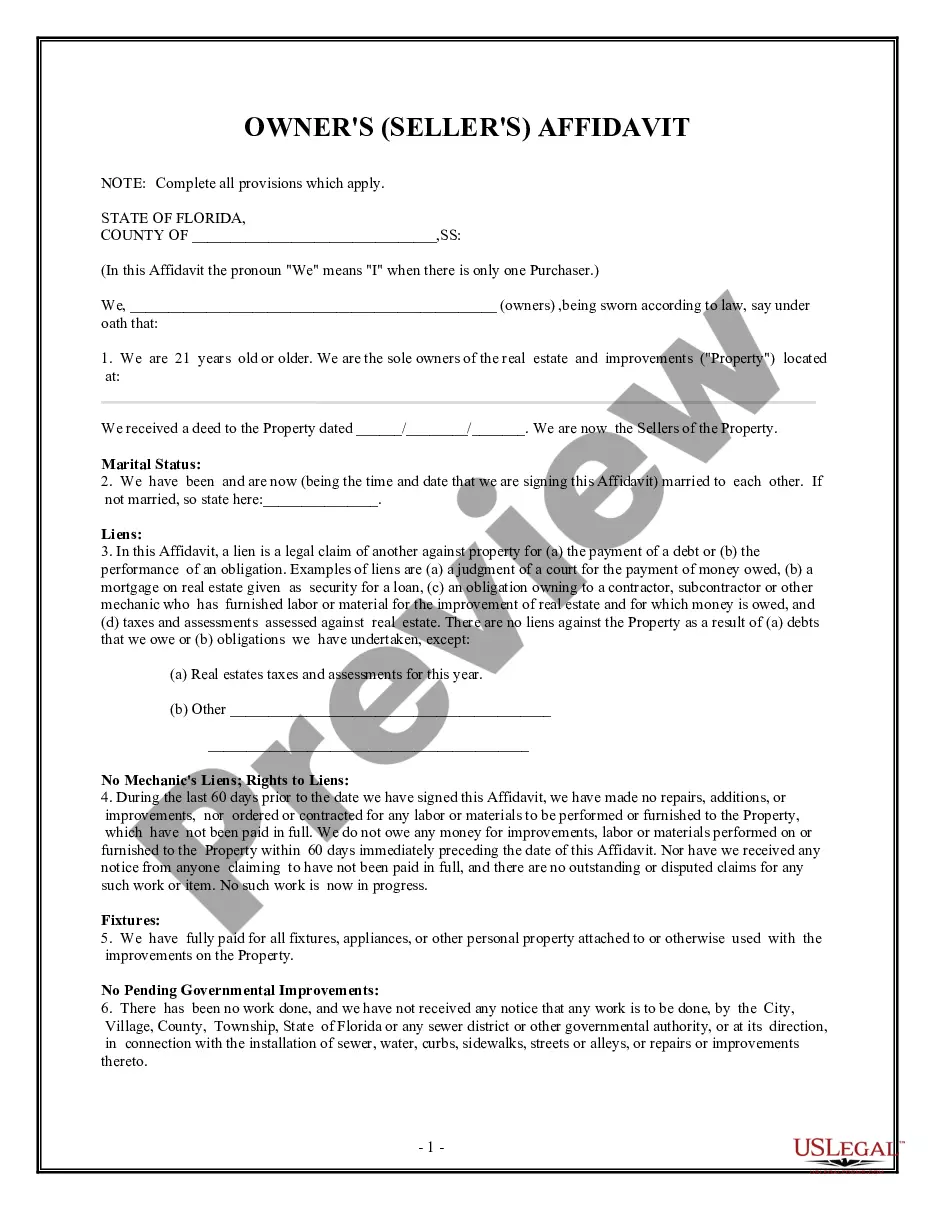
An affidavit is a required part of a judicial foreclosure for a lender to get a final judgment. This is a statement signed under oath.