Personal Property For Rent In Pennsylvania
Description

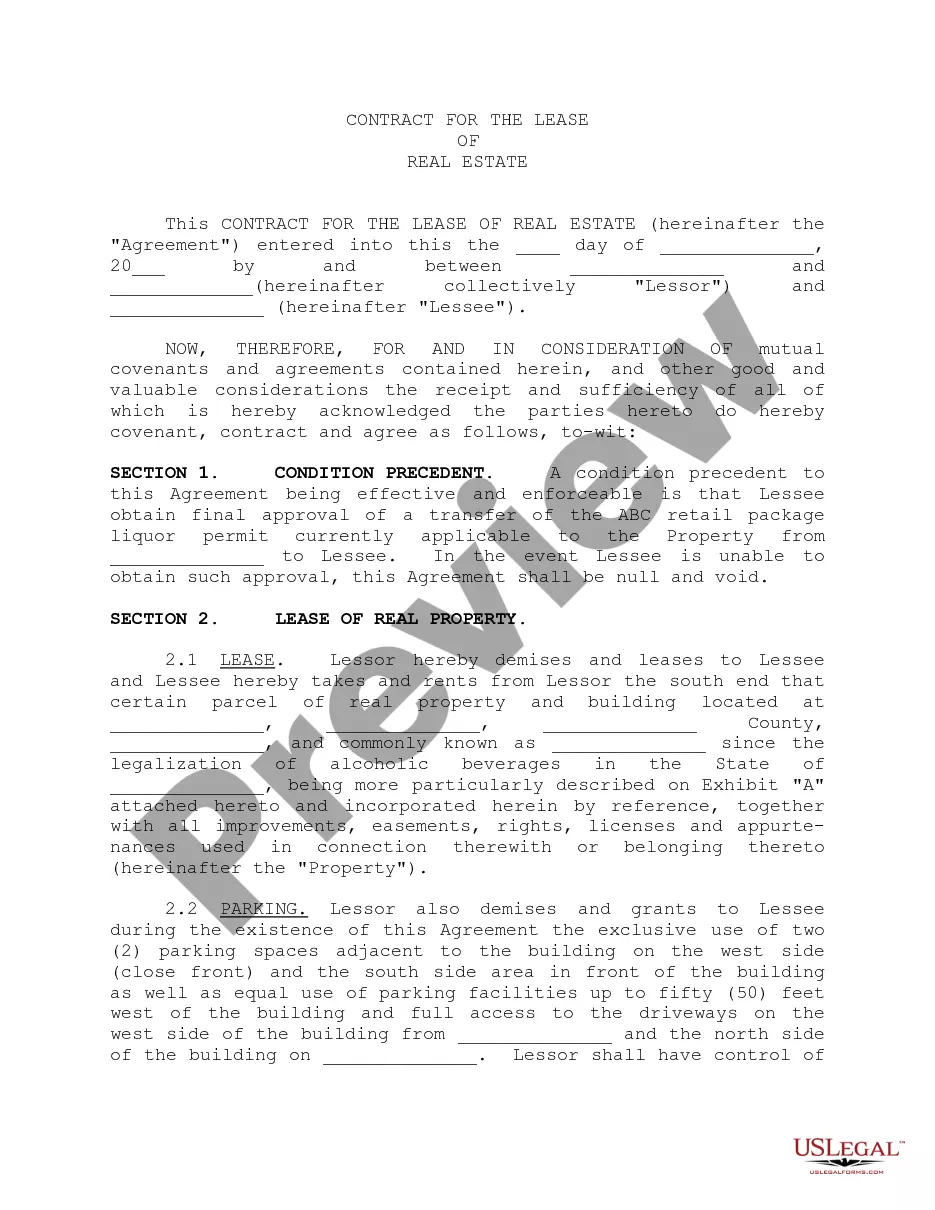
Get your form ready online
Our built-in tools help you complete, sign, share, and store your documents in one place.
Make edits, fill in missing information, and update formatting in US Legal Forms—just like you would in MS Word.
Download a copy, print it, send it by email, or mail it via USPS—whatever works best for your next step.
Sign and collect signatures with our SignNow integration. Send to multiple recipients, set reminders, and more. Go Premium to unlock E-Sign.
If this form requires notarization, complete it online through a secure video call—no need to meet a notary in person or wait for an appointment.
We protect your documents and personal data by following strict security and privacy standards.

Make edits, fill in missing information, and update formatting in US Legal Forms—just like you would in MS Word.

Download a copy, print it, send it by email, or mail it via USPS—whatever works best for your next step.

Sign and collect signatures with our SignNow integration. Send to multiple recipients, set reminders, and more. Go Premium to unlock E-Sign.

If this form requires notarization, complete it online through a secure video call—no need to meet a notary in person or wait for an appointment.

We protect your documents and personal data by following strict security and privacy standards.
Looking for another form?









Form popularity
FAQ
The owner has a distributive right to exclude others (i.e. the right to command a "fair share" of personal property). In anarchist theory, private property typically refers to capital or the means of production, while personal property refers to consumer and non-capital goods and services.
“Personal property” means goods and chattels, including fixtures and buildings erected by the tenant and which he has the right to remove, agricultural crops, whether harvested or growing, and livestock and poultry.
Personal Property Personal belongings such as clothing and jewelry. Household items such as furniture, some appliances, and artwork. Vehicles such as cars, trucks, and boats. Bank accounts and investments such as stocks, bonds, and insurance policies.
“Personal property” means goods and chattels, including fixtures and buildings erected by the tenant and which he has the right to remove, agricultural crops, whether harvested or growing, and livestock and poultry.
Personal Property Rental Expense means the expense for the rental or lease of furniture, fixtures and equipment, including without limitation leases of rail cars.
Personal use property is used for personal enjoyment as opposed to business or investment purposes. These may include personally-owned cars, homes, appliances, apparel, food items, and so on.
Legal Consequences: Renting out a property without proper authorization can lead to legal repercussions, including eviction, breach of contract, fines, or legal actions by the property owner.
The IRS has a number of ways to determine whether or not you have rental income. A few of these include reporting by third parties, reported income and expense discrepancies, audits and reviews, and public records.
In the case where an operating business (tenant) and a rental real estate entity (landlord) are owned by the same taxpayer, the rental income is categorized as “Self-Rental.” Self-Rental Income: Net rental income from self-rental property is treated as non-passive income.