Personal Property Statement Withdrawal In North Carolina
Description

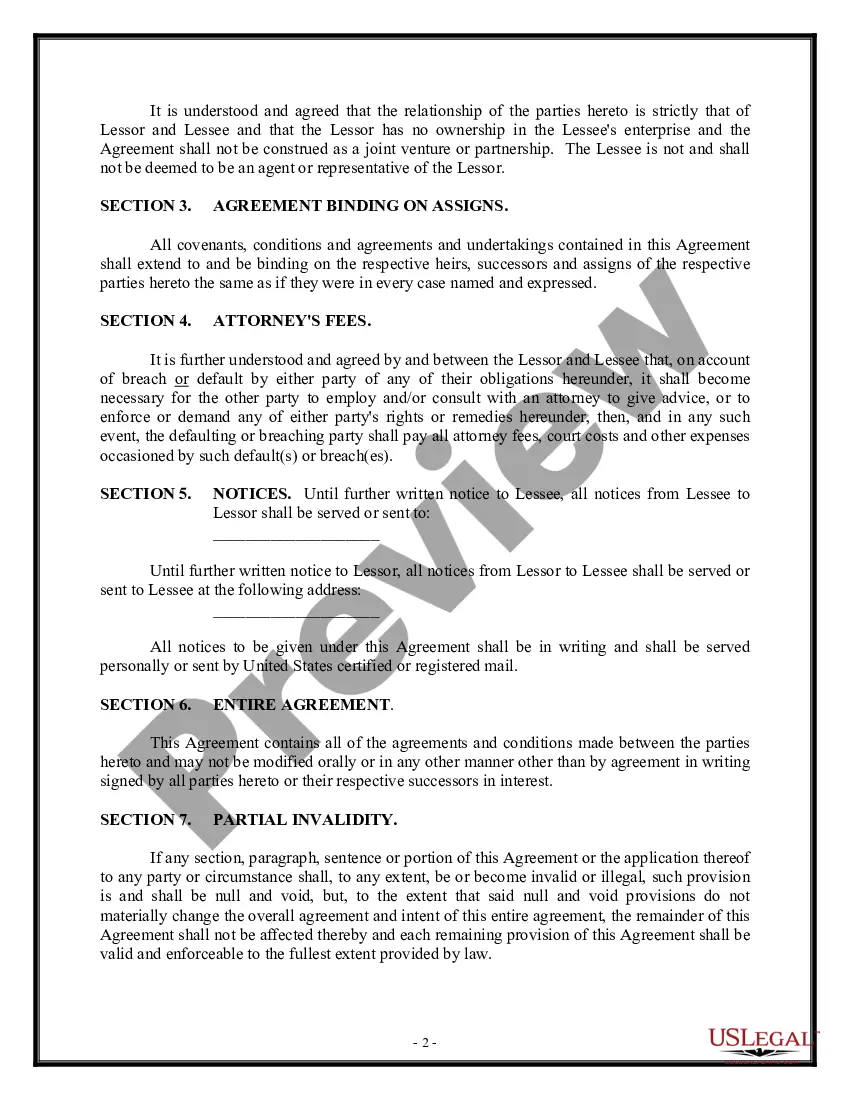
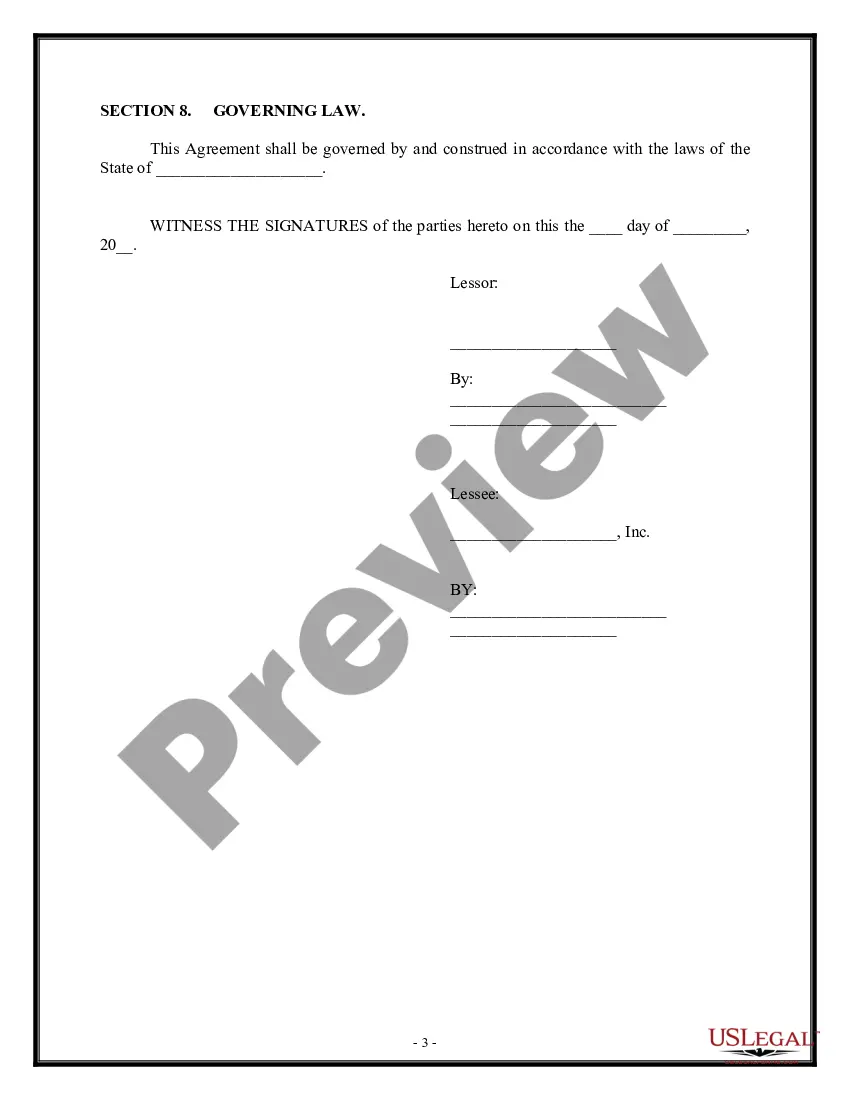
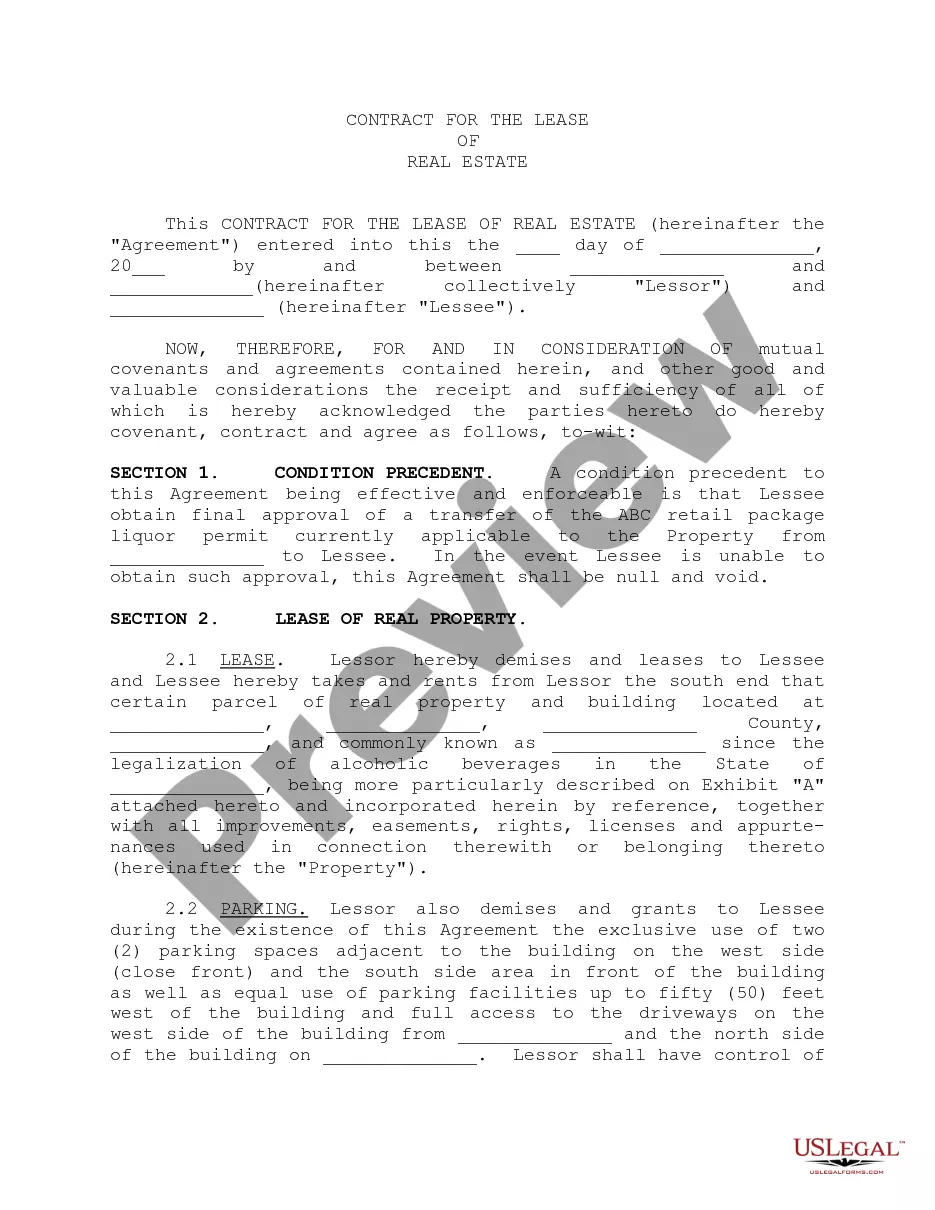
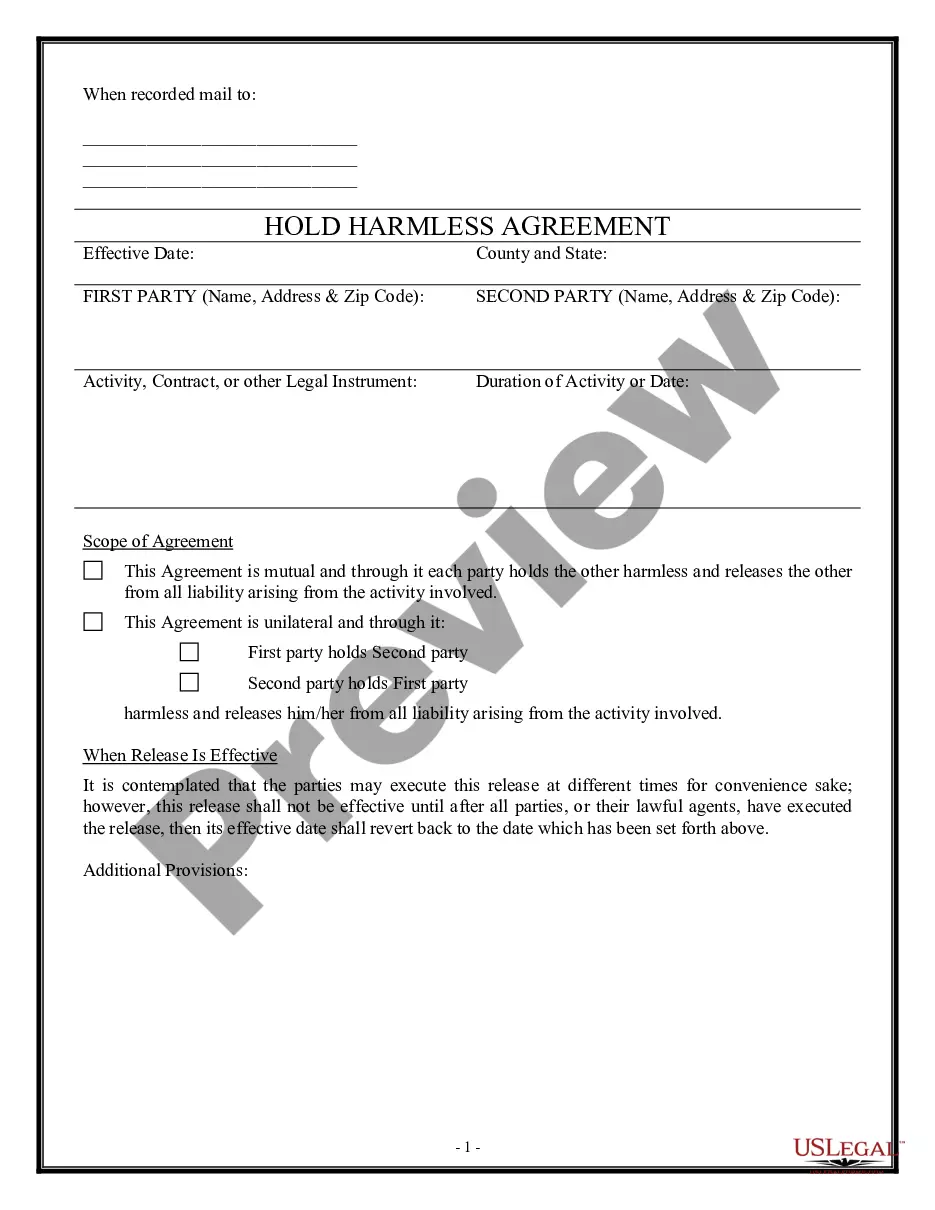
Get your form ready online
Our built-in tools help you complete, sign, share, and store your documents in one place.
Make edits, fill in missing information, and update formatting in US Legal Forms—just like you would in MS Word.
Download a copy, print it, send it by email, or mail it via USPS—whatever works best for your next step.
Sign and collect signatures with our SignNow integration. Send to multiple recipients, set reminders, and more. Go Premium to unlock E-Sign.
If this form requires notarization, complete it online through a secure video call—no need to meet a notary in person or wait for an appointment.
We protect your documents and personal data by following strict security and privacy standards.

Make edits, fill in missing information, and update formatting in US Legal Forms—just like you would in MS Word.

Download a copy, print it, send it by email, or mail it via USPS—whatever works best for your next step.

Sign and collect signatures with our SignNow integration. Send to multiple recipients, set reminders, and more. Go Premium to unlock E-Sign.

If this form requires notarization, complete it online through a secure video call—no need to meet a notary in person or wait for an appointment.

We protect your documents and personal data by following strict security and privacy standards.
Looking for another form?







Form popularity
FAQ
Under North Carolina law, to qualify for in-state residency, you must show that: You have established your legal residence (domicile) in North Carolina. You have maintained that domicile for at least twelve (12) consecutive months before the beginning of the term. You have a residentiary presence in the state.
In the absence of convincing proof to the contrary, an individual who is present within North Carolina for more than 183 days during the taxable year is presumed to be a resident, but the absence of an individual from the state for more than 183 days raises no presumption that the individual is not a resident.
In NC, the only statewide law with a specific age restriction is the NC Fire Code, which states that a child under the age of eight cannot be left alone unsupervised. For additional guidelines and tips, go to the Is Your Child Ready to Stay Home Alone guide by the NC Pediatric Society.
For the purposes of the 183-equivalent-day requirement, any part of a day the individual is present in the United States during the current calendar year counts as a full day; each day in the preceding year counts as one-third of a day; and each day in the second preceding year counts as one-sixth of a day.
183 days during the 3-year period that includes the current year and the 2 years immediately before that, counting: All the days you were present in the current year, and. 1/3 of the days you were present in the first year before the current year, and.
Property Tax Exemption North Carolina does not levy property tax on real and personal property that is used exclusively for air cleaning, waste disposal or to abate, reduce or prevent air and/or water pollution.
You can't deduct capital losses on the sale of personal use property. A personal use asset that is sold at a loss generally isn't reported on your tax return unless it was reported to you on a 1099-K and you can't get a corrected version from the issuer of the form.
For information regarding your property tax bill (real property and motor vehicles), contact your local property tax office (county telephone numbers).
Homestead Property Exclusion / Exemption The State of North Carolina excludes from property taxes a portion of the appraised value of permanent residents owned and occupied by North Carolina residents aged 65 or older or totally and permanently disabled whose 2024 income does not exceed $37,900 annually.