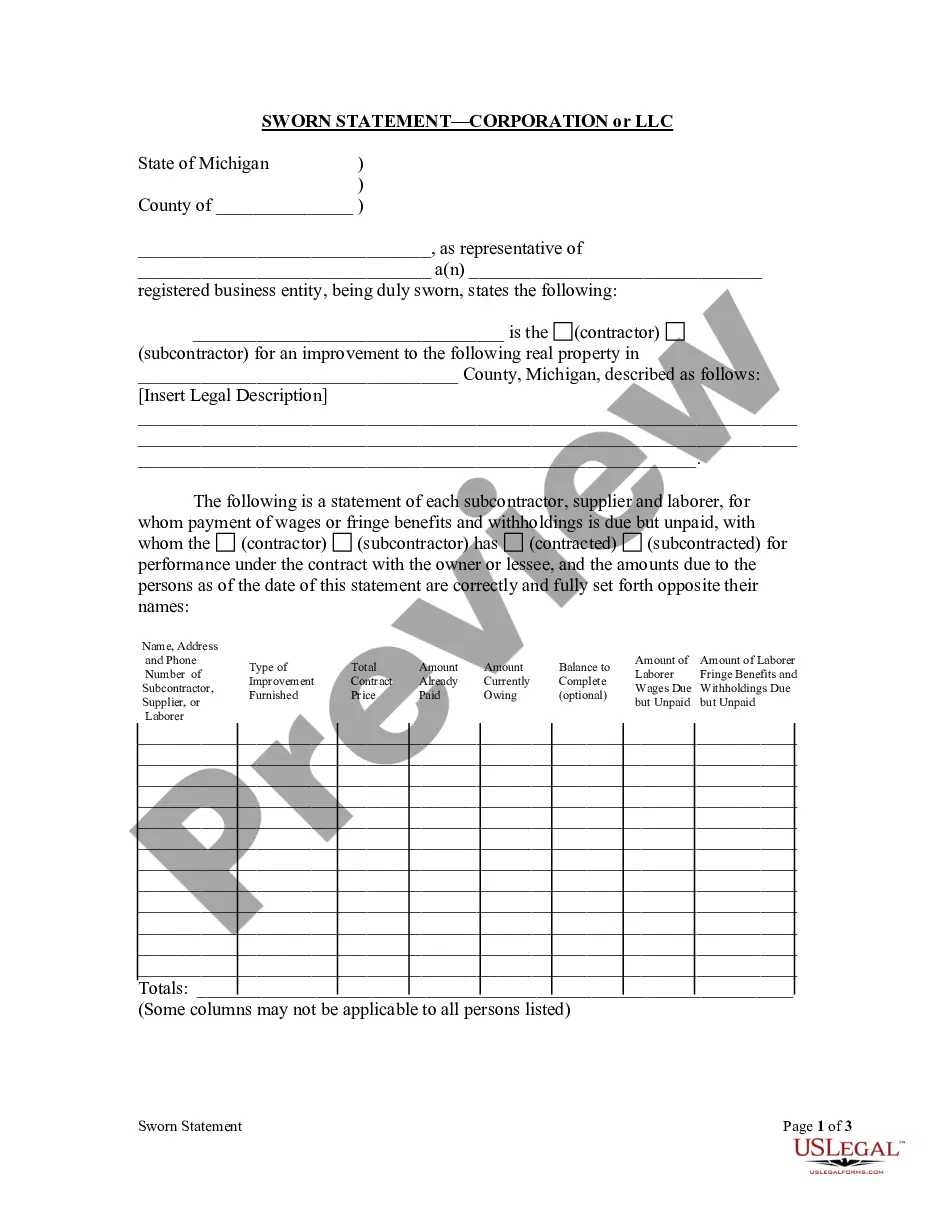
Private Property For Sale Onrus In Nevada
Description

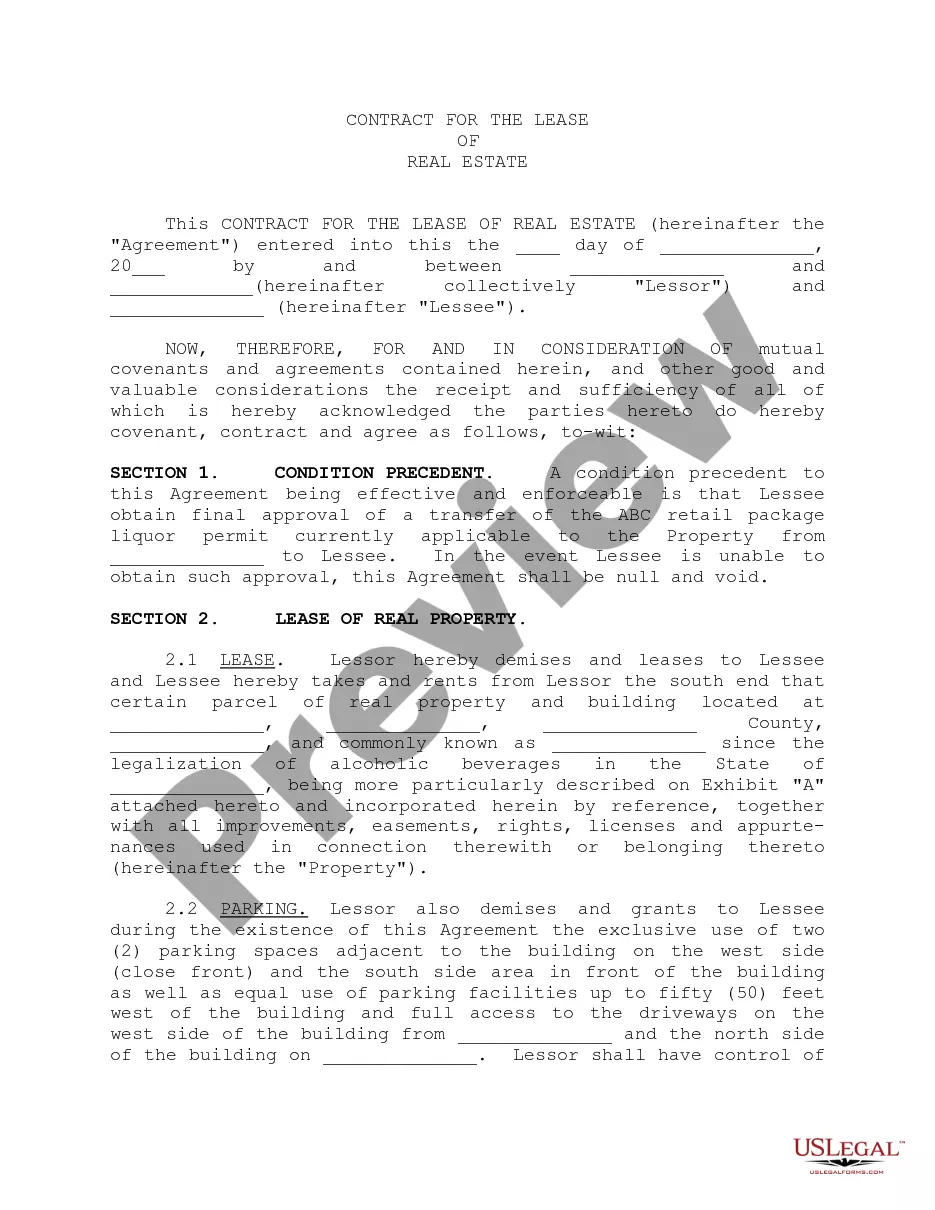
Get your form ready online
Our built-in tools help you complete, sign, share, and store your documents in one place.
Make edits, fill in missing information, and update formatting in US Legal Forms—just like you would in MS Word.
Download a copy, print it, send it by email, or mail it via USPS—whatever works best for your next step.
Sign and collect signatures with our SignNow integration. Send to multiple recipients, set reminders, and more. Go Premium to unlock E-Sign.
If this form requires notarization, complete it online through a secure video call—no need to meet a notary in person or wait for an appointment.
We protect your documents and personal data by following strict security and privacy standards.

Make edits, fill in missing information, and update formatting in US Legal Forms—just like you would in MS Word.

Download a copy, print it, send it by email, or mail it via USPS—whatever works best for your next step.

Sign and collect signatures with our SignNow integration. Send to multiple recipients, set reminders, and more. Go Premium to unlock E-Sign.

If this form requires notarization, complete it online through a secure video call—no need to meet a notary in person or wait for an appointment.

We protect your documents and personal data by following strict security and privacy standards.
Looking for another form?






Form popularity
FAQ
The seller must complete the “Seller's Real Property Disclosure” form, detailing the condition of the property, known defects, and any other aspects of the property which may affect its use or value. A real estate licensee, unless he is the seller of the property, may not complete this form.
Nevada law requires that before you actually close on a property transfer, you give the potential buyer a lengthy disclosure statement listing defects in the property and other relevant information.
This is called the buyer's due diligence period and is typically ten days unless agreed upon otherwise in the contract. The seller is obligated to provide the Homeowner's Association Documents, and the buyer has five days to review those documents once delivered.
The most commonly required disclosure in a residential real estate sale is the seller's property disclosure. This is a document that is provided by the seller that discloses any known defects or issues with the property, such as leaky roofs, plumbing problems, or electrical issues.
If asbestos is found, the seller will need to disclose the results to potential buyers.
The seller must complete the “Seller's Real Property Disclosure” form, detailing the condition of the property, known defects, and any other aspects of the property which may affect its use or value. A real estate licensee, unless he is the seller of the property, may not complete this form.
Overview of Nevada's Best Land Market Counties Lyon County. Nye County. Douglas County. Elko County. White Pine County.
While buying land in Nevada brings attractive upside like affordability and growth potential, assessing the water access, development costs, and market volatility concerns remains crucial as well. Those willing to strategize around the challenges can tap into a promising market for land ownership in the Silver State.
It is a private land state. Only 2.8 percent of its area is considered public land, and 97.2 percent is owned by private and governmental entities.
It is a private land state. Only 2.8 percent of its area is considered public land, and 97.2 percent is owned by private and governmental entities.