Personal Property Statement Without Homeowners Insurance In Montgomery
Description

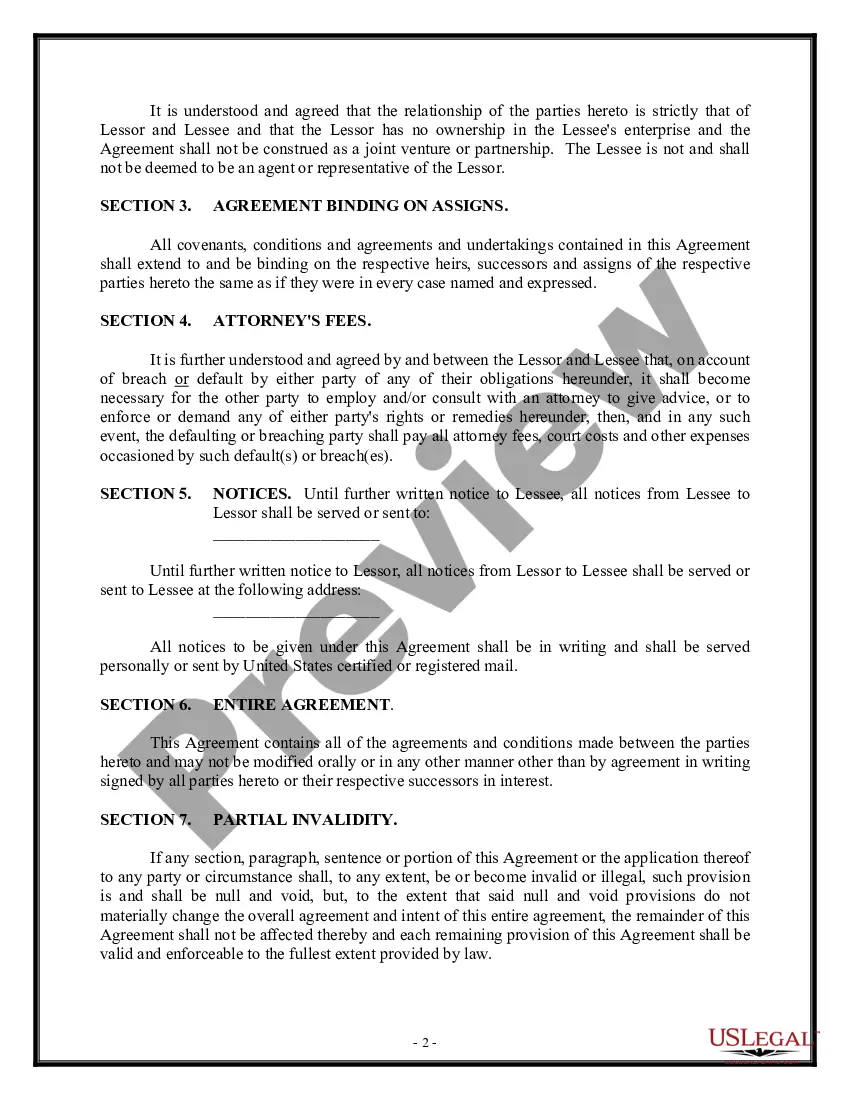
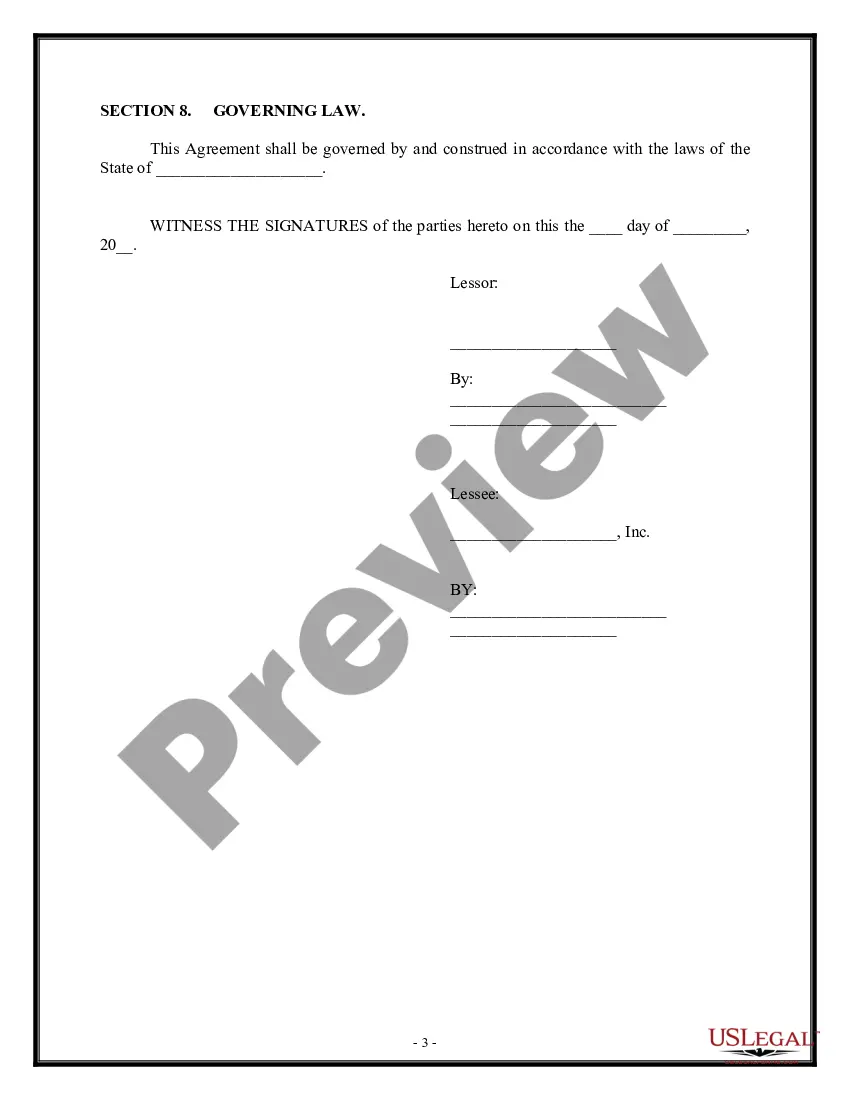
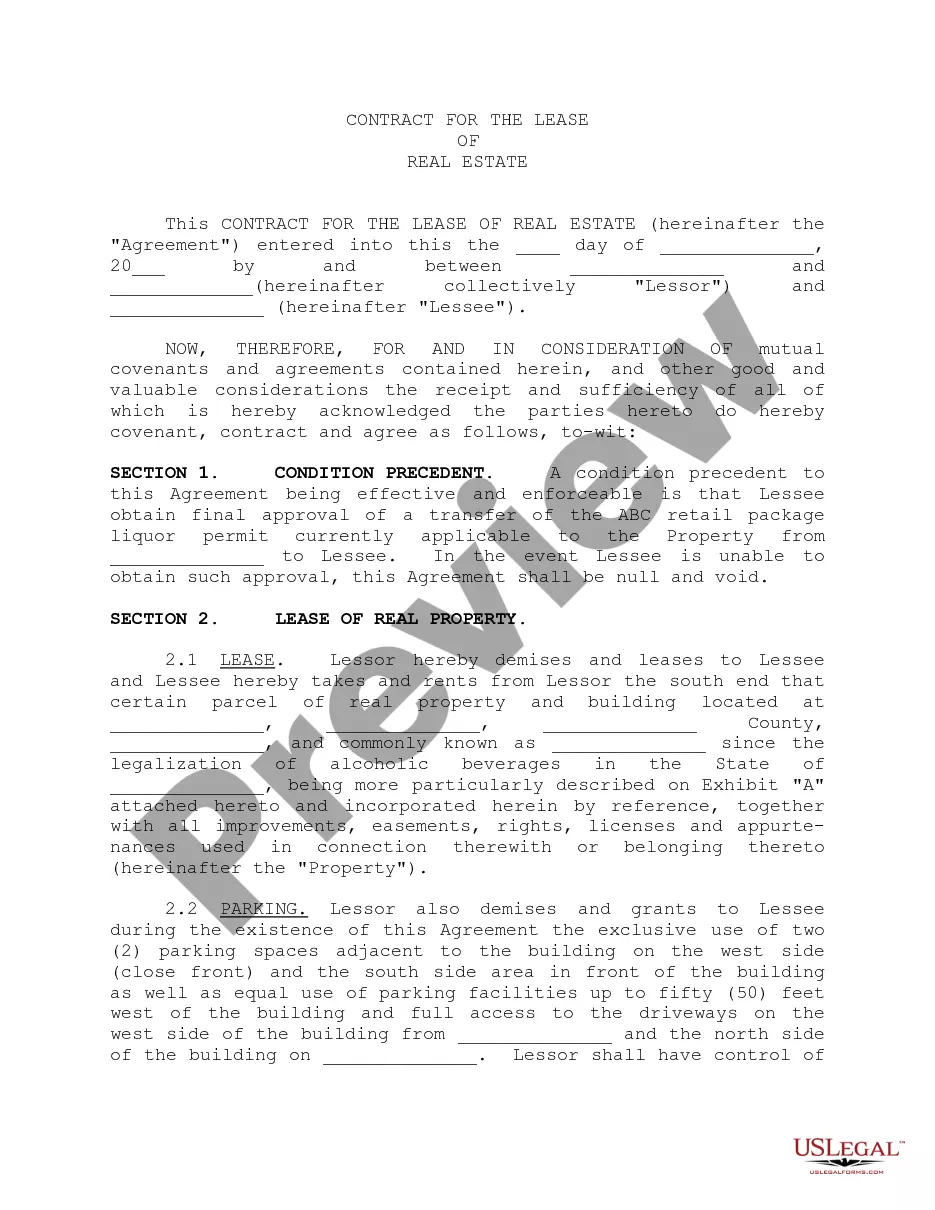
Get your form ready online
Our built-in tools help you complete, sign, share, and store your documents in one place.
Make edits, fill in missing information, and update formatting in US Legal Forms—just like you would in MS Word.
Download a copy, print it, send it by email, or mail it via USPS—whatever works best for your next step.
Sign and collect signatures with our SignNow integration. Send to multiple recipients, set reminders, and more. Go Premium to unlock E-Sign.
If this form requires notarization, complete it online through a secure video call—no need to meet a notary in person or wait for an appointment.
We protect your documents and personal data by following strict security and privacy standards.

Make edits, fill in missing information, and update formatting in US Legal Forms—just like you would in MS Word.

Download a copy, print it, send it by email, or mail it via USPS—whatever works best for your next step.

Sign and collect signatures with our SignNow integration. Send to multiple recipients, set reminders, and more. Go Premium to unlock E-Sign.

If this form requires notarization, complete it online through a secure video call—no need to meet a notary in person or wait for an appointment.

We protect your documents and personal data by following strict security and privacy standards.
Looking for another form?


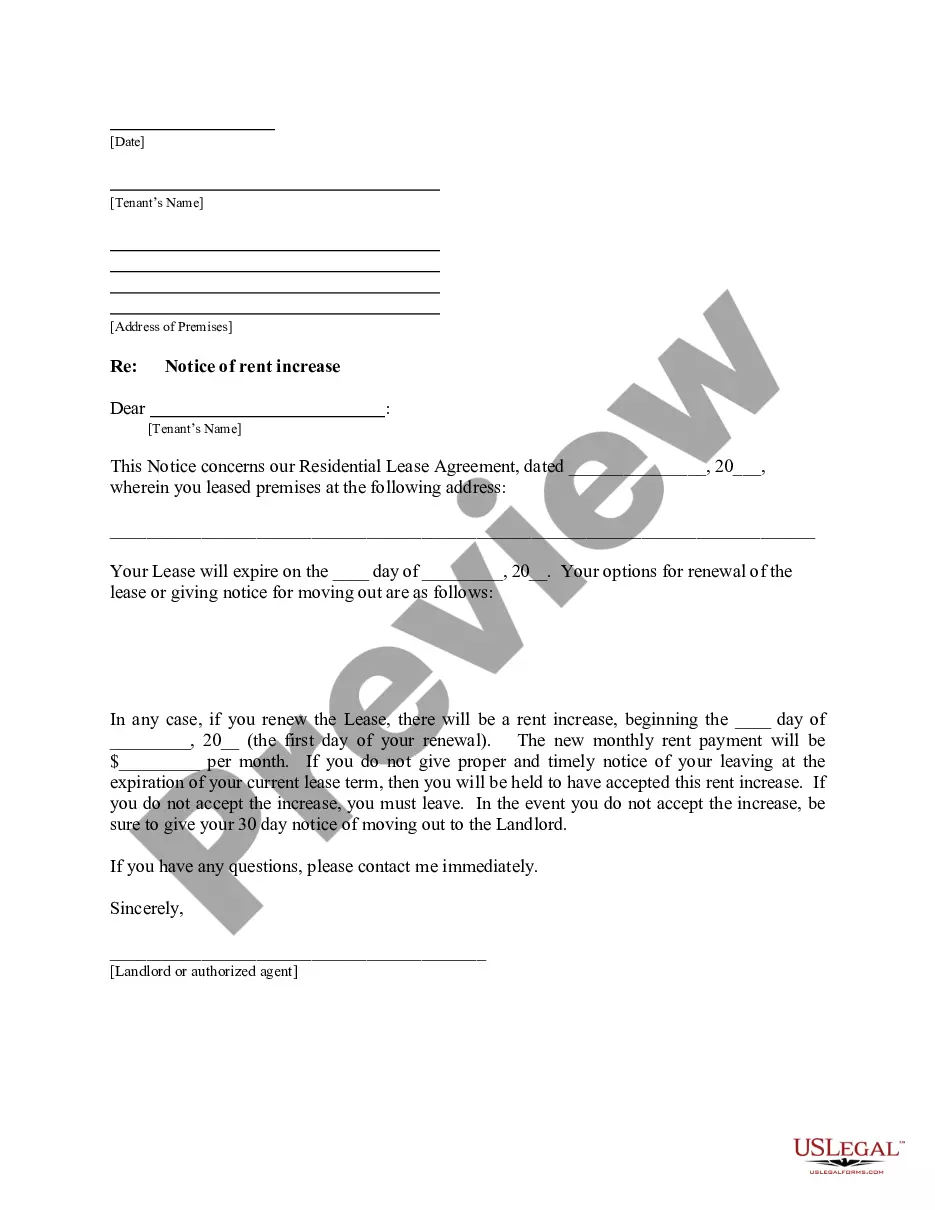





Form popularity
FAQ
Your Personal Financial Statement should include assets or debts that are yours alone (I-Individual), assets or debts that are jointly (J-Joint) held by you and a spouse or significant other, assets or debts that are held by a spouse or significant other (S-Spouse or Significant Other) that you enjoy the benefits of or ...
How do I complete my Financial Statement? Filling in the Financial Statement template. Enter your personal details. Enter your income. Enter your expenditure totals. Calculate how much you have left for all debts. Enter your debt details. Calculate how much you have left for secondary debts.
A statement of financial position is often formatted as a table with three columns. The first column lists the asset accounts, the second column lists liability or equity accounts and the final column contains totals for each section that are used to calculate net worth.
5 steps to prepare your financial statements Step 1: gather all relevant financial data. Step 2: categorize and organize the data. Step 3: draft preliminary financial statements. Step 4: review and reconcile all data. Step 5: finalize and report.
A declaration page is proof of homeowners insurance, which mortgage carriers typically request on an annual basis. The information on this page can be useful to understand basic coverages and limits in your policy in the event you are considering whether or not to file a claim.
The sum of the value of all your items is how much coverage you need. Often, the amount of personal property coverage is determined by using 50% of your dwelling coverage limit. For example, if your dwelling coverage is $400,000, you'll have $200,000 in personal property coverage.
Everything that is not real estate is personal property. Personal Property is property not permanently affixed to or part of the real property, such as furniture, fixtures, and/or equipment. Everything that is not real estate is personal property.
Obtaining a copy of your homeowner insurance declaration page is simple. If you've printed your policy, look at the first page – that's typically where all the declarations are. Similarly, if you have an electronic copy of your homeowners insurance policy, you can usually find it on the first page.
Most umbrella / excess liability policies today require underlying primary liability insurance coverage. If there is no underlying primary coverage IE no homeowners liability coverage then there is a big risk that your umbrella liability policy may not activate to provide any benefit.
Personal property depends on a surprisingly simple test: Can you physically move it? The outcome of that test determines the distinction between real property and personal property, which in turn has real implications for taxation.