Personal Property In A Trust In Broward
Description

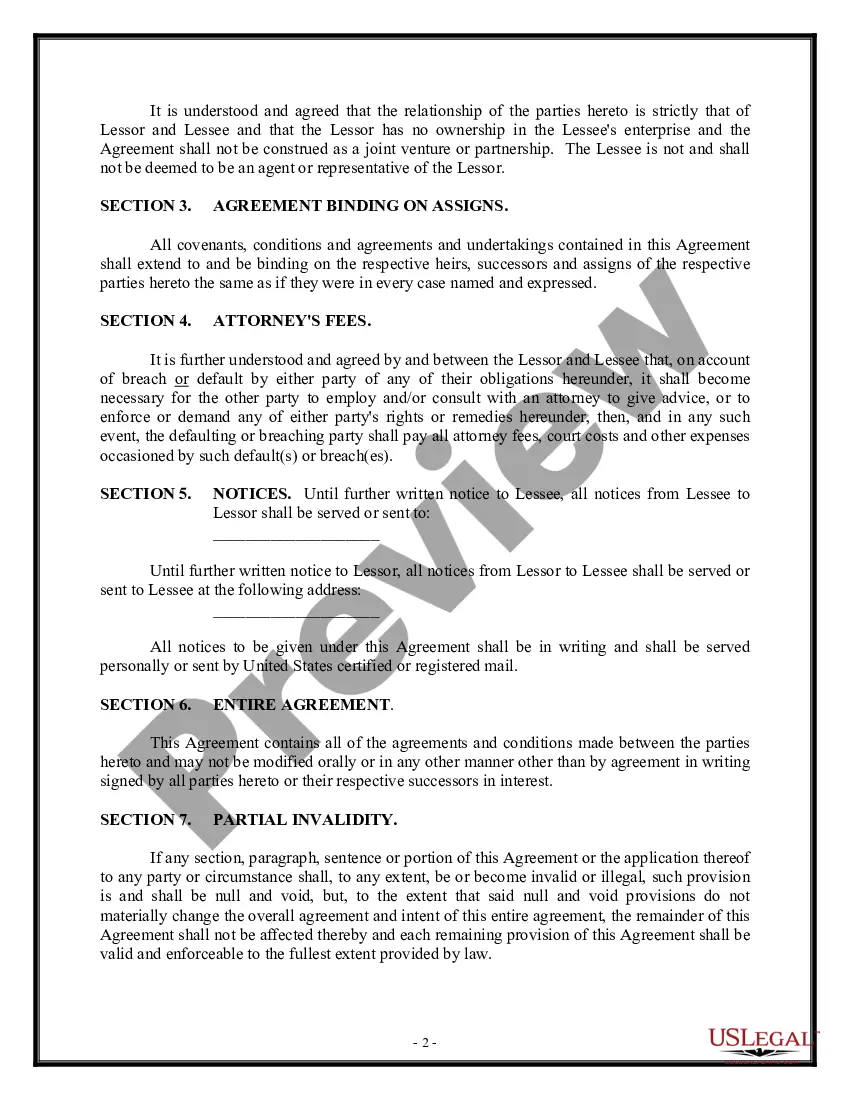
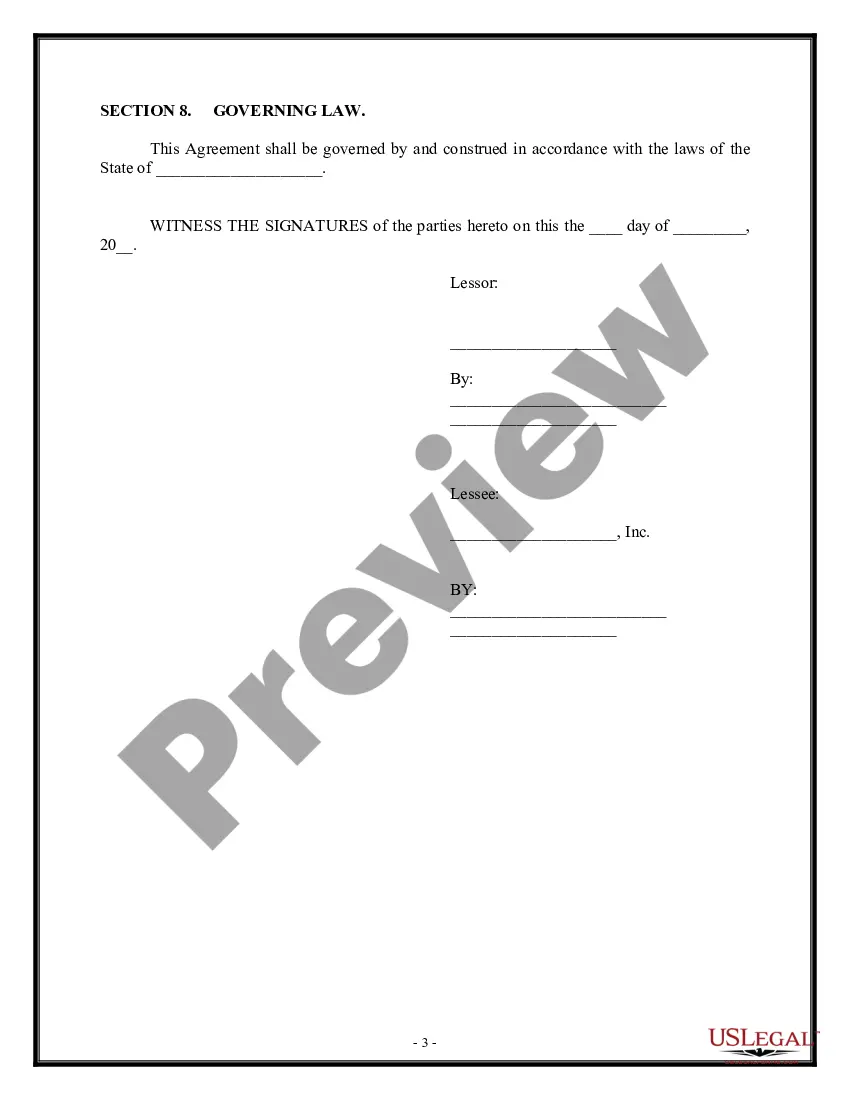
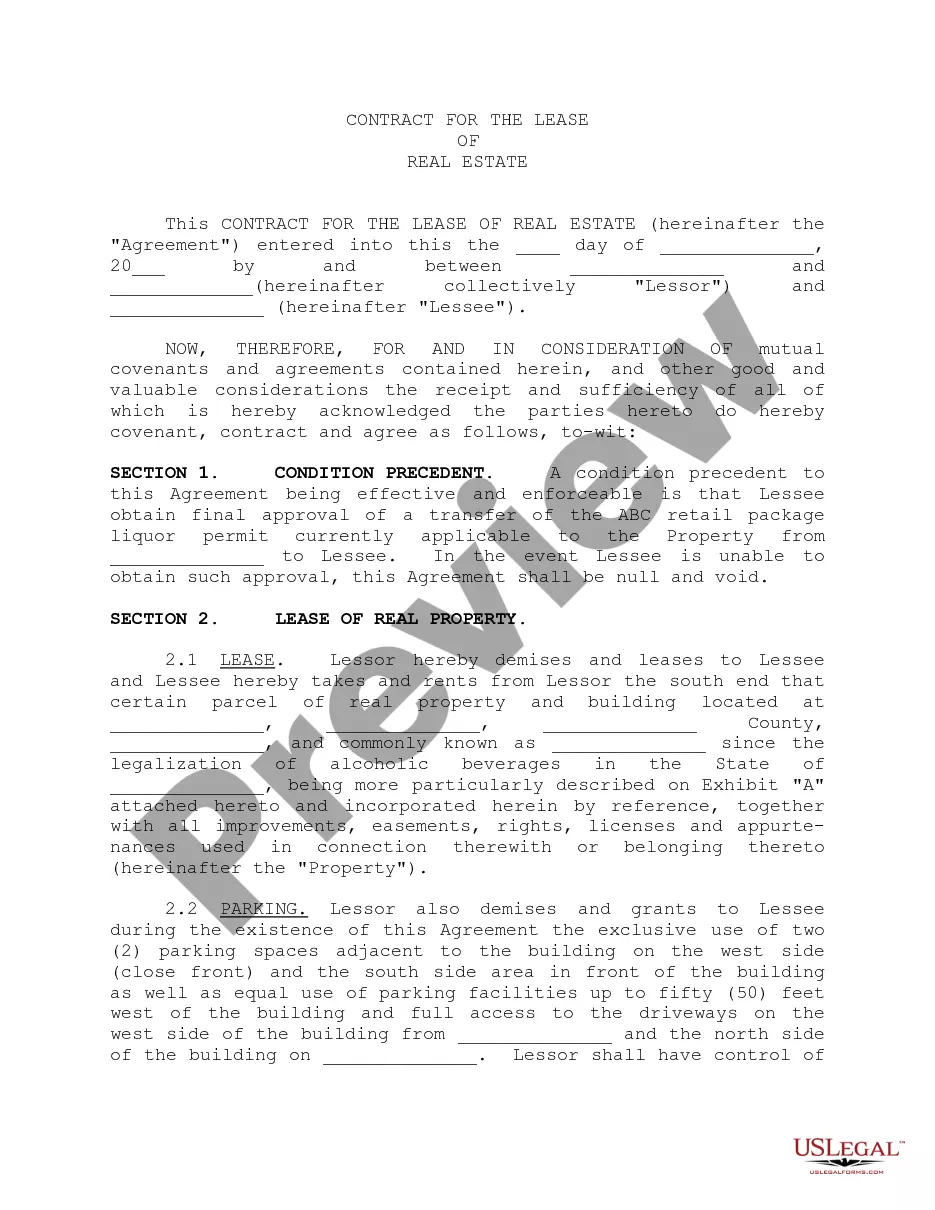
Get your form ready online
Our built-in tools help you complete, sign, share, and store your documents in one place.
Make edits, fill in missing information, and update formatting in US Legal Forms—just like you would in MS Word.
Download a copy, print it, send it by email, or mail it via USPS—whatever works best for your next step.
Sign and collect signatures with our SignNow integration. Send to multiple recipients, set reminders, and more. Go Premium to unlock E-Sign.
If this form requires notarization, complete it online through a secure video call—no need to meet a notary in person or wait for an appointment.
We protect your documents and personal data by following strict security and privacy standards.

Make edits, fill in missing information, and update formatting in US Legal Forms—just like you would in MS Word.

Download a copy, print it, send it by email, or mail it via USPS—whatever works best for your next step.

Sign and collect signatures with our SignNow integration. Send to multiple recipients, set reminders, and more. Go Premium to unlock E-Sign.

If this form requires notarization, complete it online through a secure video call—no need to meet a notary in person or wait for an appointment.

We protect your documents and personal data by following strict security and privacy standards.
Looking for another form?

Form popularity
FAQ
Essential Steps For How To Put Your House in a Trust in Florida Create a Valid Trust. Choose The Type of Deed. Prepare & Sign The Deed. Notify Your Mortgage Lender. Record The Deed. Update Trust Records. Inform The Trustee.
Yes, it means that the trust beneficiary or trustee as the one residing in the home --will be treated as one and allowed to use the exclusion.
2020) (“As to the permissibility of owning a homestead in an irrevocable trust, Florida Attorney General Opinion 72-12 held that an irrevocable trust can own homestead so long as the beneficiary (who is residing in and using the homestead as his or her permanent home) is provided a present possessory right to the ...
In Florida, placing your property into a revocable trust ensures that the property is not reassessed for tax purposes, provided the transfer is executed correctly. This means that your property taxes should not increase solely because you've transferred your home into a trust for your child or any other beneficiary.
Upon your death, the trustee (or your successor if you were the initial trustee) is responsible for paying all claims and taxes, and then distributing the assets to your beneficiaries as described in the trust agreement.
Disposition of Personal Property without Administration. A Disposition of Personal Property without Administration is a proceeding used to request release of the assets of the deceased to the heirs or other qualified parties without Formal Administration.
2020) (“As to the permissibility of owning a homestead in an irrevocable trust, Florida Attorney General Opinion 72-12 held that an irrevocable trust can own homestead so long as the beneficiary (who is residing in and using the homestead as his or her permanent home) is provided a present possessory right to the ...
Is it better to put assets in my child's name or in a trust? The short answer is no! It is generally a bad idea to do this because this gives them partial legal ownership if your property. This is a common question and we want to give you the necessary information so you can make an informed decision. _________
Rigidity: Family trusts are often inflexible, making it difficult to alter the terms once they are established. This rigidity can be problematic if family circumstances change, such as in cases of divorce, remarriage or changes in financial status.
Putting assets, such as real estate, financial accounts, investments, insurance policies, and personal properties, in a living trust involves certain steps depending on the type of asset. These assets can be moved into the trust through legal documents such as deeds, title transfers, or assignments.