Personal Property Form Insurance In Allegheny
Description

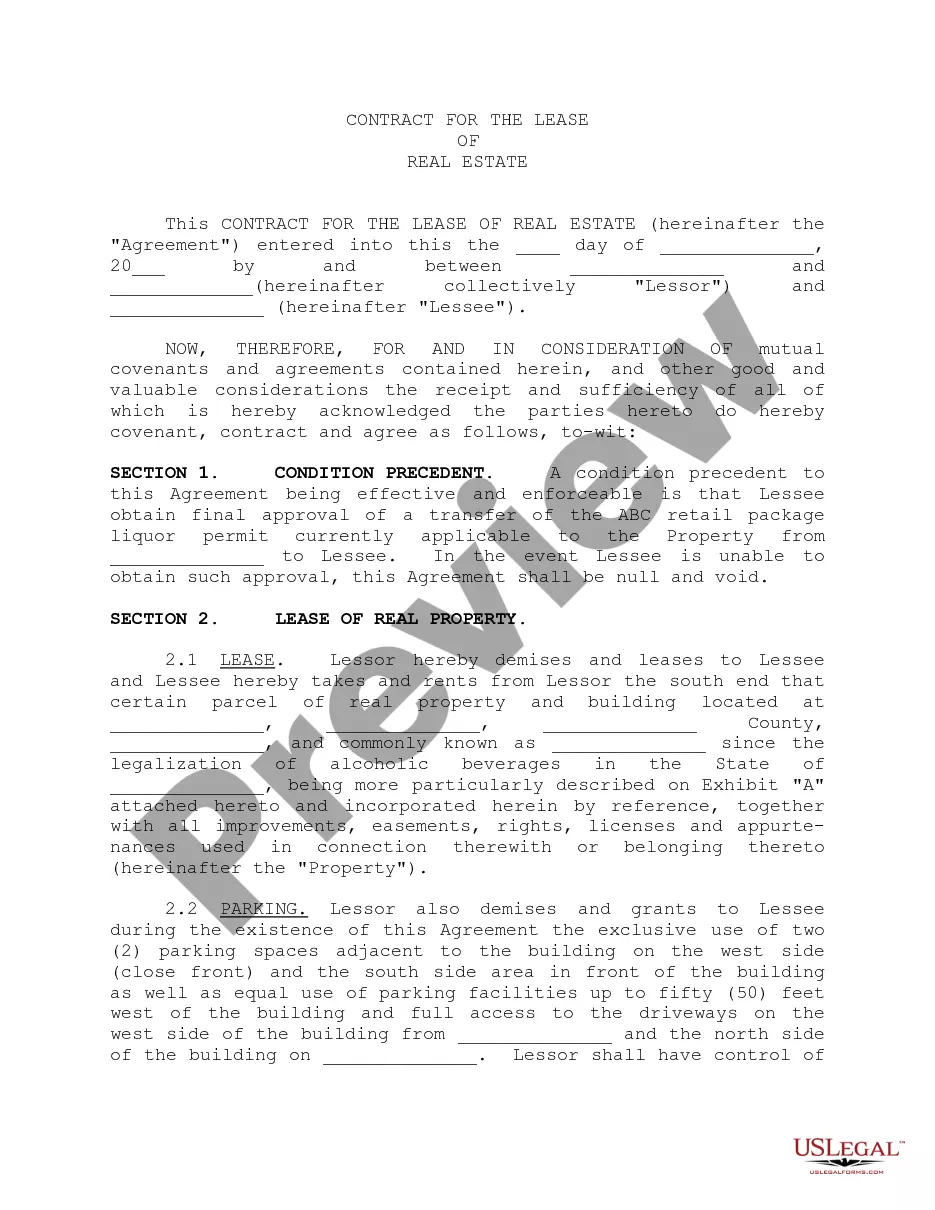
Get your form ready online
Our built-in tools help you complete, sign, share, and store your documents in one place.
Make edits, fill in missing information, and update formatting in US Legal Forms—just like you would in MS Word.
Download a copy, print it, send it by email, or mail it via USPS—whatever works best for your next step.
Sign and collect signatures with our SignNow integration. Send to multiple recipients, set reminders, and more. Go Premium to unlock E-Sign.
If this form requires notarization, complete it online through a secure video call—no need to meet a notary in person or wait for an appointment.
We protect your documents and personal data by following strict security and privacy standards.

Make edits, fill in missing information, and update formatting in US Legal Forms—just like you would in MS Word.

Download a copy, print it, send it by email, or mail it via USPS—whatever works best for your next step.

Sign and collect signatures with our SignNow integration. Send to multiple recipients, set reminders, and more. Go Premium to unlock E-Sign.

If this form requires notarization, complete it online through a secure video call—no need to meet a notary in person or wait for an appointment.

We protect your documents and personal data by following strict security and privacy standards.
Looking for another form?

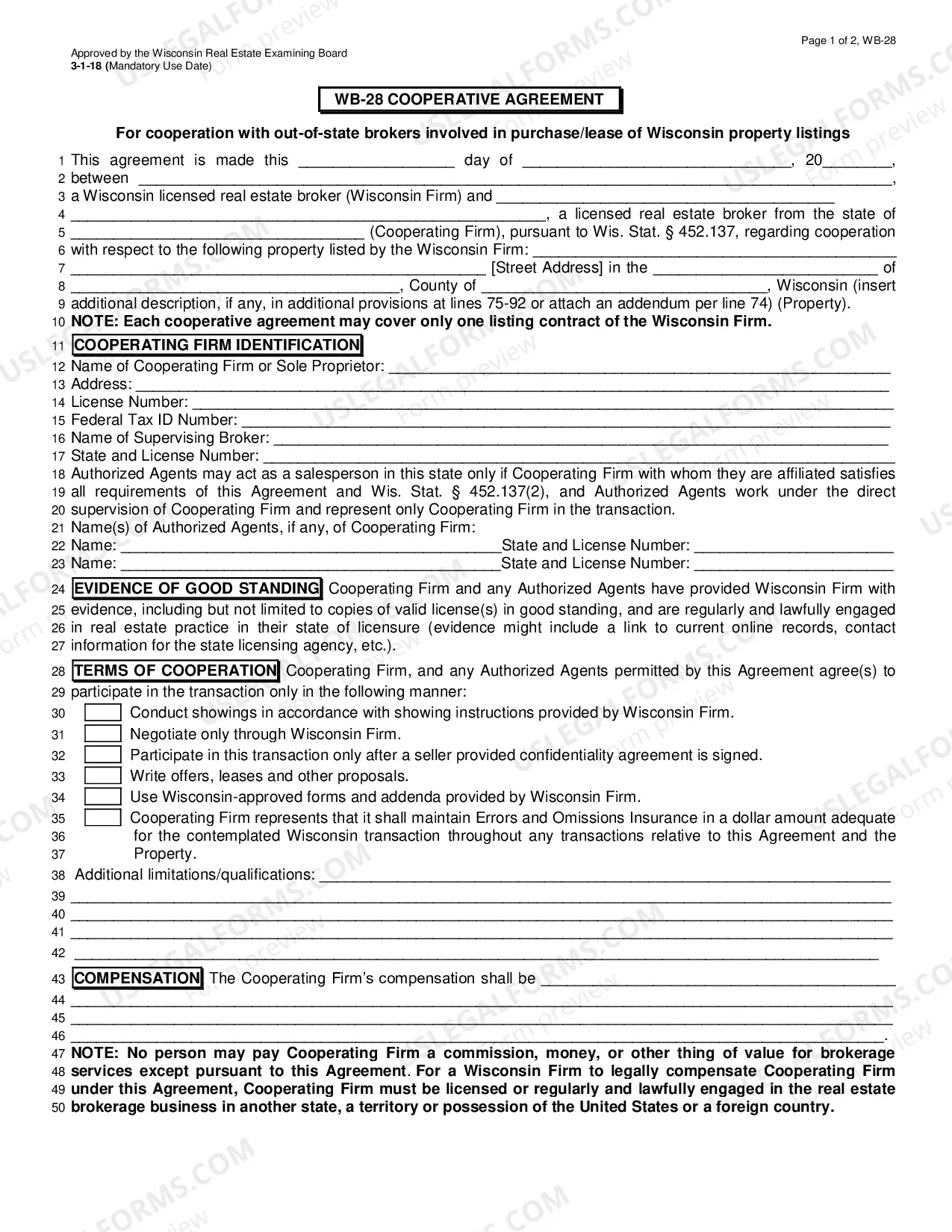



Form popularity
FAQ
Examples of property insurance include homeowners, renters, and flood insurance policies. These policies can provide coverage for damages caused by fire, flooding, theft, weather, and other risks.
Proof of insurance documents are used to show that an individual or entity has insurance coverage. Examples would include personal medical insurance cards or car insurance ID cards.
The sum of the value of all your items is how much coverage you need. Often, the amount of personal property coverage is determined by using 50% of your dwelling coverage limit. For example, if your dwelling coverage is $400,000, you'll have $200,000 in personal property coverage.
A Certificate of Insurance (COI) provides evidence that an outside group/organization/company conducting activities or business on public property purchased specified types – and sufficient amounts – of insurance should an accident occur.
Basic Form It typically covers damage or loss caused by specific perils, such as fire, lightning, windstorm, hail, explosion, and vandalism. This type of coverage is sometimes called “named perils coverage” because it only covers the perils named explicitly in the policy.
A declaration page is proof of homeowners insurance, which mortgage carriers typically request on an annual basis. The information on this page can be useful to understand basic coverages and limits in your policy in the event you are considering whether or not to file a claim.
Evidence of property insurance is required in various situations to demonstrate that a property, such as a home or commercial building, is adequately insured. (Often, but not always, evidence of liability coverage is required along with property insurance.)
Personal property coverage protects things within your home like your computer, comfy couch, and favorite jacket from damage due to a covered loss. Whether you own a house, condo, or rent an apartment, your property insurance policy typically includes personal property coverage. Personal property coverage is important.
Personal property coverage protects things within your home like your computer, comfy couch, and favorite jacket from damage due to a covered loss. Whether you own a house, condo, or rent an apartment, your property insurance policy typically includes personal property coverage. Personal property coverage is important.
A PAF policy can be a good choice when the value of a single item exceeds policy limits of your homeowners policy, or when you have a significant number of valuable items to insure. Typically, these policies are customized to your needs and help protect against a wide range of risks.