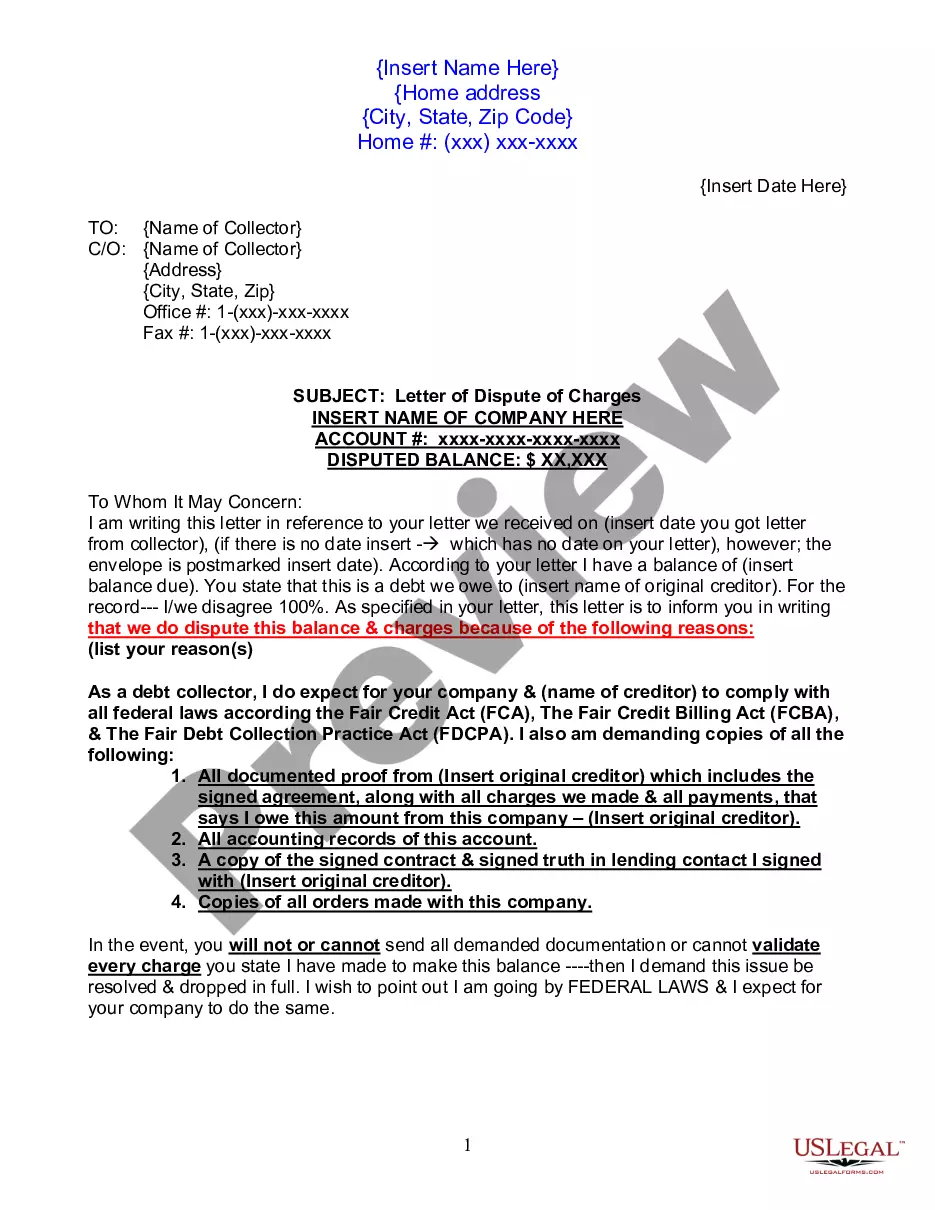
Personal Assets With Examples In Alameda
Description

Get your form ready online
Our built-in tools help you complete, sign, share, and store your documents in one place.
Make edits, fill in missing information, and update formatting in US Legal Forms—just like you would in MS Word.
Download a copy, print it, send it by email, or mail it via USPS—whatever works best for your next step.
Sign and collect signatures with our SignNow integration. Send to multiple recipients, set reminders, and more. Go Premium to unlock E-Sign.
If this form requires notarization, complete it online through a secure video call—no need to meet a notary in person or wait for an appointment.
We protect your documents and personal data by following strict security and privacy standards.

Make edits, fill in missing information, and update formatting in US Legal Forms—just like you would in MS Word.

Download a copy, print it, send it by email, or mail it via USPS—whatever works best for your next step.

Sign and collect signatures with our SignNow integration. Send to multiple recipients, set reminders, and more. Go Premium to unlock E-Sign.

If this form requires notarization, complete it online through a secure video call—no need to meet a notary in person or wait for an appointment.

We protect your documents and personal data by following strict security and privacy standards.
Looking for another form?

Form popularity
FAQ
Tax Rates. California's property tax rate is 1% of assessed value (also applies to real property) plus any bonded indebtedness voted in by the taxpayers.
Under Article XIII, Section I of the California Constitution, all property is taxable unless it is exempt. Each year Personal Property is reassessed as of lien date, January 1st. Personal Property is all property except real estate and can include business equipment, vessels, aircraft, vehicles and manufactured homes.
Tangible personal property owned, claimed, possessed, or controlled in the conduct of a profession, trade, or business may be subject to property taxes. Business personal property and fixtures are valued annually as of the January 1 lien date.
Tangible personal property is mainly a tax term which is used to describe personal property that can be felt or touched, and can be physically relocated. For example: cars, furniture, jewelry, household goods and appliances, business equipment.
You must report all business assets, including all fully depreciated assets and/or expensed assets. Do not report licensed vehicles, computer application software, and goods held for sale, rent, or lease (i.e., inventory).
Property taxes are collected by the County, but governed by California state law. Personal property taxes are an ad-valorem (value based) property tax that is the liability of the person or entity assessed for the tax.
How does California's tax code compare? California has a graduated state individual income tax, with rates ranging from 1.00 percent to 13.30 percent.
Personal-use property is not purchased with the primary intent of making a profit, nor do you use it for business or rental purposes.
Personal Property - Any property other than real estate. The distinguishing factor between personal property and real property is that personal property is movable and not fixed permanently to one location, such as land or buildings.