Real Estate Clause For Due Diligence In Wake
Description

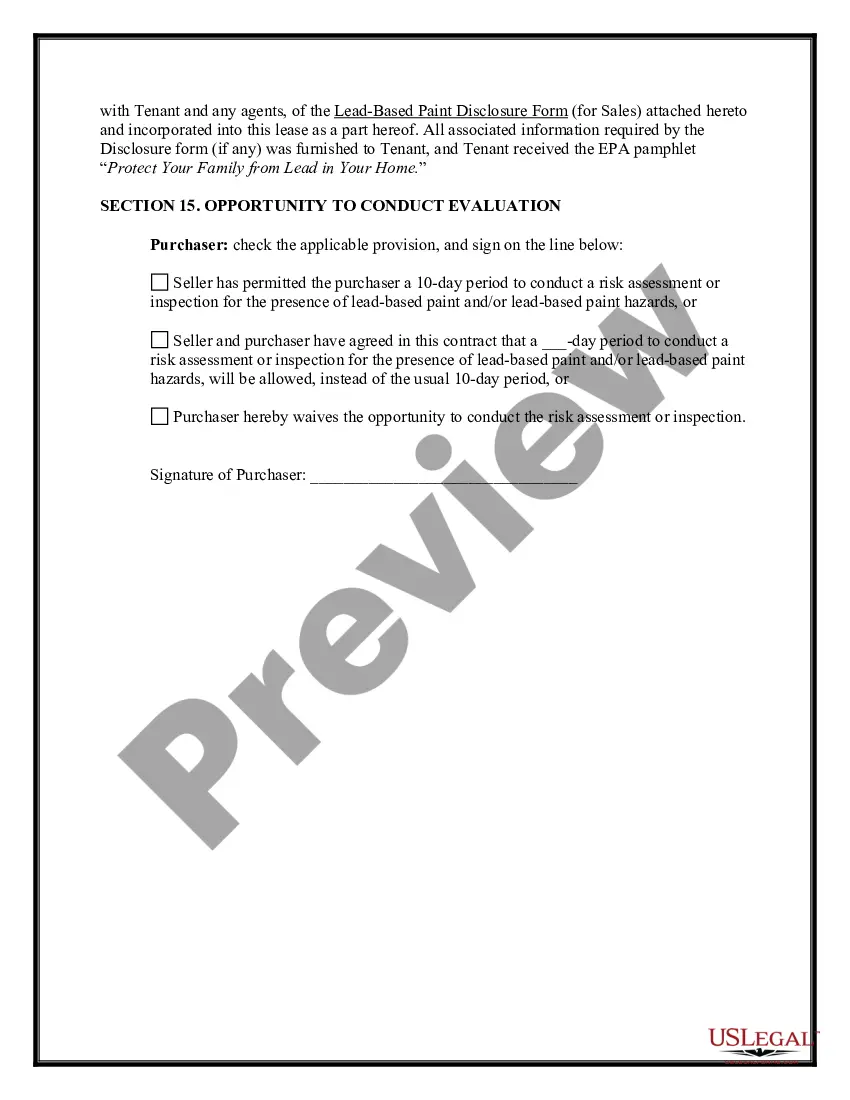
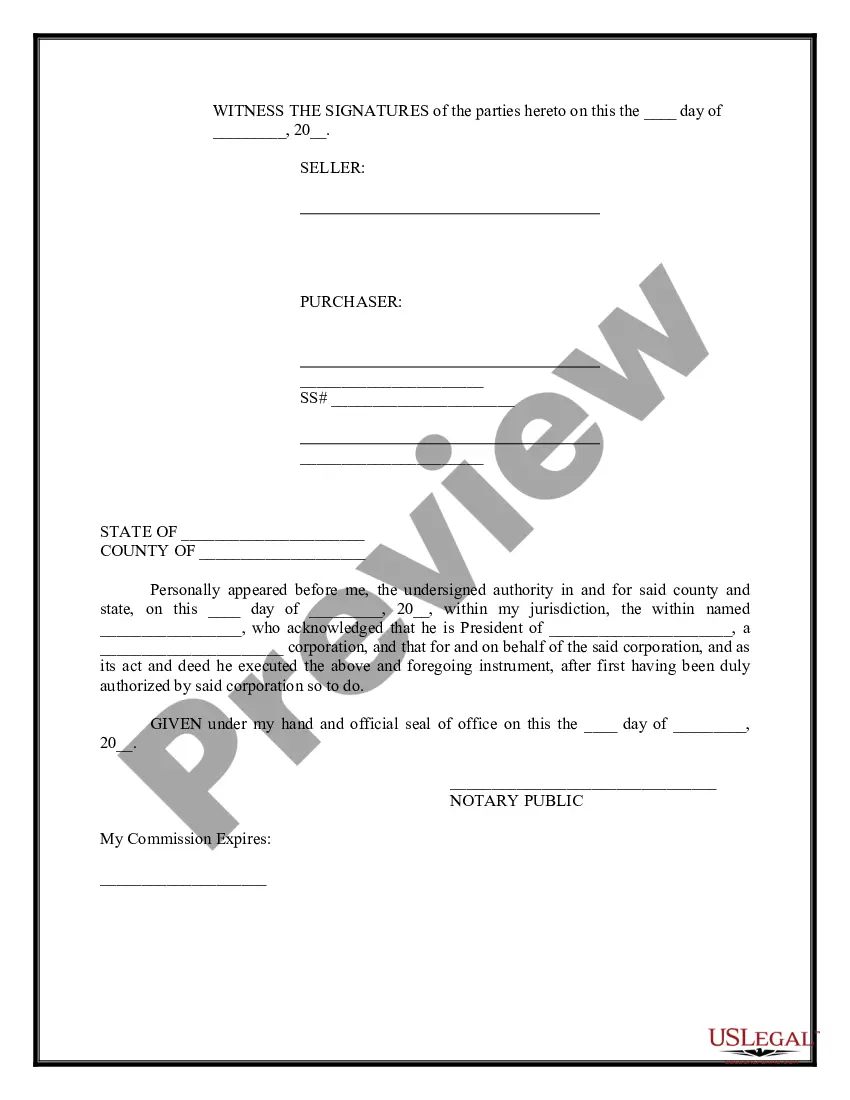
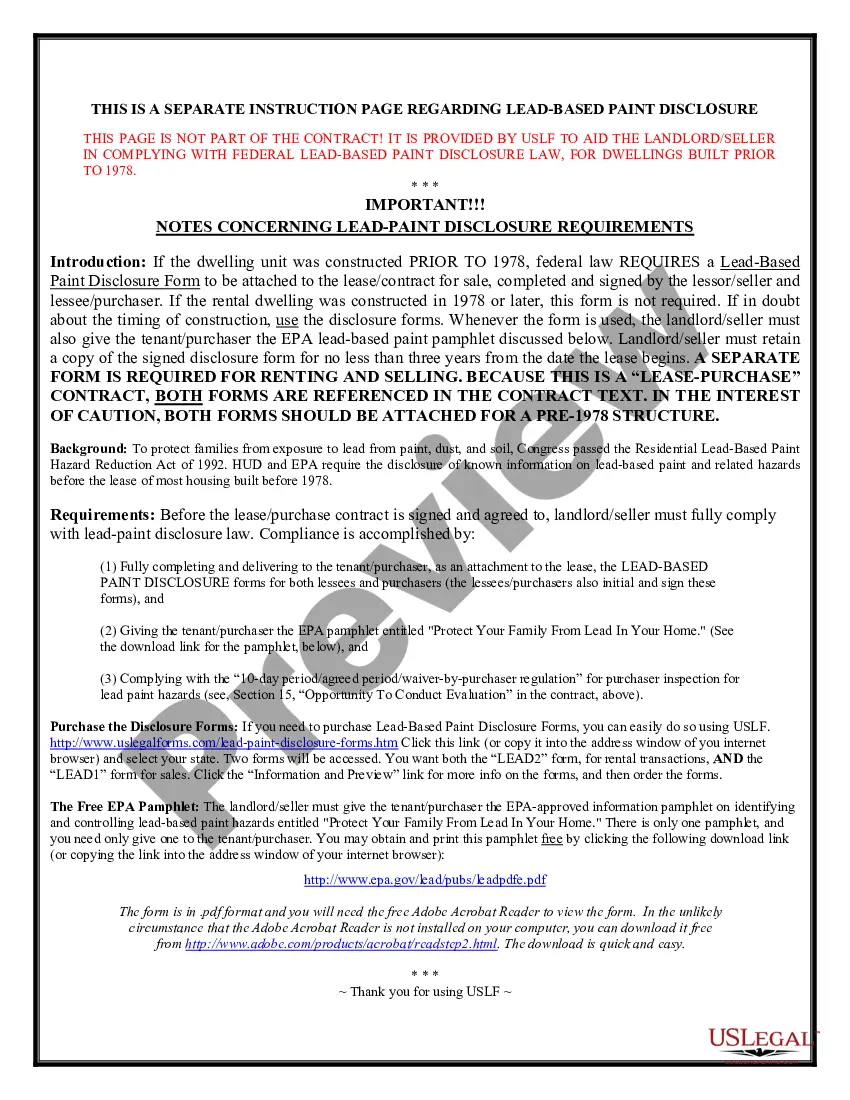
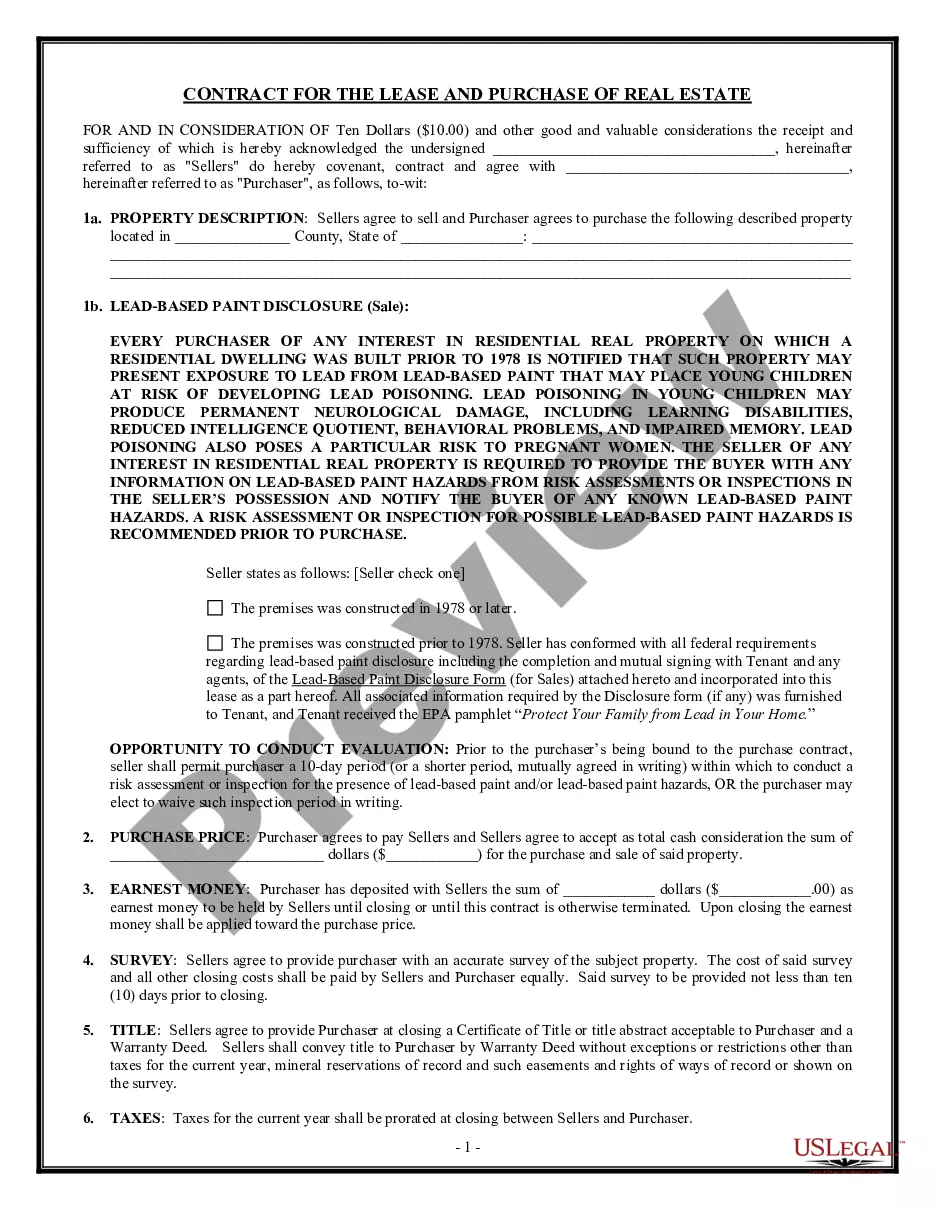
Get your form ready online
Our built-in tools help you complete, sign, share, and store your documents in one place.
Make edits, fill in missing information, and update formatting in US Legal Forms—just like you would in MS Word.
Download a copy, print it, send it by email, or mail it via USPS—whatever works best for your next step.
Sign and collect signatures with our SignNow integration. Send to multiple recipients, set reminders, and more. Go Premium to unlock E-Sign.
If this form requires notarization, complete it online through a secure video call—no need to meet a notary in person or wait for an appointment.
We protect your documents and personal data by following strict security and privacy standards.

Make edits, fill in missing information, and update formatting in US Legal Forms—just like you would in MS Word.

Download a copy, print it, send it by email, or mail it via USPS—whatever works best for your next step.

Sign and collect signatures with our SignNow integration. Send to multiple recipients, set reminders, and more. Go Premium to unlock E-Sign.

If this form requires notarization, complete it online through a secure video call—no need to meet a notary in person or wait for an appointment.

We protect your documents and personal data by following strict security and privacy standards.
Looking for another form?







Form popularity
FAQ
While there are as many as 12 different types of due diligence in business, they generally fall into three broad categories: legal due diligence. financial due diligence. commercial due diligence.
Like all forms of Due Diligence, it includes identifying and verifying the customer's identity, performing background checks, and monitoring them for any suspicious activity. However, the intensity and frequency of these checks differs.
A typical due diligence period runs between 30-90 days, however, some more complex transactions can have due diligence periods that greatly exceed that time frame. During that window there are often required time frames for specific contingency items dictated by state law or negotiated between the parties.
Here is an example clause: Due Diligence Period Clause: “The Buyer shall have a period of number of days days, starting from the Effective Date, to conduct a thorough due diligence review of the Property.
(a) Purchaser shall have through the last day of the Due Diligence Period in which to examine, inspect, and investigate the Property and, in Purchaser's sole and absolute judgment and discretion, to determine whether the Property is acceptable to Purchaser and to obtain all necessary internal approvals.
In a financial setting, due diligence means an investigation or audit of a potential investment conducted by a prospective buyer. The objective is to confirm the accuracy of the seller's information and appraise its value.
In the U.S., most states allow residential property buyers to conduct due diligence for up to two weeks. Commercial property buyers may have up to two months, partly because of a more complicated background check.
Timeline and Costs for the Due Diligence Process A typical due diligence process typically takes between 4 and 20 weeks, with an imperfectly positive correlation between due diligence time and transaction size. In terms of costs, the best way to reduce costs is to invest in a virtual data room.
Due Diligence Examples Conducting thorough inspections on a property before buying it in order to make sure that it is a good investment. An underwriter auditing an issuer's business and operations prior to selling it.