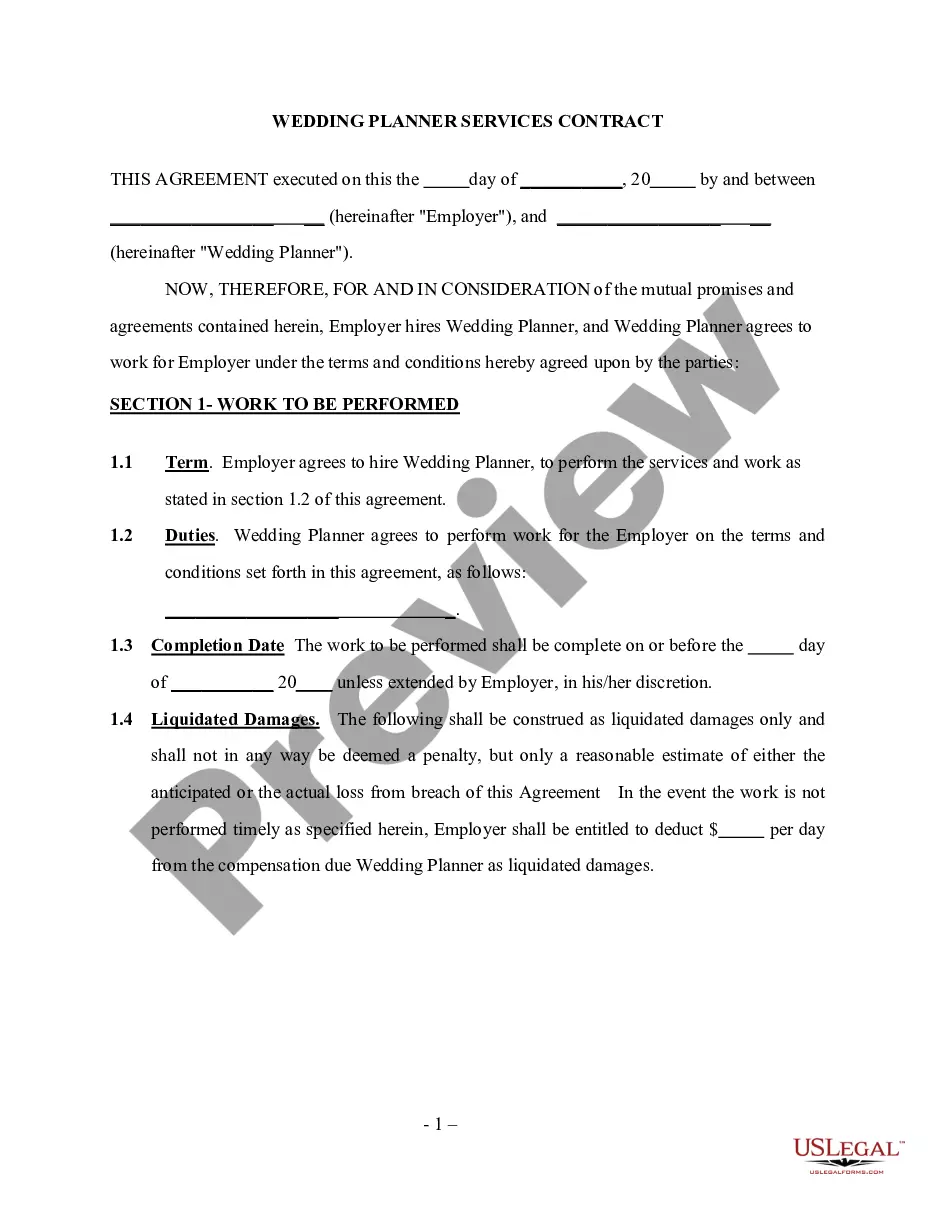
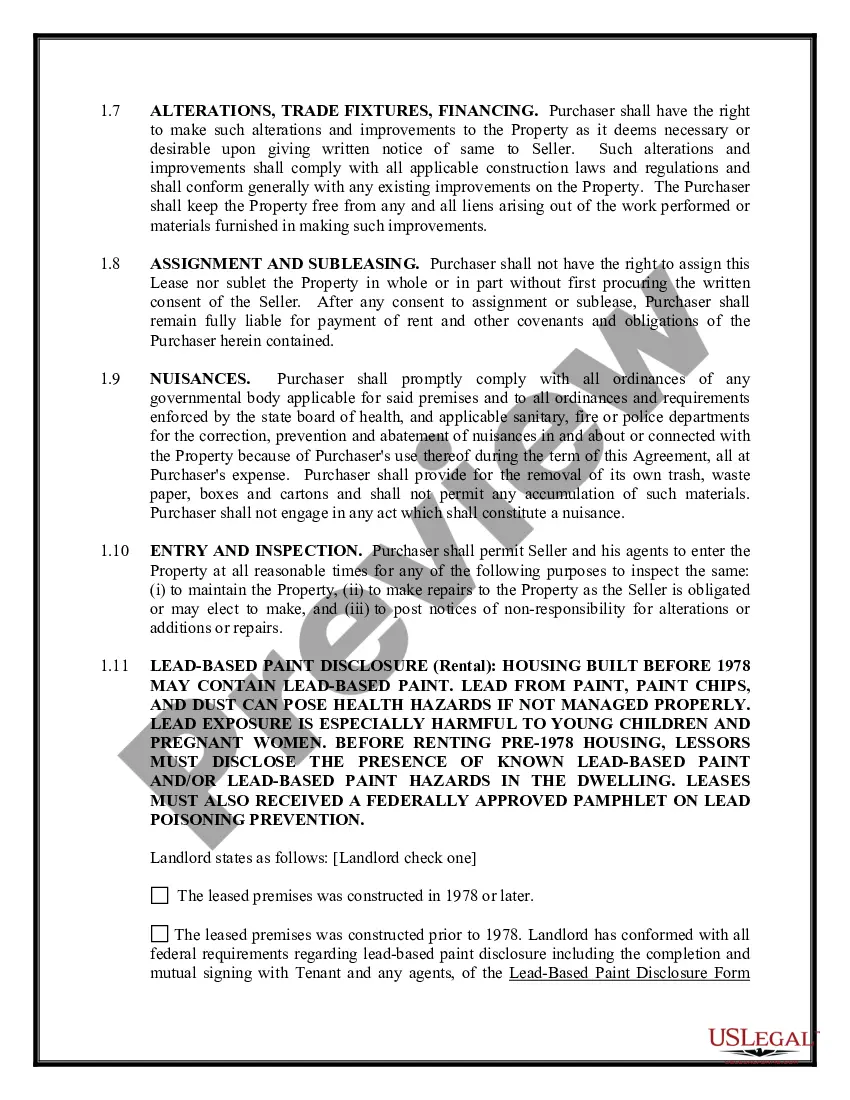
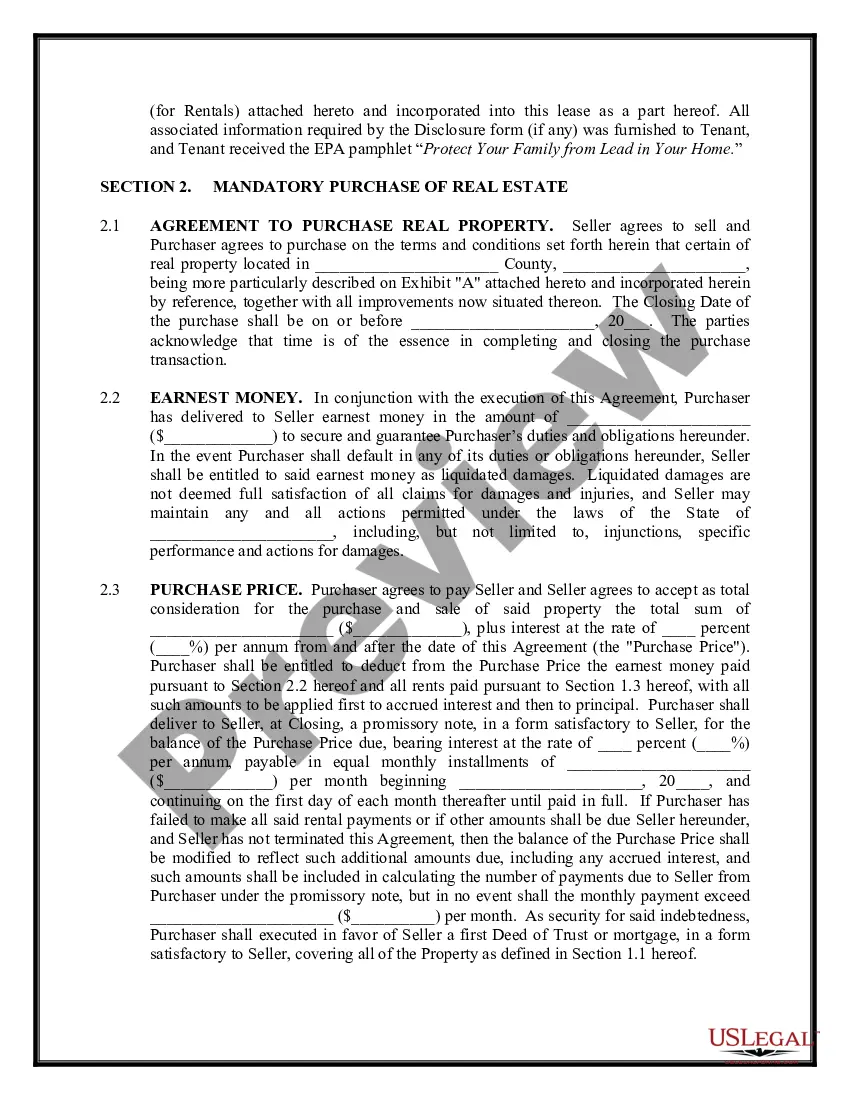
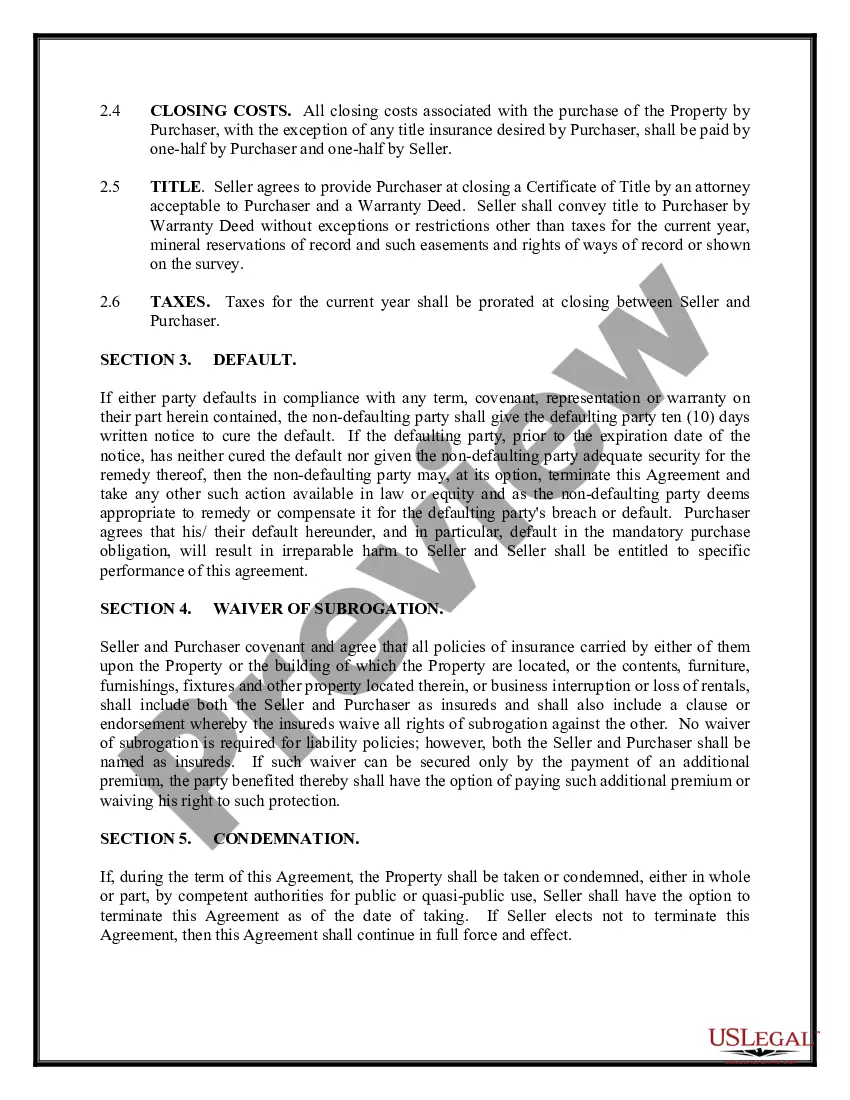
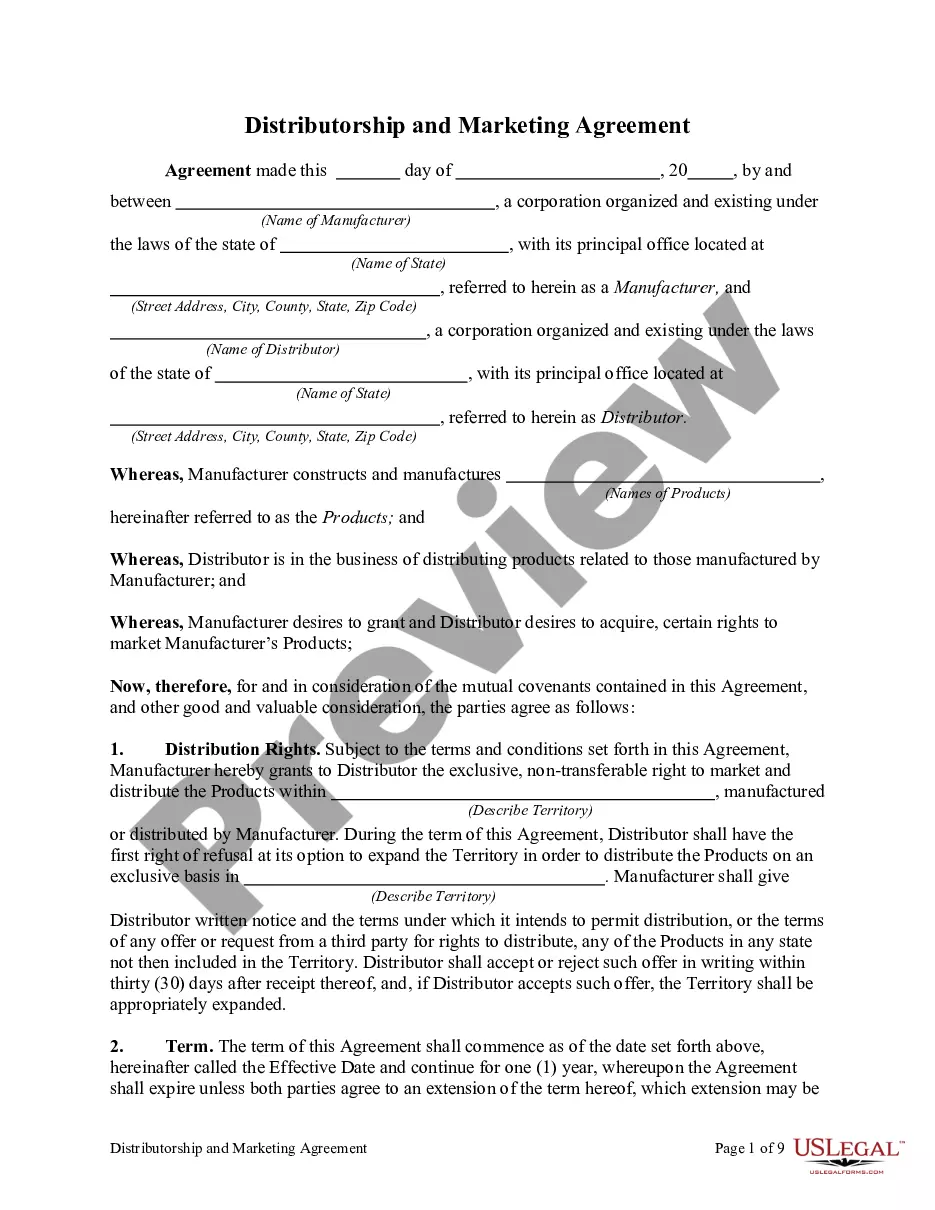
Arrendamiento Bienes Forma In Texas
Description

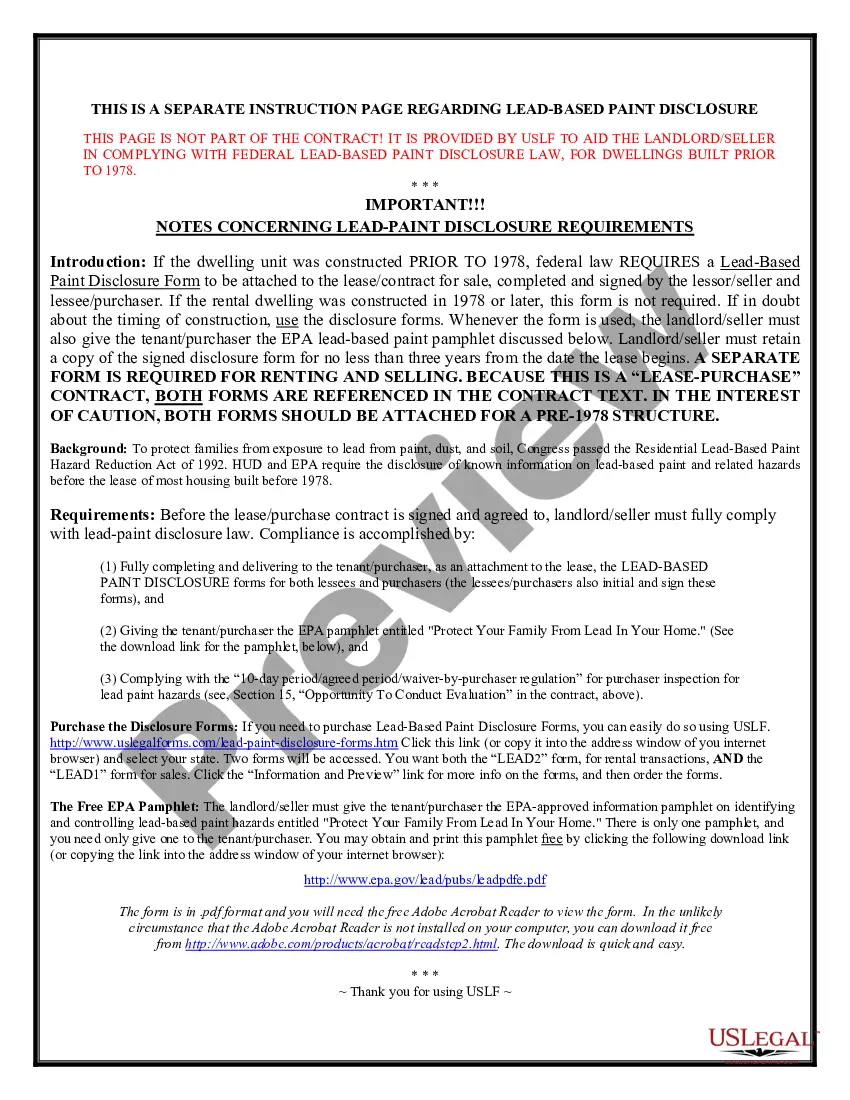
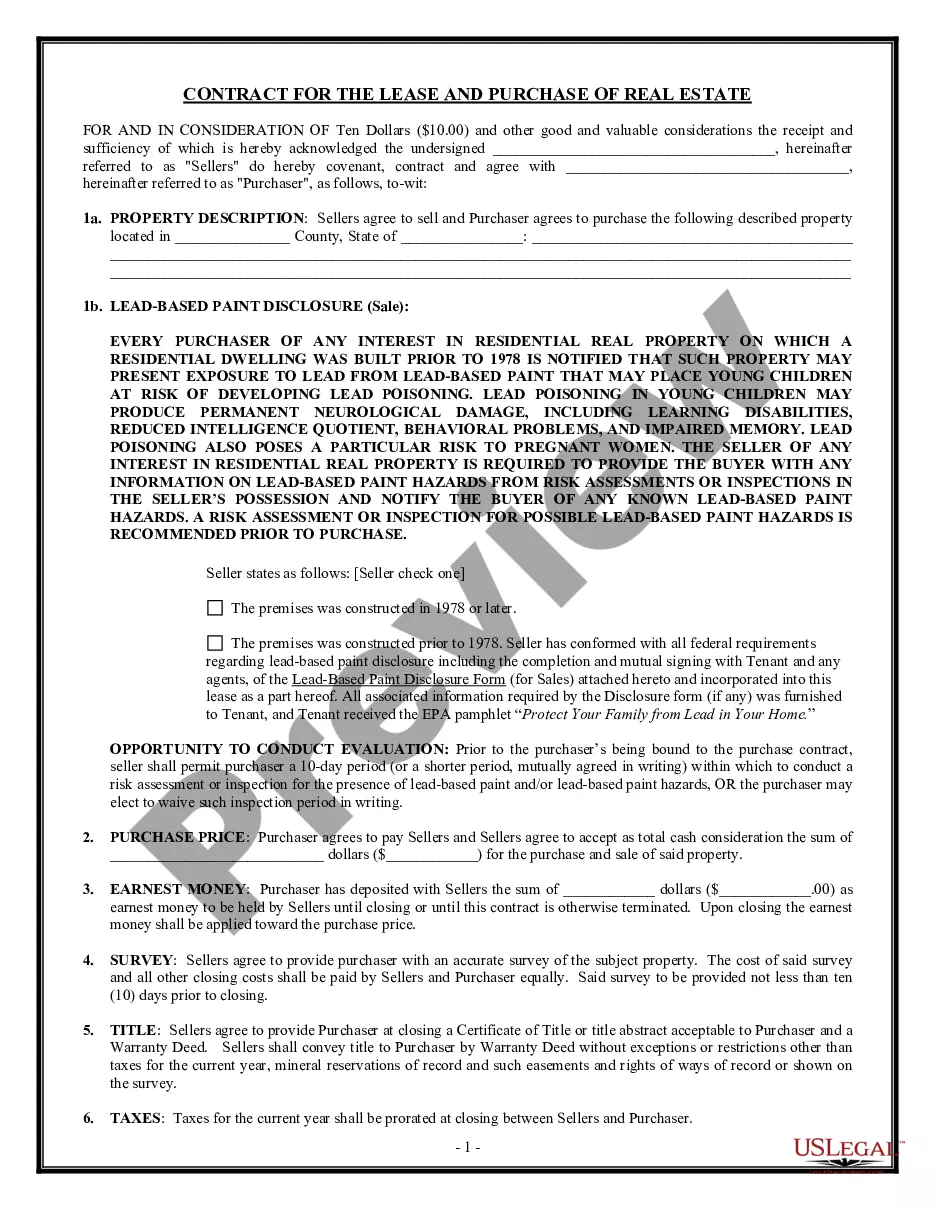
Get your form ready online
Our built-in tools help you complete, sign, share, and store your documents in one place.
Make edits, fill in missing information, and update formatting in US Legal Forms—just like you would in MS Word.
Download a copy, print it, send it by email, or mail it via USPS—whatever works best for your next step.
Sign and collect signatures with our SignNow integration. Send to multiple recipients, set reminders, and more. Go Premium to unlock E-Sign.
If this form requires notarization, complete it online through a secure video call—no need to meet a notary in person or wait for an appointment.
We protect your documents and personal data by following strict security and privacy standards.

Make edits, fill in missing information, and update formatting in US Legal Forms—just like you would in MS Word.

Download a copy, print it, send it by email, or mail it via USPS—whatever works best for your next step.

Sign and collect signatures with our SignNow integration. Send to multiple recipients, set reminders, and more. Go Premium to unlock E-Sign.

If this form requires notarization, complete it online through a secure video call—no need to meet a notary in person or wait for an appointment.

We protect your documents and personal data by following strict security and privacy standards.
Looking for another form?









Form popularity
FAQ
Arrendamiento es un acuerdo por el que el arrendador cede al arrendatario, a cambio de percibir una suma única de dinero, o una serie de pagos o cuotas, el derecho a utilizar un activo durante un periodo de tiempo determinado.
Arrendamiento: Es un acuerdo donde una persona (propietario) permite a otra (inquilino) usar una propiedad, como una casa o un coche, a cambio de un pago regular.
El artículo 1543 del Código Civil espaol define así el arrendamiento: "es aquel por virtud del cual una de las partes se obliga a dar a la otra el goce o uso de una cosa por tiempo determinado y precio cierto".
Lo cierto es que por regla general todos los bienes que puedan usarse sin consumirse, pueden ser arrendados, tanto los inmuebles como los antes mencionados, así como también los muebles, como por ejemplo, los vehículos, muebles del hogar, obras de arte, equipos de oficina, maquinaria, joyas, ropa, etcétera.
En primer lugar, el alquiler es un contrato a corto plazo entre terrateniente e inquilino, mientras que el arrendamiento es un contrato a largo plazo entre el arrendador y el arrendatario. Por consiguiente, las partes que entran en juegos en ambos tipos de contratos tienen una denominación diferente.
El contrato de arrendamiento de inmuebles es un documento importante en el mundo de los negocios inmobiliarios, ya que ayuda a prevenir muchos conflictos. Por ejemplo, el impago de las cuotas establecidas, el dao a la propiedad o que te hagan exigencias no contempladas en el acuerdo.
Todos los inquilinos en Texas tienen estos derechos y protecciones Derecho a informar problemas de salud y seguridad a la Ciudad. Derecho de grabar. Derecho de comparecer ante un juez antes de ser desalojado. Derecho de solicitar una acomodación razonable. Protecciones contra represalias.
In Texas, a motion for default judgment is a request made by a plaintiff when the defendant fails to respond to a civil complaint within the required time. If the defendant does not file a timely answer, the court may grant a default judgment in favor of the plaintiff.
In California, there are five elements of adverse possession that a claimant must prove: (1) possession under the claim of right or color of title, (2) actual, open, and notorious possession that gives reasonable notice to the true owner, (3) possession that is hostile to the true owner, (4) continuous possession for ...
Code § 16.026 (Ten-Year Statute): (a) A person must bring suit not later than 10 years after the day the cause of action accrues to recover real property held in peaceable and adverse possession by another who cultivates, uses, or enjoys the property.