Real Estate Clause In A Will In Queens
Description

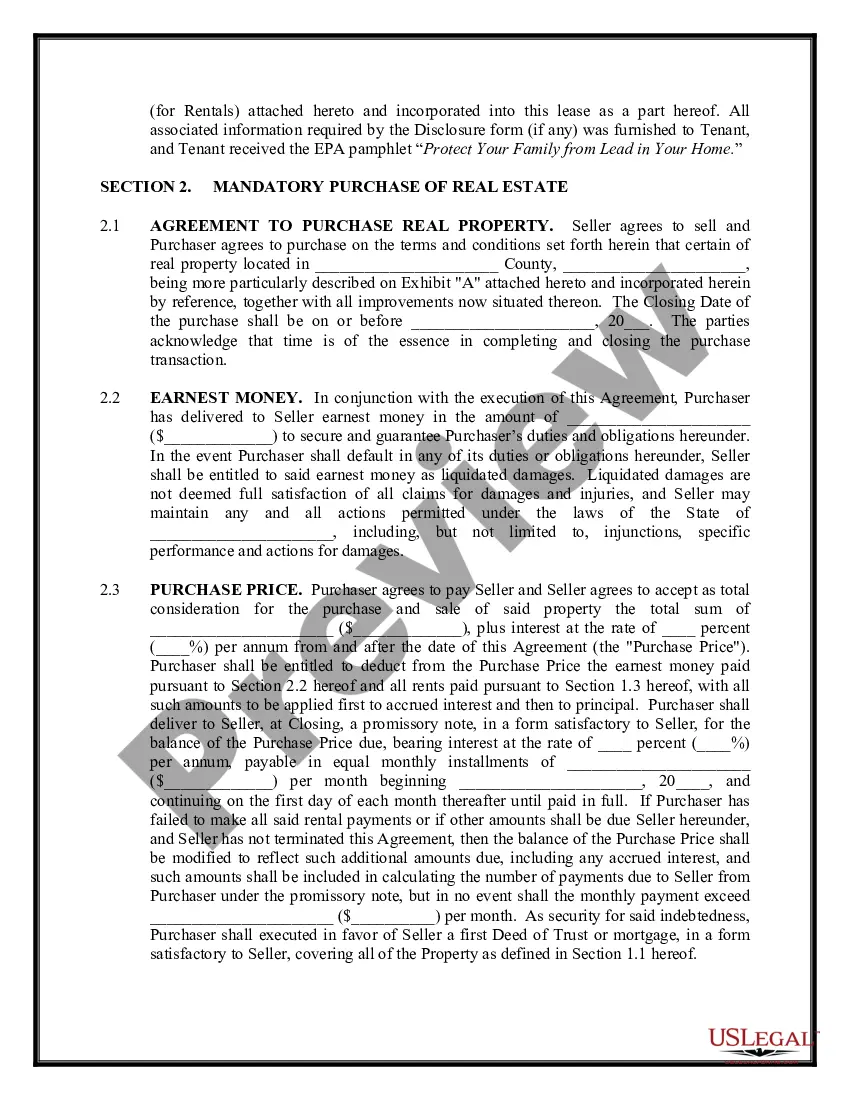
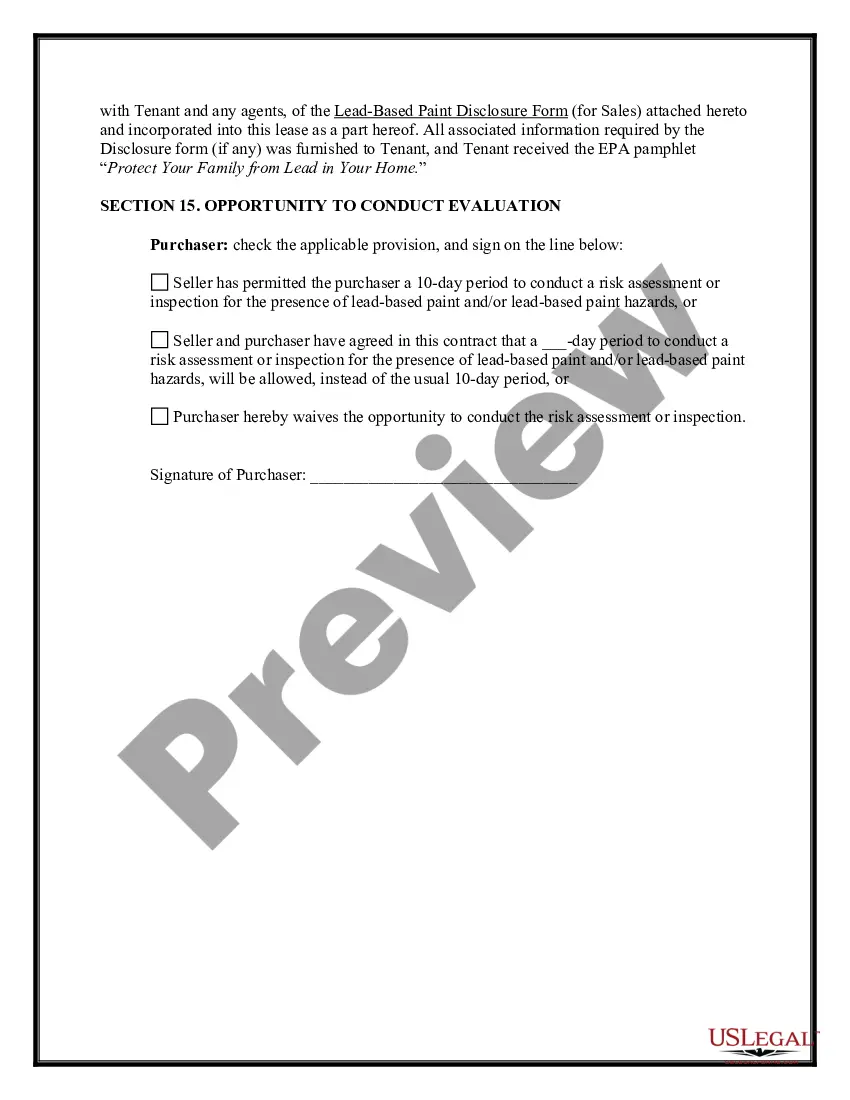
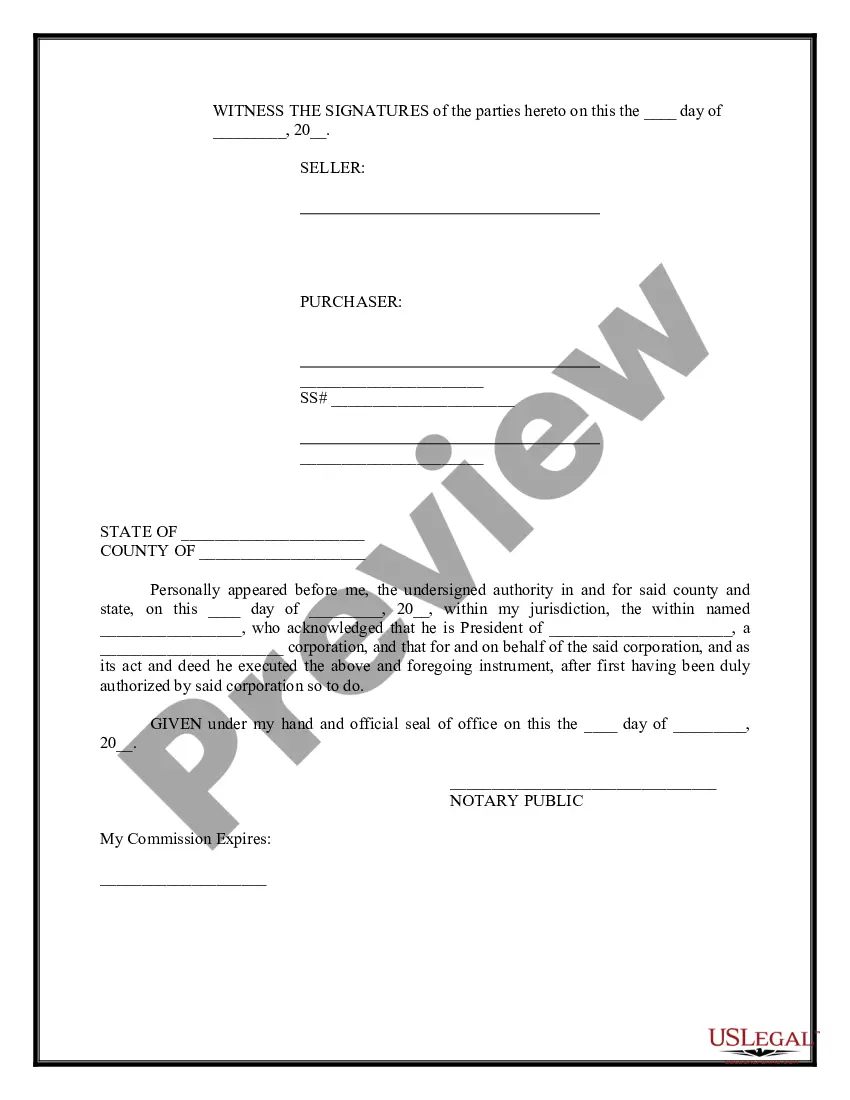
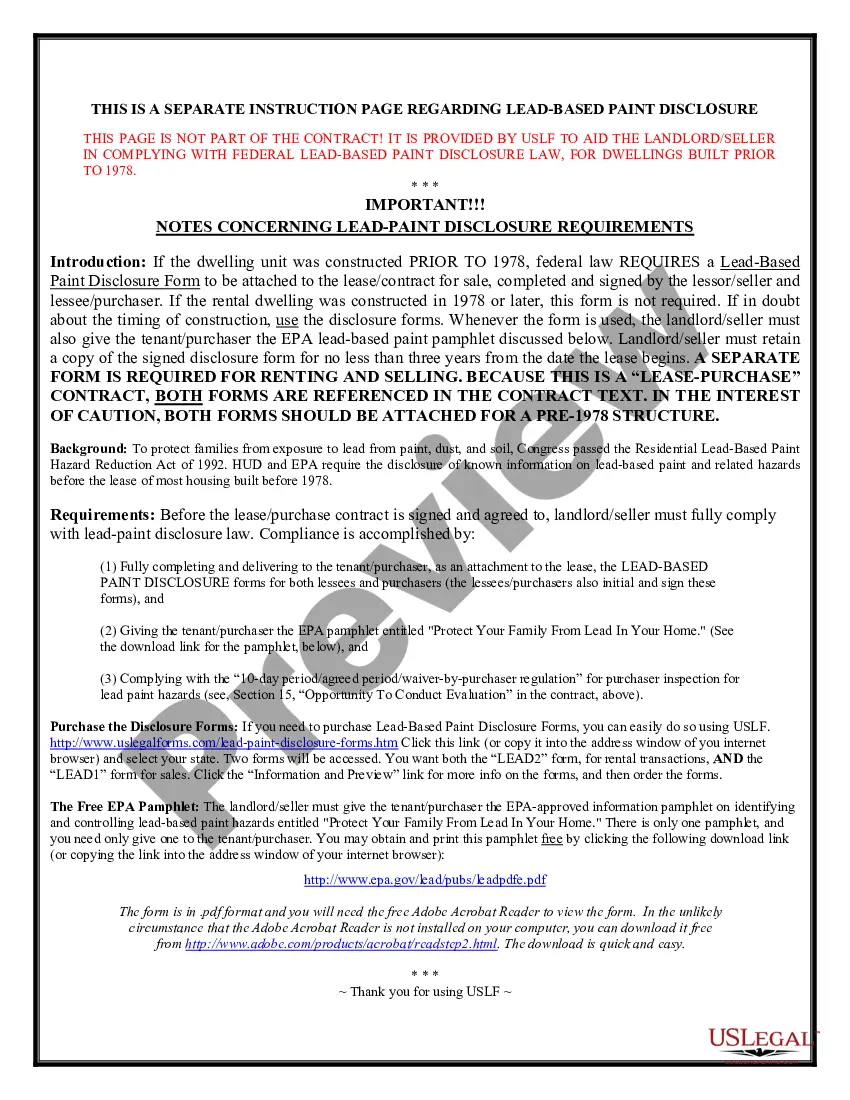
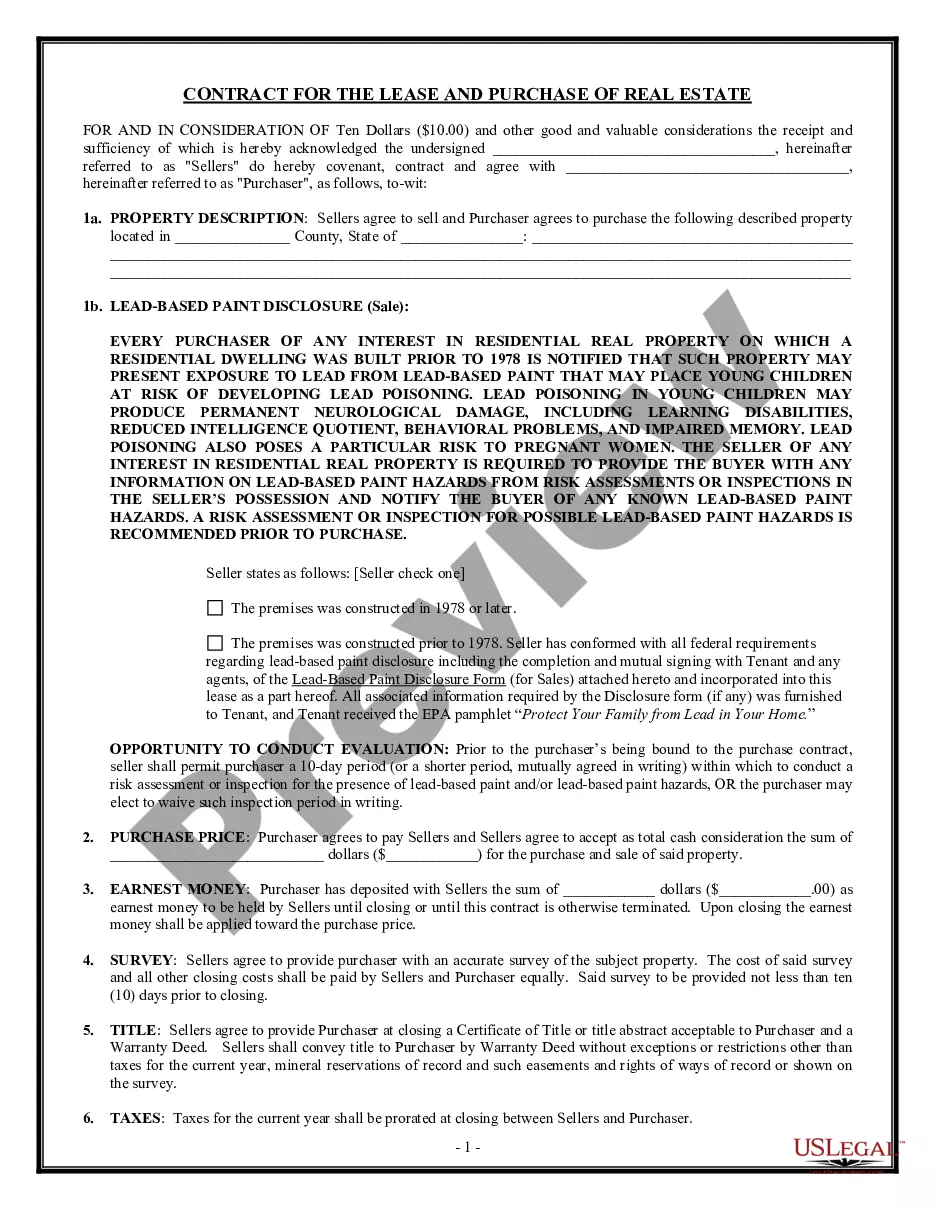
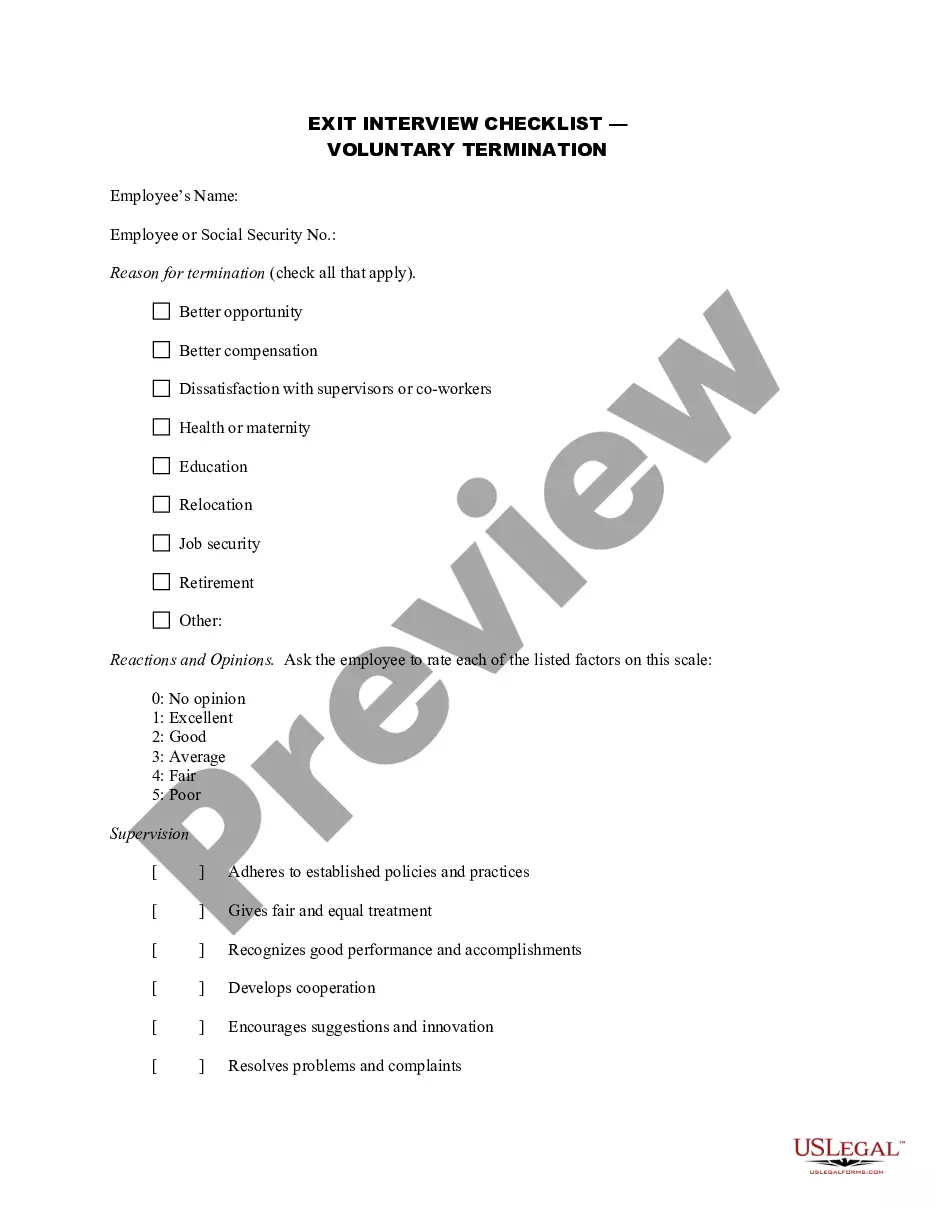
Get your form ready online
Our built-in tools help you complete, sign, share, and store your documents in one place.
Make edits, fill in missing information, and update formatting in US Legal Forms—just like you would in MS Word.
Download a copy, print it, send it by email, or mail it via USPS—whatever works best for your next step.
Sign and collect signatures with our SignNow integration. Send to multiple recipients, set reminders, and more. Go Premium to unlock E-Sign.
If this form requires notarization, complete it online through a secure video call—no need to meet a notary in person or wait for an appointment.
We protect your documents and personal data by following strict security and privacy standards.

Make edits, fill in missing information, and update formatting in US Legal Forms—just like you would in MS Word.

Download a copy, print it, send it by email, or mail it via USPS—whatever works best for your next step.

Sign and collect signatures with our SignNow integration. Send to multiple recipients, set reminders, and more. Go Premium to unlock E-Sign.

If this form requires notarization, complete it online through a secure video call—no need to meet a notary in person or wait for an appointment.

We protect your documents and personal data by following strict security and privacy standards.
Looking for another form?








Form popularity
FAQ
A contingent will is a will that takes effect only when a specific condition occurs.
The bequest clause directs who receives specific property or assets and how it will be distributed. The residuary clause indicates how any remaining property or assets that are not specifically bequeathed to individuals will be distributed.
Appointment of Executor Clause. An appointment of executor clause names the executor, a key part of your will. Digital Assets Clause. In today's digital age, it's important to consider your digital assets when creating your will. Debt Clause & Tax-Appointment Clause. No-Contest Clause. Attestation Clause. Trust Provisions.
Top five mistakes when writing a Will Failing to have the Will witnessed correctly. All Wills need to be signed in the presence of two independent witnesses, who in turn must sign the document. Creating a DIY Will. Forgetting key assets. Not updating the Will after your circumstances change. Not writing one at all.
How Long to Settle an Estate in New York? The short answer: from 7 months to 3 years. Typically 9 months. Estate settlement (also known as estate administration) is the phase during which you, as the court-appointed executor, must collect the estate assets, organize and pays debts, and file all final taxes.
Before the written instructions in your will can be carried out, your last will and testament will have to be filed with the local probate court. Once your will and related documents are filed, they become public court records—meaning anyone can go down to the local probate court and ask to see them.
Most state laws require that all wills be filed. They do not, however, require an executor to file a petition for probate or prove the validity of the last will and testament. Property could remain in the decedent's estate indefinitely if no one probates the will.
In New York, only estates valued higher than $50,000 need to pass through formal, full probate.
If the Decedent died without a Will, then an administration proceeding should be filed. If the Decedent had less than $50,000 of personal property with a Will or without a Will, then a small estate, also called a Voluntary Administration proceeding, can be filed instead.
You'll have to file a request in the county where the deceased person lived at the time of their death. The paperwork will ask for you to be officially acknowledged as the legal executor representing the estate. In addition to the petition, you'll need to file a valid will, if one exists, and the death certificate.