Contract For Burial Plot
Description
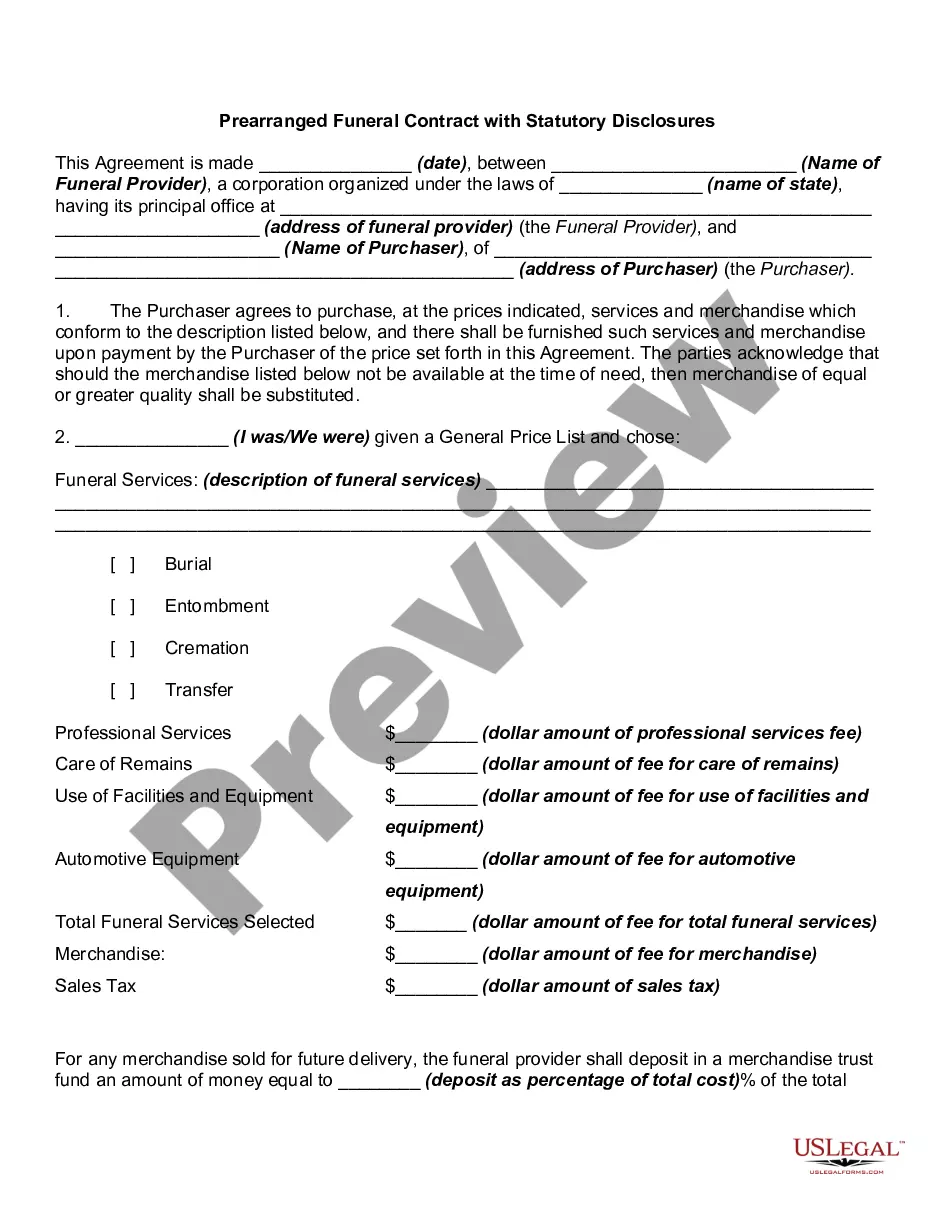
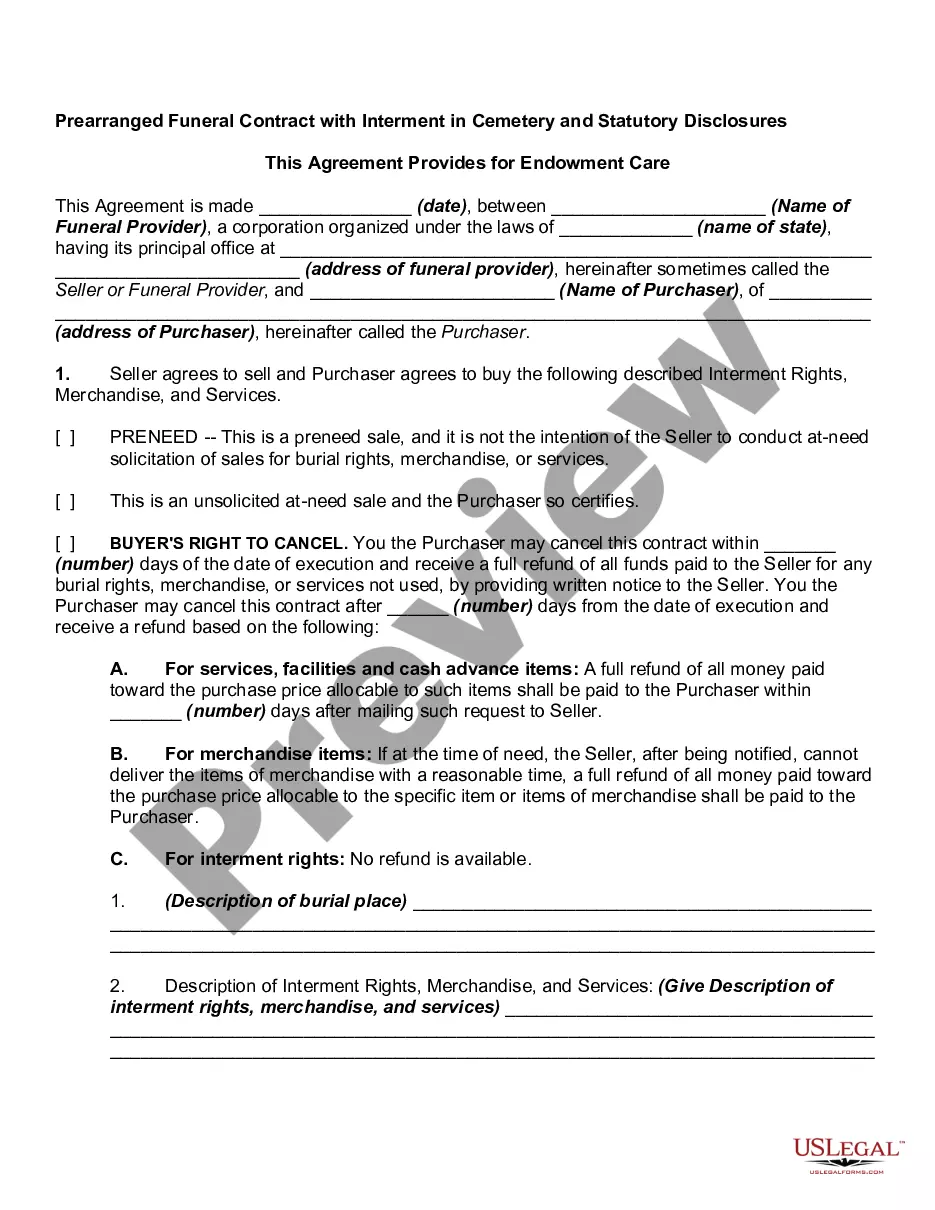
Get your form ready online
Our built-in tools help you complete, sign, share, and store your documents in one place.
Make edits, fill in missing information, and update formatting in US Legal Forms—just like you would in MS Word.
Download a copy, print it, send it by email, or mail it via USPS—whatever works best for your next step.
Sign and collect signatures with our SignNow integration. Send to multiple recipients, set reminders, and more. Go Premium to unlock E-Sign.
If this form requires notarization, complete it online through a secure video call—no need to meet a notary in person or wait for an appointment.
We protect your documents and personal data by following strict security and privacy standards.

Make edits, fill in missing information, and update formatting in US Legal Forms—just like you would in MS Word.

Download a copy, print it, send it by email, or mail it via USPS—whatever works best for your next step.

Sign and collect signatures with our SignNow integration. Send to multiple recipients, set reminders, and more. Go Premium to unlock E-Sign.

If this form requires notarization, complete it online through a secure video call—no need to meet a notary in person or wait for an appointment.

We protect your documents and personal data by following strict security and privacy standards.
Looking for another form?
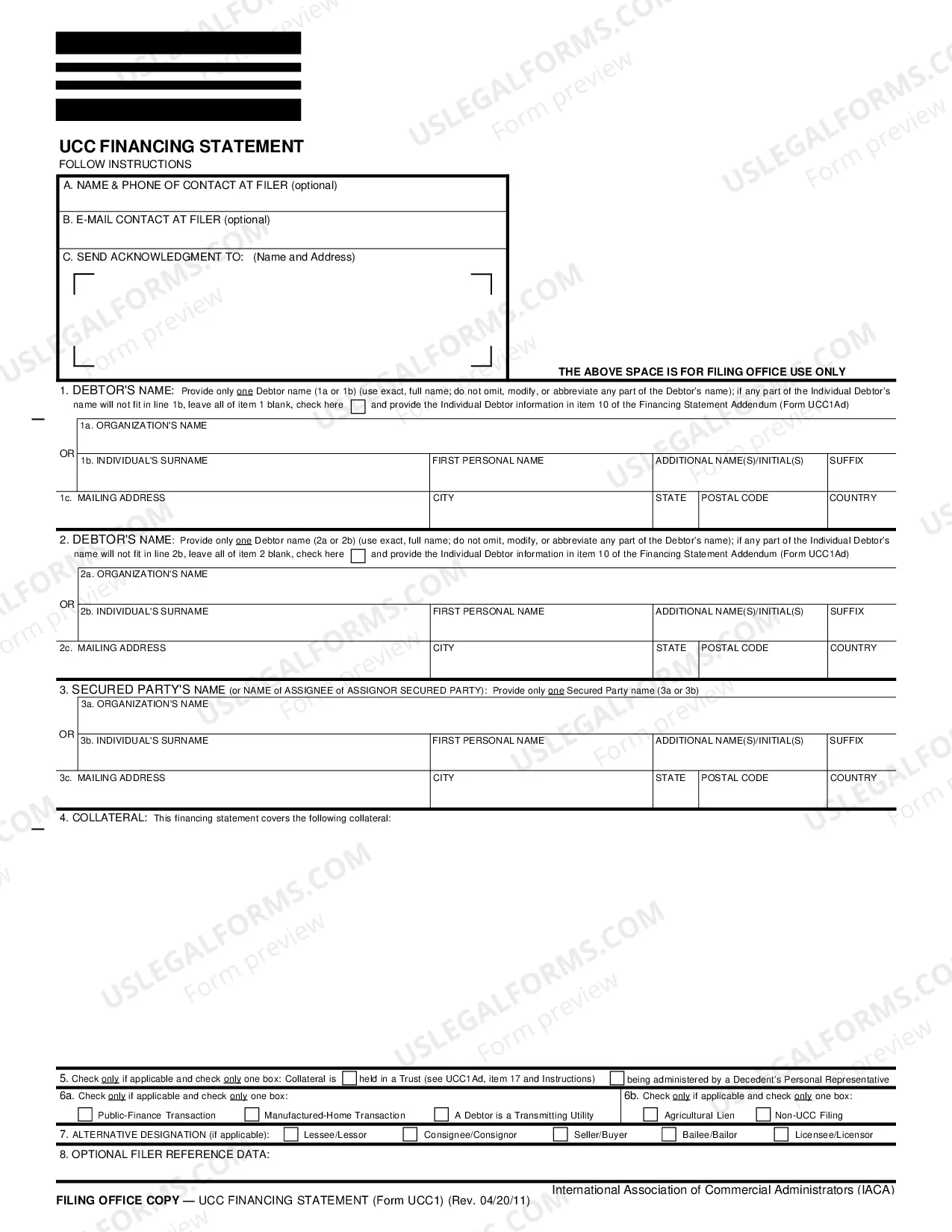
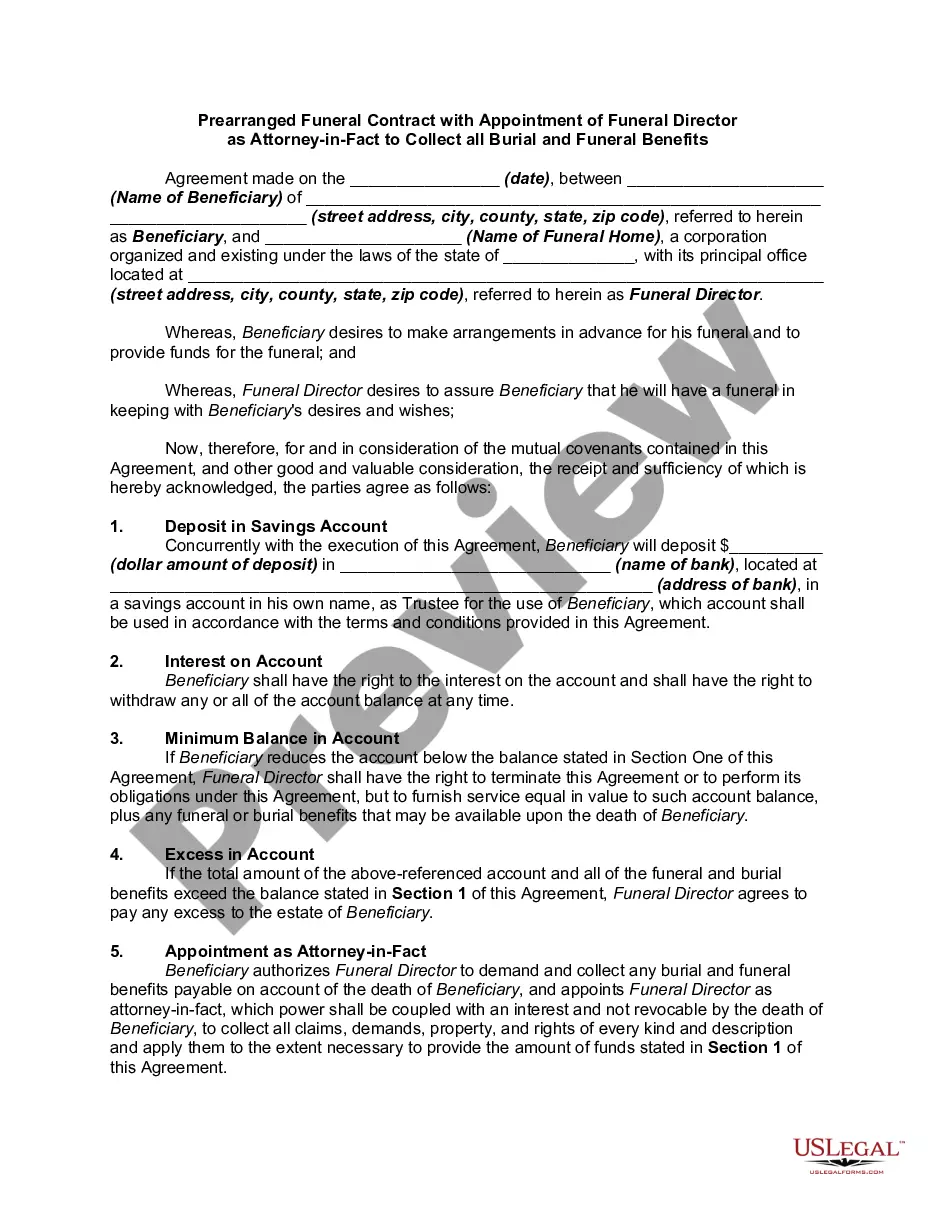
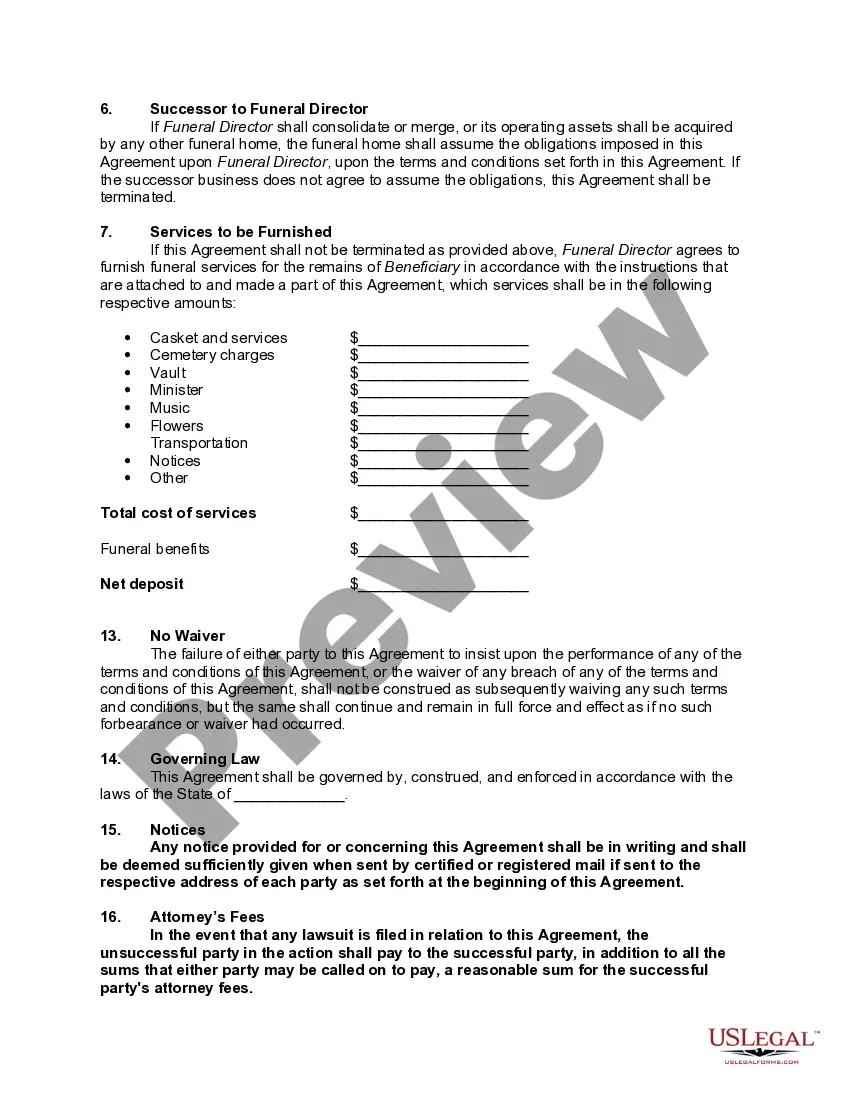
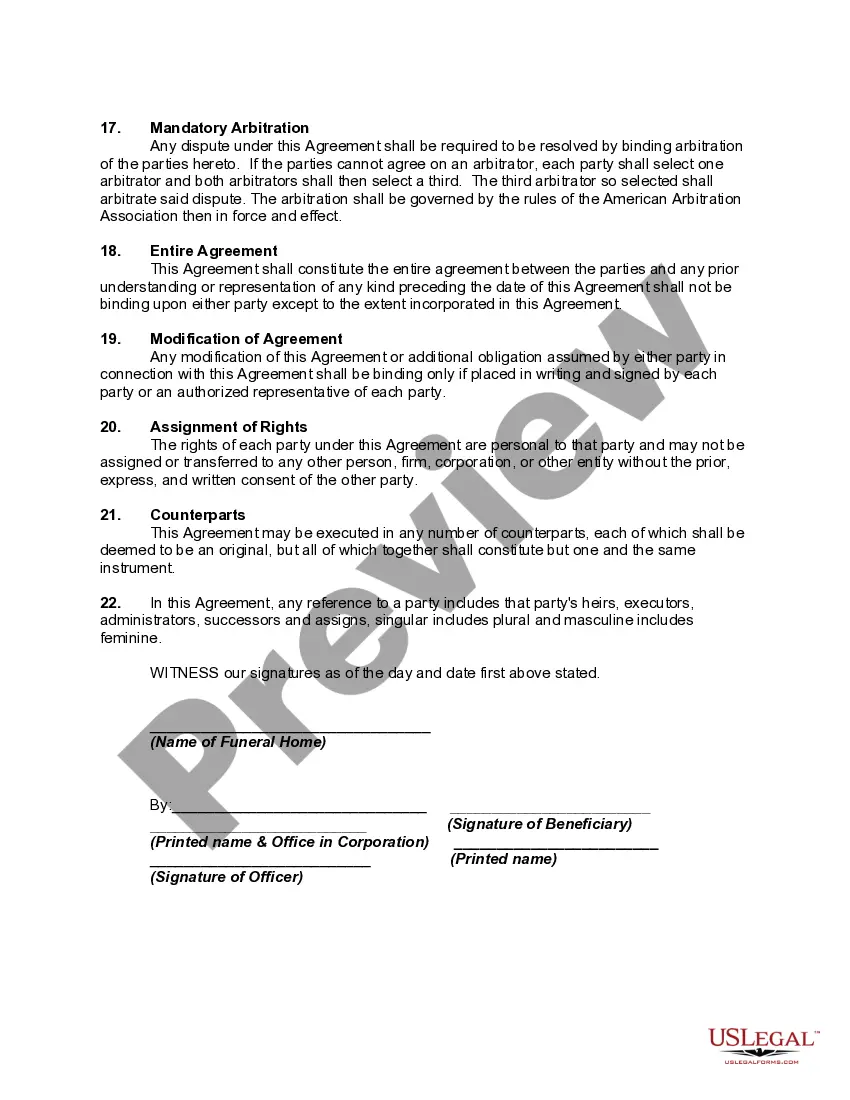
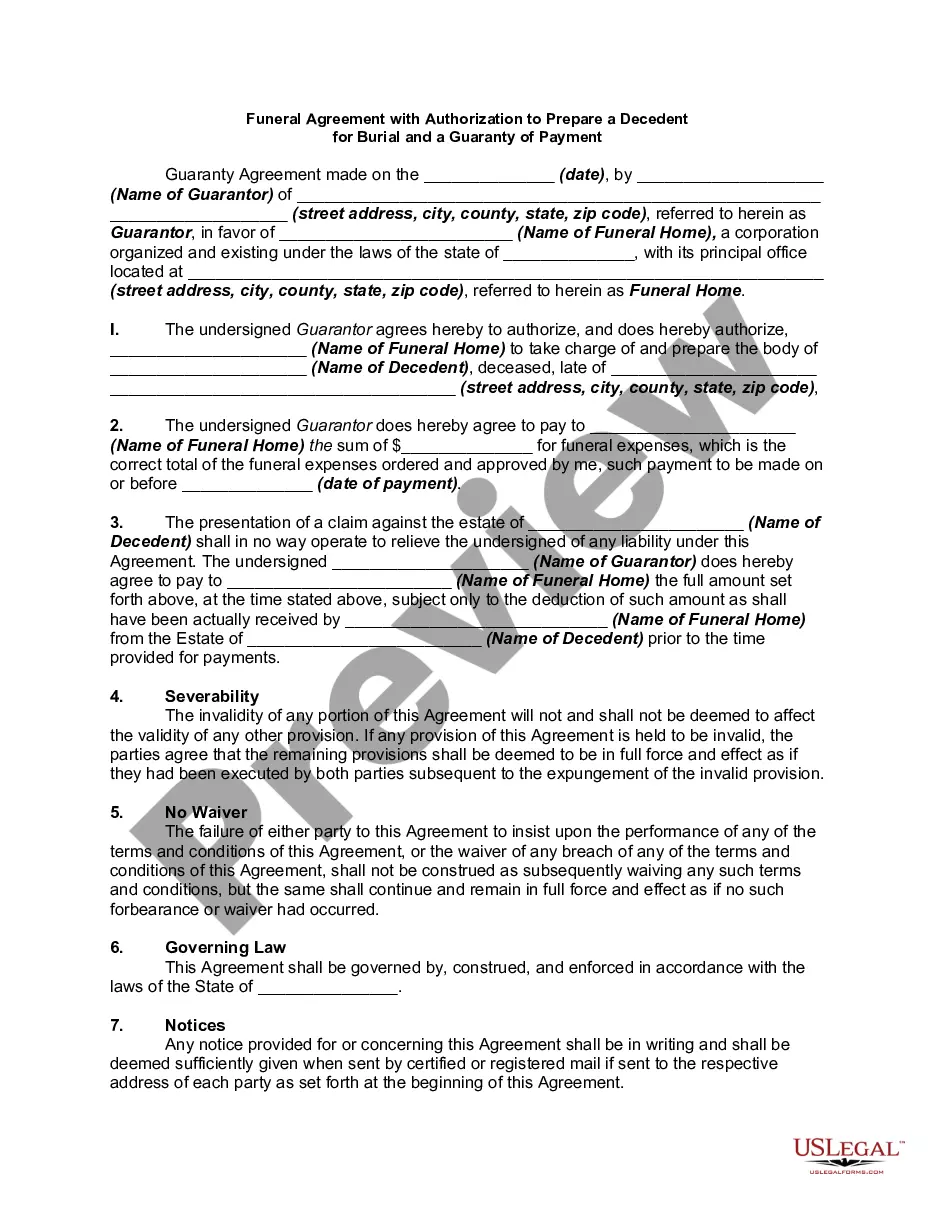
How to fill out Prearranged Funeral Contract With Appointment Of Funeral Director As Attorney-in-Fact To Collect All Burial And Funeral Benefits?
When you have to finalize an Agreement For Burial Site that adheres to your local state's regulations and statutes, there can be various choices to select from.
There's no necessity to verify every document to ensure it meets all the legal requirements if you are a US Legal Forms member.
It is a trustworthy source that can assist you in obtaining a reusable and current template on any topic.
Acquiring correctly drafted official documentation becomes effortless with the US Legal Forms. Additionally, Premium users can also take advantage of the robust built-in tools for online PDF editing and signing. Give it a try today!
- US Legal Forms is the largest online repository with a collection of over 85k ready-to-use documents for business and personal legal matters.
- All templates are confirmed to meet each state's regulations and statutes.
- Therefore, when you download Agreement For Burial Site from our platform, you can trust that you have a legitimate and up-to-date document.
- Obtaining the necessary template from our platform is very straightforward.
- If you already possess an account, simply Log In to the system, verify your subscription to be active, and save the selected file.
- In the future, you can access the My documents section in your profile and retrieve the Agreement For Burial Site at any time.
- If this is your first experience with our library, please follow the instructions below.
- Navigate through the suggested page and verify it for alignment with your needs.
Form popularity
FAQ
If the deceased owner did not specifically devise (gift) the family plot in his or her will to someone and did not transfer the family plot to the cemetery in order to make the family plot inalienable, the deceased owner's heirs (often a surviving spouse and/or surviving children) inherit the plot.
The person named on a Deed as owner of Exclusive Right of Burial in a grave also has the right to have a memorial erected on that grave. Responsibility for any memorial erected on a grave lies with the person named on the Deed pertaining to it.
What happens when the lease expires, on a new grave for 50 or 75 years? When you buy a grave you purchase the rights of burial in that grave for a set period of time. If the lease is not renewed, the burial rights will run out. No further internments may then be allowed in the grave.
The Registered Owner of the Deed of Exclusive Right of Burial has the automatic right to be buried in the grave; they may also allow others to be buried in the grave (space permitting). They do not, however, own the land itself. The ownership of the cemetery land remains with the Council.
The leases on a burial plot range between 25 to 100 years When it expires, you'll lose the 'exclusive right to burial'. After this, you (or your family) will be given the right to renew. If the lease is not renewed, the plot can be resold.