Forfeiture Clause Real Estate In Queens
Description

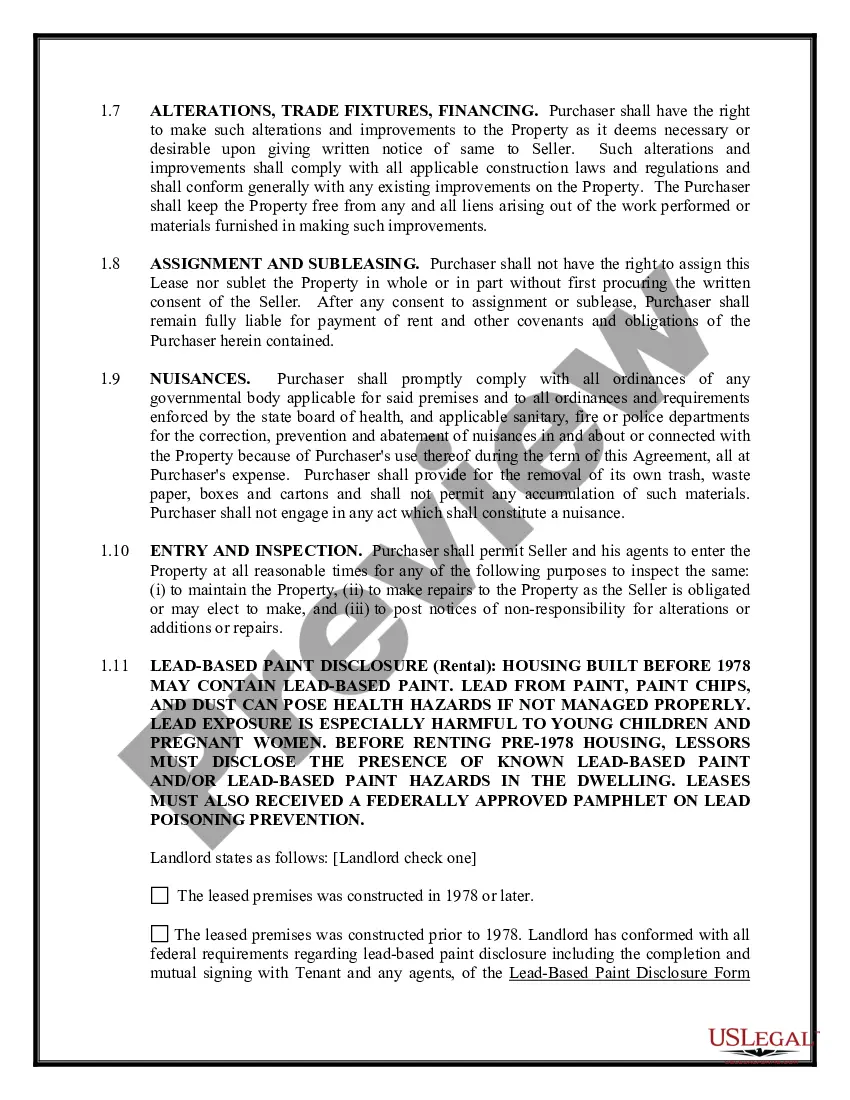
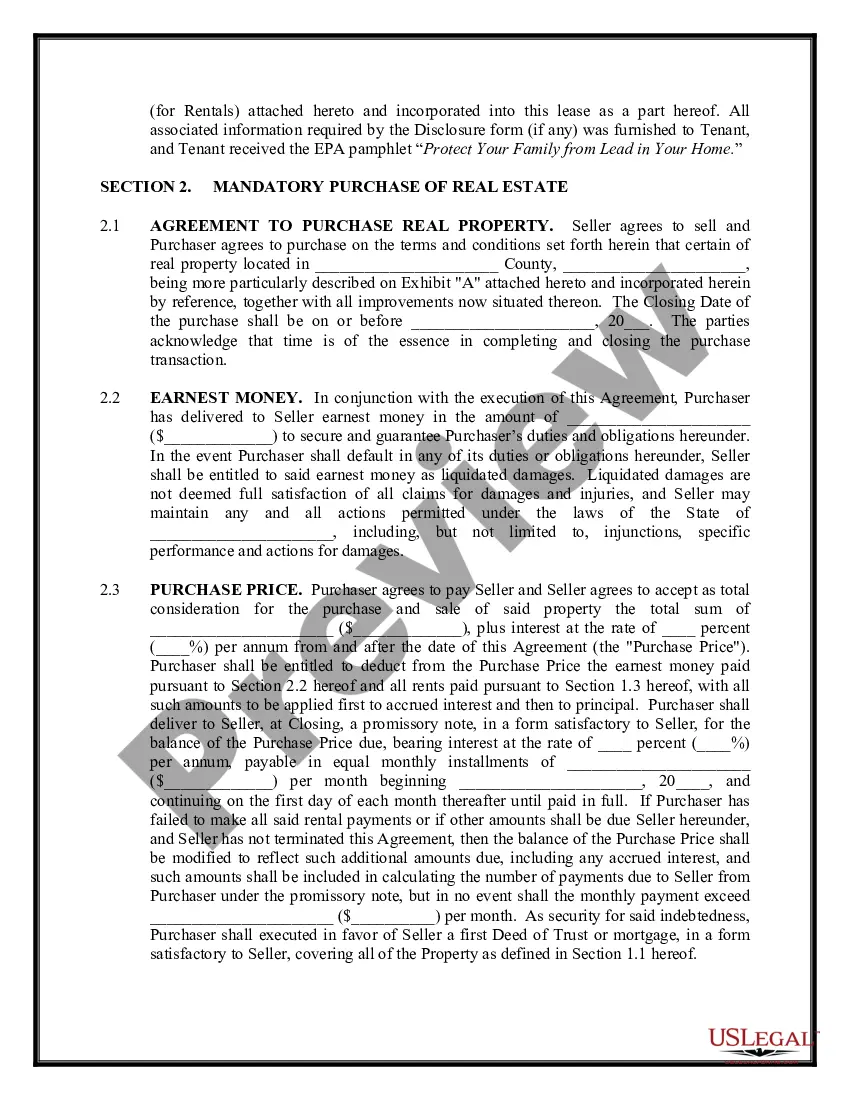
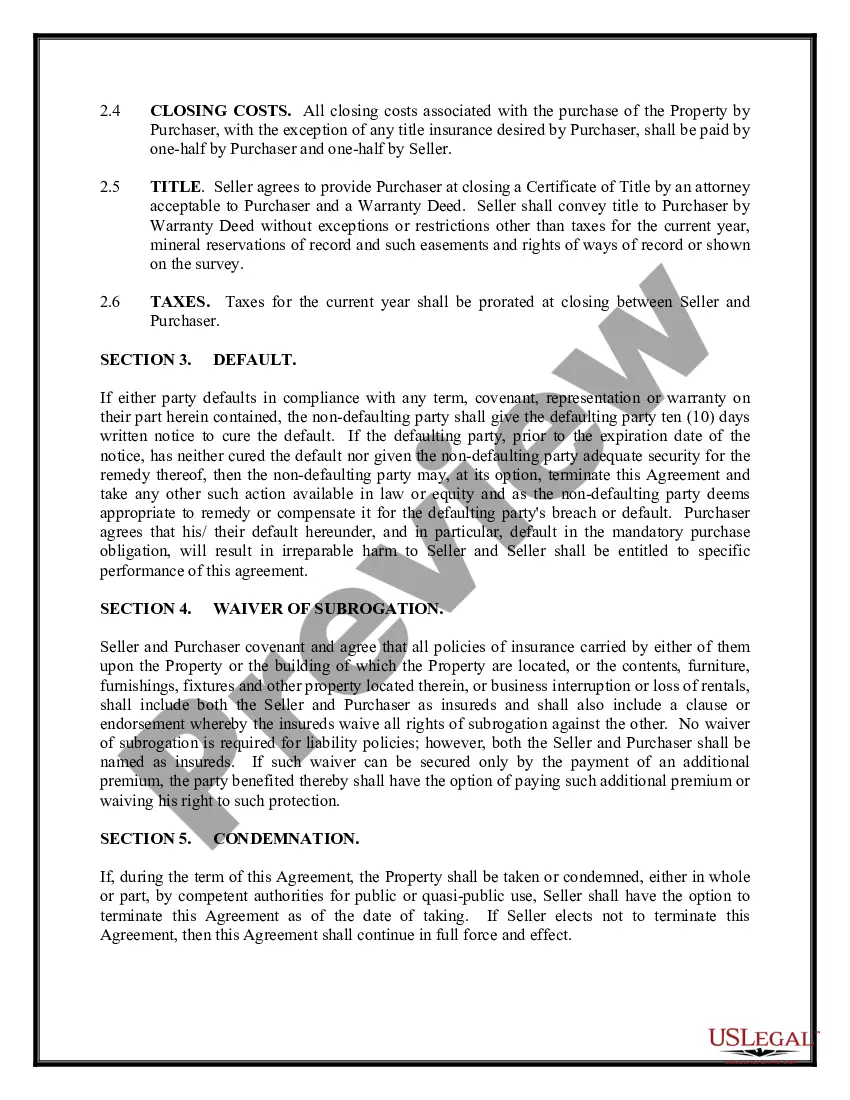
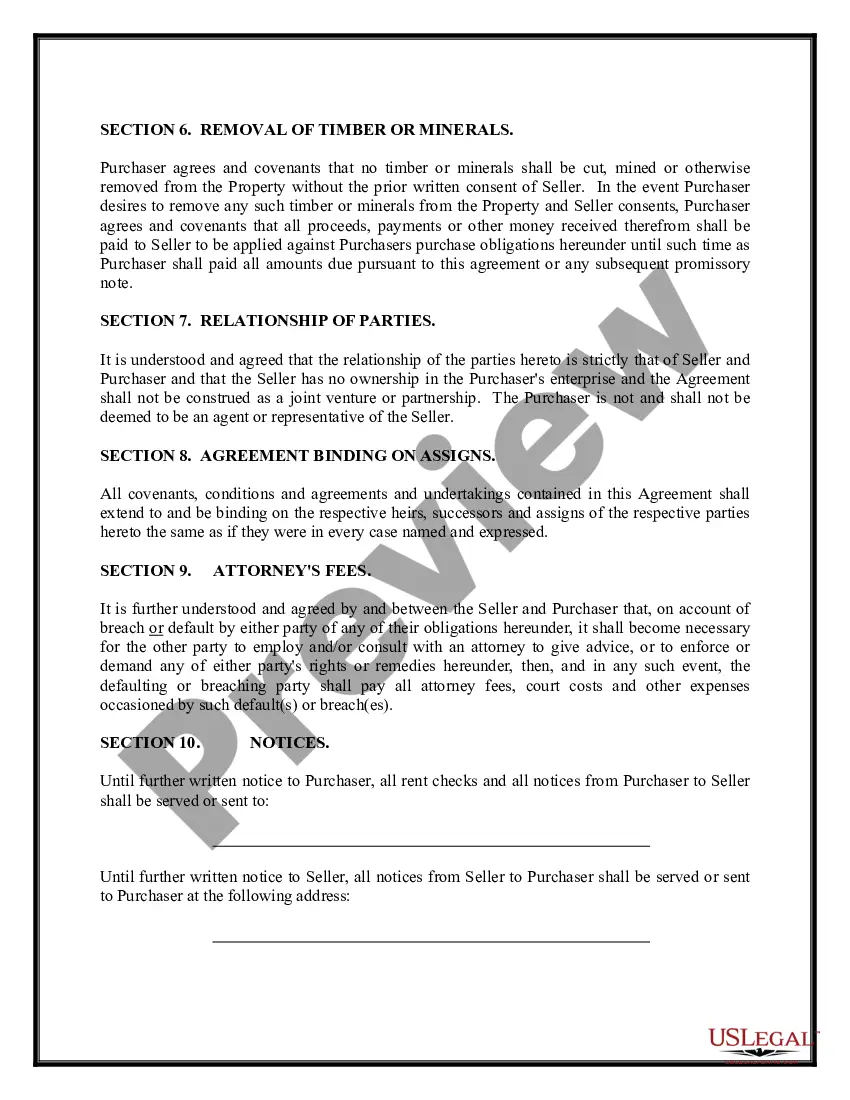
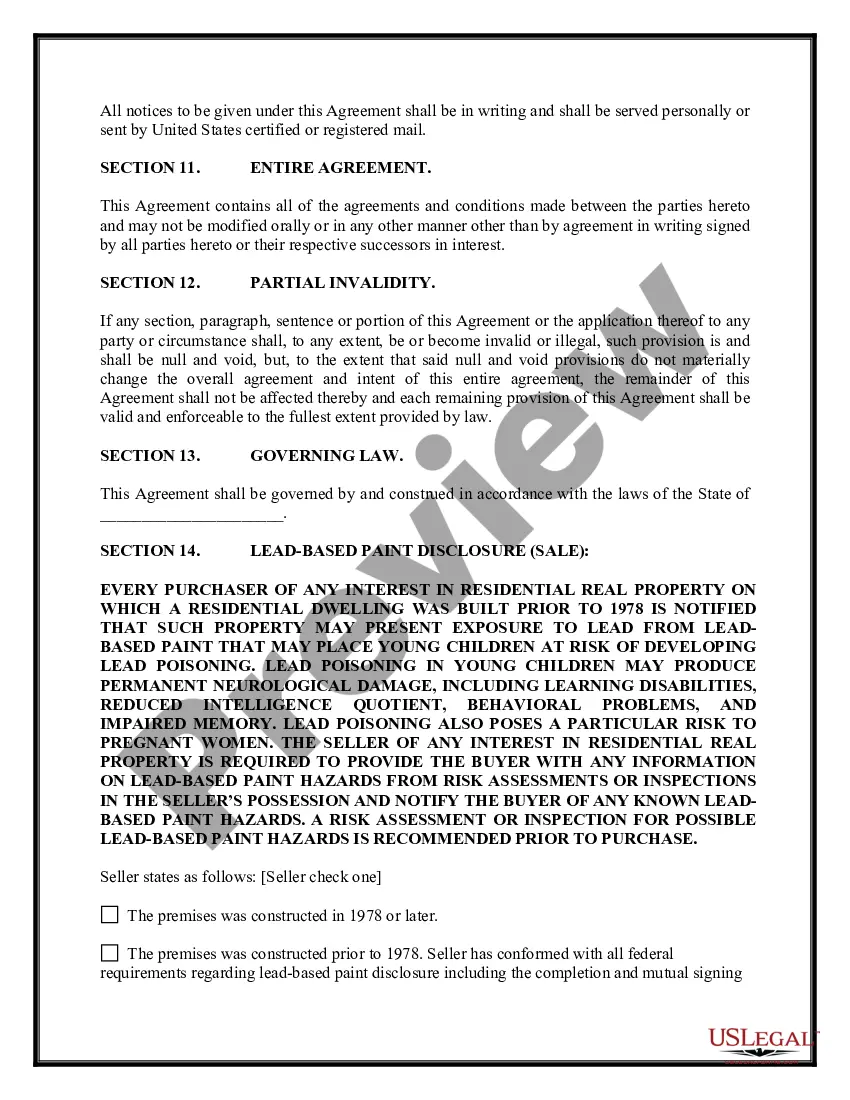
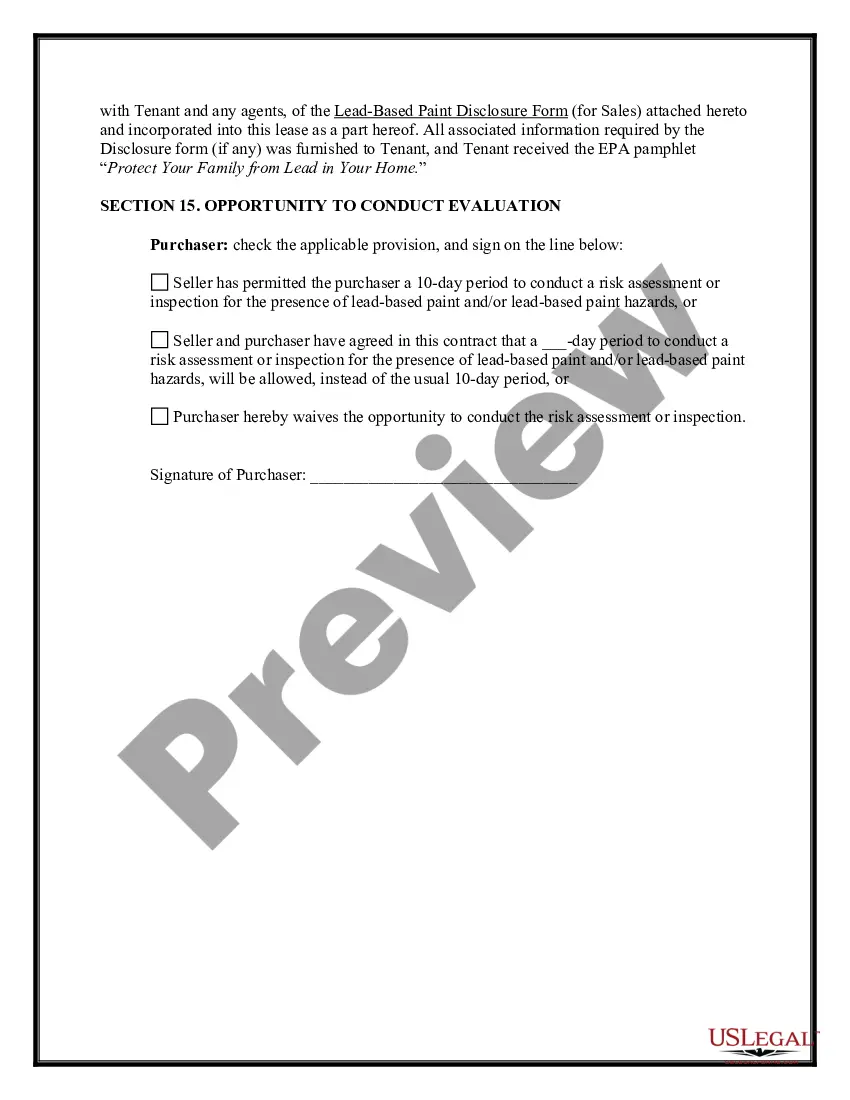
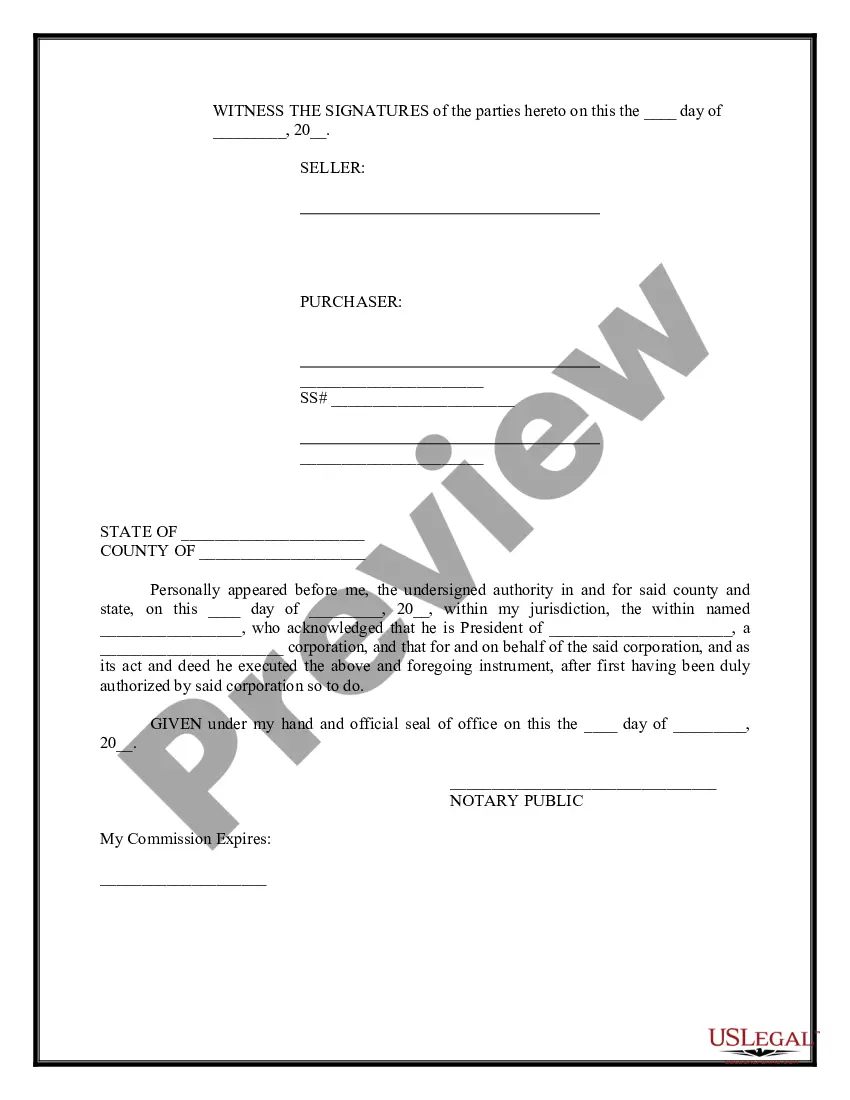
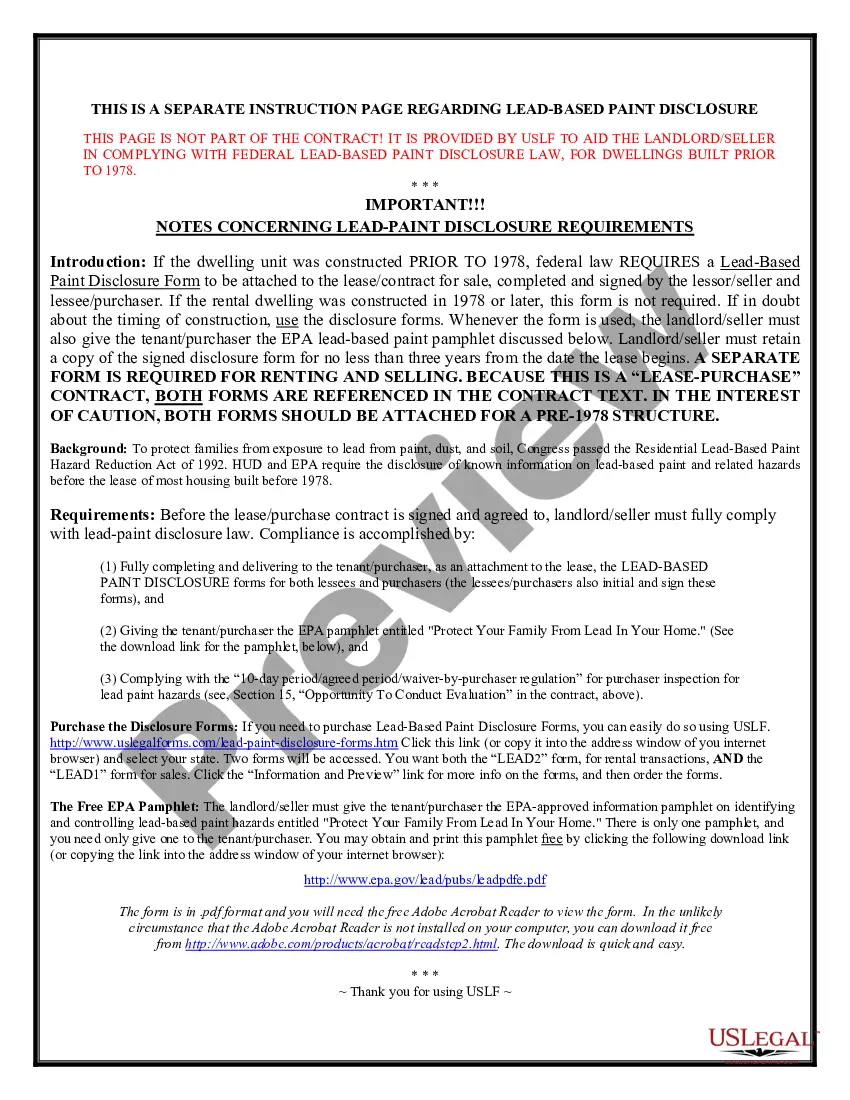
Get your form ready online
Our built-in tools help you complete, sign, share, and store your documents in one place.
Make edits, fill in missing information, and update formatting in US Legal Forms—just like you would in MS Word.
Download a copy, print it, send it by email, or mail it via USPS—whatever works best for your next step.
Sign and collect signatures with our SignNow integration. Send to multiple recipients, set reminders, and more. Go Premium to unlock E-Sign.
If this form requires notarization, complete it online through a secure video call—no need to meet a notary in person or wait for an appointment.
We protect your documents and personal data by following strict security and privacy standards.

Make edits, fill in missing information, and update formatting in US Legal Forms—just like you would in MS Word.

Download a copy, print it, send it by email, or mail it via USPS—whatever works best for your next step.

Sign and collect signatures with our SignNow integration. Send to multiple recipients, set reminders, and more. Go Premium to unlock E-Sign.

If this form requires notarization, complete it online through a secure video call—no need to meet a notary in person or wait for an appointment.

We protect your documents and personal data by following strict security and privacy standards.
Looking for another form?





Form popularity
FAQ
Under New York State law, District Attorneys can forfeit “proceeds” of crime and “instrumentalities” of crime. However, in New York, state prosecutors cannot forfeit real property, except in certain drug cases. That means that they are relatively powerless to go after your home.
Forfeiture means the lease can be terminated and the property revert to the freeholder. This could arise if the leaseholder breaches the terms of the lease. An example could be a failure by a leaseholder to maintain their flat.
This clause will ordinarily give the landlord the right to forfeit once the tenant has been in breach for a period of time – typically 14 or 21 days.
These examples illustrate how a forfeiture clause can be used to protect one party's interests in a contract. However, it is important to note that forfeiture clauses may not always be enforceable, and they should be carefully reviewed before agreeing to them.
There are three types of forfeiture under federal law: criminal forfeiture, civil judicial forfeiture, and administrative forfeiture.
The forfeiture rule, that no one who unlawfully kills another can share in the victim's estate or receive any other financial gain from the death, appears appropriate and immutable.
Under New York State law, District Attorneys can forfeit “proceeds” of crime and “instrumentalities” of crime. However, in New York, state prosecutors cannot forfeit real property, except in certain drug cases. That means that they are relatively powerless to go after your home.
IRC Section 411(a)(6)(C) allows defined contribution (DC) plans and fully insured DB plans to forfeit the nonvested portion of the participant's accrued benefit after 5 consecutive 1-year breaks-in-service.