Arrendamiento Bienes Forma In Queens
Description

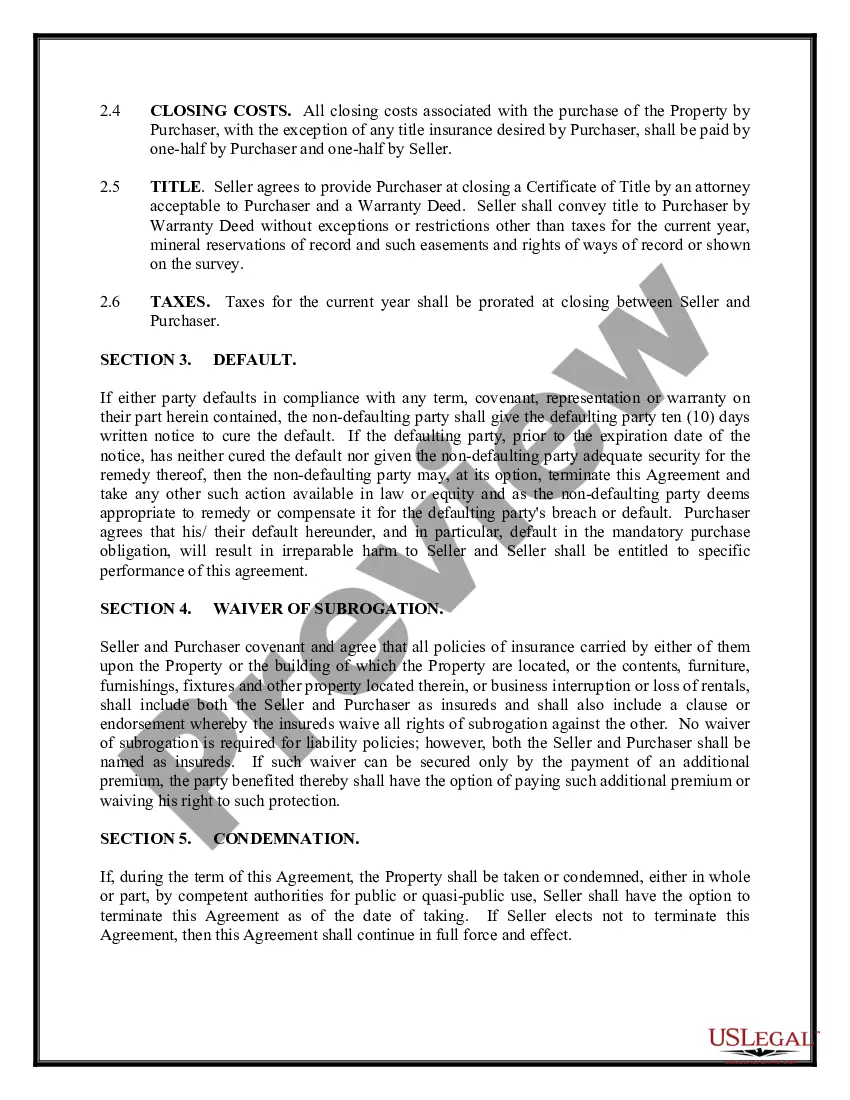
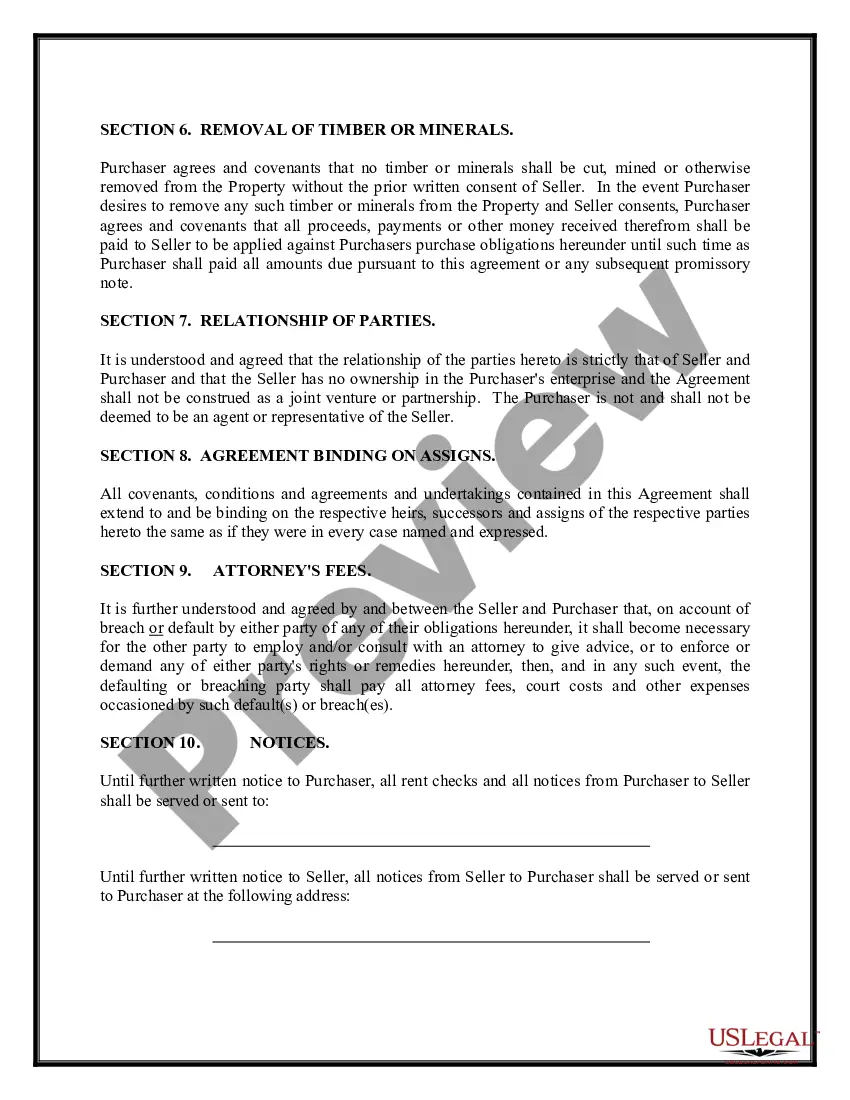
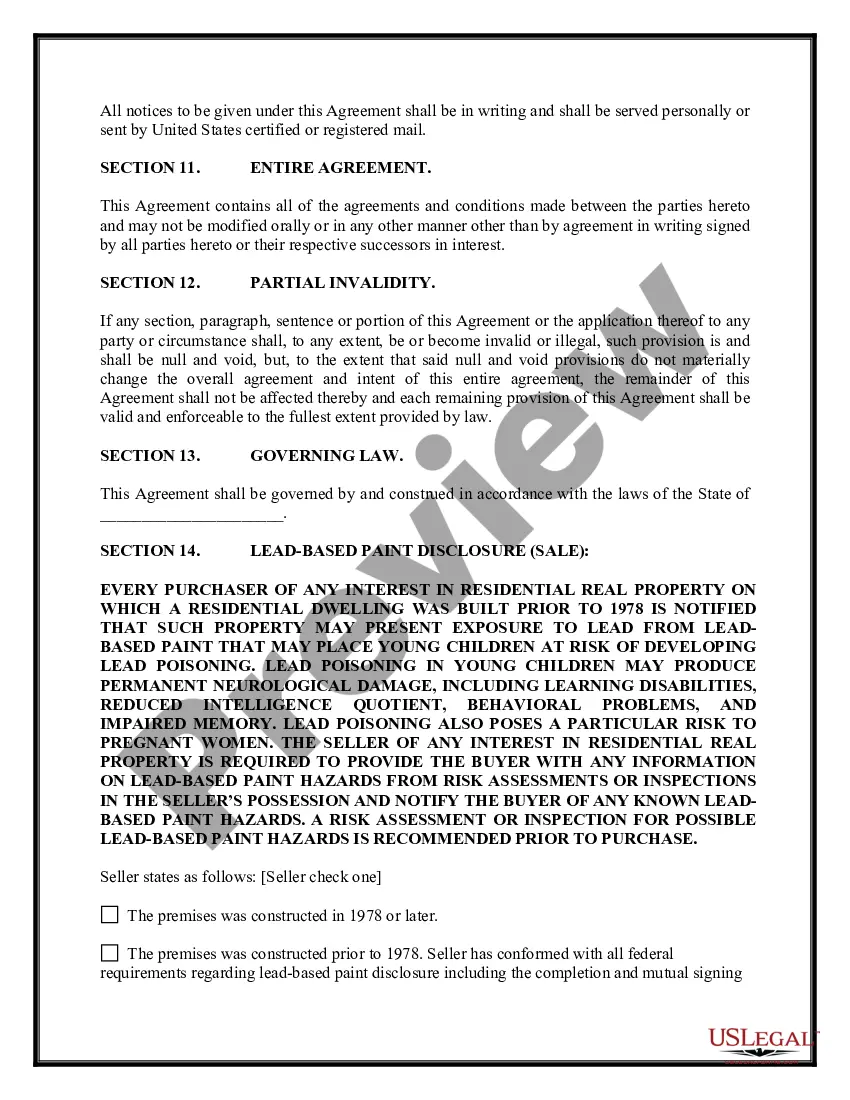
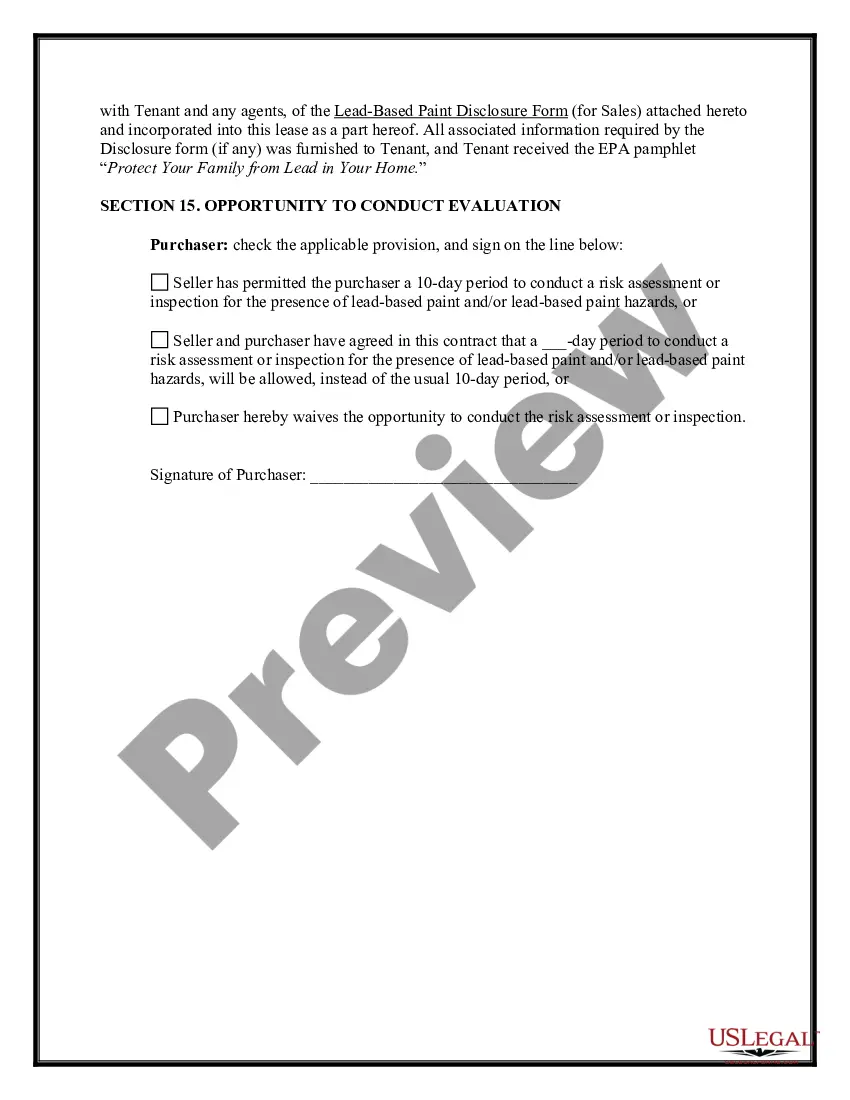
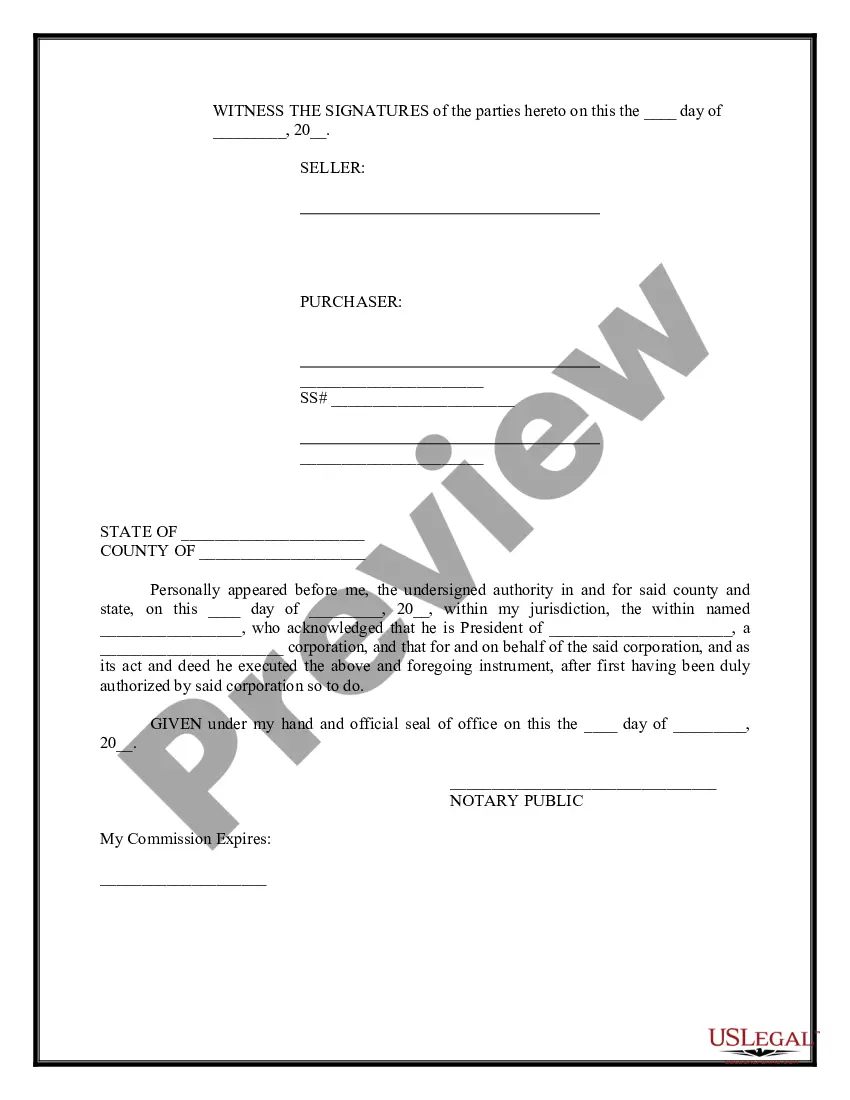
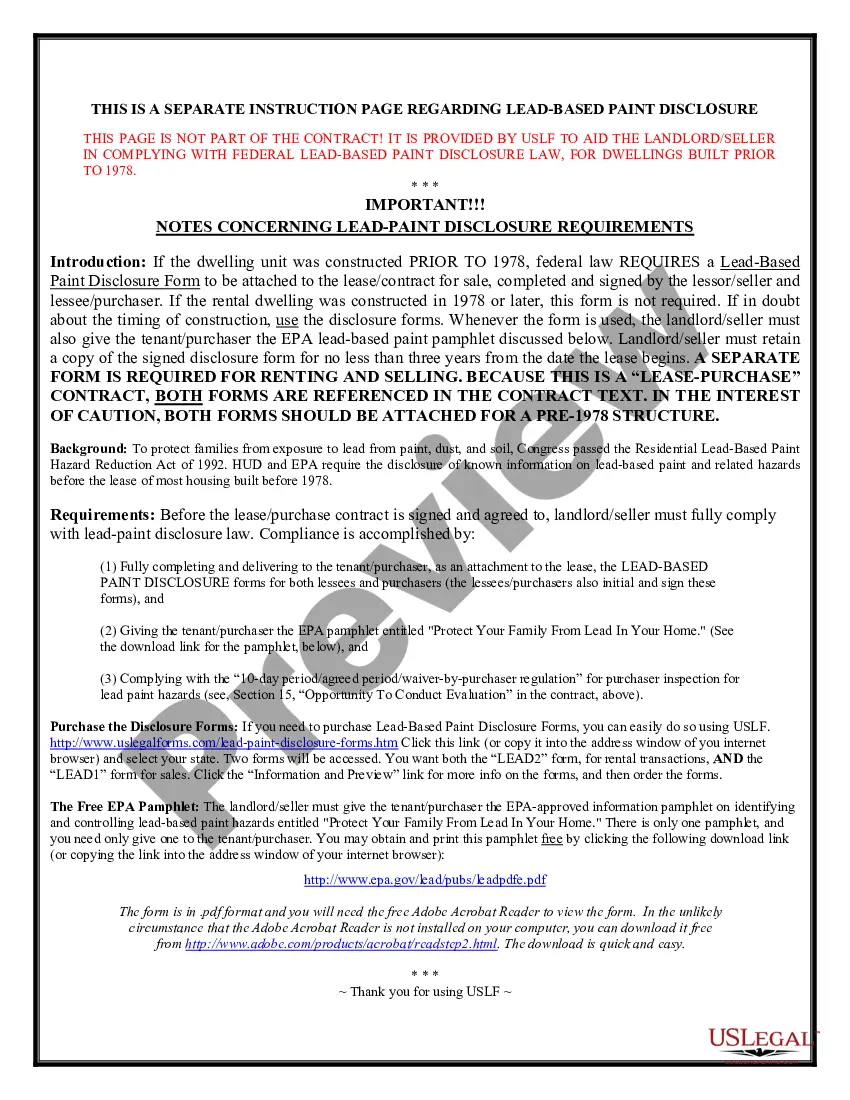
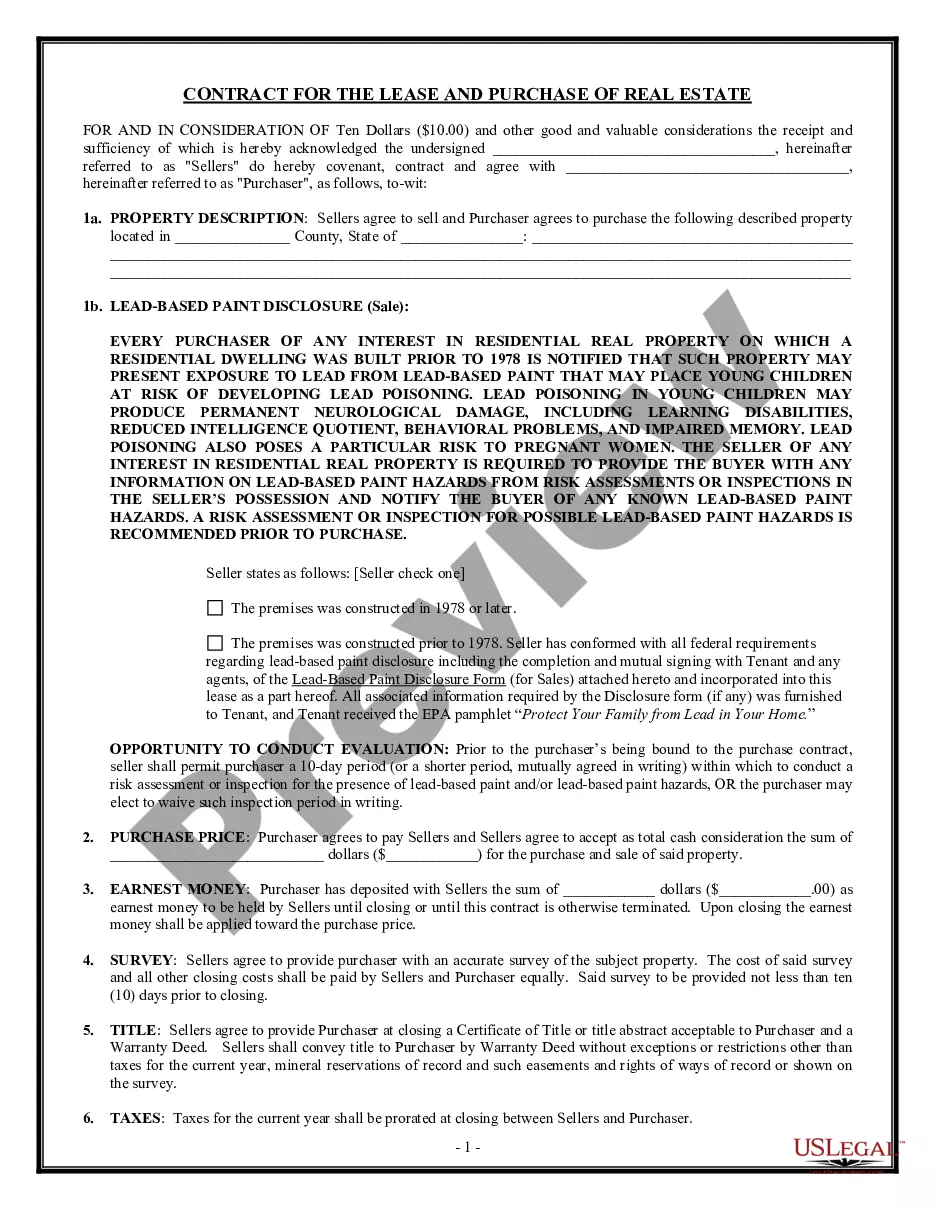
Get your form ready online
Our built-in tools help you complete, sign, share, and store your documents in one place.
Make edits, fill in missing information, and update formatting in US Legal Forms—just like you would in MS Word.
Download a copy, print it, send it by email, or mail it via USPS—whatever works best for your next step.
Sign and collect signatures with our SignNow integration. Send to multiple recipients, set reminders, and more. Go Premium to unlock E-Sign.
If this form requires notarization, complete it online through a secure video call—no need to meet a notary in person or wait for an appointment.
We protect your documents and personal data by following strict security and privacy standards.

Make edits, fill in missing information, and update formatting in US Legal Forms—just like you would in MS Word.

Download a copy, print it, send it by email, or mail it via USPS—whatever works best for your next step.

Sign and collect signatures with our SignNow integration. Send to multiple recipients, set reminders, and more. Go Premium to unlock E-Sign.

If this form requires notarization, complete it online through a secure video call—no need to meet a notary in person or wait for an appointment.

We protect your documents and personal data by following strict security and privacy standards.
Looking for another form?









Form popularity
FAQ
New York Tenant Eviction Process Timeline Providing a Notice14-90 calendar days Serving the Complaint 10-17 business days Tenant Response 10 or fewer business days Court Process 10-20 business days Final Move-out Period 14 business days or fewer
New York Eviction Time Estimates ActionDuration Maximum continuance 14 days Issuance of warrant of possession Unspecified Time to quit after writ is posted 14 days Total 1-5 months4 more rows •
The eviction process can take 30 - 45 days, or longer. The time starts from when you have eviction court forms delivered to your tenant to the time they must move out. Choose any box, below, to learn more about the eviction process and get step-by-step instructions.
Timeline for Eviction Proceedings It takes about 14 to 90 days from the issuance of the Notice to Vacate, depending on the reason for eviction and the lease agreement.
In New York State, an eviction of a tenant is lawful only if an owner has brought a court proceeding and obtained a judgment of possession from the court. A sheriff, marshal or constable can carry out a court ordered eviction. An owner may not evict a tenant by use of force or unlawful means.
If you want to start an HP action against the property owner, go to the Clerk's Office at the Housing Court. You do not need a lawyer to start an HP case. For more information about HP actions, visit the website of the New York State Unified Court System.
The Civil Court of the City of New York consists of 3 parts: General Civil, Housing, and Small Claims. General Civil cases includes matters where parties are seeking monetary relief up to $50,000. The Housing Part hears landlord-tenant matters and cases involving maintenance of housing standards.
An affidavit of non service or affidavit of non-service is a sworn legal document that formally states the inability to serve legal documents to an intended recipient.
A menos que exista una ley específica vigente (como una ordenanza local de control de alquileres o un estado de emergencia nacional que prohíba un aumento de alquiler durante un plazo de tiempo, por ejemplo), no existe un límite sobre cuánto puede aumentar el alquiler un propietario.