Real Estate Clause In A Will In Pima
Description

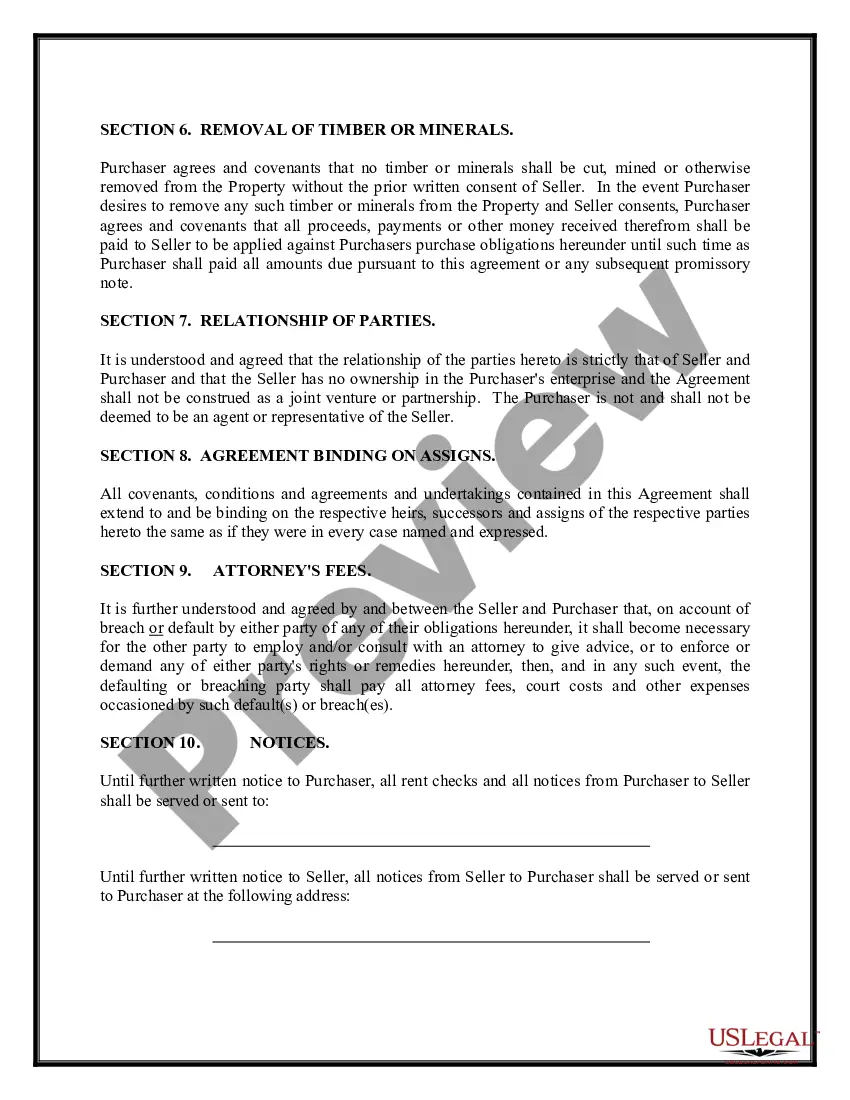
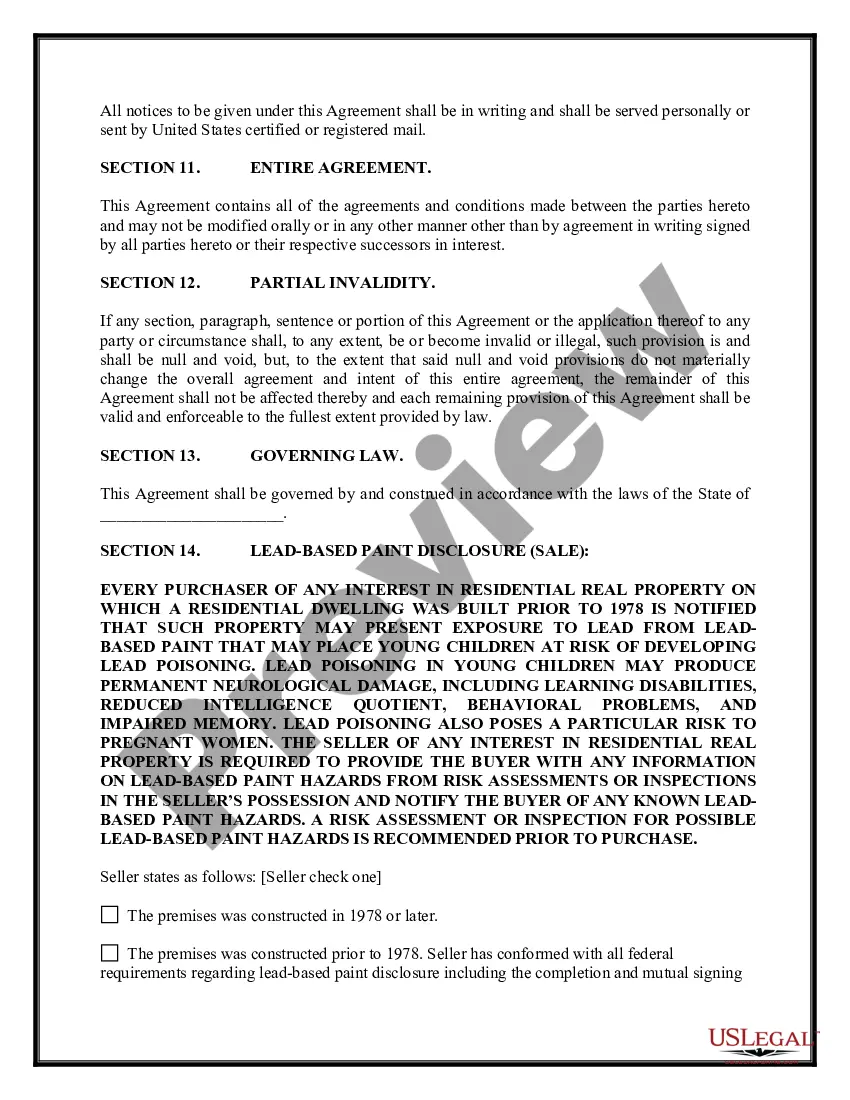
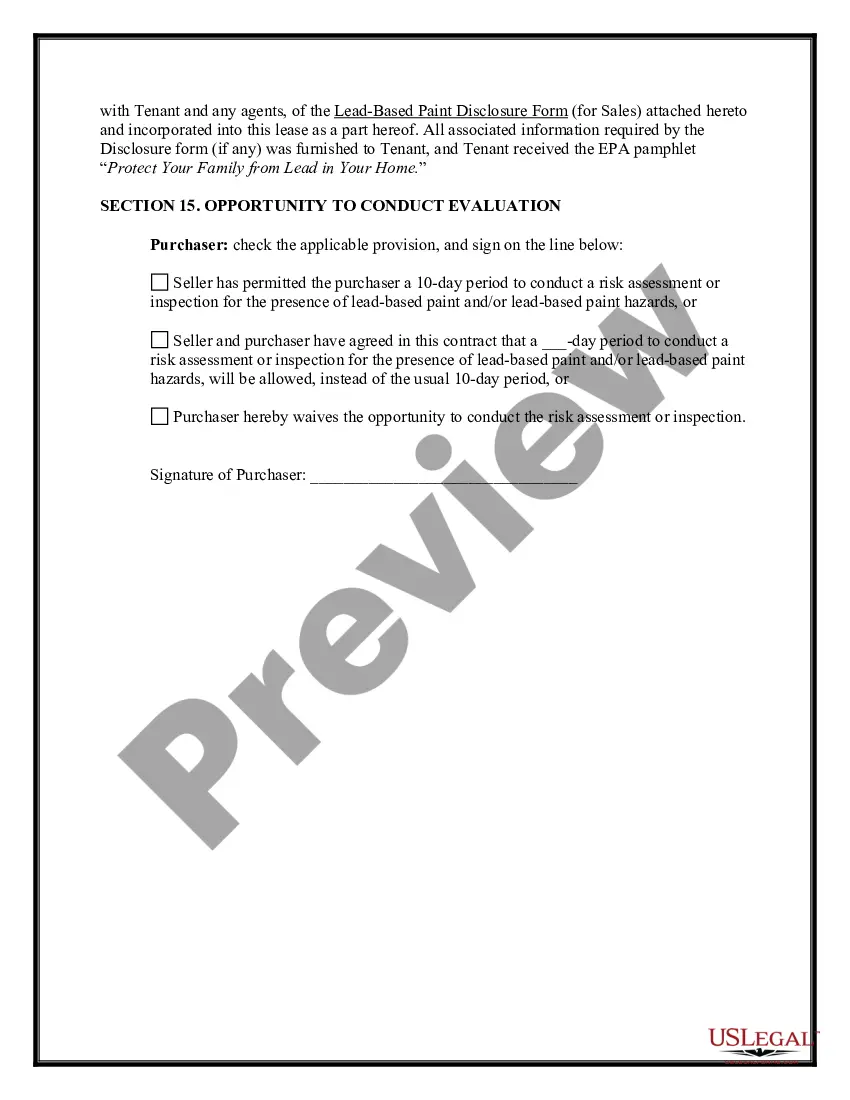
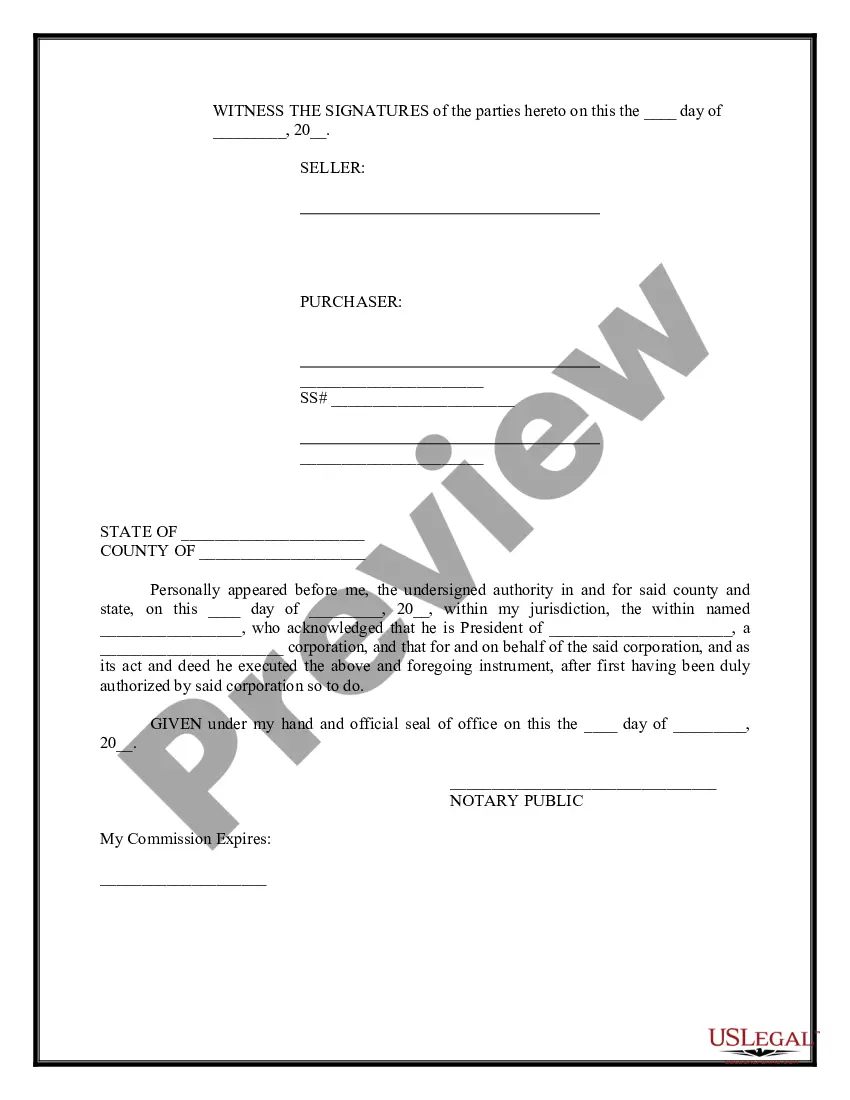
Get your form ready online
Our built-in tools help you complete, sign, share, and store your documents in one place.
Make edits, fill in missing information, and update formatting in US Legal Forms—just like you would in MS Word.
Download a copy, print it, send it by email, or mail it via USPS—whatever works best for your next step.
Sign and collect signatures with our SignNow integration. Send to multiple recipients, set reminders, and more. Go Premium to unlock E-Sign.
If this form requires notarization, complete it online through a secure video call—no need to meet a notary in person or wait for an appointment.
We protect your documents and personal data by following strict security and privacy standards.

Make edits, fill in missing information, and update formatting in US Legal Forms—just like you would in MS Word.

Download a copy, print it, send it by email, or mail it via USPS—whatever works best for your next step.

Sign and collect signatures with our SignNow integration. Send to multiple recipients, set reminders, and more. Go Premium to unlock E-Sign.

If this form requires notarization, complete it online through a secure video call—no need to meet a notary in person or wait for an appointment.

We protect your documents and personal data by following strict security and privacy standards.
Looking for another form?









Form popularity
FAQ
The Affidavit is used only to transfer title of a deceased person's real property, including a debt secured by a lien on real property.
How to Start Probate for an Estate Open the Decedent's Last Will and Testament. Determine Who Will be the Personal Representative. Compile a List of the Estate's Interested Parties. Take an Inventory of the Decedent's Assets. Calculate the Decedent's Liabilities. Determine if Probate is Necessary. Seek a Waiver of Bond.
An order determining succession to real property is an alternative petition to get a court order transferring the property. (Prob. Code § 13154.)
In Arizona, probate is always required for wills and assets that aren't in a trust or included in a transfer-on-death deed. Probate is also required for large estates consisting of personal property valued at over $75,000 and real estate property valued at over $100,000.
A.R.S. §§ 11-1133 and 11-1137(B) require all buyers and sellers of real property or their agents to complete and attest to this Affidavit. Failure to do so constitutes a class 2 misdemeanor and is punishable by law.
In Arizona, if a decedents estate is small enough, the law allows you to skip probate altogether and use a simplified process. This usually is reserved for smaller estates if the value is under $100,000 (for real estate) or under $75,000 (personal property).
And the date it was created it names the settlers. Or person who owns the assets being held in trustMoreAnd the date it was created it names the settlers. Or person who owns the assets being held in trust. And identifies the types of assets being held.
To get title to the property after your death, the beneficiary must record a certified copy of the death certificate in the recorder's office. No probate is necessary. Use Nolo's Quicken WillMaker to make a beneficiary deed or transfer on death deed in any state that allows it.
There may be additional hearings to resolve contests, and the executor will probably need court approval before making major decisions and actions. Informal probate is obviously the quickest and can conclude in 4 – 6 months. Formal probate may take up to a year or longer.
Informal probate requires that the deceased had a valid will at the time of death that has not been challenged and died less than 2 years before probate is opened. In an informal probate process, a personal representative is appointed by the court to administer the estate with minimal court supervision.