Real Estate Clause In A Will In Ohio
Description

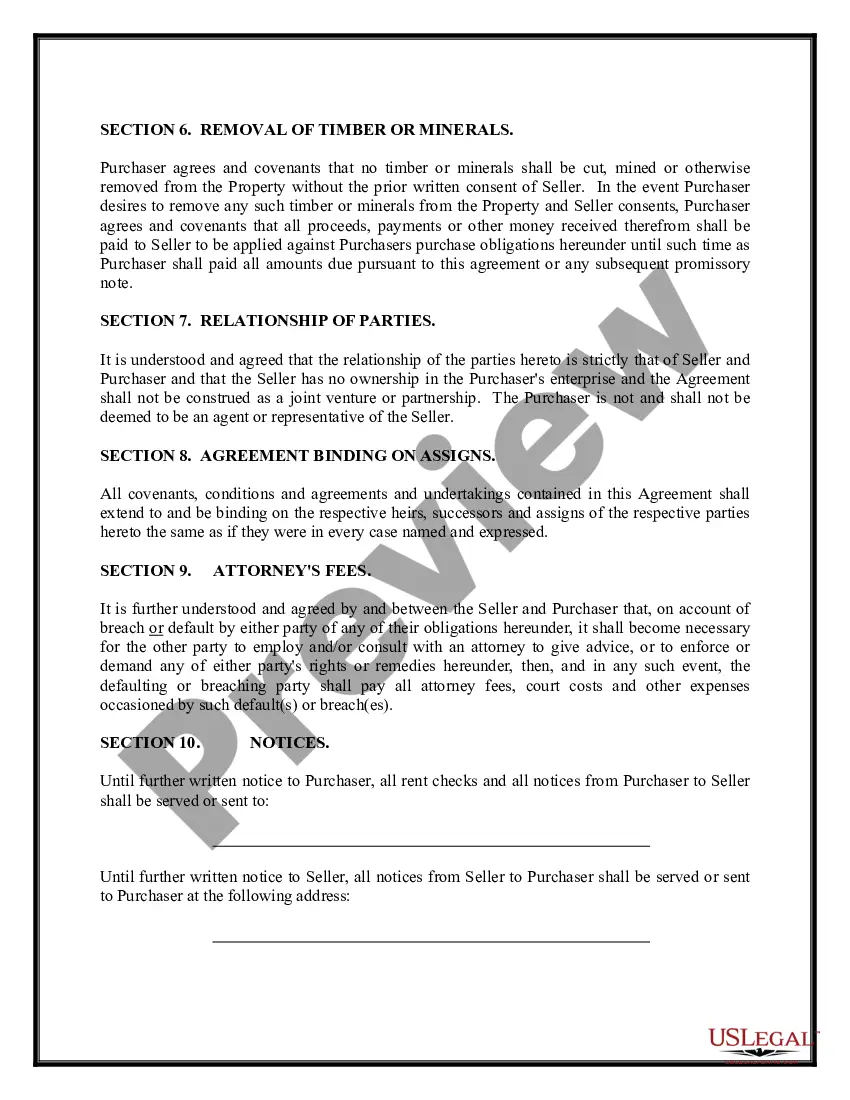
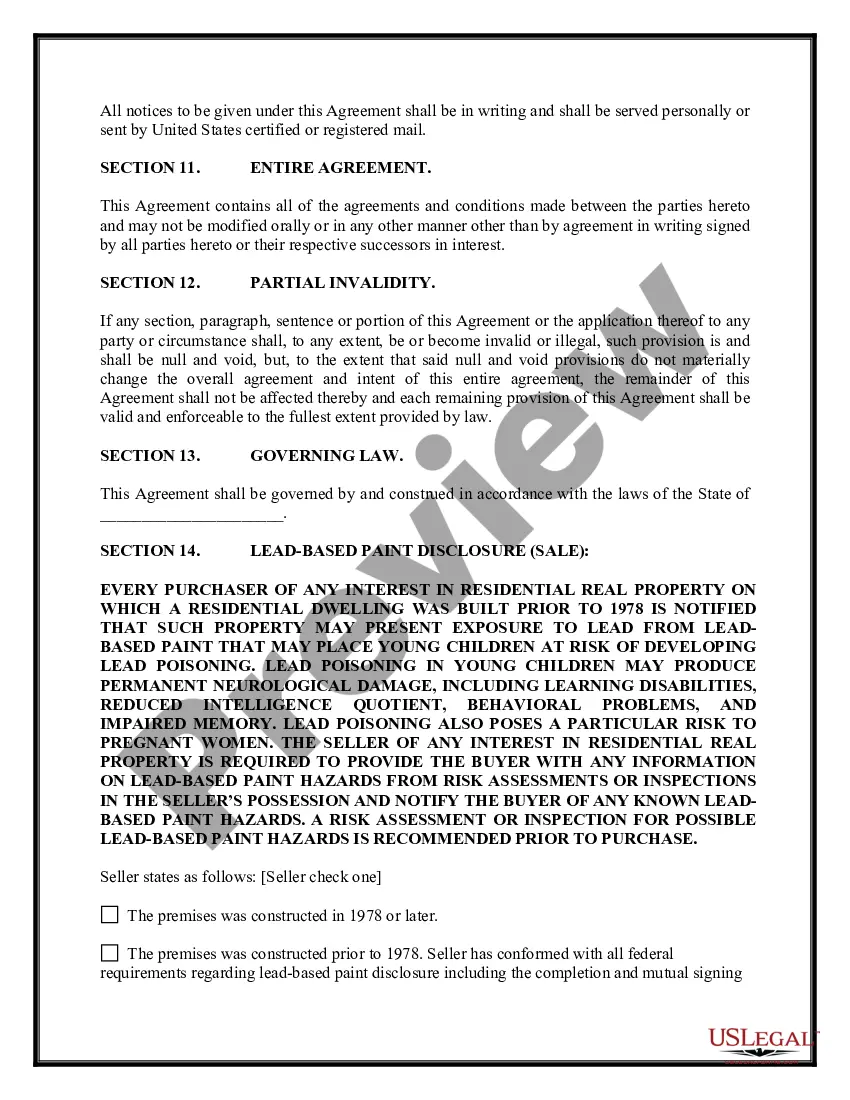
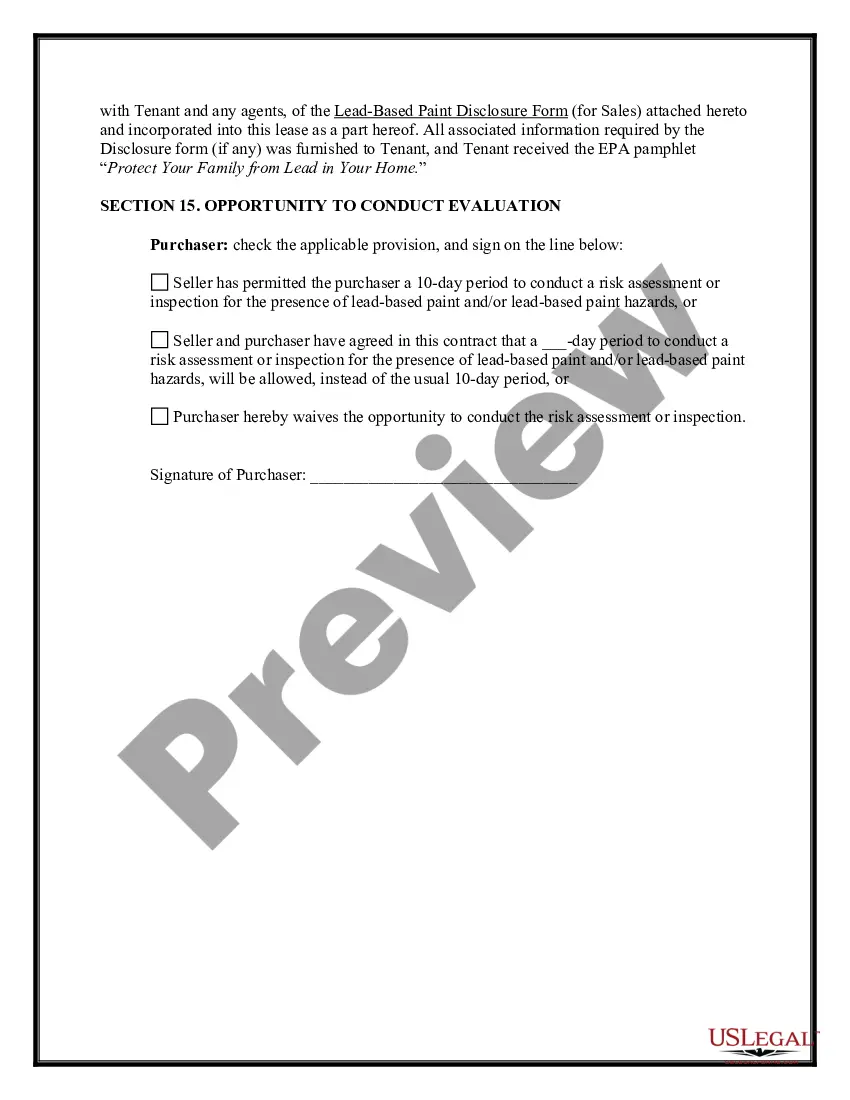
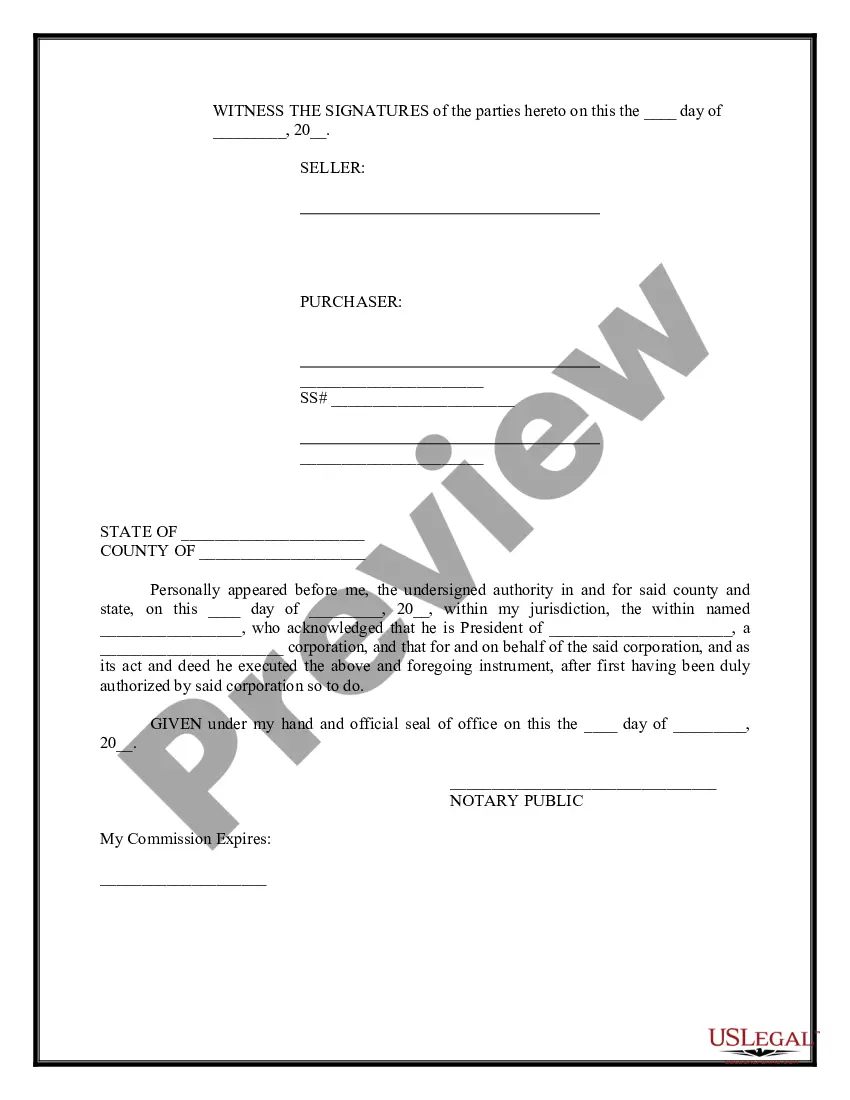
Get your form ready online
Our built-in tools help you complete, sign, share, and store your documents in one place.
Make edits, fill in missing information, and update formatting in US Legal Forms—just like you would in MS Word.
Download a copy, print it, send it by email, or mail it via USPS—whatever works best for your next step.
Sign and collect signatures with our SignNow integration. Send to multiple recipients, set reminders, and more. Go Premium to unlock E-Sign.
If this form requires notarization, complete it online through a secure video call—no need to meet a notary in person or wait for an appointment.
We protect your documents and personal data by following strict security and privacy standards.

Make edits, fill in missing information, and update formatting in US Legal Forms—just like you would in MS Word.

Download a copy, print it, send it by email, or mail it via USPS—whatever works best for your next step.

Sign and collect signatures with our SignNow integration. Send to multiple recipients, set reminders, and more. Go Premium to unlock E-Sign.

If this form requires notarization, complete it online through a secure video call—no need to meet a notary in person or wait for an appointment.

We protect your documents and personal data by following strict security and privacy standards.
Looking for another form?

Form popularity
FAQ
There are four main grounds for challenging the validity of a will in Ohio. These include a lack of due execution, lack of testamentary capacity, undue influence, and fraud. Lack of due execution refers to when the will wasn't signed or witnessed correctly or is notarized improperly.
Ohio Revised Code §2131.10 states that the designation of a beneficiary on a life insurance policy or annuity contract will override any conflicting provision in a will or trust. Similarly, retirement accounts with a named beneficiary will pass outside of probate directly to the designated individual or entity.
If a court finds that an individual is suffering from dementia, is under the influence of drugs or alcohol, or is incapable of understanding the document being executed for some other reason, the court may invalidate the will on the grounds that the individual does not have testamentary capacity.
Not all of a decedent's assets must go through probate before being distributed. Common non-probate assets include: Joint bank accounts. Jointly-owned real estate.
The executor handling the decedent's estate, the receiver in a receivership, or the trustee in a bankruptcy estate are appointed by a court having jurisdiction over the property and typically transfer property using what is called a "fiduciary deed."
If a transaction is in the best interest of the beneficiaries and the estate and is in line with the decedent's wishes and state law, the executor can sell a property without all beneficiaries approving. The executor has the power to choose the probate lawyer and the real estate broker.
Ohio law provides specific grounds on which a will can be contested. These include, but are not limited to, lack of testamentary capacity, undue influence, fraud, or the will not being properly executed ing to legal standards.
In general, executors typically do not have the authority to remove beneficiaries from a will.