Arrendamiento Bienes Without In Ohio
Description

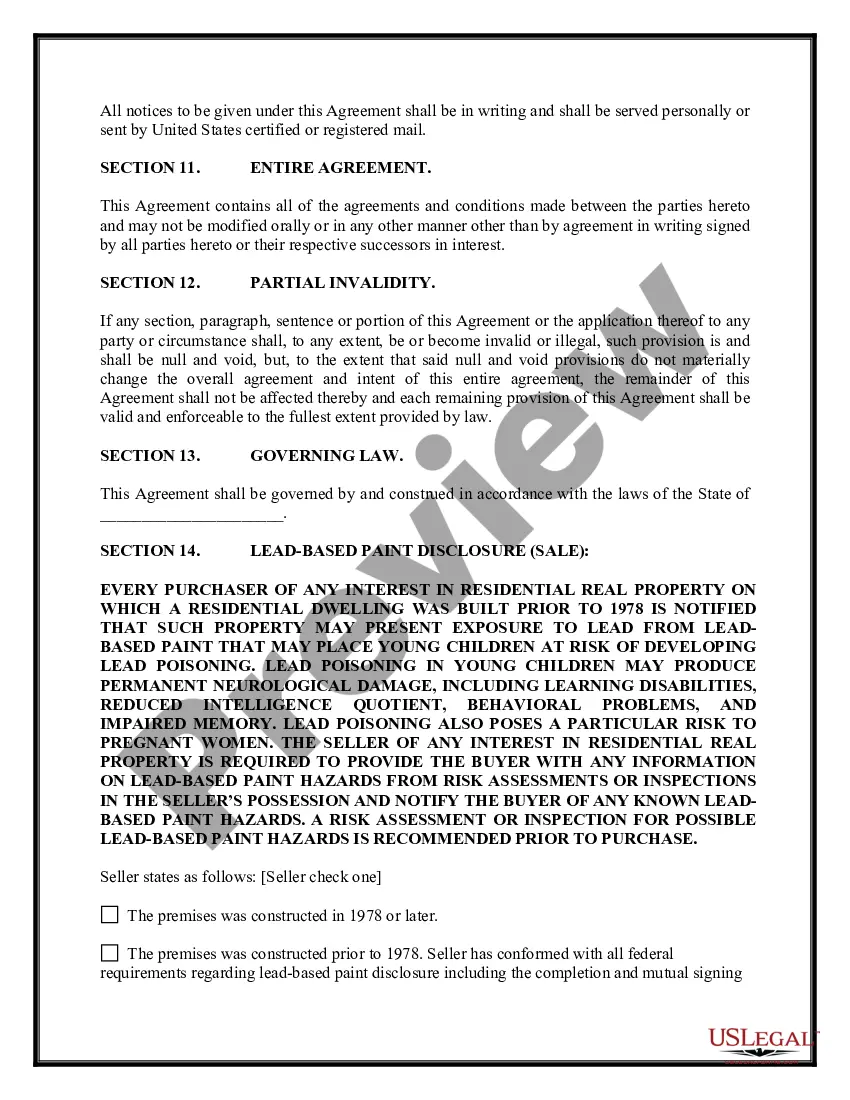
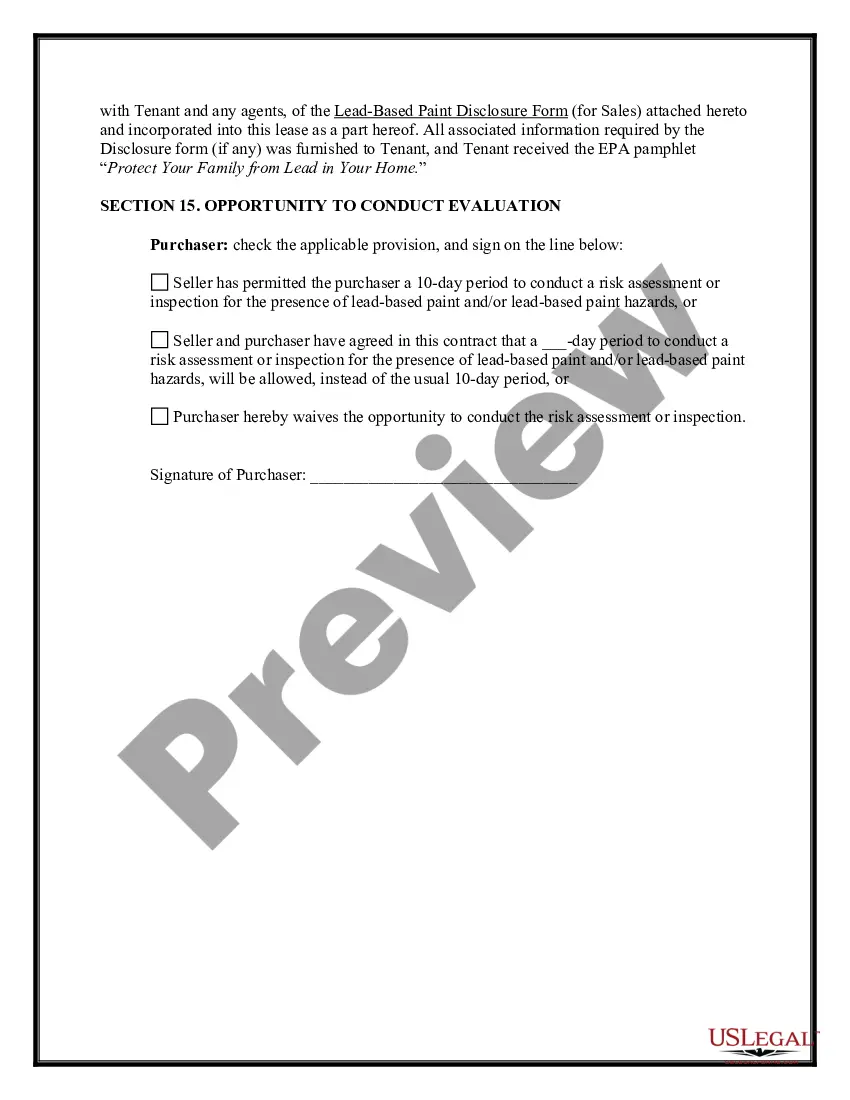
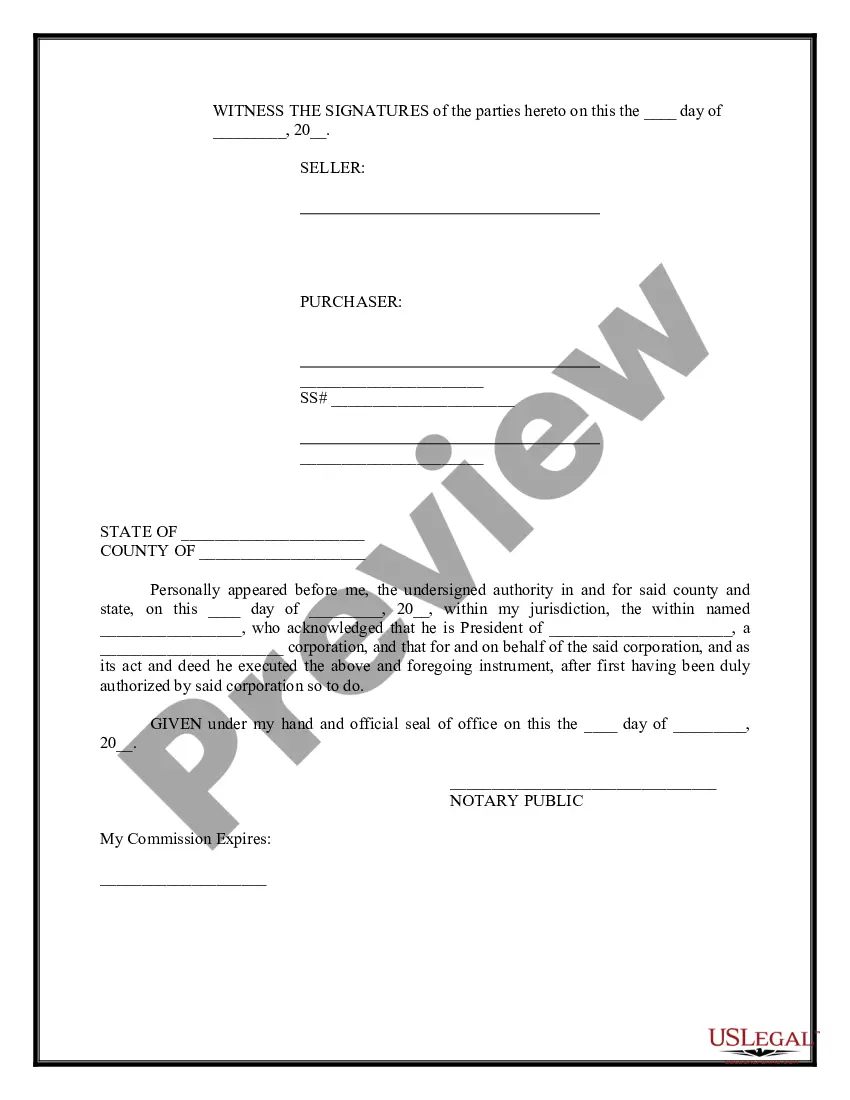
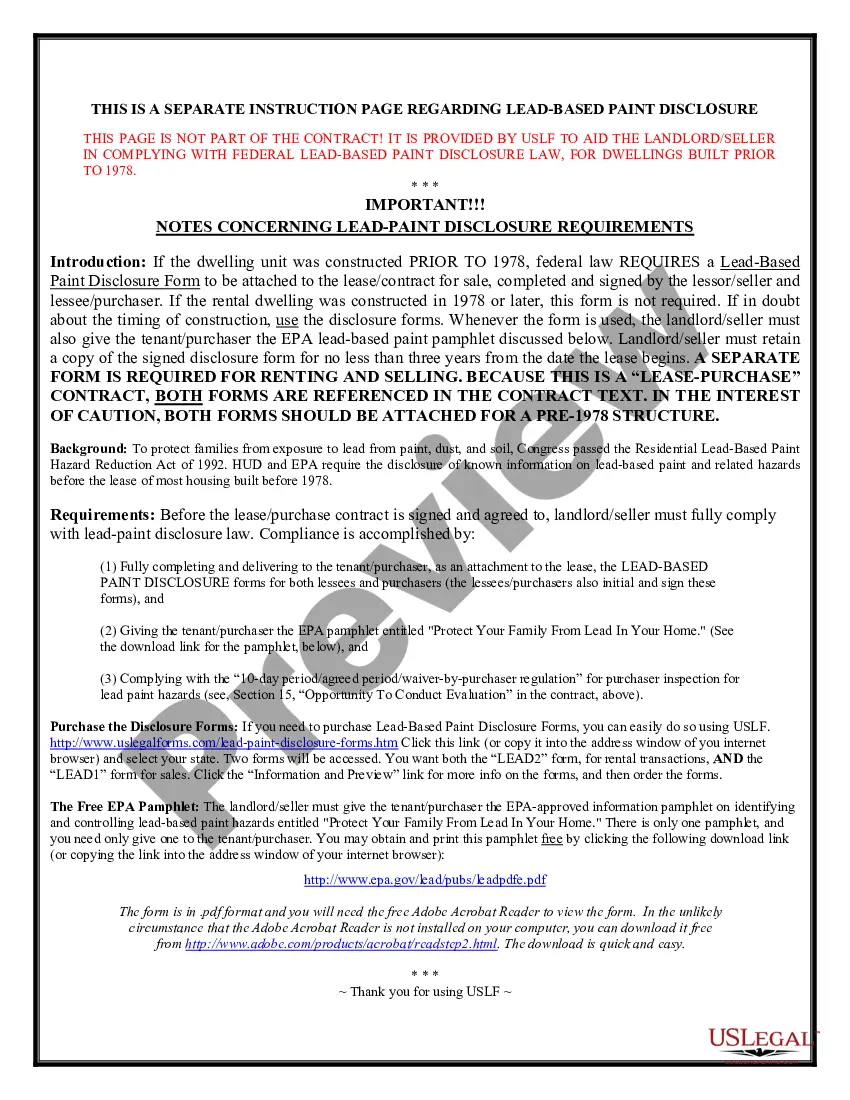
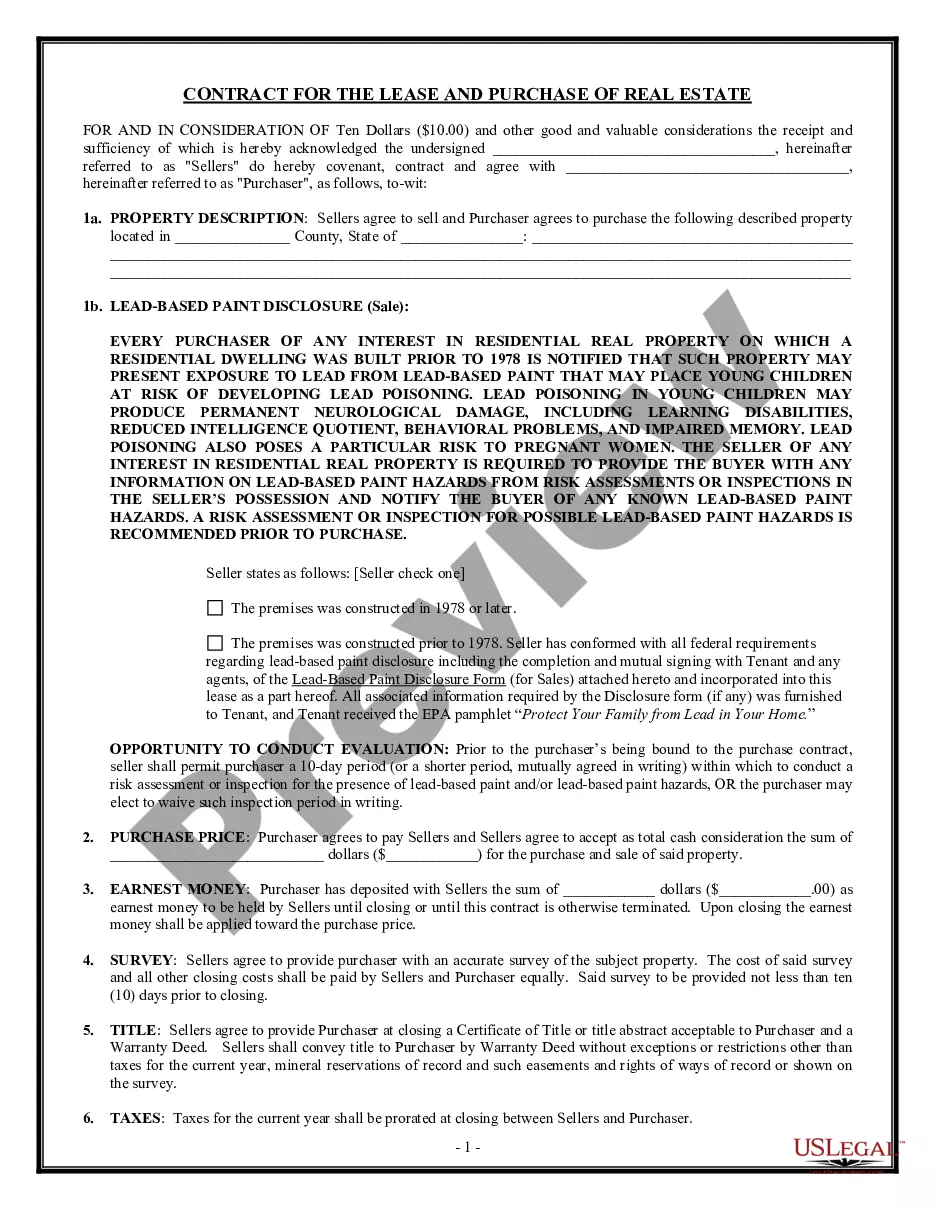
Get your form ready online
Our built-in tools help you complete, sign, share, and store your documents in one place.
Make edits, fill in missing information, and update formatting in US Legal Forms—just like you would in MS Word.
Download a copy, print it, send it by email, or mail it via USPS—whatever works best for your next step.
Sign and collect signatures with our SignNow integration. Send to multiple recipients, set reminders, and more. Go Premium to unlock E-Sign.
If this form requires notarization, complete it online through a secure video call—no need to meet a notary in person or wait for an appointment.
We protect your documents and personal data by following strict security and privacy standards.

Make edits, fill in missing information, and update formatting in US Legal Forms—just like you would in MS Word.

Download a copy, print it, send it by email, or mail it via USPS—whatever works best for your next step.

Sign and collect signatures with our SignNow integration. Send to multiple recipients, set reminders, and more. Go Premium to unlock E-Sign.

If this form requires notarization, complete it online through a secure video call—no need to meet a notary in person or wait for an appointment.

We protect your documents and personal data by following strict security and privacy standards.
Looking for another form?









Form popularity
FAQ
Following these steps precisely helps ensure compliance with Ohio rental laws and avoids potential legal complications. Step 1: Serve a Notice to Vacate. Step 2: File an Eviction Complaint. Step 3: Attend the Court Hearing. Step 4: Obtain a Writ of Restitution.
Probate is necessary when a person dies leaving property in his or her own name (such as a house titled only in the name of the decedent) or having rights to receive property.
After the death of an individual, the probate process begins by any interested person filing an application to administer the estate in the county in which the decedent lived. The court will appoint an estate representative, called a fiduciary.
In Ohio, probate is generally required for any assets that were solely owned by the deceased at the time of their death and don't already have designated beneficiaries. Probate assets include things like real estate, vehicles, and bank accounts and investments that don't have a payable-on-death (POD) designation.
These include: Bank accounts. Retirement accounts. Stocks and bonds. Some life insurance policies. Real estate. Motor vehicles, such as cars, motorcycles, and RVs. Personal property, such as jewelry and household furnishings.
Ohio requires that a Notice of Commencement be filed: “in the office of the county recorder for each county in which the real property to be improved is located,” that “the owner, part owner, lessee, or designee shall post and maintain posted a copy of the notice of commencement in a conspicuous place on the real ...
In Ohio, you can make a living trust to avoid probate for virtually any asset you own—real estate, bank accounts, vehicles, and so on. You need to create a trust document (it's similar to a will), naming someone to take over as trustee after your death (called a "successor trustee").
Ohio Revised Code section (R.C.) 5323.02 requires an owner of residential rental property to register a contact agent for that property with the county auditor's office within 60 days (including weekends and holidays) following the day a real property conveyance form for that property is filed with the county auditor.
How to be a landlord in Ohio Preparing your Ohio rental property. Become an Expert on Ohio Landlord-Tenant laws. Promote your rental property. Find the perfect tenant. Landlord Check-Ins & Maintenance. Bonus: Learn About Taxes on Rental Income in Ohio.
The landlord may not increase rent, decrease services, evict, or even threaten to evict you because you complained about needed repairs, have your home inspected by your local government housing inspector, or participated in a tenants' group or union.