Real Property Clause In Will In North Carolina
Description

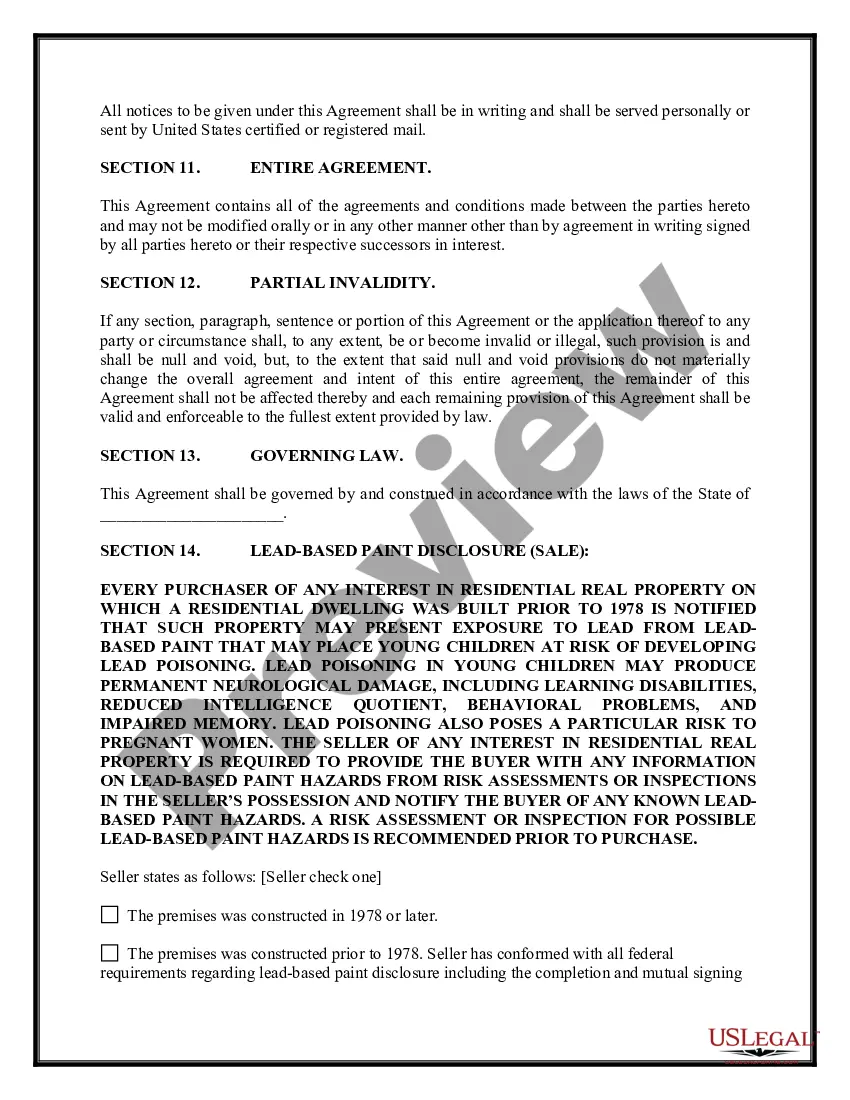
Get your form ready online
Our built-in tools help you complete, sign, share, and store your documents in one place.
Make edits, fill in missing information, and update formatting in US Legal Forms—just like you would in MS Word.
Download a copy, print it, send it by email, or mail it via USPS—whatever works best for your next step.
Sign and collect signatures with our SignNow integration. Send to multiple recipients, set reminders, and more. Go Premium to unlock E-Sign.
If this form requires notarization, complete it online through a secure video call—no need to meet a notary in person or wait for an appointment.
We protect your documents and personal data by following strict security and privacy standards.

Make edits, fill in missing information, and update formatting in US Legal Forms—just like you would in MS Word.

Download a copy, print it, send it by email, or mail it via USPS—whatever works best for your next step.

Sign and collect signatures with our SignNow integration. Send to multiple recipients, set reminders, and more. Go Premium to unlock E-Sign.

If this form requires notarization, complete it online through a secure video call—no need to meet a notary in person or wait for an appointment.

We protect your documents and personal data by following strict security and privacy standards.
Looking for another form?









Form popularity
FAQ
Lack of a Signature and/or Witnesses A will that is unsigned or fails to meet the witness requirements may not be legally enforceable under North Carolina state law. You can contest a will on these grounds.
A will may be revoked wholly or partially in three ways: by subsequent writings, by physical destruction of the will, or by operation of law. What is a subsequent writing? A testator can expressly revoke a will by a subsequent writing, a later will, or a codicil.
If a court finds that an individual is suffering from dementia, is under the influence of drugs or alcohol, or is incapable of understanding the document being executed for some other reason, the court may invalidate the will on the grounds that the individual does not have testamentary capacity.
The deed to the property automatically transfers to you after your loved one passes away. From that point, all you would need to prove that you are the rightful owner of the property is: A copy of your loved one's death certificate. A copy of your loved one's will awarding you the property.
If the Will is not signed by two competent witnesses, then it is not a valid Will.
Wills in North Carolina must meet specific legal requirements to be legally binding and valid. The testator must sign the will in the presence of two competent witnesses who also sign the document. If those involved do not follow state statutes for will-making, the will may be deemed invalid.
In North Carolina, you can make a living trust to avoid probate for virtually any asset you own—real estate, bank accounts, vehicles, and so on. You need to create a trust document (it's similar to a will), naming someone to take over as trustee after your death (called a "successor trustee").
Spouses in North Carolina Inheritance Law If you have no living parents or descendants, your spouse will inherit all of your intestate property. If you die with parents but no descendants, your spouse will inherit half of intestate real estate and the first $100,000 of personal property.
Unlike South Carolina and many other states, real property in North Carolina does not typically pass through probate. When a decedent dies intestate (without a Will), title to the decedent's non-survivorship real property is vested in his or heir heirs as of the time of death G.S. 28A-15-2(b).
First and foremost, there are a number of asset types that typically do not pass through probate. This includes life insurance policies, bank accounts, and investment or retirement accounts that require you to name a beneficiary.