Real Estate Contract Clauses Examples In Middlesex
Description

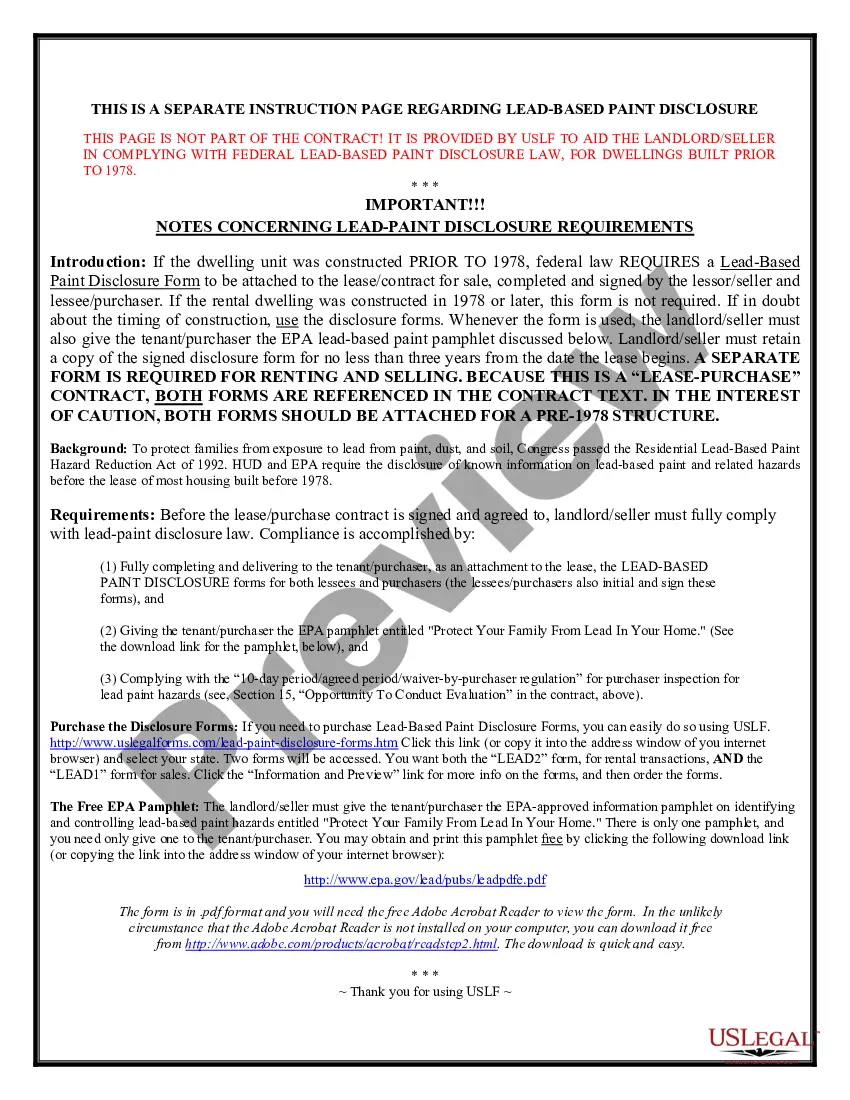
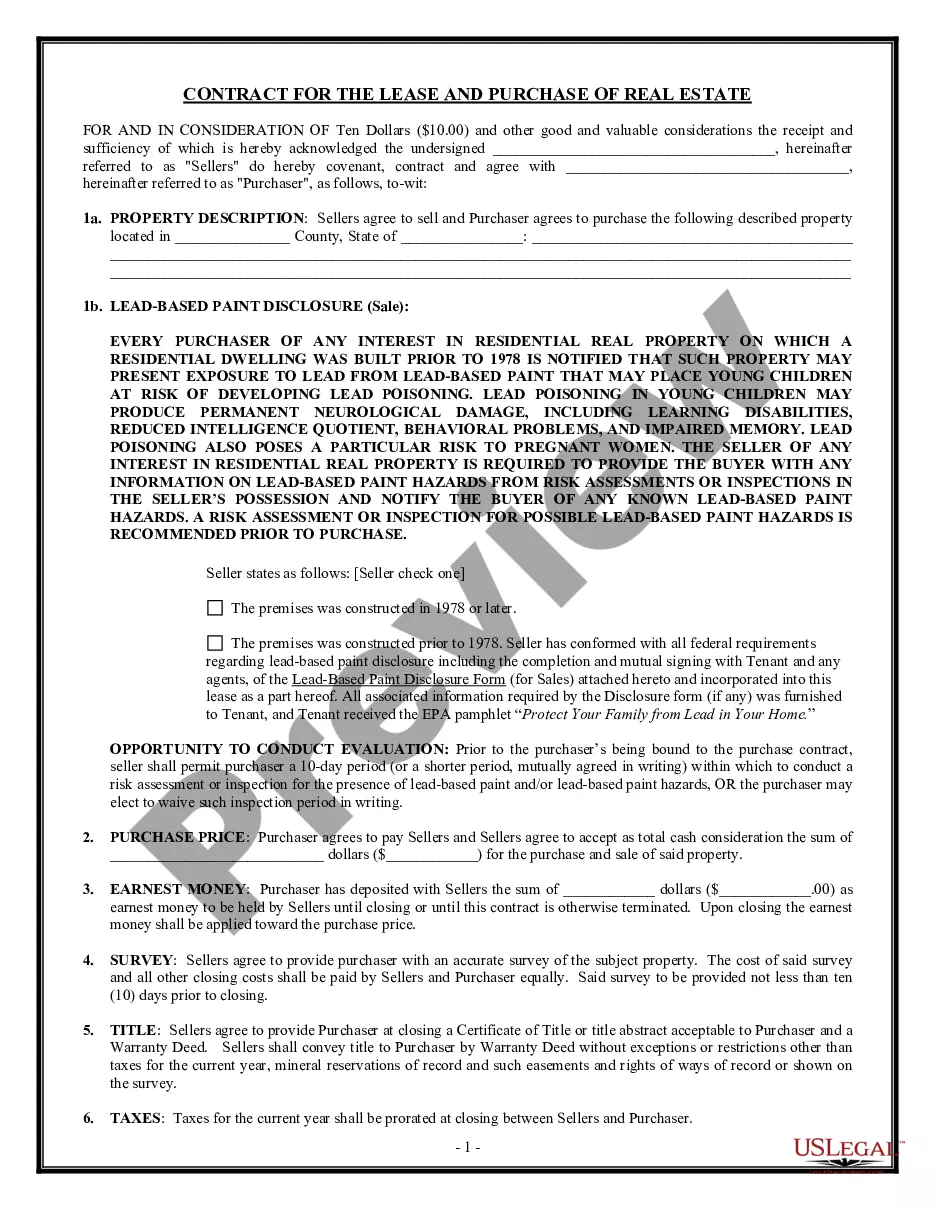
Get your form ready online
Our built-in tools help you complete, sign, share, and store your documents in one place.
Make edits, fill in missing information, and update formatting in US Legal Forms—just like you would in MS Word.
Download a copy, print it, send it by email, or mail it via USPS—whatever works best for your next step.
Sign and collect signatures with our SignNow integration. Send to multiple recipients, set reminders, and more. Go Premium to unlock E-Sign.
If this form requires notarization, complete it online through a secure video call—no need to meet a notary in person or wait for an appointment.
We protect your documents and personal data by following strict security and privacy standards.

Make edits, fill in missing information, and update formatting in US Legal Forms—just like you would in MS Word.

Download a copy, print it, send it by email, or mail it via USPS—whatever works best for your next step.

Sign and collect signatures with our SignNow integration. Send to multiple recipients, set reminders, and more. Go Premium to unlock E-Sign.

If this form requires notarization, complete it online through a secure video call—no need to meet a notary in person or wait for an appointment.

We protect your documents and personal data by following strict security and privacy standards.
Looking for another form?






Form popularity
FAQ
These terms can include duration, the parties to the deal, confidentiality clauses, rendered services, and resolving disputes (should they happen). Remember, a contract is a guideline for business operations and a failsafe in case of issues.
Examples include confidentiality, liability, and termination clauses, all of which serve to protect parties' interests and provide a framework for resolving potential disputes.
Write the contract in six steps Start with a contract template. Open with the basic information. Describe in detail what you have agreed to. Include a description of how the contract will be ended. Write into the contract which laws apply and how disputes will be resolved. Include space for signatures.
What exactly is a contract clause? The easiest way to think about a contract clause is to first understand that it's a written portion that exists to do a legal-specific job. In other words, a clause in a contract is a unique section that addresses a specific need, privilege, right, deadline, or duty.
Writing a contract When drafting clauses, avoid using vague language or terms. Instead, be direct in your wording. Consider all possible scenarios and ensure that the language used leaves no room for interpretation. If necessary, seek legal advice to ensure clauses are airtight and legally enforceable.
These include indemnification, force majeure, copyright, termination, warranties and disclaimers, and privacy. Without including these important clauses in your business contracts, you may find yourself facing exorbitant legal fees, legal battles that could last for years, and intellectual property theft.
Lesson Summary. A contract is a legal agreement between two or more parties in which they agree to each other's rights and responsibilities. Offer, acceptance, awareness, consideration, and capacity are the five elements of an enforceable contract.
1. Confidentiality clause Intellectual property clause. Intellectual property (IP) clauses establish who owns what, both before and after the contract. Limitation of liability clause. Termination clause. Force majeure clause. Dispute resolution clause. Payment terms clause. Renewal clause. Indemnification clause.
1 Use plain language. 2 Define key terms. 3 Structure your clauses logically. 4 Be specific and precise. 5 Use examples and scenarios. 6 Review and revise your clauses. 7 Here's what else to consider.
No Party shall assign this Agreement or any part hereof without the prior written consent of the other Parties. Subject to the foregoing, this Agreement shall be binding upon and inure to the benefit of the Parties Parties, and their respective permitted successors and assigns.