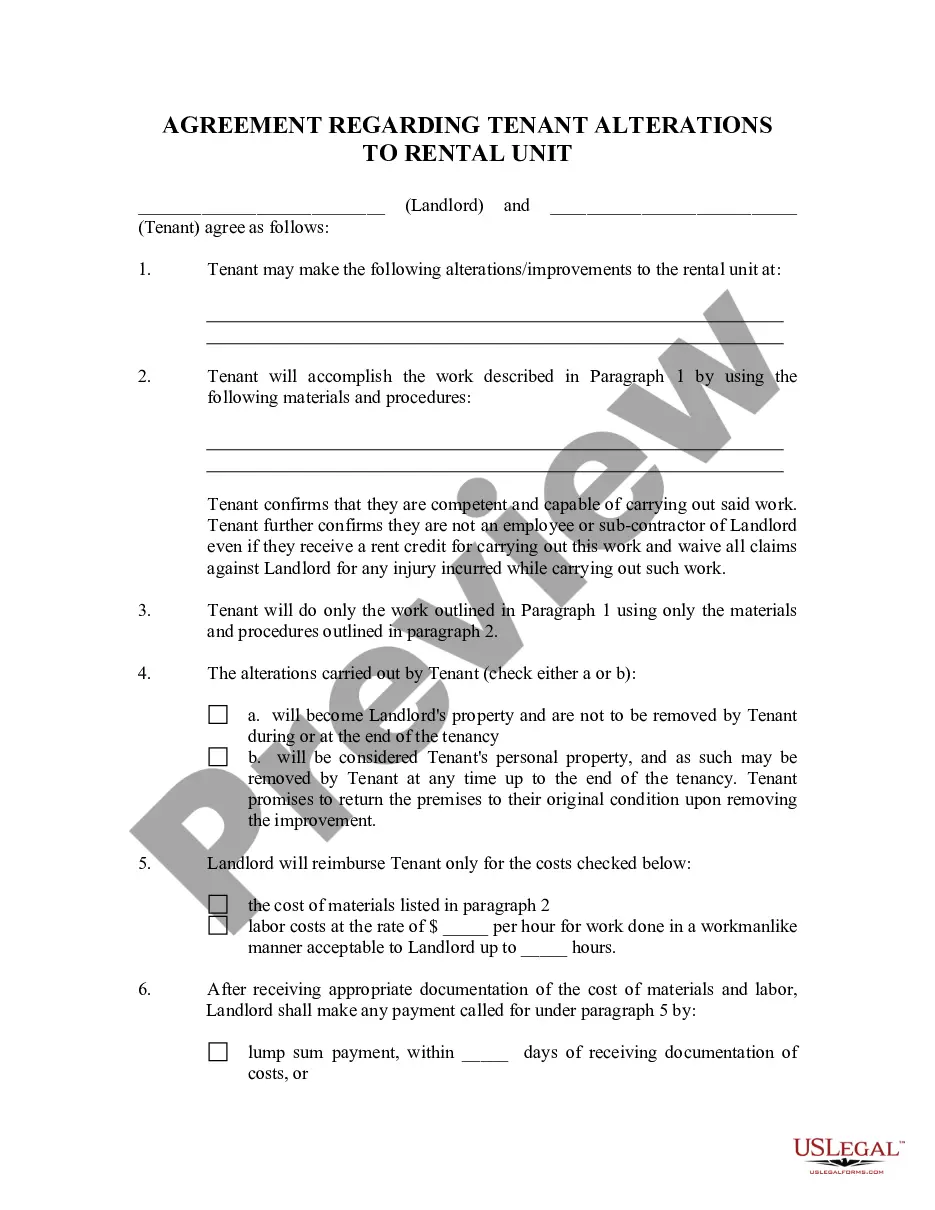
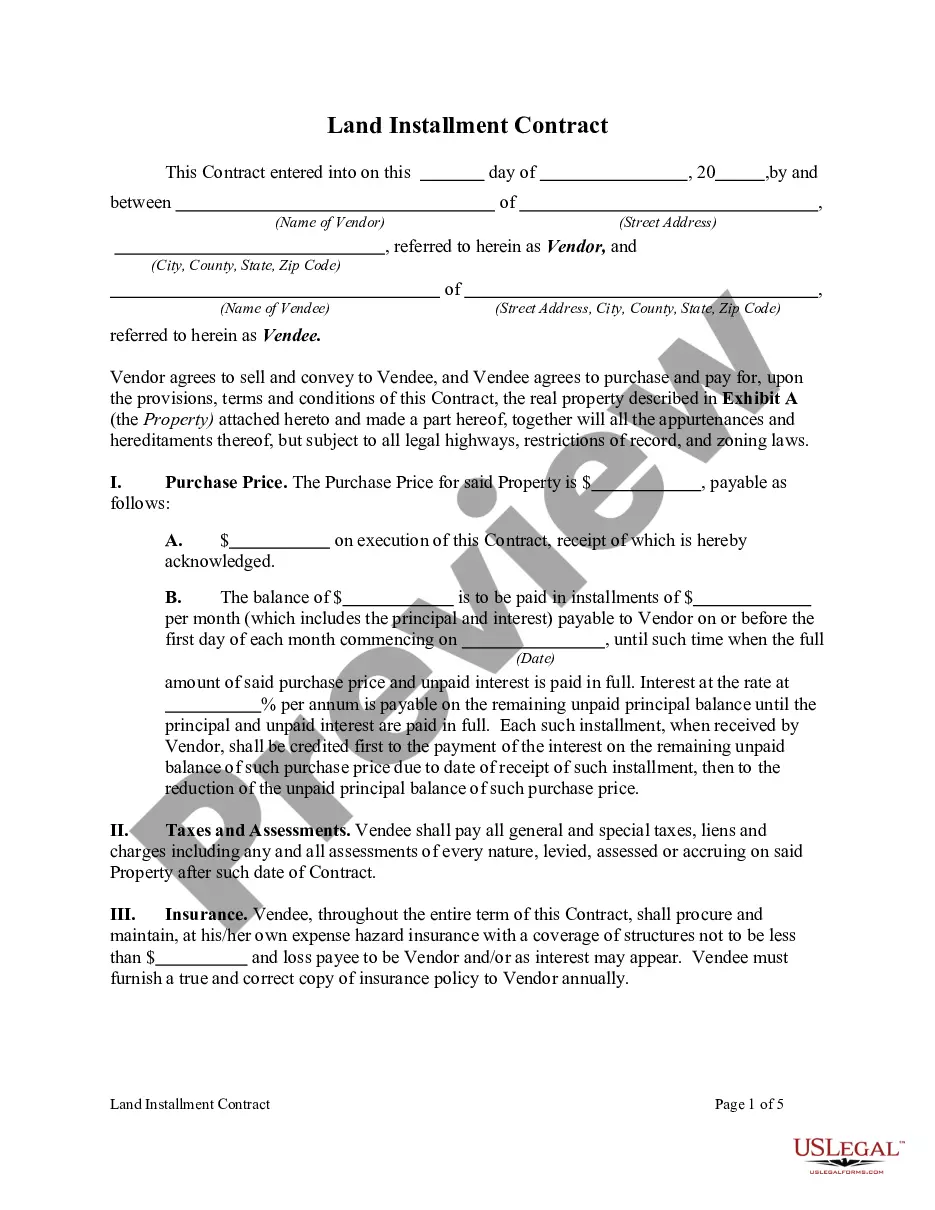
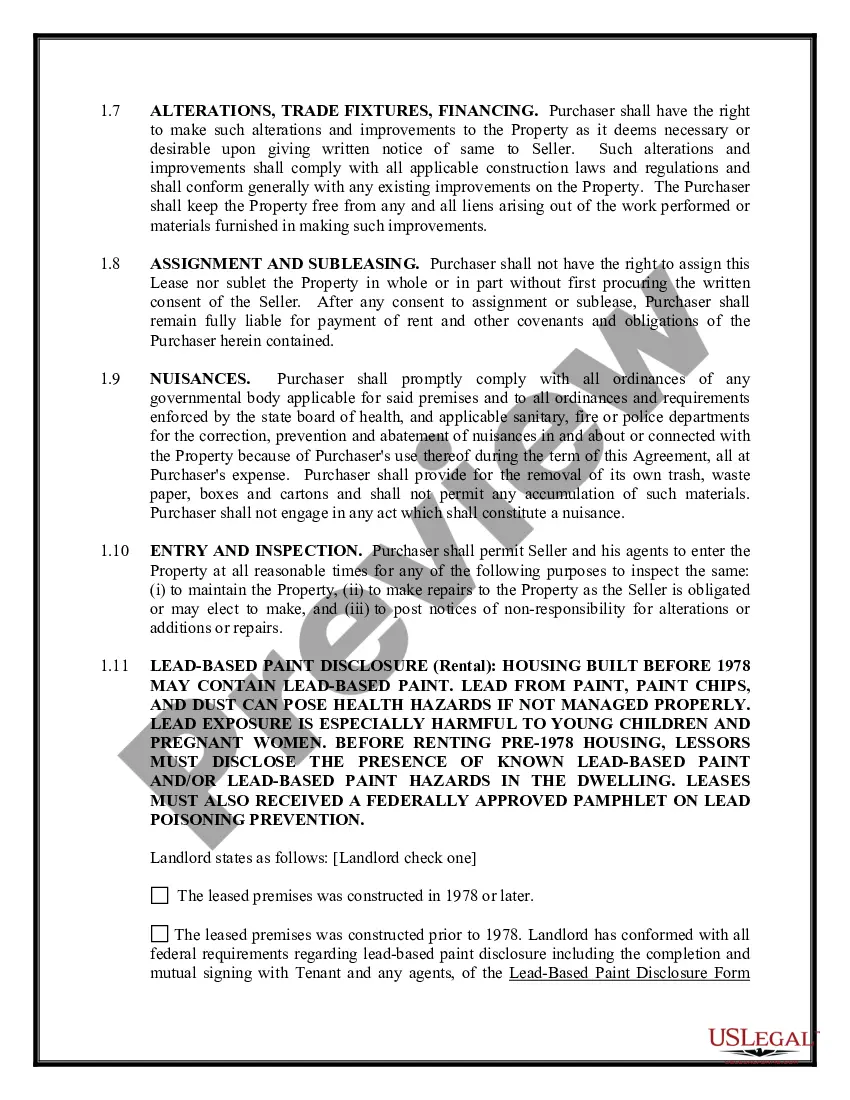
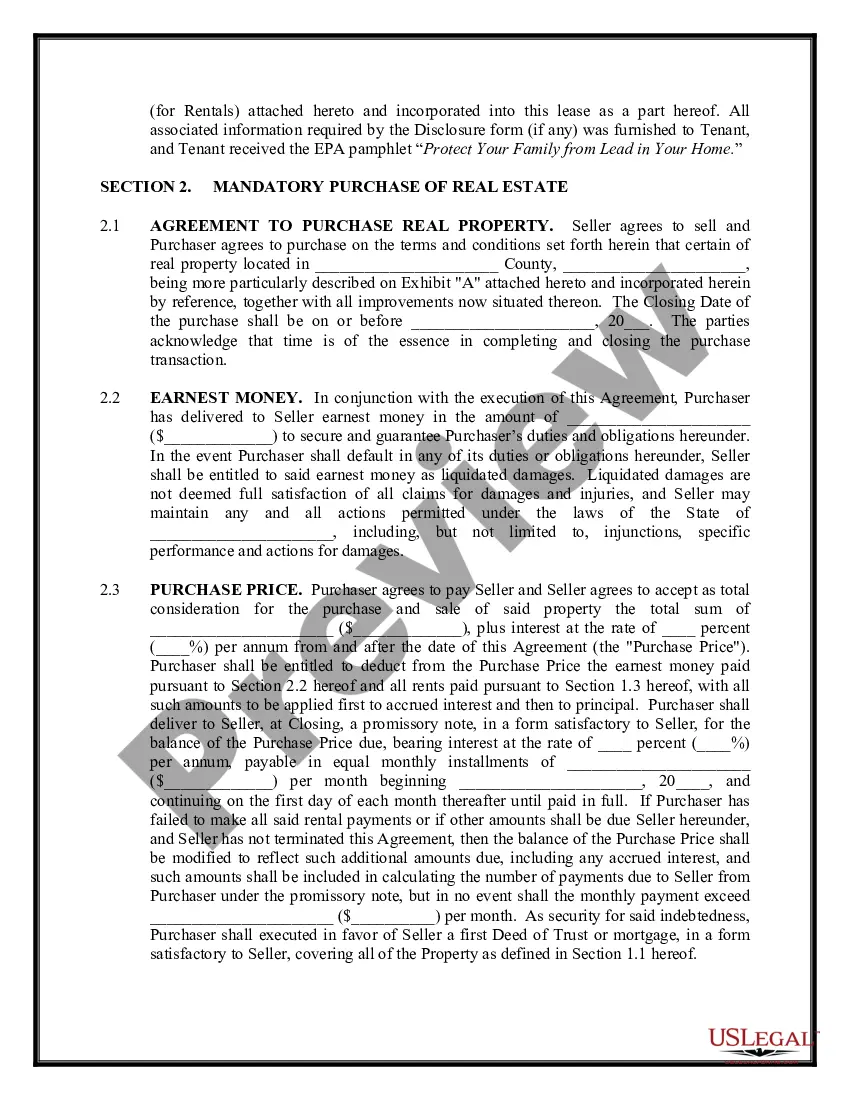
Assignment Clause Real Estate For Sale In King
Description

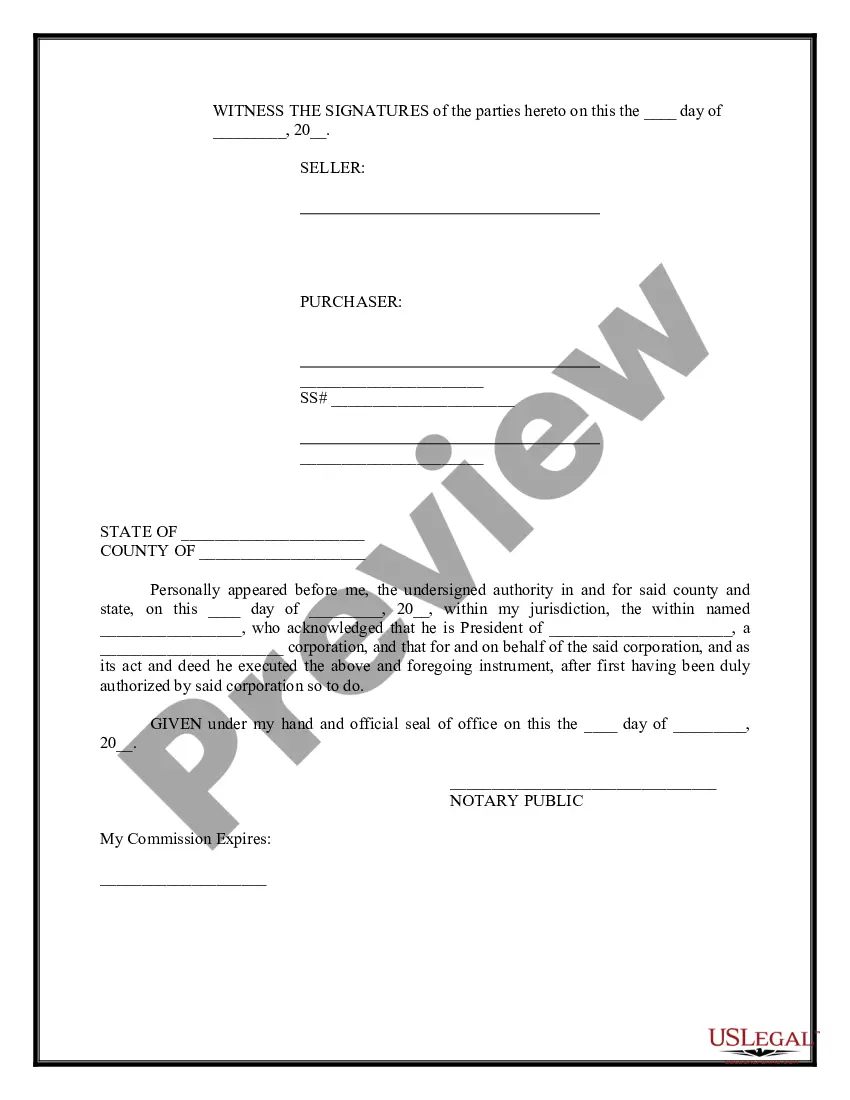
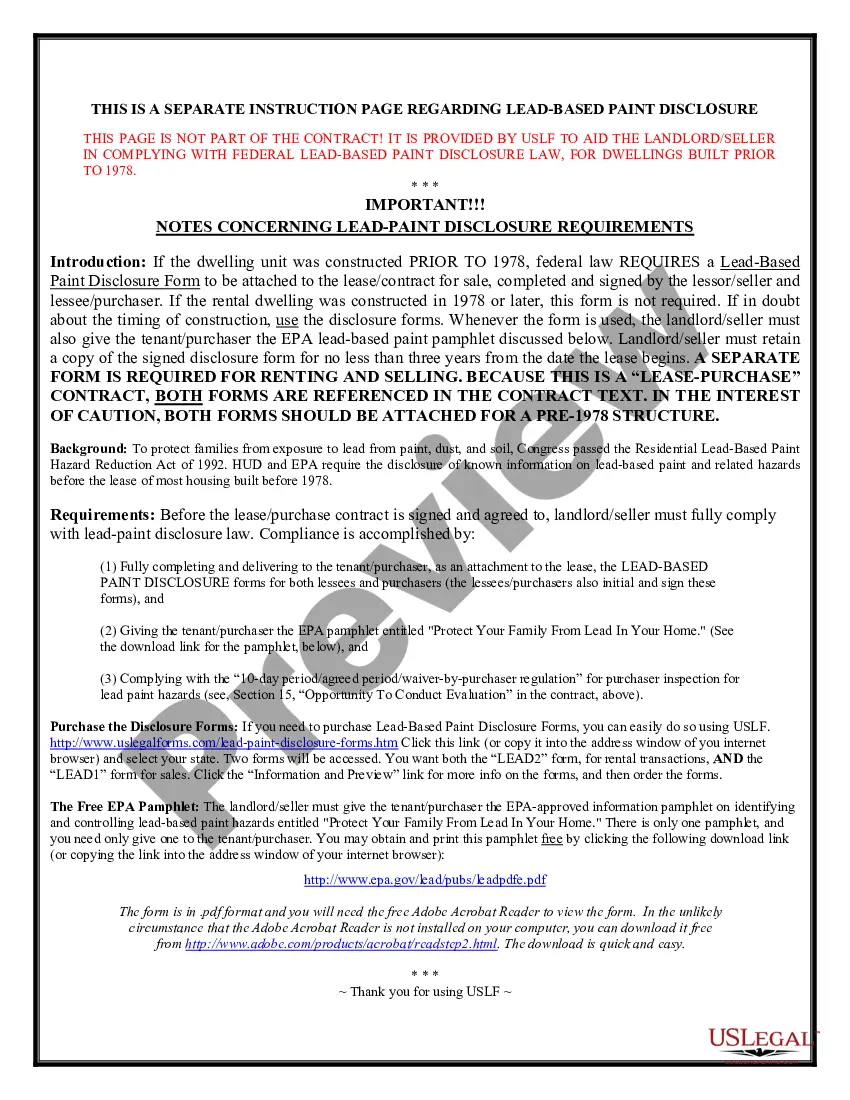
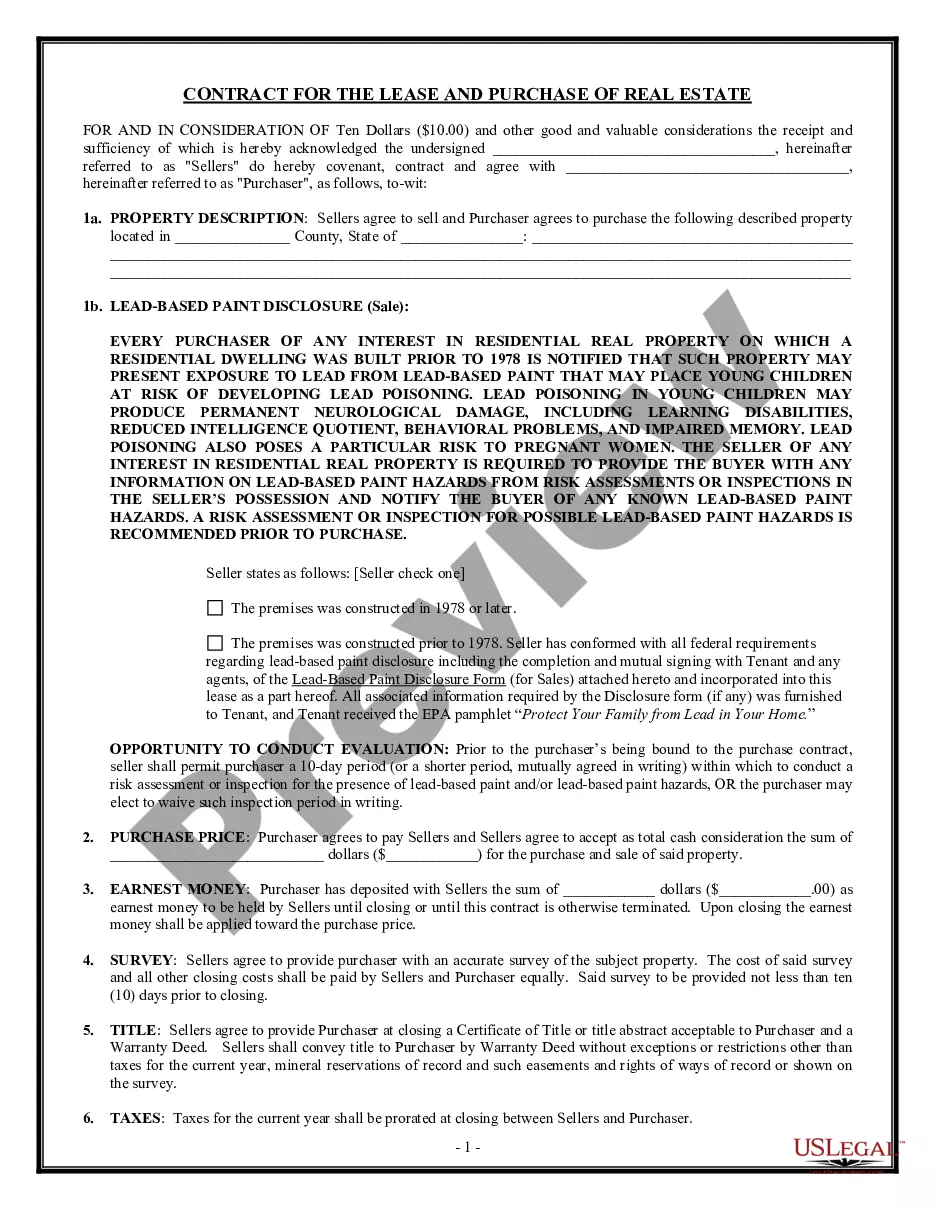
Get your form ready online
Our built-in tools help you complete, sign, share, and store your documents in one place.
Make edits, fill in missing information, and update formatting in US Legal Forms—just like you would in MS Word.
Download a copy, print it, send it by email, or mail it via USPS—whatever works best for your next step.
Sign and collect signatures with our SignNow integration. Send to multiple recipients, set reminders, and more. Go Premium to unlock E-Sign.
If this form requires notarization, complete it online through a secure video call—no need to meet a notary in person or wait for an appointment.
We protect your documents and personal data by following strict security and privacy standards.

Make edits, fill in missing information, and update formatting in US Legal Forms—just like you would in MS Word.

Download a copy, print it, send it by email, or mail it via USPS—whatever works best for your next step.

Sign and collect signatures with our SignNow integration. Send to multiple recipients, set reminders, and more. Go Premium to unlock E-Sign.

If this form requires notarization, complete it online through a secure video call—no need to meet a notary in person or wait for an appointment.

We protect your documents and personal data by following strict security and privacy standards.
Looking for another form?








Form popularity
FAQ
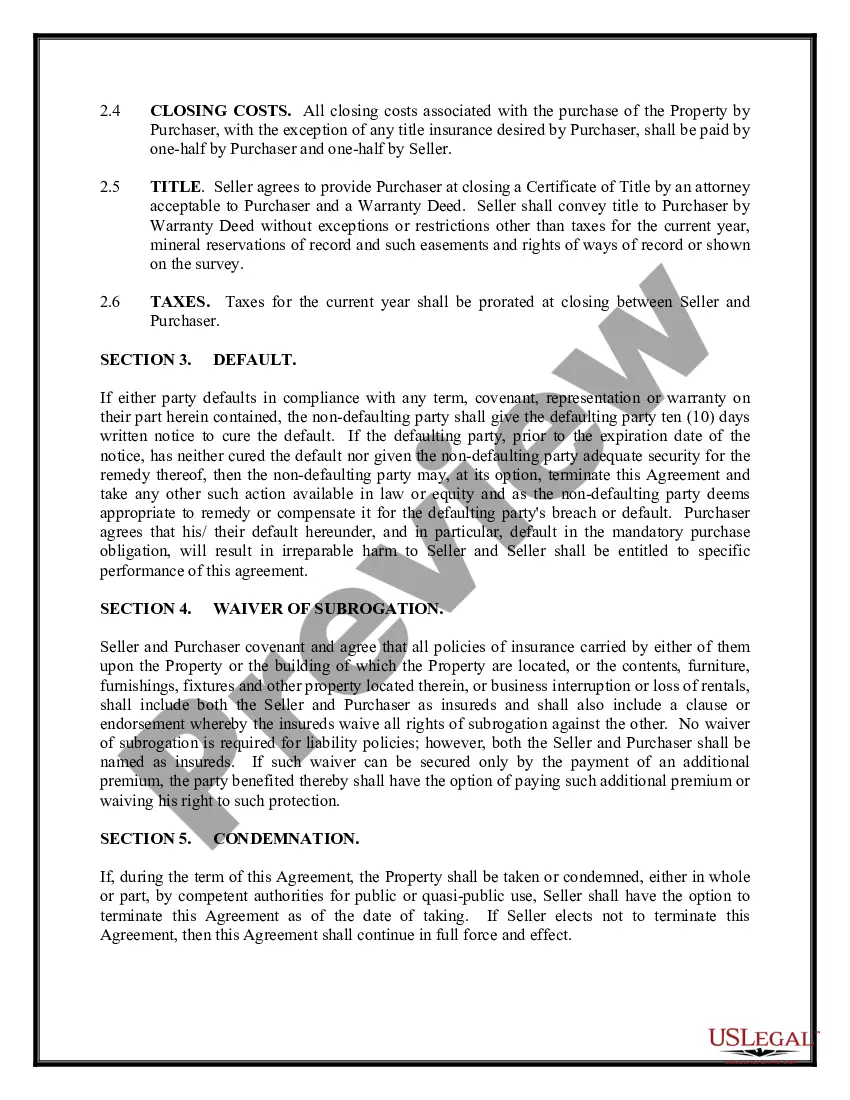
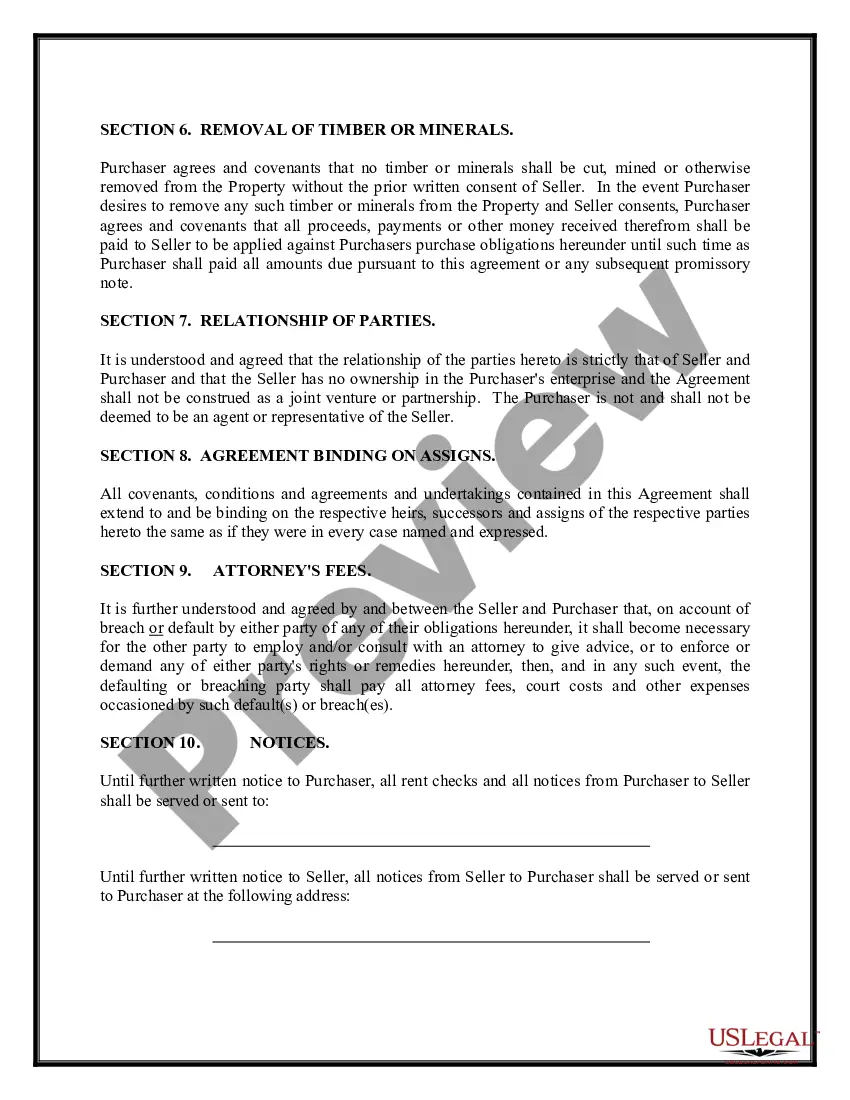
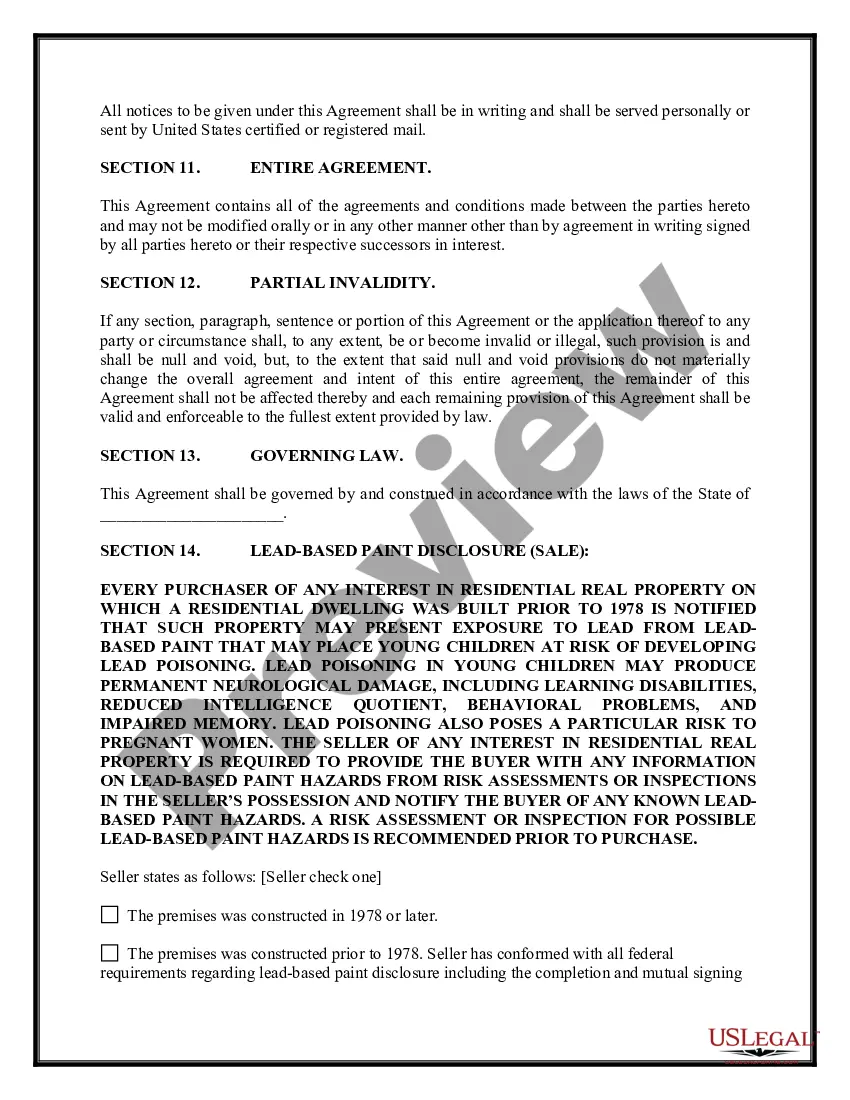
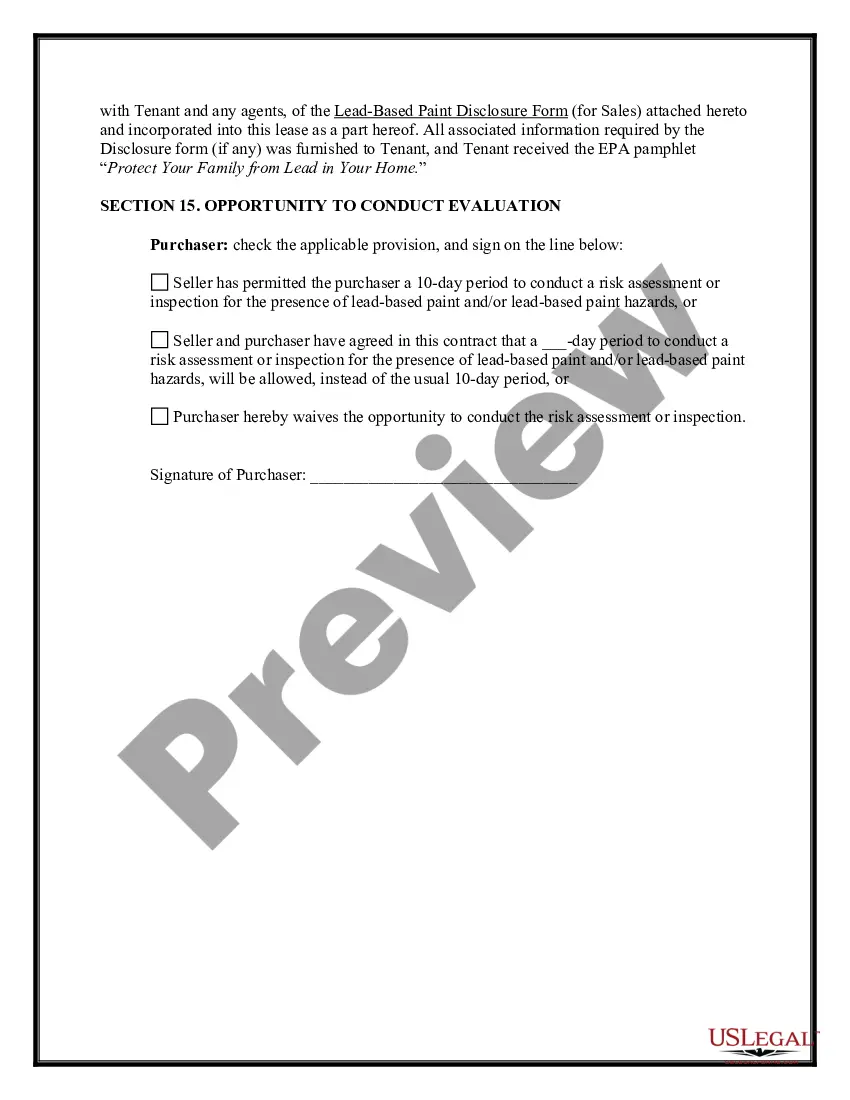
No Party shall assign this Agreement or any part hereof without the prior written consent of the other Parties. Subject to the foregoing, this Agreement shall be binding upon and inure to the benefit of the Parties Parties, and their respective permitted successors and assigns.
Under property law, assignment typically arises in landlord-tenant situations. For example, A might be renting from landlord B but wants to another party (C) to take over the property. In this scenario, A might be able to choose between assigning and subleasing the property to C.
No Party shall assign this Agreement or any part hereof without the prior written consent of the other Parties. Subject to the foregoing, this Agreement shall be binding upon and inure to the benefit of the Parties Parties, and their respective permitted successors and assigns.
In other words, an assignment clause allows the buyer of a home to sell the place before they take possession of it. In Ontario, assignments are more common in pre-built homes and condos than on re-sale properties, but they are possible on any type of trade.
What are they? The purpose of an assignment clause in a contract is to allow a party transfer a benefit it is entitled to receive under that contract to another party. A contract may simply be described as a trading of obligations for benefits.
In the event that the assignor of a contract carries a burden or obligation towards the other contracting party, the assignor cannot assign the duties without the consent of both parties.
Unless an assignment is prohibited in a contract, the outgoing party may assign their rights to the incoming (third) party without the consent of the other party to the agreement. A Letter of assignment can be used to affect the assignment and is signed by the outgoing party and the incoming party.
The assignor must agree to assign their rights and duties under the contract to the assignee. The assignee must agree to accept, or "assume," those contractual rights and duties. The other party to the initial contract must consent to the transfer of rights and obligations to the assignee.
The 'easy' way to assign the contract is to have a one page document stating that for some consideration, the 'buyer' transfers/assigns the contract to a new 'buyer'. Executing (signing) the assignment and receiving 'consideration' (eg $2000 or whatever) would then extinguish your rights to the contract.