Real Estate Clause In A Will In Harris
Description

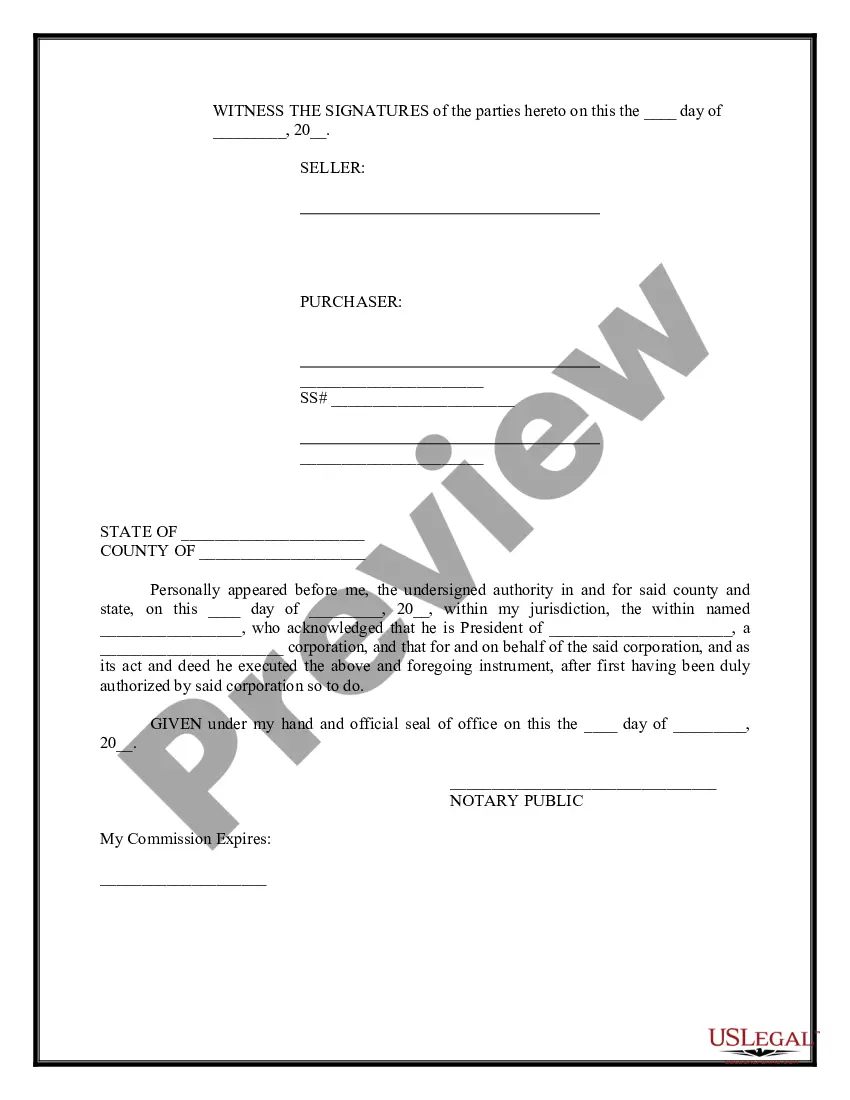
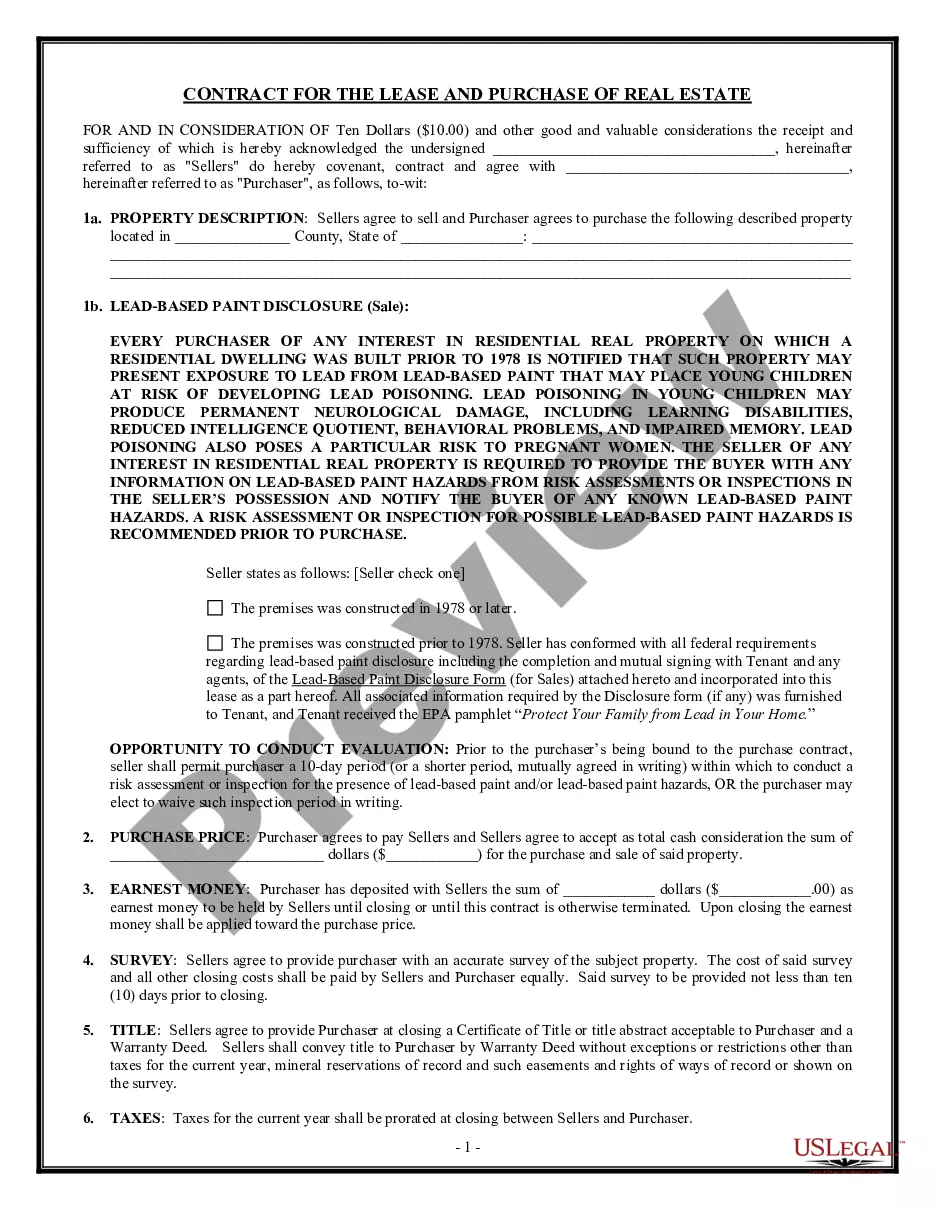
Get your form ready online
Our built-in tools help you complete, sign, share, and store your documents in one place.
Make edits, fill in missing information, and update formatting in US Legal Forms—just like you would in MS Word.
Download a copy, print it, send it by email, or mail it via USPS—whatever works best for your next step.
Sign and collect signatures with our SignNow integration. Send to multiple recipients, set reminders, and more. Go Premium to unlock E-Sign.
If this form requires notarization, complete it online through a secure video call—no need to meet a notary in person or wait for an appointment.
We protect your documents and personal data by following strict security and privacy standards.

Make edits, fill in missing information, and update formatting in US Legal Forms—just like you would in MS Word.

Download a copy, print it, send it by email, or mail it via USPS—whatever works best for your next step.

Sign and collect signatures with our SignNow integration. Send to multiple recipients, set reminders, and more. Go Premium to unlock E-Sign.

If this form requires notarization, complete it online through a secure video call—no need to meet a notary in person or wait for an appointment.

We protect your documents and personal data by following strict security and privacy standards.
Looking for another form?
Form popularity
FAQ
An estate may be exempt from the probate process in certain circumstances. Under Texas Estates Code, Title 2, Chapter 205, an estate need not pass through the probate process if there is no will and the total value of the estate (not counting any homestead real estate owned by the Decedent) is $75,000 or less.
In Texas, if an estate's value exceeds $75,000, it generally must go through probate because the law aims to ensure that significant assets are appropriately managed and distributed under court supervision. The reason an estate over $75,000 must go through probate is to protect the rights of heirs and creditors.
Without probate, estate distribution defaults to Texas intestacy laws, which may not align with the deceased's wishes. This can result in unintended beneficiaries receiving assets or intended beneficiaries being left out entirely.
The affidavit of heirship is used when the decedent had no unpaid debts and there was no other requirement that probate be filed. It is often used when there is a third party who requires the affidavit before transacting business with the heir as owner of the property.
Under Texas law, the paperwork to begin a probate, which includes applications and the will, must be filed in court within four years after the testator died.
Muniment of title is a mechanism where a Decedent's Will is filed for probate and the court recognizes the Will but does not appoint an executor or administrator to administer the Estate.
A Will, by itself, is not effective to convey title, possession, or interest in property. A Will must first be admitted to probate. Generally, under Texas law, a Will must be admitted to probate within 4 years of a person's death.
The bequest clause directs who receives specific property or assets and how it will be distributed. The residuary clause indicates how any remaining property or assets that are not specifically bequeathed to individuals will be distributed.
Self-Proving Holographic Wills The law simply requires that the document be entirely in the deceased's handwriting and signed. No date is required, but one should be included. A holographic will may be made self-proving either when it is signed or any time thereafter before the maker (testator) dies.
Self-Proving Holographic Wills The law simply requires that the document be entirely in the deceased's handwriting and signed. No date is required, but one should be included. A holographic will may be made self-proving either when it is signed or any time thereafter before the maker (testator) dies.