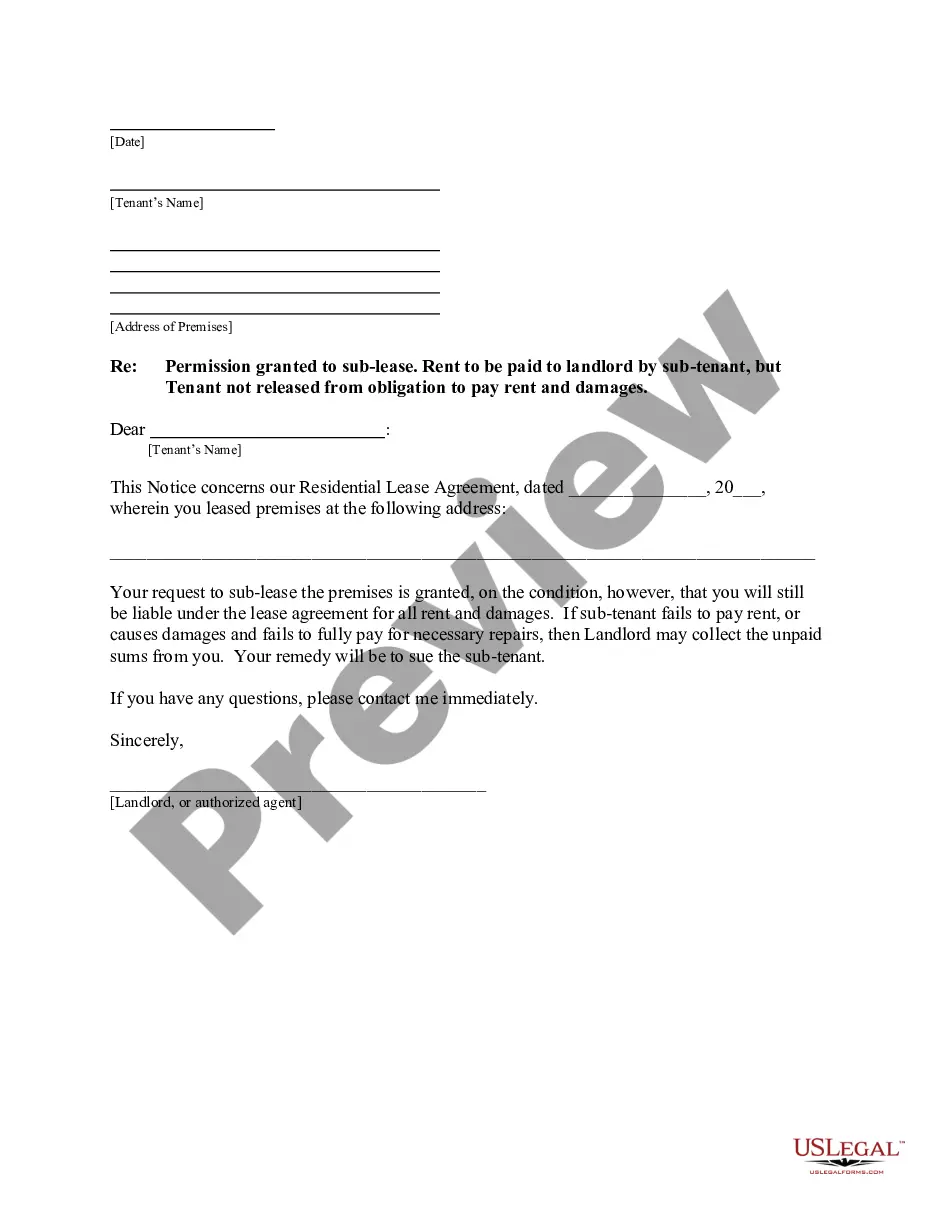
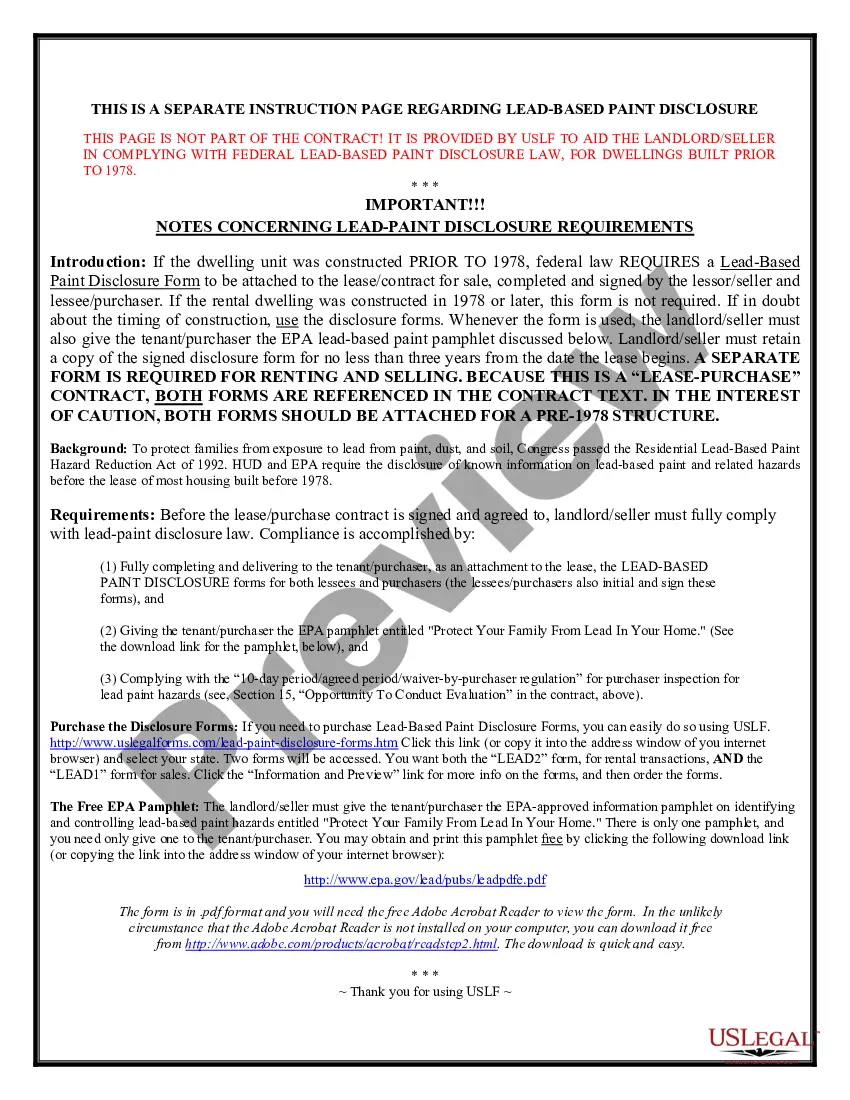
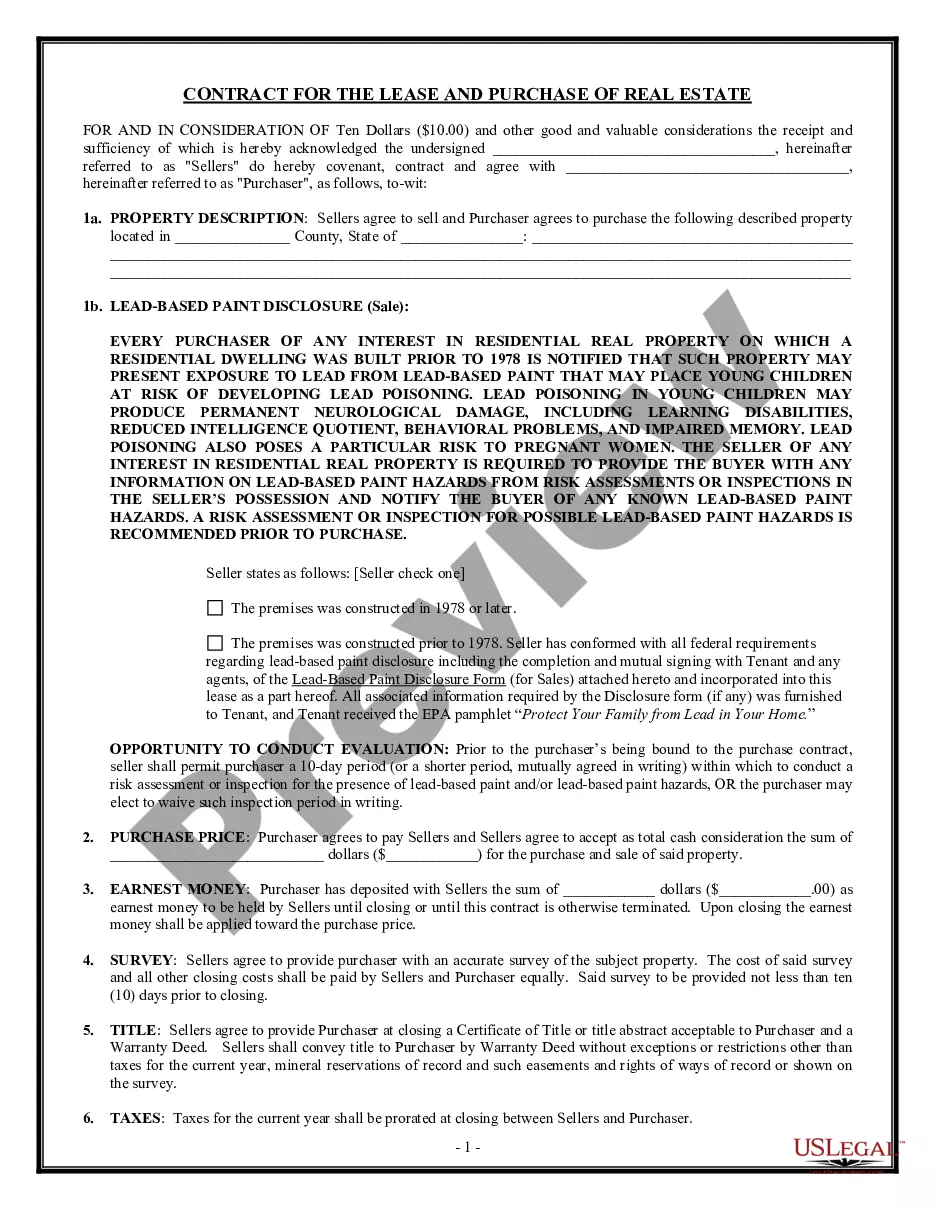
Arrendamiento Bienes Without In Georgia
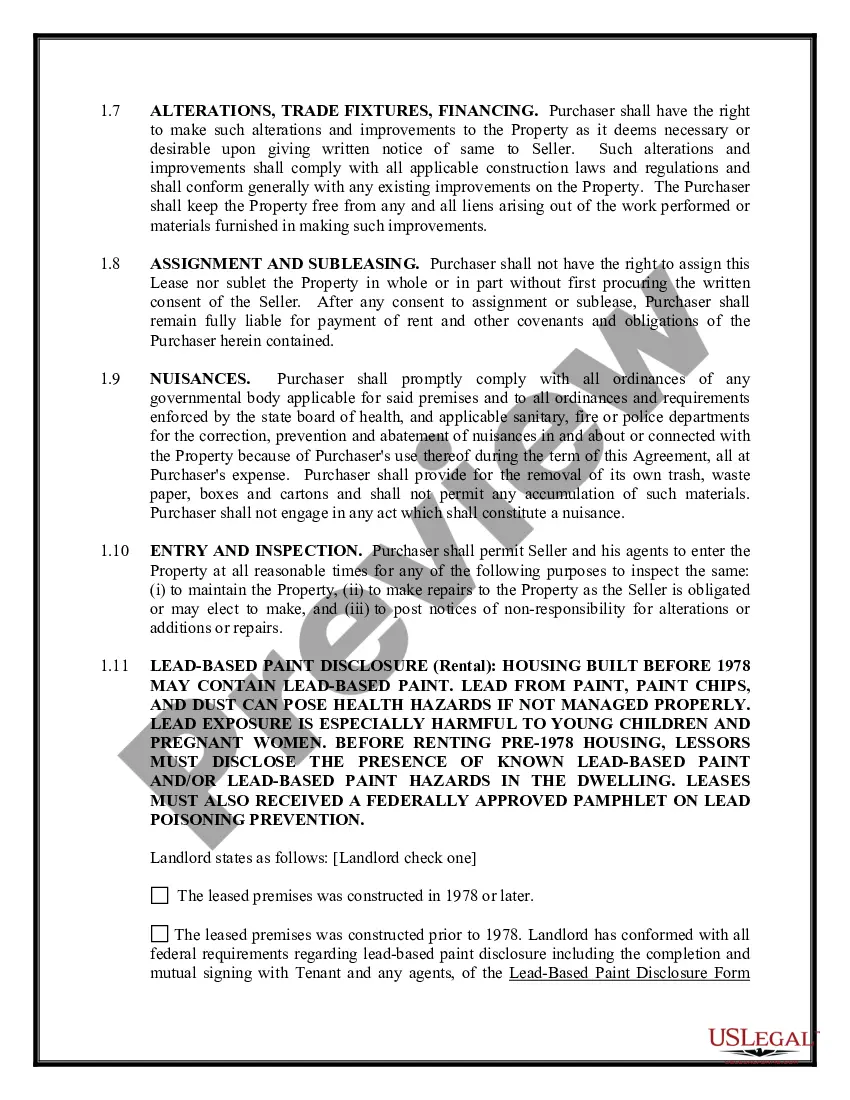
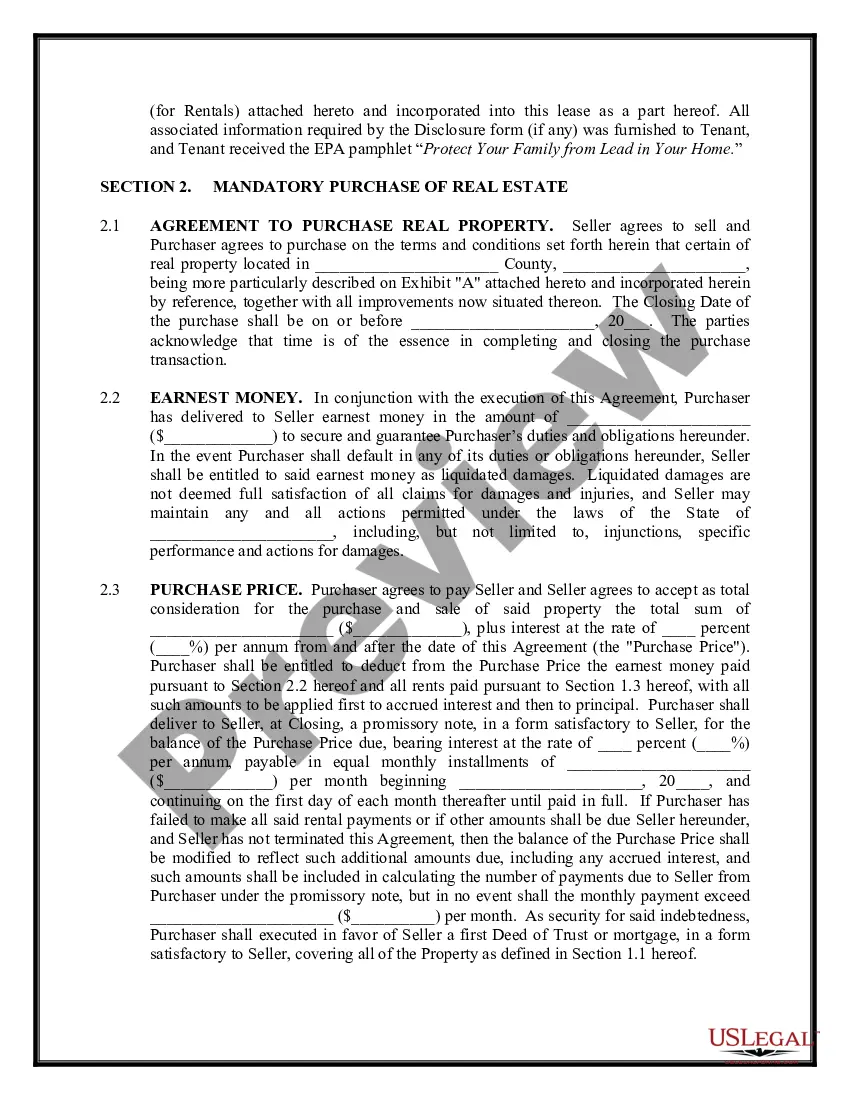
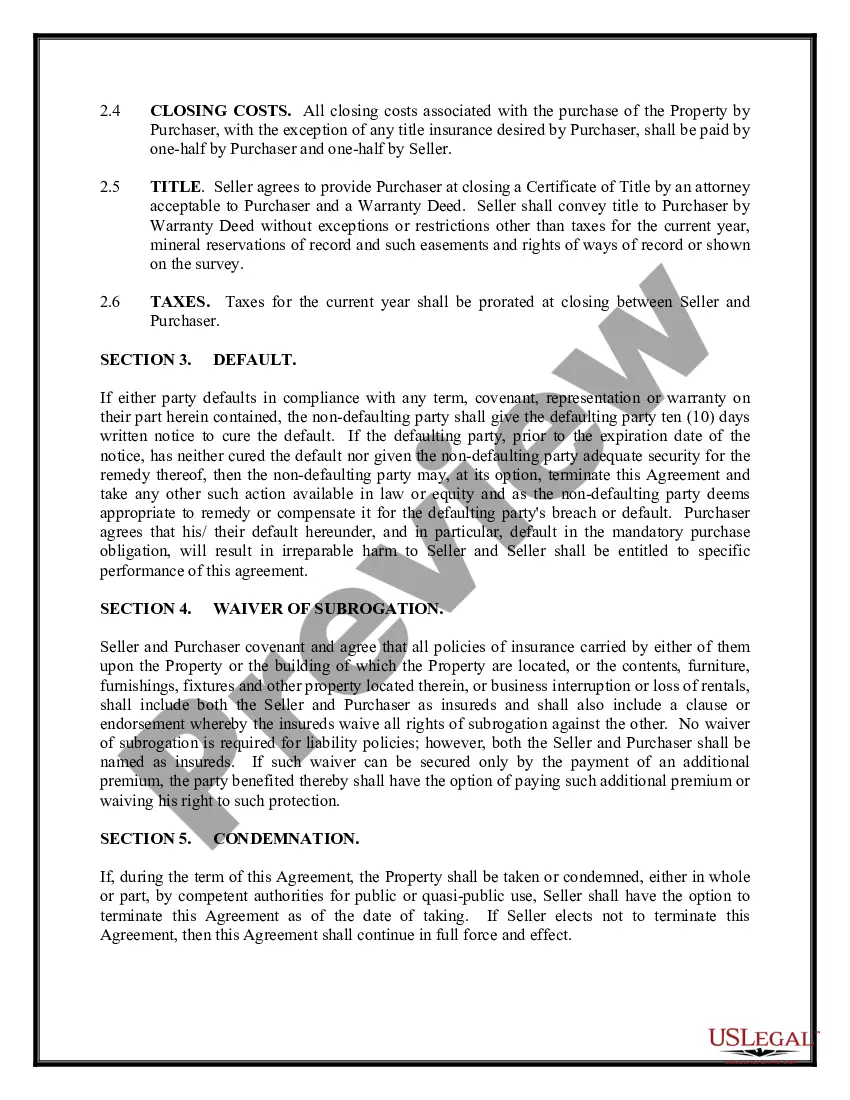
Description

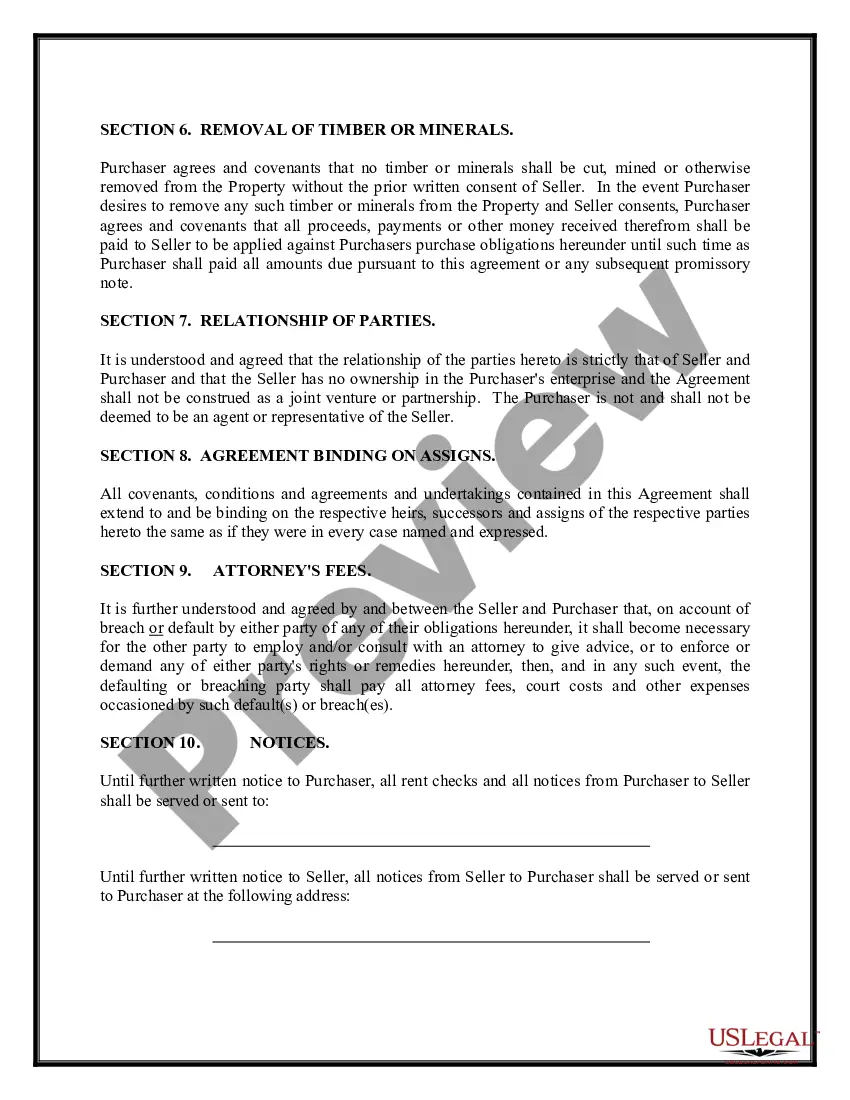
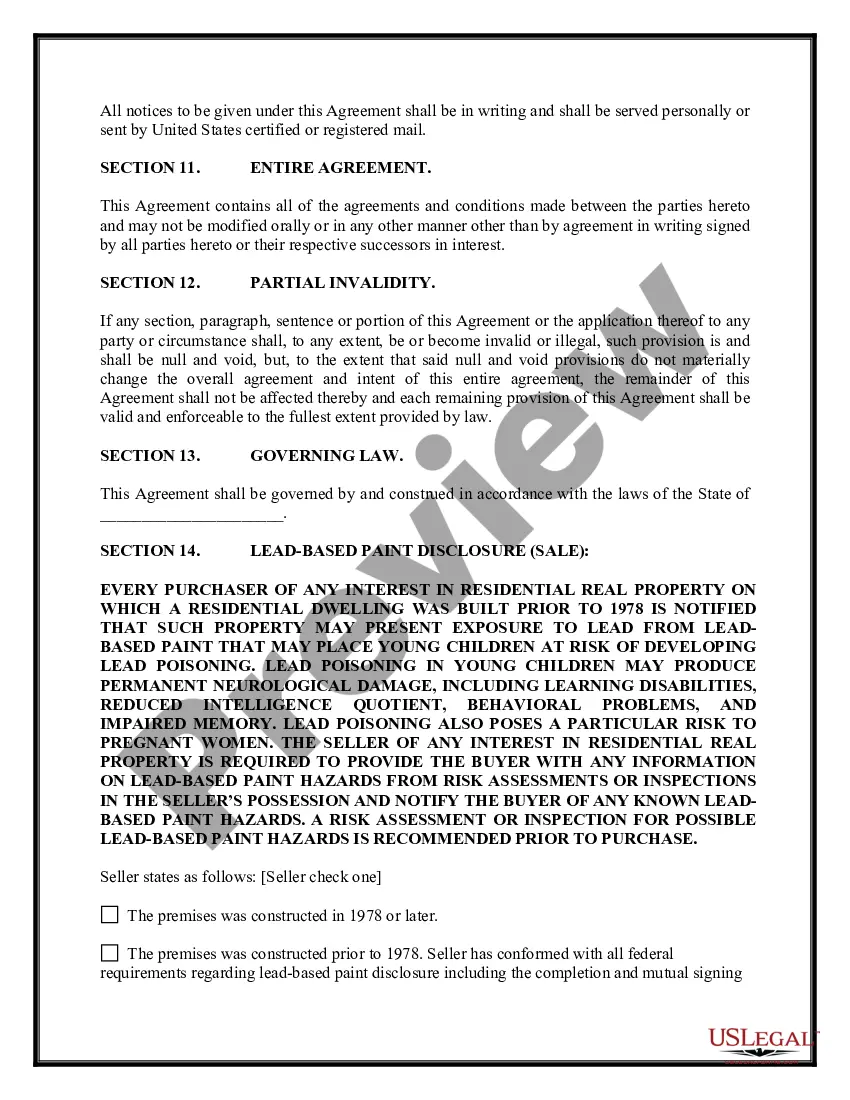
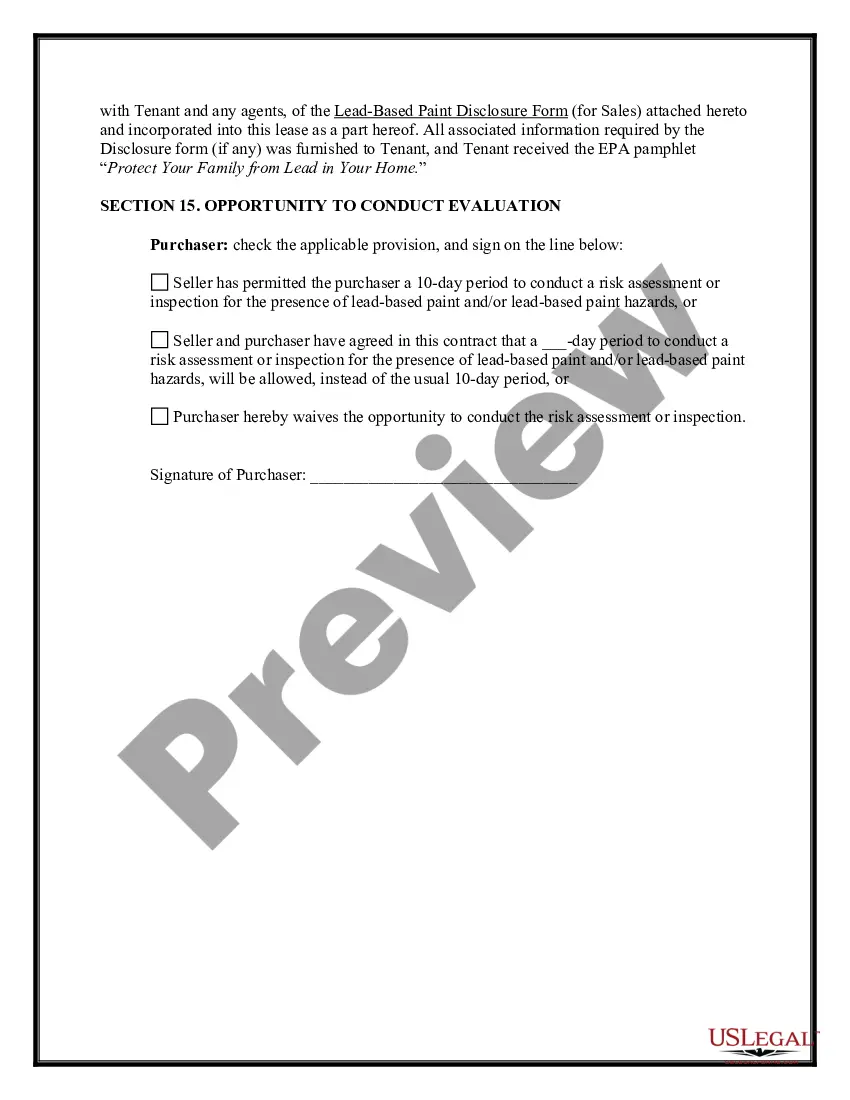
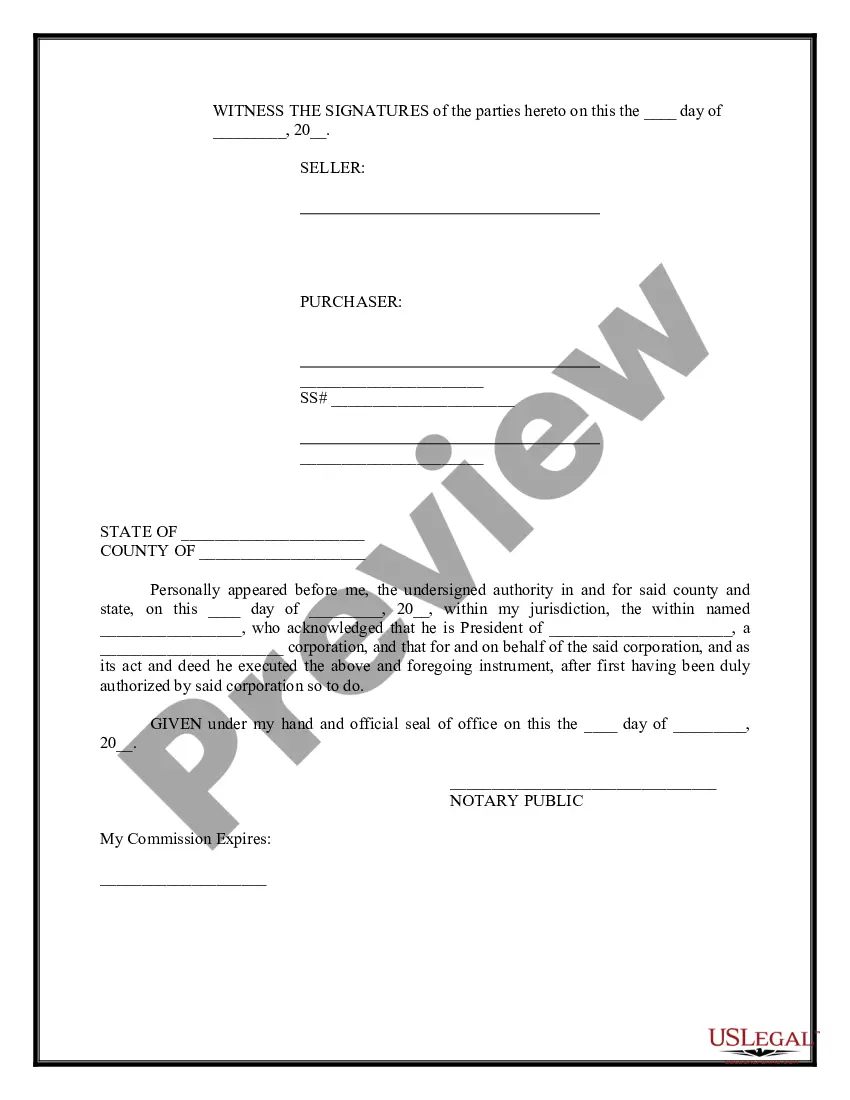
Get your form ready online
Our built-in tools help you complete, sign, share, and store your documents in one place.
Make edits, fill in missing information, and update formatting in US Legal Forms—just like you would in MS Word.
Download a copy, print it, send it by email, or mail it via USPS—whatever works best for your next step.
Sign and collect signatures with our SignNow integration. Send to multiple recipients, set reminders, and more. Go Premium to unlock E-Sign.
If this form requires notarization, complete it online through a secure video call—no need to meet a notary in person or wait for an appointment.
We protect your documents and personal data by following strict security and privacy standards.

Make edits, fill in missing information, and update formatting in US Legal Forms—just like you would in MS Word.

Download a copy, print it, send it by email, or mail it via USPS—whatever works best for your next step.

Sign and collect signatures with our SignNow integration. Send to multiple recipients, set reminders, and more. Go Premium to unlock E-Sign.

If this form requires notarization, complete it online through a secure video call—no need to meet a notary in person or wait for an appointment.

We protect your documents and personal data by following strict security and privacy standards.
Looking for another form?






Form popularity
FAQ
Under Georgia law, for a contract to be valid, there must be an offer, acceptance, consideration, and mutual assent.
Handwritten contracts are legally binding if they meet the necessary conditions that apply to all contracts: mutual agreement, capacity, consideration, and legal validity. There are no legal differences between typed and handwritten agreements when it comes to enforceability.
To make a successful claim to a property ing to Georgia adverse possession law, a squatter must meet one of the following criteria: Occupy the property for 20 years on the property continuously (GA Code § 44-5-163) Occupy the property for 7 years with color of title (GA Code § 44-5-164).
Managing properties in Georgia without a license restricts one to very limited activities such as showing rentals or performing administrative tasks. For most property management duties, including leasing and renting, a real estate license is required.
The maximum amount for which a tenant can sue in Georgia Magistrate Peace Court is $15,000. There is no limit in eviction cases. See the Georgia state court website for more details on small claims lawsuits rules and procedures.
How Does a Squatter Claim Adverse Possession in Georgia? Gather ample evidence for their claim (e.g., mail addressed to the property in their name, property tax receipts, evidence that they've “beautified” the property, etc.) File a quiet title complaint with the court.
Georgia adverse possession laws require 20 years of occupation in order to claim title. Adverse possession laws are commonly referred to as "squatters' rights" laws, since they often are invoked by squatters who inhabit land or structures otherwise left unused.
If you do not have a written lease, your landlord cannot raise your rent or ask you to leave without giving you 60 days' notice. If you have a written lease, your rent cannot be raised during the term of the lease unless the lease says otherwise.